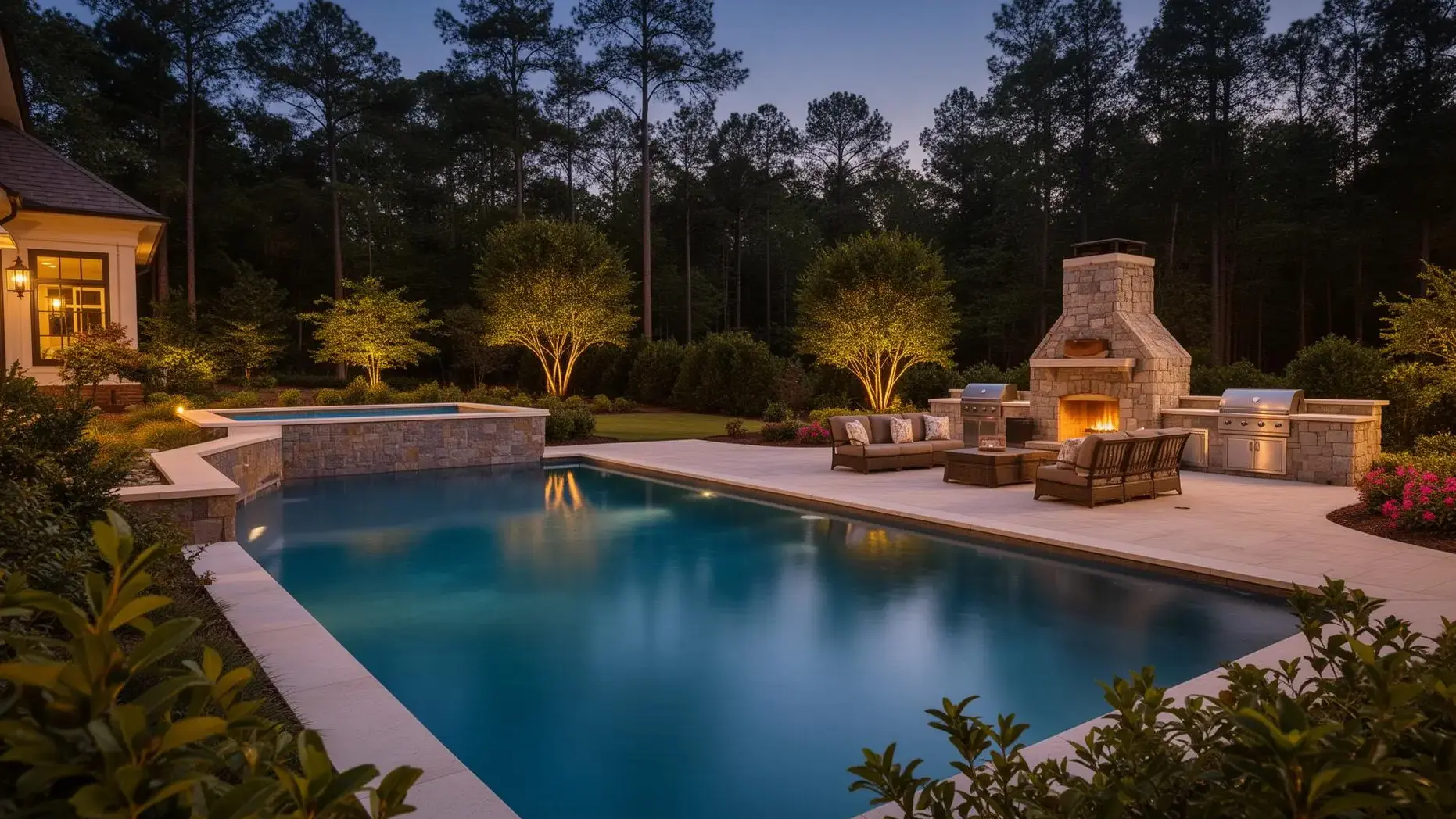
A luxury home in Atlanta is one of the best investments you can make. But unlike stocks or bonds, it requires active care to hold its value. Georgia's climate is uniquely demanding: relentless summer humidity that breeds mold and rots wood, violent spring thunderstorms that punish roofs and gutters, a pollen season that coats every surface in yellow dust, and occasional winter freezes that can burst pipes in homes not properly prepared.
The difference between a luxury home that appreciates and one that slowly degrades comes down to a consistent maintenance schedule. Deferred maintenance on a $1.5M home does not just cost you in repair bills. It costs you in resale value, in appraisal outcomes, and in insurance claims that get denied because the damage was "preventable." Sellers can lose $50,000 or more at closing when a roof inspection reveals years of neglected maintenance that a buyer's inspector flags in twenty minutes.
This guide breaks down exactly what needs to happen in each season, what it costs, and why it matters. Whether you just closed on your first luxury home or have owned in Buckhead for twenty years, this checklist will keep your property in peak condition year-round.
Spring (March - May): The Reset Season
Spring is the most critical maintenance window for Atlanta luxury homes. Winter may have caused hidden damage, pollen season is about to bury everything, and storm season is arriving. Getting ahead of all three in March and April saves you from reactive, emergency-rate repairs later.
Spring Maintenance Checklist
- HVAC Spring Service ($200-$400 per system): Schedule a full tune-up before you need the air conditioning. In Atlanta, that means booking in early March because every HVAC company is slammed by April. The technician should clean coils, check refrigerant levels, replace filters, test the thermostat calibration, and inspect ductwork. For homes with multiple zones, which most luxury properties have, budget for each system individually. A well-maintained HVAC system runs more efficiently than a neglected one, and in Atlanta, that translates to hundreds of dollars per month in summer energy savings.
- Pollen Cleanup and Pressure Washing ($400-$1,200): Atlanta's pine pollen season (mid-March through mid-April) is not just an annoyance. Left on surfaces, pollen stains concrete, clogs gutters and downspouts, coats HVAC condenser units reducing efficiency, and creates a slippery film on decks and walkways. Pressure wash driveways, patios, porches, and exterior walls after peak pollen subsides. For homes with extensive outdoor living spaces, this is essential.
- Gutter Cleaning and Inspection ($250-$600): Atlanta's tree canopy is one of its defining features, but it fills gutters fast. Clean all gutters and downspouts, check for proper drainage away from the foundation, and repair any sections that have pulled away from the fascia. For homes on wooded lots in Sandy Springs or along the Chattahoochee corridor, gutter guards are worth the $1,500-$3,000 investment to reduce the frequency of cleaning.
- Irrigation System Startup ($150-$350): Reactivate your irrigation system after winter shutdown. A professional startup includes inspecting all heads for winter damage, adjusting spray patterns for any new landscaping, testing each zone, checking the backflow preventer, and programming the controller for spring watering schedules. Cracked heads and broken lines from winter freezes are common and inexpensive to fix now but waste enormous amounts of water if left unrepaired.
- Termite Inspection ($75-$200): Georgia leads the nation in termite activity, and spring is when swarmers emerge. Schedule your annual termite inspection in March or April. If you have a termite bond (and you should, as discussed in our insurance guide), your bond company will handle the annual inspection as part of the contract. Watch for mud tubes on foundation walls, discarded wings near windowsills, and soft or hollow-sounding wood around the exterior.
- Exterior Inspection and Touch-Up ($200-$500): Walk the entire exterior of the home looking for winter damage: cracked caulking around windows and doors, peeling paint, damaged siding, gaps where critters could enter, and any signs of water intrusion. Fix these small issues now before spring rains exploit them.
Estimated Spring Maintenance Cost
Total: $1,275 - $3,250 for a typical Atlanta luxury home. Homes with multiple HVAC systems, larger lots, and extensive hardscaping will fall toward the higher end. This is the most expensive maintenance season, but it is also the one that prevents the most costly surprises later in the year.
Summer (June - August): Storm Prep and Humidity Control
Atlanta summers are defined by heat, humidity, and severe thunderstorms. Temperatures regularly exceed 95 degrees, humidity sits above 70%, and afternoon storms bring damaging winds, heavy rain, and occasional hail. Your home's exterior and mechanical systems are under maximum stress during these months.
Summer Maintenance Checklist
- Storm Preparation ($300-$800): Severe weather season peaks from June through August. Trim all tree branches within 15 feet of the roofline and remove dead trees or limbs that could fall on the house, vehicles, or outdoor structures. Have your arborist assess large hardwoods for structural weakness. Test sump pumps, check backup battery systems, and verify that your whole-house generator starts and runs properly. Review your insurance coverage to confirm it is adequate for storm damage and that deductibles are where you want them.
- Humidity Control ($100-$300 for monitoring; $1,500-$4,000 for whole-house dehumidifier): This is the hidden destroyer of Atlanta luxury homes. Persistent indoor humidity above 55% warps hardwood floors, grows mold behind walls, damages millwork, and ruins stored clothing and artwork. Install or check smart humidity sensors in the basement, attic, and any large closets. A whole-house dehumidifier is not optional for homes with finished basements in the Atlanta market. Keep indoor humidity between 40-50% regardless of what is happening outside.
- Pool Maintenance ($200-$500/month ongoing, plus $300-$600 seasonal service): If your home has a pool, summer is peak demand on the filtration and chemical systems. Schedule a mid-summer professional service to inspect pumps, check filter pressure, calibrate chemical feeders, and clean tile lines. Atlanta's high temperatures accelerate algae growth and chemical consumption. A saltwater system is lower maintenance but still needs professional attention. Budget for weekly service if you are not managing it yourself.
- Exterior Paint and Stain Check ($0-$500 for touch-up; $8,000-$25,000 for full repaint): Atlanta's UV exposure and humidity combination is brutal on exterior finishes. Walk the perimeter and look for fading, chalking, peeling, or bubbling paint. Pay special attention to south and west-facing walls that receive the most sun. Touch up problem areas immediately to prevent moisture intrusion into the substrate. If the paint is more than seven to ten years old, plan for a full repaint within the next year.
- Landscape Irrigation Audit ($100-$250): Mid-summer is the right time to audit irrigation efficiency. Check for heads spraying sidewalks or driveways instead of lawn, dry spots indicating coverage gaps, and zones that are overwatering. Atlanta water rates have increased steadily, and an inefficient system on a large luxury lot can waste $200-$400 per month in the summer. Smart irrigation controllers with weather-based adjustments pay for themselves within a single season.
- HVAC Filter Changes and Condensate Line Check ($50-$100): Change HVAC filters monthly during heavy-use summer months. Also check the condensate drain line, as a clogged line is one of the most common causes of water damage in Atlanta homes. A clogged line causes the overflow pan to fill and eventually leak into ceilings and walls below. Flushing the line with a cup of vinegar monthly prevents clogs caused by algae growth in the humid condensate.
Estimated Summer Maintenance Cost
Total: $750 - $2,450 (excluding pool monthly service and any major exterior painting). Add $600-$1,500 for three months of pool service if applicable. Summer is about prevention: the money you spend on storm prep, humidity control, and irrigation efficiency prevents five to ten times that amount in reactive repairs.
Fall (September - November): Preparing for the Cold
Fall is your transition window. Storm season is winding down, the brutal heat is fading, and you have a narrow window to prepare for winter before the first freeze, which typically arrives in late November or early December in the Atlanta metro area. This is also when Atlanta's deciduous trees shed their leaves, creating a different set of maintenance demands from the pine-needle-and-pollen challenges of spring.
Fall Maintenance Checklist
- Leaf Management and Final Gutter Cleaning ($300-$800): Atlanta's hardwood canopy, which includes oaks, maples, hickories, and sweetgums, drops a staggering volume of leaves from October through December. Clean gutters at least twice during this period: once in mid-November and again in early December after most leaves have fallen. Clogged gutters in winter lead to ice dams during freezes and water intrusion that can damage fascia boards, soffits, and attic spaces. For properties in heavily wooded areas of Buckhead or Sandy Springs, professional leaf removal for the full lot may run $400-$600 per visit.
- Heating System Tune-Up ($200-$400 per system): Schedule your fall HVAC service in September or early October before the first cold snap catches you off guard. The technician should inspect the heat exchanger for cracks (a safety issue), test ignition systems, check gas connections, replace filters, and calibrate the thermostat for heating mode. For homes with heat pumps, which are common in Atlanta's milder climate, verify that the system switches properly between cooling and heating modes and that the backup heat strips function.
- Chimney and Fireplace Inspection ($150-$350): If your luxury home has a wood-burning fireplace or multiple fireplaces, schedule an inspection and cleaning before the first fire of the season. A certified chimney sweep will check for creosote buildup (a fire hazard), cracked flue liners, damaged dampers, and any animal nests that accumulated during the warm months. Gas fireplaces need inspection too: check pilot lights, thermocouple function, and gas connections. For homes with four or more fireplaces, which is common in larger Alpharetta and Buckhead estates, budget accordingly.
- Window and Door Sealing ($100-$400): Inspect all windows and exterior doors for drafty seals, cracked weatherstripping, and failed caulking. In luxury homes with large window walls or floor-to-ceiling glass, even small seal failures add up to significant energy loss and moisture intrusion during winter rains. Replace worn weatherstripping and recaulk any gaps. For older homes with original wood windows, check that sashes operate properly and that storm windows (if applicable) are in place.
- Outdoor Furniture and Kitchen Storage ($0-$300): High-end outdoor furniture, grills, and kitchen appliances last years longer when properly stored or covered for winter. Clean all outdoor furniture, apply protective treatments to teak and other natural woods, cover built-in grills and outdoor kitchen equipment, and store cushions in a dry location. Drain and cover outdoor bar sinks and refrigerators. If your outdoor living space includes a pergola with retractable screens or shades, retract and secure them for winter.
- Irrigation Winterization ($75-$200): Schedule the blowout and shutdown of your irrigation system before the first hard freeze. This should happen in late October or November in metro Atlanta. A proper winterization prevents cracked pipes, damaged valves, and broken backflow preventers that are far more expensive to repair in the spring.
Estimated Fall Maintenance Cost
Total: $825 - $2,450 for a typical Atlanta luxury home. Fall maintenance is about winterization and transition. The heating tune-up and chimney inspection are non-negotiable safety items, and the gutter cleaning and irrigation winterization prevent expensive damage during the cold months ahead.
Winter (December - February): Protect and Monitor
Atlanta winters are mild compared to the Northeast, but they are not without risk. Temperatures regularly dip below freezing, and several hard freezes (below 25 degrees) are typical each winter. The real danger is that many Atlanta homes, even luxury ones, were not built with extreme cold in mind. Pipe runs through exterior walls, poorly insulated crawl spaces, and outdoor water features all create vulnerability during cold snaps.
Winter Maintenance Checklist
- Pipe Protection ($50-$300 for insulation; $500-$5,000+ for burst pipe repair): Identify vulnerable pipe runs in exterior walls, crawl spaces, garages, and attic spaces. Insulate exposed pipes with foam sleeves. During hard freeze warnings, open cabinet doors under sinks on exterior walls, set faucets to a slow drip, and maintain the thermostat at 65 degrees or above even when away. If you travel during winter, consider a smart water leak detection system that alerts your phone and can automatically shut off the main water supply if a leak is detected. A burst pipe in an unoccupied luxury home can cause $50,000-$200,000 in damage before anyone notices.
- Fireplace Maintenance ($0-$200 per use season): If you are actively using wood-burning fireplaces, burn only seasoned hardwood (oak, hickory, or maple), never softwood or construction scraps. Keep the damper fully open during use and for several hours after the fire dies. Clean the firebox of ash when it builds up beyond two inches. For gas fireplaces, ensure the glass front is sealed properly and that the pilot light is stable. Monitor carbon monoxide detectors on every floor, testing them monthly during fireplace season.
- Roof Inspection ($300-$600): Schedule a professional roof inspection in January or February, after the winter storms but before spring rains begin. The inspector should check for missing or displaced shingles, damaged flashing around chimneys, skylights, and vent pipes, and any signs of ice-related damage. For homes with slate, tile, or metal roofing, which is common on higher-end Atlanta properties, the inspection should include checking for cracked tiles, loose fasteners, and sealant integrity. Catching roof issues before spring storm season prevents water damage that can run into tens of thousands of dollars.
- Holiday Lighting Electrical Check ($100-$250): If your home features elaborate holiday lighting, whether installed by a professional service or done yourself, have the electrical connections inspected before the season begins. Check outdoor outlets and GFCI circuits, ensure extension cords are rated for outdoor use and are in good condition, and verify that the total wattage does not exceed circuit capacity. Professional holiday lighting installation ($500-$3,000 depending on scope) includes this inspection as part of the service. After the season, remove all lighting promptly to prevent damage to gutters, shingles, and trim.
- Attic and Crawl Space Inspection ($100-$250): Check the attic for signs of roof leaks, condensation, or pest intrusion. Verify that insulation is evenly distributed and has not been displaced by wind or animals. In the crawl space, check the vapor barrier for tears or displacement, look for standing water or moisture, and inspect structural supports for any signs of settling or damage. Proper attic ventilation is critical during winter to prevent ice dams and condensation that can rot roof decking from the inside out.
- Pool Winterization Monitoring ($100-$200): If your pool was winterized in the fall, check it periodically through the winter. Ensure the cover is secure and not holding excessive water or debris. Check the pool equipment pad for any signs of freeze damage. Monitor the water level to ensure it has not dropped below the skimmer line, which could indicate a leak. For pools with automation systems, verify that freeze protection mode is active and functioning.
Estimated Winter Maintenance Cost
Total: $650 - $1,800 for a typical Atlanta luxury home (excluding emergency pipe repairs). Winter is the least expensive maintenance season, but the stakes are high. A single burst pipe or undetected roof leak can cost more than an entire year of preventive maintenance.
Annual Cost Summary and Budgeting
Adding up all four seasons, expect to budget $3,500 - $10,000 per year for routine seasonal maintenance on a typical Atlanta luxury home. This does not include major capital items like roof replacement, HVAC system replacement, or exterior repainting, which are periodic expenses that come on longer cycles. It also does not include ongoing services like weekly lawn care, monthly pool service, or pest control, which add another $5,000-$15,000 annually depending on your property.
The total cost of owning a luxury home in Atlanta includes these maintenance expenses, and budgeting for them proactively is far less expensive than dealing with deferred maintenance when it catches up to you. A general rule: budget 1-2% of your home's value per year for all maintenance combined, including both the seasonal items in this guide and ongoing services.
Season-by-Season Cost Breakdown
- Spring: $1,275 - $3,250 (HVAC service, pollen cleanup, gutters, irrigation startup, termite inspection, exterior touch-up)
- Summer: $750 - $2,450 (storm prep, humidity control, pool service, paint check, irrigation audit, HVAC filters)
- Fall: $825 - $2,450 (leaf management, heating tune-up, chimney inspection, window sealing, outdoor storage, irrigation winterization)
- Winter: $650 - $1,800 (pipe protection, fireplace maintenance, roof inspection, electrical check, attic/crawl space, pool monitoring)
Hiring the Right Maintenance Professionals
A luxury home deserves professionals who understand the materials, systems, and standards involved. The HVAC technician who services a standard 1,500-square-foot ranch is not necessarily the right fit for a 7,000-square-foot estate with four zones, a wine cellar cooling system, and a pool heat pump. When hiring contractors and maintenance professionals, look for experience with high-end residential properties, proper licensing and insurance, and references from other luxury homeowners.
Many luxury homeowners in Atlanta retain a property manager or estate manager who coordinates all maintenance activities, schedules seasonal services, and ensures nothing falls through the cracks. For homes valued above $2M, this is an increasingly common approach. A good estate manager costs $2,000-$5,000 per month but pays for itself by preventing costly oversights and negotiating better rates with vendors through consistent, year-round relationships.
Protecting Your Investment Starts With the Right Team
Whether you are buying your first luxury home and want to understand the true cost of ownership, or you are preparing to sell and need your home in top condition, having a team that understands Atlanta luxury real estate makes all the difference. We work with a vetted network of contractors, inspectors, and service professionals across the metro area.
Frequently Asked Questions
How much does annual maintenance cost for a luxury home in Atlanta?
Annual maintenance for an Atlanta luxury home typically runs $15,000-$40,000 depending on property size, systems, and amenities. A 5,000-square-foot home with a pool, irrigation system, and multi-zone HVAC can expect to spend $8,000-$12,000 on HVAC maintenance and repairs, $3,000-$6,000 on pool upkeep, $2,000-$5,000 on landscaping and irrigation, $1,500-$3,000 on pest control, and $2,000-$5,000 on miscellaneous repairs and inspections. Budgeting 1-2% of your home's value per year for maintenance is a reliable rule of thumb.
What is the most important seasonal maintenance task for Atlanta homes?
HVAC servicing is the single most important seasonal task for Atlanta homes. Georgia's combination of extreme summer heat (regularly above 95 degrees), high humidity (often 70-80%), and mild but damp winters puts enormous strain on heating and cooling systems. A neglected HVAC system in Atlanta will fail faster, run less efficiently, and allow humidity to damage interior finishes, hardwood floors, and even structural components. Service your system twice per year: once in early spring before cooling season and once in early fall before heating season.
How do I protect my Atlanta luxury home from storm damage?
Atlanta's severe storm season runs from March through September, with peak activity in April-June. Key preparation includes trimming trees within 15 feet of the roofline, cleaning gutters and downspouts to prevent water intrusion, inspecting the roof for loose or missing shingles, ensuring sump pumps and backup systems are functional, testing whole-house generators, and verifying that your insurance coverage is current and adequate. After any major storm, do a walk-around inspection looking for fallen limbs, displaced shingles, standing water, and damage to outdoor structures.
How often should I have my roof inspected in Atlanta?
In Atlanta, a professional roof inspection should be done at least twice per year: once in late fall after storm season ends and once in early spring before it begins. Additionally, you should inspect the roof after any significant storm event with high winds or hail. Atlanta's combination of summer heat, frequent thunderstorms, and occasional ice in winter accelerates roof wear. For luxury homes with complex rooflines, dormers, and multiple valleys, a professional inspection catches issues that are invisible from the ground but can lead to expensive water damage if left unaddressed.
What pest control is needed for Atlanta luxury homes?
Atlanta's warm, humid climate makes pest control a year-round necessity. Termites are the most significant threat, with the Formosan subterranean termite now established in the metro area. An annual termite inspection ($75-$150) and a termite bond (maintenance contract, typically $200-$400 per year) are essential. Beyond termites, quarterly pest control treatments ($150-$300 per quarter) address ants, roaches, spiders, and occasional wildlife. Mosquito control treatments during the warm months ($75-$100 per treatment, typically monthly April through October) protect outdoor living spaces.
Should I winterize my irrigation system in Atlanta?
Yes. While Atlanta winters are milder than northern climates, temperatures regularly dip below freezing from December through February, and hard freezes (below 25 degrees) occur several times per winter. A proper winterization includes shutting off the water supply to the irrigation system, draining the lines, and blowing out remaining water with compressed air. This costs $75-$200 depending on system size. Failing to winterize risks cracked pipes, damaged sprinkler heads, and broken backflow preventers, repairs that can easily run $500-$2,000 or more in spring.
How do I manage humidity in my Atlanta luxury home?
Humidity control is critical in Atlanta, where outdoor humidity regularly exceeds 70-80%. Indoor humidity should be maintained between 40-50% year-round. Key strategies include running your HVAC system consistently (do not set it to auto-off for extended periods, even when traveling), using whole-house dehumidifiers in homes with finished basements or large square footage, ensuring crawl spaces are properly encapsulated and ventilated, maintaining bathroom and kitchen exhaust fans, and monitoring humidity levels with smart sensors in key areas like basements, attics, and closets. Prolonged indoor humidity above 55% can cause mold growth, wood warping, and damage to finishes.
Have questions about maintaining your Atlanta luxury home?
Sources
- U.S. Department of Energy - Seasonal energy-saving tips, HVAC maintenance guidelines, and home weatherization best practices for southern climates.
- National Association of Home Builders (NAHB) - Home maintenance schedules, expected lifespan of home components, and cost benchmarks for residential systems and finishes.
- University of Georgia Cooperative Extension - Georgia-specific guidance on irrigation, pest control, landscaping, and seasonal property care for the Atlanta climate zone.
- FMLS (First Multiple Listing Service) - Atlanta metro area property data and resale trends showing the impact of home condition and maintenance on sale prices.
Cost estimates reflect 2025-2026 pricing in the Atlanta metro area and may vary based on property size, location, system complexity, and contractor rates. Always obtain multiple quotes for major maintenance projects.
Disclaimer: This article is for informational purposes only and does not constitute professional home maintenance, construction, or financial advice. Maintenance costs, schedules, and recommendations are general guidelines and may vary significantly based on your specific property, its age, systems, and condition. Always consult with licensed professionals for maintenance and repair work on your home. The Luxury Realtor Group is not responsible for any outcomes resulting from the application of information in this article.