Your listing photos are the first showing. Before a single buyer walks through your front door, hundreds or thousands of people will see your home online, and their decision to schedule a visit or keep scrolling happens in seconds. For luxury homes in Atlanta, where buyers expect a certain level of presentation, the quality of your listing photography can mean the difference between multiple offers in the first week and a listing that sits.
According to the National Association of Realtors, 97% of homebuyers use the internet during their home search, and listing photos are the single most important factor in determining which homes they choose to visit in person. A Redfin study found that homes with professional photography sold for $3,400 to $11,200 more than comparable homes with amateur photos. In the luxury segment, where price points are higher and buyer expectations are steeper, that gap widens significantly.
But even the best photographer cannot fix a messy kitchen counter, a cluttered living room, or a backyard that has not been maintained. The work you do before the photographer arrives determines 80% of the final result. Here is a complete, room-by-room guide to preparing your Atlanta luxury home for its professional photo shoot.
Why Professional Photography Matters More for Luxury Listings
Every listing benefits from good photos, but for luxury homes, the stakes are different. Buyers in the $1 million-plus range are not browsing casually. They are comparing your home against other high-end properties with equally high-end marketing. If your $2.5 million Buckhead listing has dim, poorly composed photos while the competition has magazine-quality imagery with twilight shots and drone footage, you have lost the first impression before the buyer ever reads the description.
Professional listing photography for luxury homes typically includes 40 to 60 high-resolution still images, twilight exterior shots, aerial drone photography, and increasingly, video walkthroughs and 3D virtual tours. The photographer handles the technical execution: composition, lighting, lens selection, and post-processing. But the homeowner and agent are responsible for making sure the home is photo-ready. That preparation is what this guide is about.
Whole-Home Preparation: The Foundation
Before you focus on individual rooms, address the items that affect the entire home. These are the basics that professional stagers and real estate photographers expect to be done before they arrive.
Whole-Home Checklist
- Deep clean everything. Hire a professional cleaning crew that specializes in move-out or pre-listing cleaning. Every surface, light fixture, window, baseboard, and vent should be spotless. Cameras capture dust, smudges, and grime that the human eye might miss in person. Budget $500 to $1,000 for a professional deep clean on a luxury home.
- Declutter aggressively. Remove at least 30% to 50% of your visible belongings. Clear countertops, bookshelves, mantels, and side tables down to a few carefully chosen items. Less is always more in listing photos. If you can, move excess furniture to a storage unit. Rooms with fewer pieces photograph larger.
- Remove all personal items. Family photos, kids' artwork, monogrammed towels, sports memorabilia, political signs, and religious items should be packed away. Buyers need to picture themselves in the home, not you.
- Replace all burned-out light bulbs. Walk through every room and replace every bulb that is dim, flickering, or burned out. Match color temperatures throughout the home. Warm white (2700K to 3000K) creates the most inviting atmosphere in photographs. Mismatched bulbs (some warm, some cool) create an uneven look that is very noticeable in photos.
- Clean all windows inside and out. Natural light is the single most important element in interior real estate photography. Dirty windows reduce the amount of light entering the room and can create a hazy, dull look in photos. Clean glass lets light pour in and makes every room look brighter and more spacious.
- Touch up paint and patch holes. Fill nail holes, touch up scuff marks on walls and trim, and repaint any faded or damaged areas. Even small imperfections show up in high-resolution photography. A $200 investment in touch-up paint can make a $2 million home look significantly more polished.
- Hide all cords, cables, and chargers. Visible power strips, phone chargers, speaker wires, and cable boxes create visual clutter in photos. Route cords behind furniture, use cord covers, or temporarily unplug and hide electronics that are not essential to the shoot.
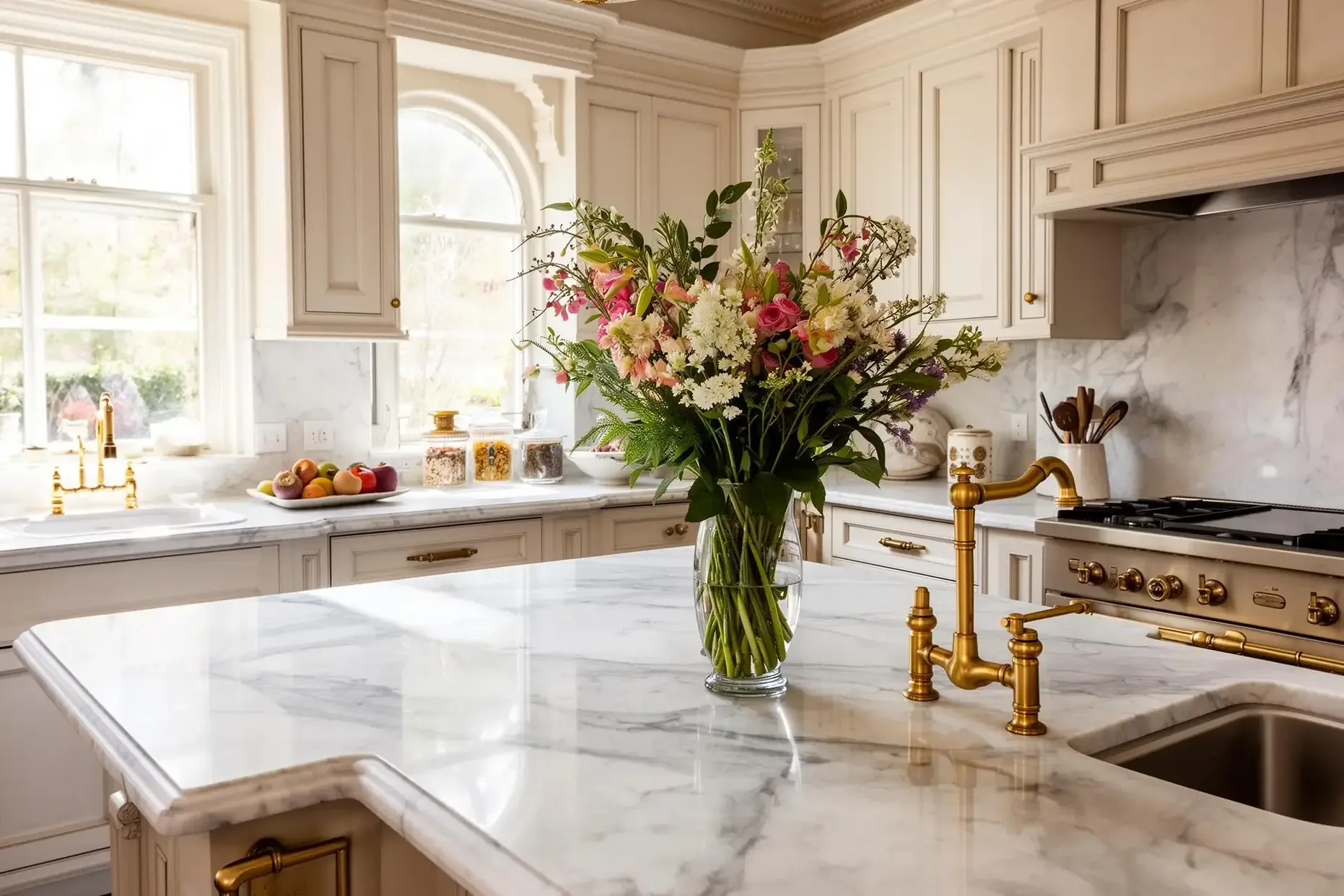
Kitchen: The Most Photographed Room in the House
The kitchen typically gets more photos than any other room, and for luxury homes, it is often the primary selling feature. According to the National Kitchen and Bath Association, the kitchen is the single most influential room in a buyer's purchase decision. Your kitchen needs to look like it belongs in a design magazine, not like someone just cooked dinner in it.
Clear the Countertops
Remove everything from the countertops. The toaster, coffee maker, knife block, paper towel holder, fruit bowl, cutting boards, spice racks, and soap dispensers all need to go. Yes, all of it. After everything is cleared, you can place back one to three carefully chosen items: a small vase with fresh flowers, a bowl of lemons or green apples, or a styled cutting board with a cookbook. The goal is to show off the countertop surface and backsplash, not to display your kitchen equipment.
Clean Appliances Until They Shine
Stainless steel appliances need to be streak-free and fingerprint-free. Use a stainless steel cleaner and polish on the refrigerator, dishwasher, range, and hood. Remove everything from the refrigerator door (magnets, photos, notes, calendars). Clean the inside of the oven and microwave in case the photographer opens them. If your appliances are dated or showing wear, discuss with your agent whether replacement makes financial sense before listing.
Style the Island and Breakfast Area
If you have a kitchen island, clear it completely and add one or two decorative items. Bar stools should be evenly spaced, pushed in, and aligned. If you have a breakfast nook or eat-in area, set it with simple place settings (clean plates, cloth napkins, simple glassware) to suggest a lifestyle without cluttering the space. Do not use plastic or paper products in styled shots.
Address the Sink Area
The sink should be empty, dry, and polished. Remove the dish rack, sponge, dish soap, and hand soap. Clean the faucet and handles until they are spotless. If your sink is stained or your faucet is water-spotted, use Bar Keepers Friend or a similar cleaner to restore the finish. A dirty or cluttered sink area undermines the entire kitchen presentation.
Living Room, Great Room, and Family Room
Living spaces need to feel spacious, inviting, and purposeful. Every piece of furniture should serve a clear function and every item on display should look intentional. Here is how to prepare these rooms for the camera.
Edit the furniture. If a room feels crowded, remove pieces. A living room with a sofa, two chairs, and a coffee table photographs better than one with a sofa, loveseat, three chairs, two end tables, a coffee table, and an ottoman. When in doubt, take it out. The room should have clear pathways and breathing room between furniture groupings.
Fluff and style soft furnishings. Plump all pillows and arrange them symmetrically. Fold throw blankets neatly and drape them over one arm of the sofa or the back of a chair. If your pillows or throws are faded, pilled, or dated, replace them. New throw pillows and a quality throw blanket cost $100 to $300 and can refresh the entire look of a room.
Style surfaces intentionally. Coffee tables should have one to three items: a stack of large-format books (architecture, travel, or art books work well), a small plant or succulent, or a decorative tray with a candle. Side tables should have a lamp and one small accessory at most. Mantels should be cleared and restyled with two to three items in varying heights. Bookshelves should be edited to about 60% capacity with books and a few decorative objects, not packed full.
Turn off the TV. A black TV screen creates a dark hole in the photograph. Turn it off and, if possible, angle it slightly or drape it with a cover designed for the purpose. Some photographers will digitally edit the TV to show a fireplace image or art in post-production, but it is better to minimize the screen's visual impact physically.
Open blinds and curtains. Let in as much natural light as possible. Raise all blinds to the same height. Pull curtains to the sides. If your window treatments are heavy, dark, or dated, consider removing them entirely for the shoot. Natural light flooding through clean, uncovered windows makes rooms look larger and more welcoming.
Primary Suite: Bedroom and Bathroom
The primary suite is the second most important area after the kitchen in luxury home photography. Buyers want to see a serene, spacious, hotel-like retreat. Here is how to create that impression.
The Bed Is the Focal Point
Make the bed with hotel-level precision. Use white or neutral bedding for the cleanest look. Layer the bed: fitted sheet, flat sheet with a fold at the top, duvet or comforter, two to four Euro shams against the headboard, two to four sleeping pillows in front of those, and one or two accent pillows for color. The bed should look crisp and inviting, not piled high with a dozen decorative pillows. Tuck the duvet tightly and smooth out all wrinkles. If your bedding is worn or dated, invest $200 to $400 in a new white duvet cover and pillow shams. It is one of the highest-impact, lowest-cost improvements you can make.
Nightstands and Dressers
Clear nightstands of everything except a lamp and one small item (a book, a small plant, or a clock). Remove phone chargers, water glasses, medication, reading glasses, and remote controls. Dressers should be clear except for one or two decorative items. Remove everything from the top of armoires and media cabinets. The room should feel calm and uncluttered.
Primary Bathroom
Remove all personal items from the countertop: toothbrushes, soap, lotion, razors, makeup, hair products, and medications. All of it. Store it under the sink or in a closet. Replace everyday towels with fresh, white or neutral towels folded neatly on towel bars or rolled on a tray. Clean the shower and tub until they gleam. If you have glass shower doors, remove every trace of soap scum and water spots. Close the toilet lid. Remove the bath mat (it photographs poorly). If your grout is discolored, use a grout pen or have it professionally cleaned. Place one or two spa-like accessories: a small plant, a candle, or a stack of folded white washcloths.
Want a Room by Room Punch List Before the Photographer Arrives?
Send us your address and we will walk the house with you, flag what typically reads badly on camera, and put the prep work in the order it needs to happen.
Build My Pre-Photo Punch Listor call (770) 727-4052
Secondary Bedrooms, Home Office, and Bonus Rooms
Every room gets photographed, so every room needs attention. Secondary bedrooms should be treated the same way as the primary: clean bedding, clear surfaces, minimal accessories. Make the bed, clear the nightstands, and remove personal items.
Home offices should look organized and productive. Clear the desk of papers, sticky notes, and clutter. A laptop (closed or showing a clean screen), a desk lamp, a small plant, and a neat stack of books are sufficient. Push in the desk chair. Make sure bookshelves are edited and organized. Route all cables out of sight.
Kids' rooms should be styled like guest rooms for the shoot. Remove character bedding, posters, and toy clutter. Make the bed with clean, age-appropriate bedding. Store toys, games, and school supplies out of sight. A few well-placed items (a stack of books, a stuffed animal on the bed) are fine. The room should photograph as a versatile bedroom, not a playroom.
Bonus rooms, media rooms, and gyms should be cleaned and organized to show their purpose clearly. A media room should have clean seating, organized shelving, and no visible clutter. A home gym should have equipment neatly arranged with mats clean and rolled or laid flat. Remove anything that does not belong in the room.
Outdoor Spaces and Curb Appeal
Exterior photos are typically the first and last images in a listing set, and the front exterior is almost always the lead image that appears in search results. In Atlanta, where outdoor living spaces are a major selling point, the backyard and pool area deserve just as much preparation as the interior.
Exterior Photo Prep Checklist
- Lawn and landscaping: Mow the lawn one to two days before the shoot (not the same day, as clippings can be visible). Edge all beds. Apply fresh mulch or pine straw if the current layer is thin or faded. Trim hedges and remove any dead plants. Add seasonal color with potted flowers at the front door and on the patio.
- Pressure wash: Clean the driveway, walkways, patio, pool deck, and any stone or brick surfaces. Pressure washing costs $200 to $500 for a typical luxury property and makes a dramatic visual difference. Green algae and dark stains on hardscaping are very noticeable in photographs.
- Pool area: The pool should be crystal clear with balanced chemistry. Skim the surface, brush the walls, and vacuum the bottom the day before the shoot. Remove pool floats, noodles, and toys. Style the pool area with clean lounge chairs, neatly stacked towels, and a few accessories. If your pool furniture is faded or worn, consider renting or replacing it for the listing period.
- Remove all vehicles: Move all cars off the driveway and away from the front of the home. Parked cars make the property look smaller and less prestigious in photos. Ask neighbors to move their vehicles if they are parked directly in front of your home.
- Hide utility items: Garbage cans, recycling bins, garden hoses, yard tools, pet waste stations, and outdoor storage should be moved out of sight. Check the side yards and back corners where these items tend to accumulate.
- Front door and entry: Clean or repaint the front door. Polish the hardware (handle, knocker, kick plate). Place a new welcome mat and flank the door with matching planters. The front entry sets the tone for the entire showing, in person and in photos.
Day-of Checklist: The Final Walk-Through
On the morning of the photo shoot, do a final walk-through of every room. This is your last chance to catch details that will show up in the camera but might not catch your eye during daily life.
- Turn on every light in the house. Overhead lights, lamps, under-cabinet lighting, vanity lights, and closet lights. The photographer may adjust lighting for specific shots, but starting with everything on gives them the best foundation.
- Turn off all ceiling fans. Spinning fan blades blur in photographs and create an unprofessional look.
- Close all toilet lids. Walk through every bathroom and check.
- Open all interior doors. This makes hallways feel wider and lets light flow between rooms. The exception is closets and utility rooms, which should be closed unless they are a feature worth showing (such as a custom walk-in closet).
- Close all closet and cabinet doors. Unless the closet is custom-designed and worth featuring.
- Straighten all wall art. Even slightly crooked frames are noticeable in professional photos.
- Remove all trash cans from view. Kitchen, bathrooms, home office, and bedrooms. All of them.
- Check mirrors and glass surfaces for smudges. Bathroom mirrors, glass shower doors, glass tabletops, and decorative mirrors should be streak-free.
- Set the thermostat to a comfortable temperature. If the photographer is working for two to three hours, a hot or cold house affects their work and may cause visible condensation on windows.
- Leave the house. Take pets and children with you. The photographer works best with an empty house and no distractions. Plan to be away for two to four hours depending on the size of your home.
What Your Agent Should Handle
A good luxury listing agent does not just send a photographer to your house and hope for the best. At The Luxury Realtor Group, our pre-listing photography process includes several steps that your agent should manage on your behalf.
Pre-shoot walk-through. Your agent should walk the home with you at least one week before the shoot to identify specific areas that need attention, suggest furniture rearrangements, and recommend any quick improvements (fresh paint, new hardware, updated light fixtures) that will improve the photos without significant investment.
Photographer selection and briefing. The agent should select a photographer who specializes in luxury real estate, not just general real estate photography. There is a significant quality difference. The agent should brief the photographer on the home's best features, the likely buyer profile, and any specific shots needed for marketing materials.
Shot list coordination. For luxury listings, the photographer should capture the kitchen from multiple angles, the primary suite, every secondary bedroom, all bathrooms, the outdoor living area, pool, and front exterior. Twilight shots of the front and back exterior are standard. Drone shots are expected for homes with significant lots or views. The agent coordinates this shot list based on what the home's marketing strategy requires.
Photo review and selection. After the shoot, the agent should review every image, select the strongest photos, and organize them in a sequence that tells a compelling story. The lead image (typically the front exterior or the most impressive interior space) sets the tone for the entire listing. Photo order on the MLS matters because many buyers swipe through the first five to ten images and make a decision based on those alone.
Mistakes That Ruin Otherwise Great Listing Photos
We have reviewed thousands of luxury listing photos in the Atlanta market, and the same preventable mistakes come up repeatedly. Here are the ones to watch for.
Reflections and Mirrors
Mirrors, glass tables, stainless steel appliances, and windows all create reflections. A photographer standing in a bathroom mirror, a cluttered room reflected in a glass-top coffee table, or a messy adjacent room visible through a window all ruin a shot. Before the shoot, check every reflective surface in each room and clean up whatever is visible in the reflection. This is one of the most commonly overlooked details.
Visible Wi-Fi Routers, Alarm Panels, and Thermostats
A bulky Wi-Fi router with blinking lights on a bookshelf, an alarm panel with a blinking red light, or a thermostat showing 78 degrees are all visual distractions. Hide or relocate routers for the shoot. Turn alarm panels to a disarmed state so indicator lights are off. Set thermostats to a neutral temperature without a bright display.
Wet Surfaces
If you clean the kitchen or bathrooms right before the shoot, dry all surfaces completely. Wet countertops, damp sinks, and water droplets on fixtures photograph poorly and suggest the space was hastily cleaned. Give wet areas at least 30 minutes to dry completely before the photographer shoots those rooms.
Over-Staging
There is a fine line between styled and over-styled. A dining table set for twelve with candelabras and flower arrangements looks staged and unrealistic. A simple place setting for four with a single low centerpiece looks inviting. A bathroom with a tray holding twelve products looks cluttered. A bathroom with rolled white towels and a single candle looks spa-like. Less is more, especially in luxury photography where the architecture and finishes should be the star.
The Bottom Line
Preparing your luxury home for professional photography takes effort, but it directly affects how quickly your home sells and at what price. The time you invest in deep cleaning, decluttering, styling, and perfecting every detail pays dividends from the moment your listing goes live.
Think of it this way: your listing photos will be viewed by hundreds or thousands of potential buyers. Each one forms an opinion in seconds. Those photos need to stop the scroll, generate clicks, and motivate showings. That only happens when the home is meticulously prepared and the photography is handled by a professional who knows how to capture luxury properties at their absolute best.
If you are preparing to sell a luxury home in Atlanta, start the preparation process at least two weeks before your planned photo date. Work with your agent to identify priorities, hire the right professionals, and create a timeline that gets everything done without last-minute stress. The homes that sell fastest and for the most money are the ones that looked perfect in photos from day one.
Frequently Asked Questions
How far in advance should I schedule listing photography?
Plan to have your home fully prepared at least 48 hours before the scheduled photo shoot. Most luxury real estate photographers in Atlanta book one to two weeks out during peak listing season (March through June). Your agent should coordinate the photography timing with any staging, cleaning, or last-minute touch-ups so everything is ready on shoot day. If you need professional staging, that process typically takes one to two weeks to arrange and install, so factor that into your timeline as well.
Should I hire a professional stager for listing photos?
For occupied luxury homes that are already well-furnished, professional staging may not be necessary. A good stager or your agent can advise on rearranging existing furniture, removing excess items, and adding a few accessory pieces to photograph well. For vacant luxury homes, professional staging is almost always worth the investment. Staged homes typically sell for somewhat more than non-staged comparable homes, and buyers' agents consistently report that staging makes it easier for clients to visualize the property. For a $2 million home, even a 1% increase represents $20,000.
What time of day is best for luxury home photography?
Professional real estate photographers prefer to shoot interiors during midday when natural light is even and consistent. Exterior shots are typically captured during the golden hour, the 60 to 90 minutes after sunrise or before sunset when the light is warm and directional. Twilight photography (shot 20 to 30 minutes after sunset when the sky turns deep blue and interior lights glow through the windows) is standard for luxury listings and often the most impactful image in the set. Your photographer will plan the shoot schedule to capture each area at its optimal lighting time.
How much does professional listing photography cost in Atlanta?
For luxury homes in Atlanta, professional photography typically costs $500 to $1,500 for still photography depending on home size and number of images. Twilight photography adds $200 to $500. Aerial drone photography runs $200 to $400. Video walkthroughs cost $500 to $2,000 depending on length and production quality. 3D virtual tours (Matterport) cost $300 to $800. A full media package including stills, twilight, drone, video, and 3D tour can run $1,500 to $4,000 for a luxury property. This is typically paid by the listing agent as part of their marketing budget.
Do I need to repaint before listing photos?
Not necessarily, but touch-ups are almost always worth doing. Scuff marks, nail holes, chipped trim, and faded accent walls all show up in professional photography. If your walls are in good condition overall, a professional touch-up with the original paint colors may be all you need. If the paint is more than seven to ten years old, shows significant wear, or features outdated colors (dark reds, heavy yellows, or bright accent walls), a fresh coat in a neutral tone will photograph much better and appeal to more buyers. Warm whites, light grays, and soft greiges are the safest choices for listing photography.
Should pets be removed during the photo shoot?
Yes. Remove all pets, pet beds, food bowls, litter boxes, crates, and pet toys before the shoot. Even well-behaved pets can appear in reflections, leave fur on furniture, or cause distractions during the session. Pet odors should be addressed well before the shoot day. Professional cleaning with enzymatic cleaners on carpets and upholstery helps eliminate odors that could affect showings. Buyers should not be able to tell that a pet lives in the home from the photos or from walking through the door.
What should I do with personal photos and family items?
Remove all personal photographs, children's artwork on the refrigerator, monogrammed items, religious items, political signs or memorabilia, sports team collections, and anything else that identifies the home as yours specifically. The goal is to allow buyers to see themselves living in the space, which is harder when every surface reflects someone else's personality. A few tasteful, non-personal decorative items (a vase, a stack of books, a candle) are fine. Family photos on nightstands, mantels, and gallery walls should come down before the photographer arrives.
How important is curb appeal for listing photos?
Curb appeal is critical. The exterior photo is typically the first image a buyer sees on the MLS, Zillow, Realtor.com, and other search platforms. It determines whether a buyer clicks to see more or scrolls past. For luxury homes, that means fresh mulch or pine straw, edged beds, a manicured lawn (green, evenly cut, no weeds), clean driveway and walkways (pressure wash if needed), clean windows, a freshly painted front door, polished hardware, and seasonal plantings in pots or beds. Remove all vehicles from the driveway and street in front of the home. Hide garbage cans, garden hoses, and yard tools.
Do I need drone photography for my luxury listing?
For most luxury listings in Atlanta, yes. Drone photography shows the property's lot size, relationship to surrounding homes, mature tree coverage, pool and outdoor living areas, and proximity to amenities like golf courses, parks, or bodies of water. Drone shots are particularly valuable for homes in neighborhoods like Tuxedo Park, Chastain Park, and North Buckhead where large lots and tree canopy are major selling points. FAA-licensed drone operators are required, and your photographer should hold a Part 107 Remote Pilot Certificate.
What mistakes ruin luxury listing photos?
The most common mistakes we see are: toilet lids left up (always close them), ceiling fans left on (they blur in photos), visible trash cans in kitchens and bathrooms, cluttered countertops, unmade beds, open closet doors, cars in the driveway, visible TV screens showing content, personal items left on bathroom counters, and poor lighting (overhead-only without lamps or natural light). Less obvious mistakes include dirty grout, streaky mirrors, water spots on fixtures, crooked wall art, and visible cords from electronics. Each of these is a small detail, but professional photography captures everything, and buyers notice.
"Buying a home remotely seemed impossible, but the team handled everything. Video tours, detailed neighborhood breakdowns, even coordinating inspections when we couldn't be there. Seamless."
Andrew and Rachel P.
Relocated to Atlanta, bought from out of state
Ready to list your luxury home with photography that sells?
Sources
- National Association of Realtors (NAR) - 2024 Profile of Home Staging, Digital Age report on internet usage in home searches, and buyer behavior statistics.
- Redfin - Real estate photography impact study measuring the price difference between homes with professional and amateur listing photos.
- National Kitchen and Bath Association (NKBA) - Research on the kitchen's role in buyer purchase decisions and home valuation impact.
- HomeAdvisor - Cost data for professional cleaning, pressure washing, and pre-listing preparation services in the metro Atlanta market.
Cost estimates referenced in this article are based on general market data for the metro Atlanta area as of early 2026 and may vary based on home size, condition, service provider, and specific project scope.
Disclaimer: This article is for informational purposes only and does not constitute professional advice. Results from listing photography and home preparation vary based on property condition, market conditions, buyer preferences, and other factors. The Luxury Realtor Group does not guarantee specific sale prices, timelines, or outcomes. Consult with your listing agent for advice specific to your property and market.