Every week I talk to buyers leaving New York, Boston, New Jersey, or Connecticut with $1.5 million to $3 million to spend, and almost all of them ask the same first question: where do people like us actually live down there?
It is the right question, because Atlanta is not one market. It is three or four distinct markets wearing the same name, and the neighborhood that thrills a Tribeca loft owner will bore a Greenwich estate buyer to tears. The dollar math is the easy part. We already covered that side by side in what $2M buys you moving from NYC to Atlanta.
This is the companion piece: the map. Not a list of every neighborhood, but a translation guide from the life you have in the Northeast to the version of Atlanta that will feel like home, organized around the three broad choices a $2M transplant actually faces.
The Short Answer
Want your walkable city life back? Look at Midtown condos and Virginia-Highland craftsman streets.
Want the estate you could never afford up north? Buckhead is the answer, and $2M is a real budget there.
Want golf, a staffed gate, and acreage? North Fulton and the northeast corridor: Johns Creek, Milton, Duluth.
The tax math typically helps: Georgia's flat income tax sits at roughly 4.99 percent, versus New York rates that run up to 10.9 percent before NYC's city tax.
One weekend can settle it. A planned fly-in tour covers all three Atlantas in two to three days. Details at the end.
The Three Atlantas
Here is the mental model I give every Northeast buyer on our first call. At your price point, Atlanta sorts into three buyer paths, and they barely overlap on a map.
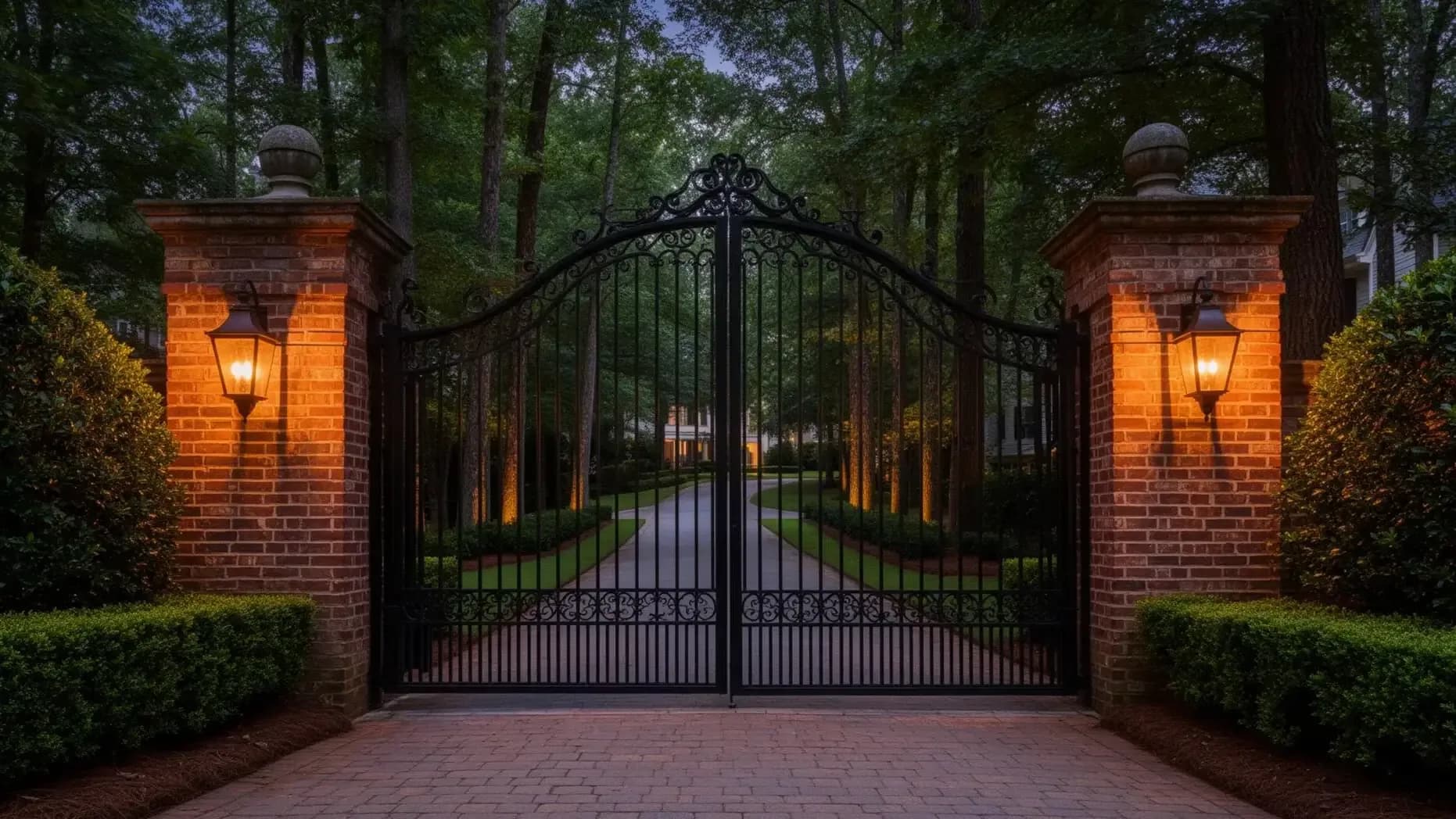
Walkable-urban means Midtown high-rises and the historic in-town neighborhoods east of them. Estate means Buckhead: gated drives, mature hardwoods, homes measured in acres rather than square feet. Golf and gated means the northern suburbs, where staffed gatehouses and country club fairways organize entire communities.
Most transplants assume they will recreate the life they had. In practice, about half switch categories, because a budget that bought a two-bedroom co-op in Manhattan suddenly buys a choice, and choices change people. So tour all three before you decide. The rest of this guide walks through each one the way I would on a showing day.
Path One: Walkable-Urban (Midtown and Virginia-Highland)
If the thought of driving to dinner makes you wince, start here. Midtown is the closest thing Atlanta has to a true vertical neighborhood: office towers, the High Museum, Piedmont Park, MARTA rail, and dozens of restaurants within a fifteen-minute walk. The condo market runs roughly $800K to $5M+, which means $2M buys a large, high-floor residence with skyline views, and in some buildings it reaches the penthouse tiers. Full-service buildings with 24/7 concierge staff also solve the lock-and-leave problem for buyers who still keep a place up north.
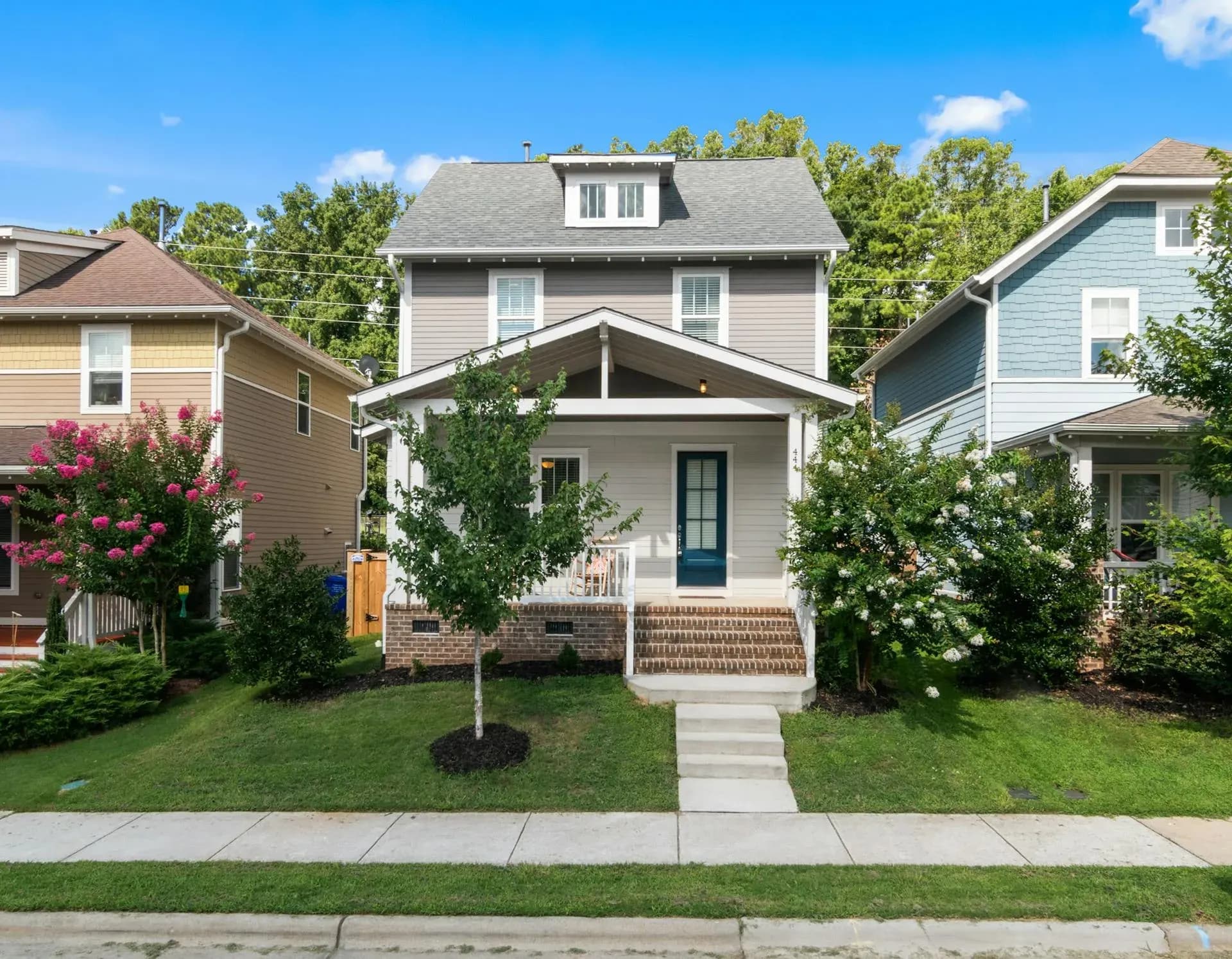
Virginia-Highland is the other half of this path, and it is the neighborhood I show buyers who loved brownstone Brooklyn or Boston's streetcar suburbs. Craftsman bungalows and foursquares from the 1910s and 1920s line sidewalks that actually lead to shops and restaurants on Highland Avenue. Quality renovated homes have typically traded in the $1.3M-$2.2M range, with new modern builds at $2M-$3M+. Your budget does not buy a mansion here. It buys a finished historic house on a real street in a neighborhood people walk through on purpose.
The honest trade-off: in-town lots are small, driveways are tight, and you are paying for location rather than volume. Buyers coming from 1,400-square-foot apartments rarely care. Buyers dreaming of a pool and a six-car garage should keep reading.
Path Two: The Estate Play (Buckhead)
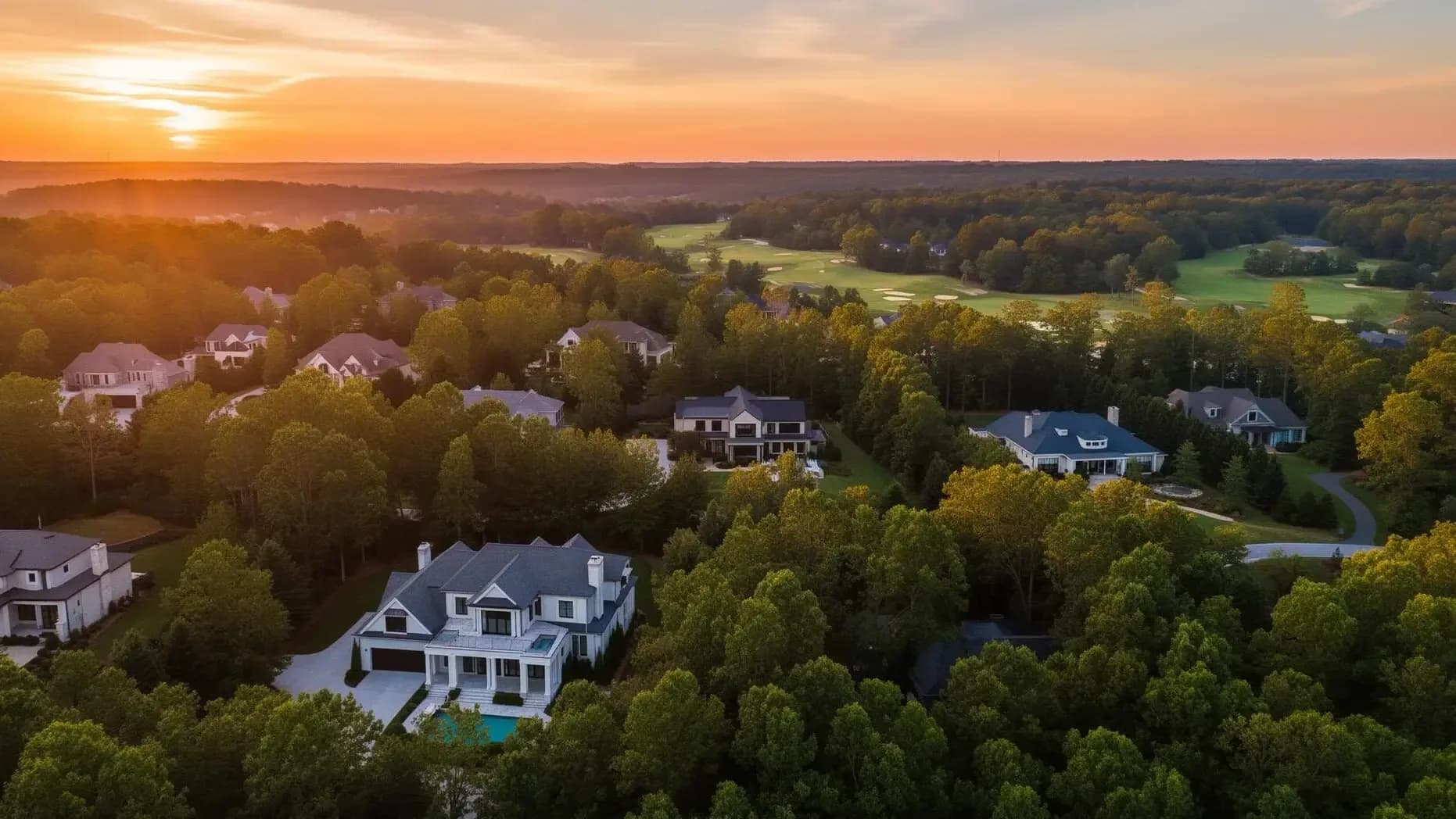
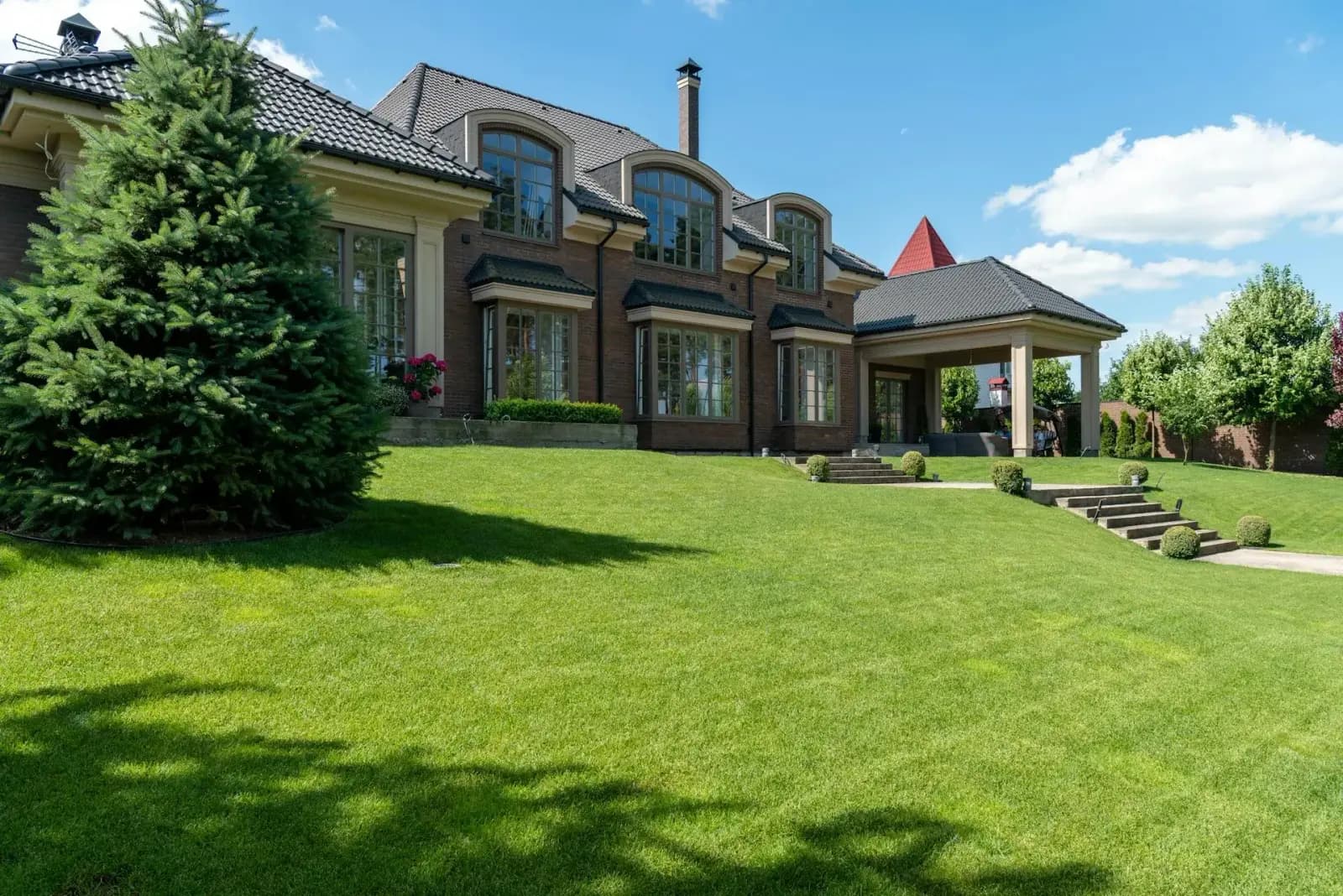
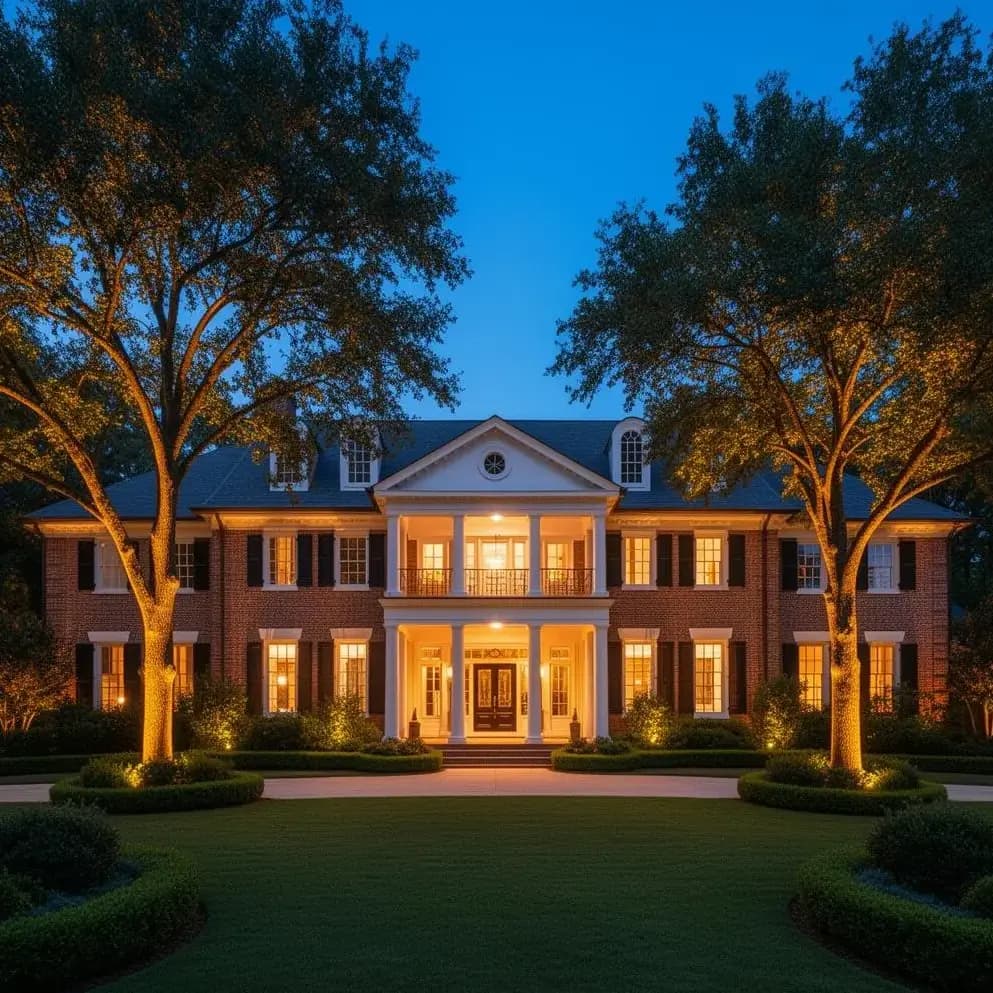
Buckhead is where the $2M budget does something it simply cannot do in the Northeast: it buys an estate. Not a big house on a quarter acre. An estate, with a gated drive, specimen trees older than the city itself, and rooms you have not furnished yet.
Buckhead's core luxury segment has typically run $1M-$3M, which puts a $2M buyer in the middle of the real inventory rather than at the bottom of it. The most storied streets, Tuxedo Park chief among them, climb well past that, and it helps to understand the gradient: the closer you get to the West Paces Ferry corridor, the more the land itself carries the price. North Buckhead and the streets around Chastain Park generally deliver the most house per dollar while keeping the address.
Who chooses this path? Buyers who hosted Thanksgiving in a dining room that seated eight and want one that seats twenty. Executives who entertain. Anyone who has spent twenty years in a co-op board's shadow and wants land with no one above, below, or voting on their renovation. The trade-off is the car: Buckhead's estate streets are gracious, not walkable, and daily life runs through a windshield.
One nuance Northeast buyers miss: Buckhead's grandest streets are open estate streets, not gated subdivisions. Individual homes have their own gates. If a staffed community gatehouse is the requirement, that points you north, to path three.
Path Three: Golf, Gates, and Acreage (North Fulton and Beyond)
If your reference point is Westchester, Fairfield County, or the horse-country stretches of New Jersey, the northern suburbs will feel familiar in shape and startling in price. This is where Atlanta keeps its guard-gated golf communities, and $2M is a strong budget in almost all of them.
Johns Creek holds the flagship: Country Club of the South, where homes run $1M to $4.5M+ behind three staffed gates with 24/7 roaming security. Milton answers with The Manor, $1.2M to $4M+ on one-acre-minimum lots around Georgia's only Tom Watson course. Duluth's Sugarloaf Country Club wraps a TPC tournament venue and has historically offered a lower entry point. At $2M you are not scraping into any of these; you are choosing among substantial homes in the heart of each community.
Alpharetta and Milton outside the gates deserve a look too: newer construction, generous lots, and a downtown Alpharetta and Avalon scene that surprises transplants expecting suburban blandness. The full rundown of communities, fees, and club structures lives in our gated communities guide.
The trade-off here is distance. These communities sit 35 to 50 minutes north of Midtown without traffic, and traffic exists. Buyers working remotely or based along the GA-400 corridor rarely mind. Buyers with a daily downtown commitment should test the drive at 8 a.m. before falling in love.
The Map on One Table
Ranges reflect figures published across our neighborhood guides as of mid-2026 and shift over time. Treat them as orientation, not quotes.
| What You Value | Where to Look | What $2M Typically Gets You |
|---|---|---|
| Walkable streets, restaurants, no yard | Midtown | High-floor condos with skyline views; the Midtown market runs roughly $800K to $5M+, so $2M reaches serious view corridors and some penthouse tiers |
| Historic character you can walk from | Virginia-Highland | Renovated craftsman and bungalow streets; quality updated homes have typically run $1.3M-$2.2M, with modern builds at $2M-$3M+ |
| Estate lots, mature trees, privacy | Buckhead | Entry into the estate market; Buckhead's core luxury segment has typically run $1M-$3M, with trophy streets climbing well past that |
| Golf and a staffed gate | Johns Creek, Milton, Duluth | A mid-community position at Country Club of the South ($1M-$4.5M+) or The Manor ($1.2M-$4M+), often on an acre or more |
| Newer construction and space to grow | Alpharetta, Milton | Large newer homes in the $1M-$3M band, with more square footage per dollar than nearly anything comparable in the Northeast |
See All Three Atlantas in One Weekend
We plan fly-in tours for relocating buyers: a private, pre-scheduled route through the in-town streets, the Buckhead estates, and the gated communities up north, including private opportunities available on request. You land Friday, you leave Sunday knowing which Atlanta is yours.
The Money Side of the Map
The housing arbitrage gets the headlines, but the recurring costs are what change your monthly life. Start with income tax: Georgia's flat rate sits at roughly 4.99 percent. New York's brackets run up to 10.9 percent, and New York City residents pay a city tax on top. For a high-earning household, the annual gap can fund a very nice mortgage payment by itself. Boston buyers see a smaller income-tax delta, but the housing-dollar difference does most of the work; our Boston to Atlanta guide walks through that move specifically.
Property taxes are the second lever. Transplants from Westchester, Long Island, and New Jersey are often startled by the annual bills on comparable Atlanta homes, in a good way. The caveat: bills on a $2M home here are still substantial, they vary by county and exemption status, and a Fulton County estate and a Forsyth County golf community can tax quite differently. Model the actual property, not the state average.
Third, carrying costs shift shape. In-town condo buyers trade the co-op maintenance bill for HOA dues that typically fund concierge, amenities, and reserves. Gated-community buyers in North Fulton typically pay HOA fees in the low thousands per year, with country club membership as a separate, optional line in most communities. None of it approaches what a Park Avenue co-op extracts monthly, but it belongs in the spreadsheet.
The Translation Guide
After enough of these relocations, patterns emerge. They are not rules, but they are useful starting points when the map feels overwhelming.
Buyers leaving a full-service Manhattan or Back Bay building usually start in Midtown towers and often stay there. Brownstone Brooklyn and Cambridge people gravitate to Virginia-Highland and its neighboring historic streets. Upper East Side formality translates to Buckhead almost one to one. And households leaving Westchester, Greenwich, or Short Hills tend to feel at home the moment a Johns Creek or Milton gatehouse waves them through, because the life inside is the life they had, at a different price per square foot.
The buyers who struggle are the ones who never articulated what they actually valued about the old address. If it was the restaurants, path one. If it was the ambition of the house itself, path two. If it was the club, the course, and the cul-de-sac, path three. Get that answer right and the neighborhood picks itself.
How the Fly-In Weekend Works
Most of our Northeast buyers cannot spend six weekends exploring. So we compress the map into one trip, built in advance around your shortlist and price band.
Friday afternoon: land, then walk Midtown and Virginia-Highland while the neighborhoods are doing what they do best, which is dinner. You learn more about in-town Atlanta between 6 and 9 p.m. than in any daytime showing. Saturday: Buckhead, starting with the estate corridors so you calibrate the top of the market, then the specific homes we have scheduled, typically four to six private showings. Sunday: north on GA-400 for the gated communities, where we arrange gate access ahead of time so you see real streets and real listings, not just the clubhouse tour.
By Sunday evening, nearly every buyer has eliminated at least one path and ranked the other two. That clarity is the entire point. The remote closing logistics, from video re-tours to coordinating inspections from 900 miles away, are routine for us at this point.
Choosing Your Atlanta
A final piece of advice from years of these moves: do not buy the arbitrage, buy the life. The square-footage math is intoxicating, and it tempts buyers into estates they did not actually want because the price made them feel brilliant. The transplants who are happiest two years in are the ones who matched the neighborhood to their habits, then let the value be a bonus.
Atlanta will hand you more house, more land, and a lighter tax bill almost anywhere you land. The map exists so you also end up somewhere that feels like yours.
What Transplants Ask Us on the First Call
Can we do this without flying down first?
You can, and buyers do close remotely with video tours and local eyes on every detail. But one in-person weekend nearly always changes the shortlist, so we recommend it before going under contract, not after.
Should we rent for a year first?
It is a reasonable hedge if you genuinely cannot choose a path. The cost is moving twice and shopping in whatever market exists a year from now. Most buyers who tour all three paths in person feel confident enough to skip the rental year.
What do you wish more Northeast buyers knew?
That Atlanta's luxury market moves on relationships and preparation more than on speed. The best estates and gated-community listings sometimes trade quietly, and a buyer who has told us exactly what they want hears about those homes first.
Frequently Asked Questions
Is $2 million enough to buy in Buckhead?
Typically yes. Buckhead's core luxury segment has historically run $1M-$3M, so a $2M budget puts you squarely in the estate conversation, though the most storied streets like Tuxedo Park climb well beyond that. The same budget in Manhattan or Boston's Back Bay generally buys a fraction of the square footage.
Which Atlanta neighborhood feels most like Brooklyn?
Buyers who loved brownstone Brooklyn usually respond to Virginia-Highland and the surrounding in-town streets: historic housing stock, sidewalks that lead somewhere, and independent restaurants. It is lower-rise and greener than Brooklyn, but the walk-to-dinner rhythm translates.
How does Georgia income tax compare to New York?
Georgia's flat income tax sits at roughly 4.99 percent, while New York's top rates run up to 10.9 percent before New York City adds its own city tax. For high earners, the annual difference can be substantial, though you should confirm your specific situation with a tax professional.
Do I need a car if I move to Atlanta from NYC?
In most of Atlanta, yes. Midtown is the strongest car-light option, with offices, restaurants, Piedmont Park, and MARTA rail within walking distance. Virginia-Highland is walkable for daily life but most households still keep a car. Buckhead and North Fulton are car-first territory.
Are property taxes lower in Atlanta than in the Northeast?
Often meaningfully so, especially compared with Westchester, Long Island, and much of New Jersey, where annual bills on comparable homes can be dramatically higher. That said, taxes on a $2M Atlanta home are still real money and vary by county and exemptions, so model the specific property before you commit.
How does a fly-in weekend tour work?
We build a two-to-three-day itinerary around your shortlist: in-town neighborhoods one day, Buckhead estates the next, North Fulton gated communities after that. We schedule private showings in advance, including homes that are not publicly marketed when appropriate, so a single weekend replaces months of scattered trips.
Ready to See the Map in Person?
Tell us your budget, your timeline, and what you loved (and did not) about your Northeast address. We will build the fly-in weekend around it, private showings and gate access included.
Explore These Neighborhoods
"Buying a home remotely seemed impossible, but the team handled everything. Video tours, detailed neighborhood breakdowns, even coordinating inspections when we couldn't be there. Seamless."
Andrew and Rachel P.
Relocated to Atlanta, bought from out of state
Ready to find out which Atlanta fits the life you are moving toward?

Disclaimer: This article is for educational purposes only and does not constitute financial, legal, or tax advice. Price ranges and tax rates change frequently and vary by individual circumstances. Consult qualified professionals before making relocation or purchase decisions.