
Atlanta Relocation Specialists
New York to Atlanta,
Backed by Real Numbers
Many families leaving New York's dense, high cost of living often find Atlanta offers more space, strong schools, and lasting value for what they spend.
Start Your Atlanta Search
Tell us about your move from New York and we'll send a tailored neighborhood and school shortlist.
We reply within one business day. Phone is optional, and we never share your information.
The Short Version
- The New York metro is home to about 19.9 million people versus metro Atlanta's roughly 6.4 million, so Atlanta trades density for space and single-family homes as the norm.
- Your housing dollar goes dramatically further: what buys a one-bedroom in Manhattan can purchase an estate in Atlanta's best neighborhoods, with yards, garages, and outdoor living standard.
- Income tax actually drops: New York runs up to 10.9 percent plus NYC city tax, while Georgia's flat roughly 4.99 percent sits well below that, freeing up real monthly cash flow.
- Upper East and West Side buyers map to Buckhead, Brooklyn Heights and Park Slope to Virginia-Highland and Druid Hills, and Westchester to Sandy Springs, Dunwoody, and Brookhaven.
- The biggest adjustment is driving: Atlanta is a car city. Transit serves some corridors, but plan on a car, offset by free parking, cheaper gas, and easier mobility.
By the Numbers
New York and Atlanta, Side by Side
The honest, sourced comparison most relocation pages skip. Each figure is current and cited; the details follow in the sections below.
Sources: U.S. Census Bureau (2024 to 2025 metro estimates), Zillow Home Value Index (typical home value, early 2026, shifts monthly), state Departments of Revenue and the Tax Foundation (income tax, 2026), the Metro Atlanta Chamber (2025 employer data), and airport authorities. Figures are current as of mid-2026; verify time-sensitive numbers for your situation.
Macro Comparison
Atlanta vs New York, the Big Picture
The contrast between these metros is among the starkest in American geography. Understanding the fundamental differences frames everything else.
Cost of Living
Among the highest in the nation. Housing costs consume disproportionate income. Space is a luxury. Everyday expenses such as dining, transportation, and childcare carry significant premiums.
Dramatically lower across nearly every category. The same income provides substantially different lifestyle access. Space becomes standard rather than exceptional.
Housing Reality
Apartments dominate. Single-family homes require outer boroughs or suburbs with long commutes. Square footage is precious and priced accordingly. Outdoor space is rare.
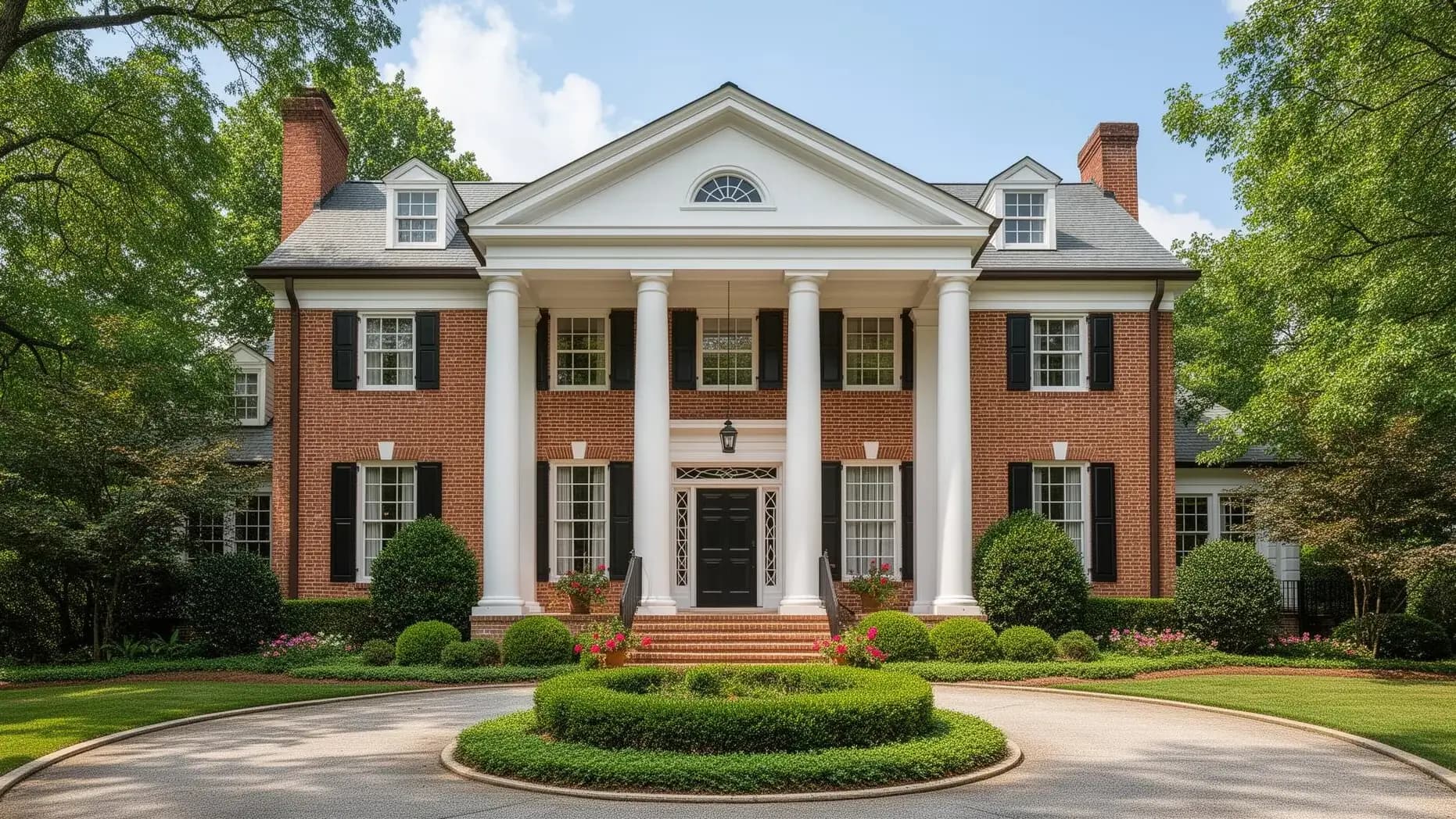
Single-family homes are the norm. Yards, garages, and space are expected. What buys a one-bedroom in Manhattan purchases an estate in Atlanta's best neighborhoods.
Career Outlook
Unmatched density for finance, media, fashion, and certain industries. Career ceiling potential is high. Competition is intense. Remote work has loosened geographic requirements for many.
Growing corporate headquarters presence. Strong in logistics, healthcare, entertainment, and expanding tech sector. Lower competition for equivalent roles. Career trajectory can accelerate.
Connectivity
Three airports with extensive options. International access is excellent. Domestic connections require transfers for many destinations.
World's busiest airport. Direct flights to nearly everywhere domestically. Strong international network. Business travel becomes significantly simpler for most destinations.



Housing Markets
Real Estate Comparison
What NYC Buyers Are Used To
- Co-op boards, approval processes, and extensive financial scrutiny
- Price per square foot as the primary value metric
- Compromising on space, light, or location, choosing two of three
- Building amenities as lifestyle compensation for small units
- Maintenance fees and assessments as significant ongoing costs
How Atlanta Differs
- Straightforward purchasing of single-family homes and luxury homes without board approvals
- Total value assessment: land, home, neighborhood, school districts
- More homes for sale across metro Atlanta at every price point
- Private amenities such as pools, yards, and outdoor living are standard
- Property taxes and insurance replace maintenance fee structures
See Where You'd Live
Your New York Neighborhood, Translated to Atlanta
New to Atlanta? Start here. Each area below is a close match to a place you already know in New York. Tap any one to explore homes and details.





Living Here
Lifestyle Adjustments
Pace and Energy
Atlanta moves slower than New York, intentionally and unapologetically. The adjustment can feel like relief or restlessness depending on your wiring. Most transplants settle into appreciation within six months.
Driving Culture
This is the biggest adjustment. Atlanta requires a car. Public transit exists but doesn't replicate NYC's subway utility. Walking and biking are neighborhood-specific rather than citywide. Plan for this shift.
Dining and Entertainment
Excellent but distributed differently. NYC's density of options doesn't exist anywhere else. Atlanta has comparable quality across cuisines, you'll just drive to them. The food scene is strong and growing.
Social Dynamics
Southern hospitality is real but different from NYC directness. Social integration takes more intentional effort. The transplant community is substantial, and you'll find fellow New Yorkers easily.
Space and Nature
Having a yard is revelatory for many NYC transplants. Access to trees, green space, and outdoor living changes daily life. Weekend escapes to mountains or coast are genuinely accessible.

Avoid These
Common Relocation Mistakes
Underestimating the Space Adjustment
Having more room than you know what to do with is disorienting. Many NYC transplants under-furnish initially and gradually realize they need to think differently about how they use space.
Choosing Location Without Driving It
A neighborhood that looks good on paper may not work for your specific commute pattern. Drive the routes at the times you'd actually be traveling before committing.
Over-Urbanizing the Search
Some NYC transplants focus only on Midtown or Buckhead to maintain urban density. This ignores Atlanta's best value proposition: suburban quality of life with reasonable urban access.
Expecting NYC Transaction Speed
Atlanta closings typically take 30-45 days. The pace is more measured. This isn't dysfunction, it's a different market rhythm. Adjust timeline expectations accordingly.
Dismissing 'The Suburbs'
Atlanta's suburbs aren't like Long Island or Westchester suburbs. They're often closer, offer genuine community infrastructure, and represent where much of Atlanta's quality of life resides.
Not Considering Property Tax Variation
NYC has predictable (if high) property taxes. Atlanta's vary significantly by county, city, and district. Similar homes in different jurisdictions have meaningfully different tax obligations.
Smart Approach
Relocation Strategy
Timing Your Exit
NYC lease cycles create natural transition points. Selling a co-op or condo takes time. Start Atlanta exploration 6-9 months before your target move date to align logistics and avoid rushed decisions.
Consider Renting First
For NYC natives who've never experienced another city, renting in Atlanta for 6-12 months is genuinely valuable. It prevents locking into a neighborhood that doesn't fit after the novelty wears off.
Arbitrage Your Equity
NYC property equity translates into significant Atlanta purchasing power. Many transplants find they can buy substantially more while simultaneously reducing their monthly housing costs.
Learn to See Differently
NYC teaches you to evaluate apartments. Atlanta requires learning to evaluate houses, lots, neighborhoods, and school districts. Different skills, different criteria. We help translate.
Client Reviews
What Our Clients Say
“They made buying from out of state effortless.”
Buying a home remotely seemed impossible, but the team handled everything. Video tours, detailed neighborhood breakdowns, even coordinating inspections when we couldn't be there. Seamless.
Meet Your Team
Local Expertise, Personal Service

Featured Agent
David Wilson
Luxury Real Estate Advisor
Georgia Real Estate License #334679
David brings nearly two decades of Atlanta market expertise and a distinctive background, from building a multinational healthcare company to representing high-profile clients in Atlanta's film and entertainment industry, sourcing luxury estates for production executives with exacting standards.
Having called Old Fourth Ward home for 17 years, he's witnessed Atlanta's transformation firsthand. His deep understanding of what drives value, from emerging neighborhoods to Beltline influence and arts district momentum, informs every client conversation.
Areas of Focus
Next Steps
Ready to Find Your Dream Home in Atlanta?
Our real estate agents and dedicated buyer's agents specialize in helping relocating families from New York. Schedule a complimentary consultation to start your home search across metro Atlanta's best neighborhoods, luxury homes, and single-family homes.
Schedule a Complimentary Consultation
Tell us about your move from New York and we'll start your personalized home search in Atlanta.
We reply within one business day. Phone is optional, and we never share your information.
What Your Budget Buys
Home Prices, New York vs Atlanta
New York's typical home value is about $813,000 (Zillow, early 2026). Here is what metro Atlanta's submarkets cost, from the median to the luxury tier.
Metro Atlanta
- Metro Atlanta (overall)$373,000
- Johns Creek$651,000
- Alpharetta$656,000
- Brookhaven$735,000
- Druid Hills$757,000
- Milton$860,000
- Buckhead$620K to $1.3M+
Reading the Numbers
That equity goes much further in Atlanta, reaching premium submarkets like Buckhead and Milton with far more space and land per dollar.
Source: Zillow Home Value Index (typical home value), early 2026. Figures shift monthly.
The Honest Tax Picture
Income Tax, Worked Out
Georgia's flat 4.99% income tax is lower than New York's for most households, so the move typically reduces your state income tax. Here is the single-filer comparison.
Rounded estimates for a single filer using each state's 2026 tax brackets and standard deduction (Georgia is a flat 4.99% with a $15,000 deduction under HB 463). Local and city income taxes are not included. Sources: state Departments of Revenue and the Tax Foundation. An illustration, not tax advice.
Schools
Education: How the Districts Compare
For most relocating families this is the deciding factor. The short version: Atlanta's best public districts match New York's best, but quality varies more by address, so the specific school matters as much as the city.
New York Districts
- Westchester districts like Scarsdale and Long Island's Great Neck are among the region's most sought-after public schools.
- NYC's specialized high schools, led by Stuyvesant, admit students by the competitive SHSAT exam.
- Across the five boroughs and suburbs, quality varies sharply by district and zoned school.
Atlanta Options
- Forsyth County (Cumming): ranked among Georgia's top districts, about a 93% graduation rate
- North Fulton (Johns Creek, Milton, Alpharetta): Northview, Johns Creek, Milton, and Alpharetta High rank among Georgia's best
- Decatur City Schools: a small, highly regarded city system with its own identity
Atlanta also has a deeper private-school culture than many metros, with long-established options like Westminster, Pace Academy, Lovett, and Marist. Whichever direction you lean, we verify the exact public-school assignment for every home we show you, because in metro Atlanta two houses a few miles apart can feed very different schools.
Sources: Georgia Department of Education and US News district rankings (2025), plus state report cards for the origin metro.
Interactive Tool
Cost of Living Comparison
Loading comparison tool...
NYC → Atlanta
Frequently Asked Questions
Specific questions from New Yorkers considering the move to Atlanta.
How much will I save moving from NYC to Atlanta?
Housing costs are often considerably lower for equivalent quality and size, and overall cost of living typically follows depending on lifestyle. Many NYC transplants report being able to save more while enjoying a higher quality of life, or maintain their lifestyle while working less.
Can I live in Atlanta without a car?
Technically, in very specific neighborhoods such as Midtown and parts of Buckhead. Practically, for most people, no. Atlanta is a car city. Building this into your planning is essential. The upside: parking is free and abundant, gas is cheaper, and you'll develop a different relationship with mobility.
Is Atlanta diverse enough for a New Yorker?
Atlanta is one of America's most diverse cities, differently than NYC. It's a historically significant Black cultural capital with growing international communities. The diversity exists but is distributed differently across neighborhoods. Many New Yorkers find the cultural richness satisfying.
What about the arts and culture scene?
Smaller than NYC's, that's true everywhere. But substantial and growing. High Museum, Alliance Theatre, robust music scene across genres, active gallery district. The film industry brings creative energy. It won't replicate NYC, but it's not a cultural desert.
How bad is Atlanta traffic compared to NYC?
Different kind of bad. NYC is slow everywhere all the time. Atlanta has rush hour congestion on specific corridors, with flexibility at other times. With strategic location selection relative to work, you can minimize exposure. Many people's commutes improve despite driving.
Will I miss the seasons?
Atlanta has four seasons, milder than Northeast seasons. Winters are mild (some years, barely present). Springs and falls are exceptional. Summers are hot and humid. If you love harsh winters and dramatic seasonal change, that adjustment is real.
What neighborhoods do NYC transplants gravitate toward?
Buckhead and Midtown for those wanting urban proximity and luxury homes. Virginia-Highland and Decatur for Brooklyn vibes. Sandy Springs and Brookhaven for those ready for suburban quality with urban access. A knowledgeable real estate agent can guide your home search based on whether you're prioritizing top school zones and larger lots or seeking walkable urban living.
How do I sell my NYC place and buy in Atlanta simultaneously?
Several approaches work: cash bridge financing, contingent offers (more accepted in Atlanta than NYC), sale-leaseback arrangements, or sequential timing with temporary Atlanta rental. Our real estate agents help structure the buying process based on your specific situation and risk tolerance, coordinating your home search with your NYC sale timeline.
Is Atlanta too slow for a New Yorker?
Some people find the pace relief. Others feel restless. It depends on your relationship with NYC's intensity. Was it energizing or exhausting? Many transplants report initial adjustment followed by genuine appreciation. Those who thrive on chaos may need a transition period.
What do NYC transplants regret about moving to Atlanta?
Honestly: the walkability loss, specific NYC institutions (particular restaurants, cultural venues, neighborhoods), and sometimes the social directness of Northeast culture. What they rarely regret: the space, the cost savings, the lifestyle quality, and the ability to breathe.
More Relocation Guides
Explore Other City-to-Atlanta Guides
Sources and Methodology
Metro populations are U.S. Census Bureau estimates. Typical home values are Zillow Home Value Index figures from early 2026 and shift month to month. Income tax rates are from the relevant state Departments of Revenue and the Tax Foundation; Georgia is a flat 4.99% with a $15,000 standard deduction for 2026 (HB 463). Any tax figures assume each state's flat rate and standard deduction and are illustrations, not tax advice. Employer and Fortune 500 figures are from the Metro Atlanta Chamber (2025). Airport figures are from the respective airport authorities. School data reflects state report cards and US News district rankings (2025). Figures are current as of mid-2026; verify time-sensitive numbers for your own situation before making decisions.
Currently serving these Georgia locations
Atlanta
- Buckhead
- Peachtree Hills
- Peachtree Battle
- Garden Hills
- North Buckhead
- Brookwood Hills
- Chastain Park
- Midtown
- Ansley Park
- Virginia-Highland
- Morningside
- Inman Park
- Druid Hills
- Old Fourth Ward
- Candler Park
- West Midtown
- Tuxedo Park
Sandy Springs
- Riverside
- Dunwoody Panhandle
- Mount Vernon Woods
- High Point
- North Springs
- Lake Forrest
Alpharetta
- Windward
- Crabapple
- Avalon
- North Point
- Mansell Crossing
Milton
- White Columns
- Birmingham
- Hopewell
- Fowler Springs
- Milton Estates
Johns Creek
- Ocee
- St. Ives
- Bellmoore Park
- Country Club of the South
Roswell
- Historic Roswell
- Riverside
- East Roswell
- Crabapple
Decatur
- Oakhurst
- North Decatur
- Winnona Park
- East Lake
Brookhaven
- Historic Brookhaven
- Lynwood Park
- Brookhaven Village
- Drew Valley
Dunwoody
- Georgetown
- Perimeter Summit
Marietta
- East Cobb
- Indian Hills
- Mountain Park
- West Highlands
Smyrna
- Market Village
- Belmont Hills
- Nickajack
Vinings
- Historic Vinings
- Vinings Estates
- Hillandale
Suwanee
- Providence
- Town Center
- Suwanee Dam
Duluth
- Berkeley Lake
- Sugarloaf
- Town Green
Peachtree Corners
- The Forum
- Technology Park
- Simpson Park
Norcross
- Historic Norcross
- Sugarloaf Estates
- Hamilton Mill
Canton
- Ball Ground
- Hickory Flat
- Lake Allatoona
Woodstock
- Downtown Woodstock
- Towne Lake
- Bridgemill
Cumming
- Sawnee
- Chestnut
- Vickery
South Metro
- Jonesboro
- Forest Park
- Morrow
- McDonough
- Stockbridge
West Metro
- Douglasville
- Lithia Springs
- Chapel Hill
Peachtree City
- Braelinn
- Kedron
- Glenloch
- Fayetteville
Gainesville
- Lake Lanier
- Flowery Branch
- Oakwood
Braselton
- Chateau Elan
- The Legends
- Traditions