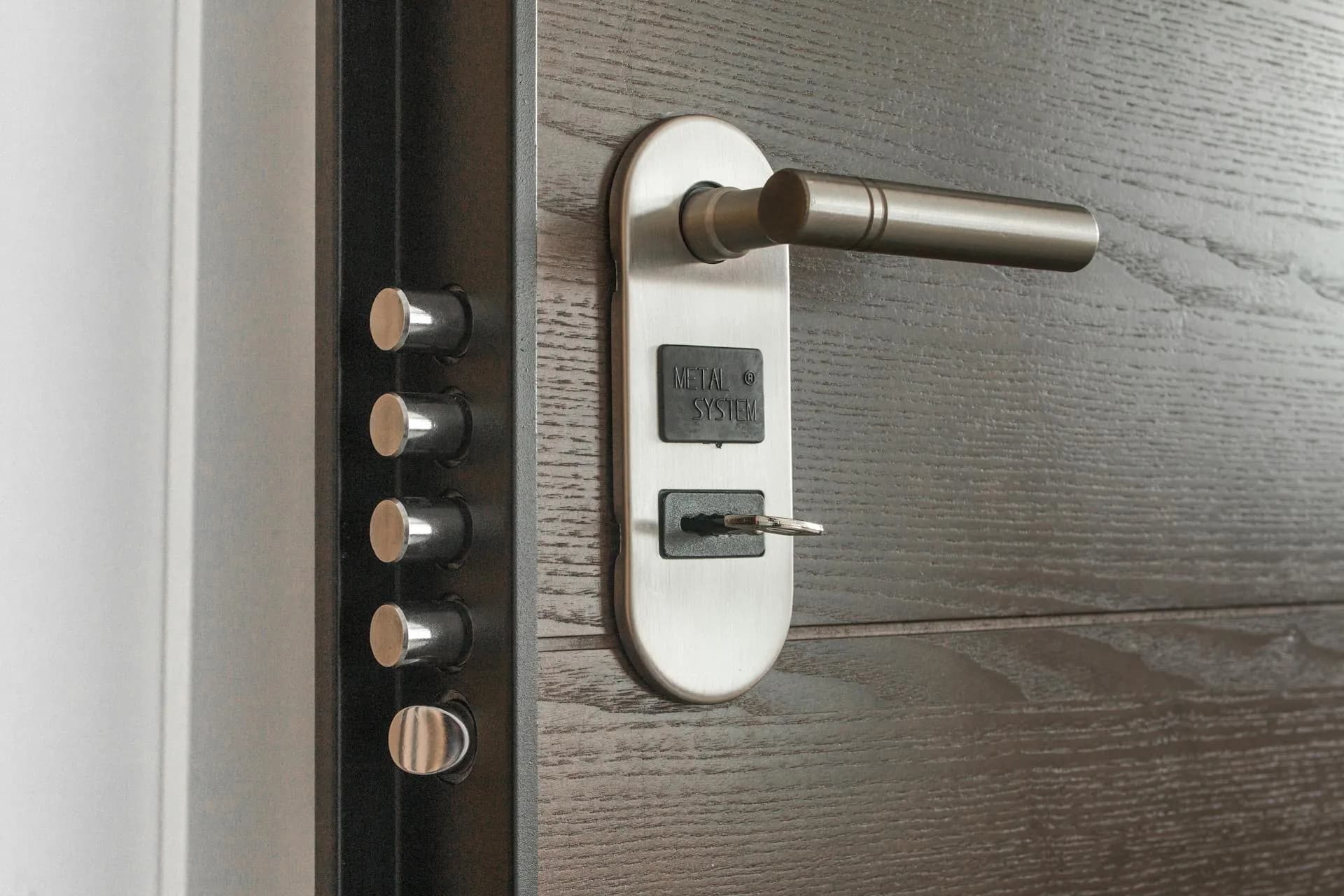
When you own a luxury home in Atlanta, security and privacy are not afterthoughts. They are core features of the property, as fundamental as the kitchen or the primary suite. Yet many high-value homes are either over-built with flashy gear that does not work together, or under-protected because the owners assumed a nice neighborhood was enough.
This guide covers the security and privacy features that actually matter for Atlanta luxury homes. We are talking about practical systems, proven technologies, and design choices that protect your property, your family, and your peace of mind without turning your home into a compound.
Why Luxury Homes Need More Than a Standard Alarm
According to FBI Uniform Crime Report data, burglary rates have declined nationally over the past two decades, but high-value properties remain disproportionately targeted. Homes with visible indicators of wealth (expensive vehicles, large lots, high-end finishes visible from the street) attract attention. In metro Atlanta, the Atlanta Police Department and Fulton County Police both report that residential burglaries in affluent areas tend to be more organized and targeted than random break-ins.
A basic alarm system with door and window sensors is a starting point, but it is not sufficient for a property worth $1.5 million or more. A standard alarm tells you that someone has already entered your home. A well-designed security system prevents entry, detects threats early, and gives you time to respond.
Privacy is a separate but equally important consideration. High-profile homeowners, business executives, and public figures need to control who can see their property, when, and from where. Even for homeowners who are not public figures, privacy from street traffic, neighboring properties, and solicitors adds meaningful quality of life. Our look at where professional athletes live in Atlanta shows how privacy shapes the neighborhoods these buyers choose.
Privacy a priority for your search?
Gated, guard-gated and estate-lot privacy are different things at different prices. We will match the level you actually need.
Perimeter Security: Your First Line of Defense
Gates and Access Control
A gated entry is one of the most effective deterrents for residential properties. For luxury homes in Atlanta, gates range from simple automated driveway gates ($5,000 to $15,000 installed) to estate-grade entry systems with guardhouses, vehicle recognition, and video intercom ($30,000 to $100,000+).
The gate itself matters less than the access control system behind it. The best setups include video intercom with remote viewing (so you can see and speak with visitors from your phone), license plate recognition that automatically opens the gate for registered vehicles, integration with your home automation system for logging all entry and exit events, and a manual override that works during power outages.
In Buckhead and other Atlanta luxury neighborhoods, wrought iron gates with brick or stone pillars remain the most popular style. They provide security without the imposing look of solid steel barriers. Many homeowners associations in gated communities have specific guidelines on gate design and materials. For buyers weighing a community with a staffed entrance against one with an unattended gate, our comparison of guard gated versus gate-only Atlanta communities breaks down what each level of access control provides.
Fencing and Walls
Effective perimeter fencing does not have to look like a prison. In Atlanta's luxury market, the most common approaches include decorative wrought iron fencing (4 to 6 feet tall) combined with dense landscaping, masonry walls with cap details along property frontage and iron fencing along side and rear boundaries, and estate fencing with integrated lighting.
Per Atlanta city code, residential fences in the front yard are limited to 4 feet in height, while side and rear fences can be up to 8 feet. DeKalb and Fulton County unincorporated areas have slightly different rules. Always verify local regulations before installation.
Perimeter Lighting
Well-designed exterior lighting serves double duty as both an aesthetic feature and a security tool. Motion-activated LED fixtures along driveways, walkways, and building perimeters eliminate dark zones where intruders could approach undetected. The key is coverage without light pollution.
Low-voltage landscape lighting along paths and garden beds creates ambient visibility, while higher-intensity motion-triggered floods on building corners and garage areas activate only when movement is detected. The best systems tie into your home automation platform so you can program lighting scenes that simulate occupancy when you travel.
Surveillance Systems: Seeing Everything, Missing Nothing
Surveillance is the backbone of any luxury home security system. A properly designed camera layout provides full coverage of every entry point, driveway approach, and outdoor living area. Here is what to prioritize:
Camera Placement
At minimum, a luxury home should have cameras covering the front door and porch area, driveway and garage entry, all exterior doors (side, rear, mudroom, pool house), backyard and pool area, and any detached structures (guest houses, workshops, carriage houses). For larger estates, add cameras at the property gate, along the perimeter fence line, and at any service or delivery entry points.
Camera Specifications
For a property worth seven figures, consumer cameras from retail stores are not adequate. Look for 4K resolution or higher for clear facial and license plate identification, wide dynamic range (WDR) to handle shadows, bright spots, and mixed lighting conditions, infrared or thermal night vision effective to at least 100 feet, weatherproof housings rated IP66 or IP67, and on-premises NVR (network video recorder) storage with a minimum of 30 days of footage retention.
Professional-grade manufacturers like Axis Communications, Hanwha Techwin, and Verkada offer systems designed for residential estate applications. These systems integrate with home automation platforms and provide reliable remote viewing from phones and tablets.
Analytics and AI Features
Modern surveillance systems go well beyond simple recording. Advanced analytics features include person detection (distinguishing humans from animals or vehicles to reduce false alerts), facial recognition for family members and known visitors, vehicle identification and license plate capture, line-crossing alerts that notify you when someone enters a defined zone, and loitering detection for identifying unusual behavior near entry points.
Per industry data from the Security Industry Association, AI-powered analytics reduce false alarm rates by up to 90% compared to traditional motion detection, which is a significant quality-of-life improvement for homeowners who do not want to be pinged every time a squirrel crosses the driveway.
Access Control: Who Gets In and When
Smart Locks and Keyless Entry
Smart locks have matured significantly over the past five years. For luxury homes, the current best options combine physical durability with sophisticated access management. Look for locks that offer multiple authentication methods (code, fingerprint, phone, key fob), the ability to create temporary codes for housekeepers, contractors, and guests, automatic locking after a set time, and integration with your home automation and surveillance system.
High-end residential locks from manufacturers like Yale, Schlage, and August provide ANSI Grade 1 security ratings (the highest commercial standard) with smart features. For primary entry doors on luxury homes, consider locks with both electronic and traditional key backup to ensure access during power or network failures.
Interior Zone Control
For larger homes with staff, guests, or rental spaces, interior zone control adds another layer. This means different areas of the home can have separate access requirements. A wine cellar, gun room, safe room, or home office can require a separate code, fingerprint, or key card even after someone has entered the main residence.
This is especially relevant for Atlanta homeowners who employ housekeepers, nannies, personal chefs, or other household staff. You can grant access to common areas while restricting access to private wings, offices, or storage areas.
Garage and Service Entry
Garage doors are one of the most common entry points for residential burglaries, according to the Bureau of Justice Statistics. Smart garage controllers that integrate with your security system allow you to monitor whether the garage is open or closed, receive alerts if the garage is left open after a set time, automatically close the garage at a scheduled time each night, and view a camera feed of the garage interior from your phone.
Buy a Home That Already Supports the Privacy You Want
Gated approaches, deep setbacks, and wired infrastructure are far easier to buy than to add later. We can identify Atlanta properties where the site and the systems already fit a discreet routine.
See Private Estate Propertiesor call (770) 727-4052
Network Security: The Overlooked Vulnerability
A luxury home in 2026 may have 50 to 200 connected devices: cameras, locks, thermostats, lighting controllers, audio systems, appliances, and more. Every one of those devices is a potential entry point for a cyberattack. If someone gains access to your smart lock through a compromised network, your physical security is compromised too.
Network Architecture
The foundation of smart home security is the network itself. A properly designed residential network for a luxury home should include a commercial-grade firewall (not a consumer router), separate VLANs (virtual local area networks) for IoT devices, personal devices, and guest access, hardwired Cat6a or fiber backbone for all fixed devices (cameras, access points, entertainment systems), enterprise-grade Wi-Fi access points with WPA3 encryption, and a dedicated network rack in a climate-controlled utility closet.
Consumer mesh Wi-Fi systems are fine for a 2,000-square-foot home. They are not adequate for a 6,000 to 12,000-square-foot estate with dozens of connected devices and security-critical systems. The cost difference between consumer and professional networking equipment is modest (typically $3,000 to $8,000 more for professional gear) compared to the security and reliability improvements.
Ongoing Maintenance
A network is only secure if it is maintained. Firmware updates for cameras, locks, and other IoT devices should be applied promptly. Default passwords must be changed on every device. Two-factor authentication should be enabled on all accounts that support it. Some Atlanta homeowners contract with residential IT firms for quarterly security audits and maintenance visits, which typically cost $200 to $500 per visit.
Privacy Through Landscape and Architectural Design
The most effective privacy features do not look like security features at all. They are built into the landscape and architecture of the property.
Landscape Screening
In Atlanta's climate (USDA Zone 7b/8a), several evergreen species work exceptionally well for privacy screening. Leyland cypress grows rapidly (3 to 4 feet per year) and forms a dense visual barrier, though it has a limited lifespan of 20 to 25 years. Green Giant arborvitae is a better long-term choice, growing 3 feet per year with greater disease resistance. Nellie R. Stevens holly provides year-round screening with an attractive dark green color and red berries. For a more natural look, mixed plantings of evergreen and deciduous species create layered screening that looks intentional rather than defensive.
A landscape architect specializing in estate properties can design a screening plan that provides full privacy within three to five years of planting. Installation costs for a full screening plan on a luxury property typically run $15,000 to $50,000 depending on plant sizes, species, and site conditions.
Architectural Privacy
Home design itself can enhance privacy without sacrificing natural light. Courtyard floor plans orient living spaces inward around a private outdoor space, with minimal windows facing the street. Clerestory windows (high, narrow windows near the ceiling) bring in light without creating sightlines from outside. Frosted or textured glass in bathrooms and certain living areas provides light while blocking views.
Motorized window treatments (roller shades, draperies, or louvered shutters) controlled through your home automation system allow you to adjust privacy levels throughout the day with a button press or on a schedule. In primary bedrooms and home offices, blackout treatments with automated controls are increasingly standard in Atlanta luxury homes.
Sound Privacy
For homeowners near busy roads or in closer-set neighborhoods, sound privacy matters too. Dense landscaping acts as a natural sound buffer. Water features (fountains, cascading walls, or stream features) create white noise that masks traffic and neighbor sounds. For interior sound privacy, insulated interior walls, solid-core doors, and acoustic treatments in media rooms and home offices can make a significant difference.
Safe Rooms and Emergency Preparedness
Safe rooms have moved from Hollywood plots to standard features in many high-end homes. In Atlanta, where severe weather is a genuine concern (the metro area sees an average of 50 to 60 thunderstorm days per year, per NOAA data), a safe room can serve dual purposes: storm shelter and security refuge.
Construction Standards
FEMA Publication 320 provides design guidelines for residential safe rooms that can withstand EF5 tornado winds (250 mph). A room built to these standards also provides strong protection against home invasion. Key construction elements include reinforced concrete or steel-plate walls, a commercial-grade steel door with multiple locking points, independent ventilation or air filtration, backup communication systems (hardwired phone line, cellular signal booster, two-way radio), and emergency supplies (water, first aid, flashlights, battery backups).
Location and Concealment
The most common locations for residential safe rooms are the primary bedroom closet (easy access during nighttime emergencies), a basement room (strongest structural position), or a central interior room on the main floor. Some homeowners prefer concealed safe rooms with hidden entries behind bookcases, mirrors, or wall panels. This prevents intruders from knowing the room exists. Others prioritize quick, obvious access, particularly when children are in the home.
Cost and ROI
Safe room construction costs vary based on size and specifications. A basic FEMA-compliant storm shelter built into new construction typically adds $8,000 to $15,000. A fully equipped security and storm safe room with communication systems, supplies, and concealed entry runs $30,000 to $100,000. For homes above $3 million, a safe room is increasingly expected by buyers and may support the property's value at resale.
Professional Monitoring and Emergency Response
Even the best hardware is only as good as the response it triggers. Professional monitoring ensures that someone is always watching, even when you are not.
Central Station Monitoring
UL-listed central station monitoring provides 24/7 surveillance of your alarm system by trained operators. When a sensor trips, the monitoring station verifies the alarm (often using camera feeds and two-way audio), contacts you for confirmation, and dispatches police, fire, or EMS as needed. Monthly monitoring fees for luxury residential accounts typically range from $50 to $200, depending on the number of zones, camera feeds, and the level of service.
For the best response times in metro Atlanta, choose a monitoring provider that has a UL-listed central station and direct dispatch relationships with Atlanta PD, Fulton County Police, DeKalb County Police, and the relevant fire departments for your area.
Insurance Benefits
A professionally monitored security system can reduce your homeowner's insurance premium by 5% to 20%, according to the Insurance Information Institute. For a luxury home with an annual premium of $10,000 to $20,000, that translates to $500 to $4,000 in annual savings. Over time, the insurance savings alone can offset the cost of the monitoring service. For more on how security features affect your insurance costs, see our luxury home insurance guide.
What to Evaluate When Buying a Luxury Home
If you are shopping for a luxury home in Atlanta, use this checklist to evaluate the security and privacy infrastructure of any property you are considering:
Perimeter Assessment
Are there sight lines from the street into living areas? How visible is the home from neighboring properties? Is the driveway gated or open?
Existing Surveillance
Does the home have a camera system? What brand and age? Is wiring in place for adding cameras? Is there an NVR or cloud storage setup?
Network Infrastructure
Is the home wired with Cat6 or fiber? Is there a dedicated equipment closet? How many Wi-Fi access points, and are they enterprise-grade?
Access Control
What type of locks are on all entry points? Is there a smart lock system? Is the garage door controller integrated with the security system?
Privacy Screening
Is there mature landscaping providing visual screening? Are there gaps in coverage that would need planting? How long until new plantings reach full screening height?
Safe Room / Storm Shelter
Does the home have a safe room or storm shelter? If not, is there an interior room that could be converted? What would the retrofit cost?
A home with strong existing infrastructure saves you time and money. But even a home with minimal security can be upgraded. The critical factor is whether the wiring, network backbone, and physical layout support the systems you want to install. Retrofitting network cabling into a finished home is expensive ($10,000 to $30,000 depending on size), so a property that already has a hardwired backbone is a real advantage.
Contact our team if you need help evaluating properties. We work with security consultants and can connect you with the right professionals during your due diligence period.
Searching for a Secure Luxury Home in Atlanta?
We help buyers evaluate every aspect of a luxury property, including security infrastructure, privacy features, and smart home systems. Let us know what matters most to you.
Frequently Asked Questions
How much does a full security system cost for a luxury home in Atlanta?
A professionally installed, whole-home security system for a luxury property in Atlanta typically costs between $15,000 and $75,000 for the hardware and installation, depending on the size of the home and the level of sophistication. A 5,000-square-foot home with perimeter cameras, smart locks, alarm sensors, and a central monitoring panel may run $15,000 to $25,000. A 10,000-square-foot estate with commercial-grade surveillance, vehicle recognition, safe rooms, and integrated automation can exceed $50,000 to $75,000. Monthly monitoring fees typically range from $50 to $200 depending on the provider and service level.
Are gated communities in Atlanta more secure than non-gated neighborhoods?
Gated communities add a layer of access control, but they are not a substitute for a complete security plan. According to research published in the Journal of Planning Education and Research, gated communities may reduce certain types of property crime, but the effect varies based on gate staffing, access control quality, and overall community security protocols. In Atlanta, staffed gates with 24/7 guard presence (common in communities like Tuxedo Park and Country Club of the South) provide significantly more deterrent value than unmanned gates with keypad or remote entry. A gated community combined with a capable home security system provides the strongest protection.
What is the best surveillance camera system for a luxury home?
For luxury homes, commercial-grade IP camera systems from manufacturers like Axis, Hanwha (formerly Samsung Techwin), or Verkada offer the best image quality, reliability, and integration options. Look for cameras with 4K resolution or higher, wide dynamic range (WDR) for handling shadows and bright spots, infrared night vision to at least 100 feet, weatherproof housings rated IP66 or higher, and on-site network video recorder (NVR) storage with cloud backup. Avoid consumer-grade systems from big-box stores for properties valued above $1 million. The performance gap between professional and consumer systems is significant, especially for night recording and remote viewing reliability.
Do security features increase a home's resale value?
Yes, though the exact impact depends on the feature. According to data from the National Association of Realtors, homes with security systems sell for roughly 3% to 5% more than comparable homes without them, and they tend to sell faster. In the Atlanta luxury market, buyers increasingly expect certain security features as standard. A whole-home surveillance system, smart locks, and alarm monitoring are essentially baseline expectations for homes above $1.5 million. More advanced features like safe rooms, vehicle recognition gates, and cybersecurity infrastructure can differentiate a property and may support a premium at resale.
How can I improve privacy without building a wall around my property?
Landscape screening is the most effective and aesthetically pleasing approach. Evergreen plantings like Leyland cypress, Green Giant arborvitae, and holly varieties can create dense visual barriers that grow 15 to 30 feet tall. Strategic placement of ornamental grasses, berms (raised earth mounds), and water features can further buffer sightlines and road noise. Architectural elements like pergolas, trellised vines, and decorative fencing add privacy at ground level without the fortress appearance of a solid wall. Many luxury properties in Buckhead and Druid Hills use a layered approach: a low decorative fence or wall at the property line, backed by dense evergreen plantings, with specimen trees providing canopy coverage above.
What smart home security features should I look for when buying?
When evaluating a luxury home's smart security infrastructure, check for a hardwired network backbone (Cat6 or fiber), a dedicated security network separate from the household Wi-Fi, smart lock compatibility on all entry points, integration with a whole-home automation platform (Control4, Crestron, or Savant), automated lighting scenes that simulate occupancy, motorized window treatments for privacy control, and video intercom at all entry gates and doors. The underlying network infrastructure matters more than the individual devices, because devices can be upgraded easily but rewiring a home is expensive and disruptive.
Should I hire a private security consultant for my Atlanta home?
For properties valued above $3 million or for owners with elevated security concerns, a private security assessment is worth the investment. A qualified consultant will evaluate your property's vulnerabilities, recommend specific hardware and monitoring solutions, and develop protocols for everything from package deliveries to emergency response. In Atlanta, firms like Securitas, Allied Universal, and several boutique residential security consultancies offer this service. A professional assessment typically costs $2,000 to $5,000 and can save you from over-investing in the wrong areas or leaving gaps in your coverage.
How do I protect my home network and smart devices from hacking?
Cybersecurity is an increasingly important part of home security. Start by segmenting your network so that IoT devices (cameras, locks, thermostats) run on a separate VLAN from your personal computers and phones. Use a commercial-grade firewall and router rather than consumer equipment. Enable two-factor authentication on all smart home accounts. Keep firmware updated on all connected devices. Use unique, strong passwords for every device and account. Consider hiring a residential cybersecurity firm to audit your setup annually. The FBI's Internet Crime Complaint Center has noted increasing reports of smart home device compromises, making this a real and growing concern for high-value properties.
What is a safe room and does my luxury home need one?
A safe room (sometimes called a panic room) is a fortified space within the home designed to provide protection during a home invasion, severe weather, or other emergencies. Construction typically includes reinforced walls (steel plate or poured concrete), a solid-core steel door with commercial-grade locks, independent communication systems (landline phone, cellular signal booster), a dedicated air supply or filtration system, and emergency supplies. In Atlanta, safe rooms are increasingly common in homes above $3 million, particularly in neighborhoods without gated access. Construction costs typically range from $30,000 to $100,000 depending on size and specifications. FEMA provides design guidelines for storm shelters that can serve a dual purpose as security safe rooms.
What security features do gated communities in Buckhead typically include?
The most prestigious gated communities in Buckhead, such as those in the Tuxedo Park and Mount Paran areas, typically feature staffed guard gates with 24/7 presence, vehicle registration and visitor logging systems, perimeter fencing or walls with intrusion detection, security patrol vehicles making regular rounds, license plate recognition cameras at entry points, and direct communication links to local law enforcement. Some communities also maintain relationships with off-duty Atlanta Police Department officers who provide supplemental patrol. Community-level security supplements but does not replace individual home security systems. Most residents in these communities also maintain their own surveillance, alarm, and access control systems.

Sources
- FBI Uniform Crime Reporting (UCR) Program - National burglary statistics, property crime trends, and residential targeting patterns.
- Security Industry Association (SIA) - Industry data on AI-powered analytics false alarm reduction rates, surveillance technology benchmarks, and market trends.
- National Association of Realtors (NAR) - Research on security system impact on home resale value and buyer preferences for security features.
- Insurance Information Institute (III) - Data on insurance premium discounts for monitored security systems and loss prevention statistics.
- FEMA - Publication 320 safe room design guidelines, residential storm shelter construction standards, and wind speed resistance specifications.
- Bureau of Justice Statistics (BJS) - Residential burglary entry point statistics, victimization survey data, and property crime analysis.
- NOAA National Weather Service - Metro Atlanta severe weather frequency data, thunderstorm day averages, and tornado climatology for the Southeast.
- Journal of Planning Education and Research - Research on gated community effectiveness in reducing property crime rates.
Disclaimer: This article is for informational purposes only and does not constitute security, legal, or professional advice. Security system costs, specifications, and effectiveness vary based on property, equipment, installation, and individual circumstances. The Luxury Realtor Group does not sell, install, or service security systems. Mention of specific manufacturers or service providers does not constitute an endorsement. Consult with qualified security professionals for recommendations specific to your property and needs.