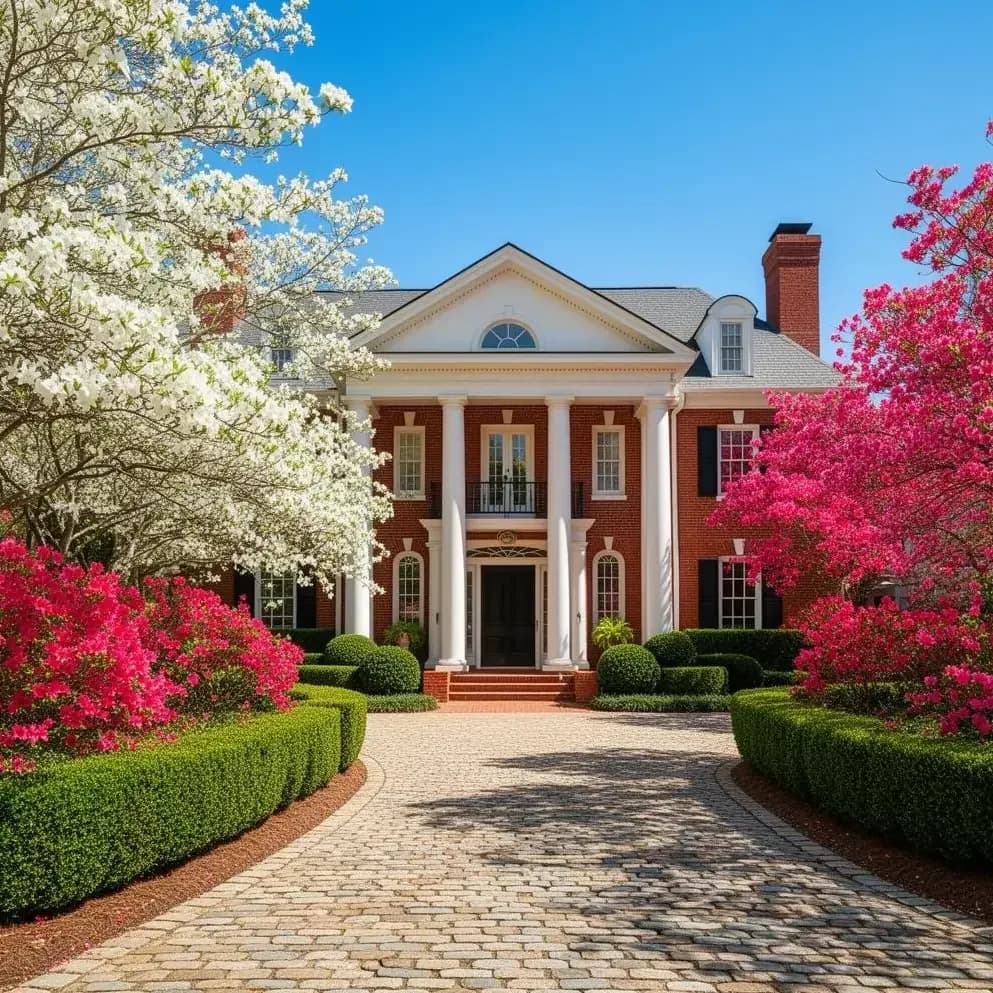
You spent months finding the right luxury home in Atlanta. You negotiated the price, closed the deal, and moved in. Now your $2 million property is protected by a standard homeowners insurance policy with a $500,000 dwelling limit and $2,500 in jewelry coverage. If a tornado rips off your custom slate roof or a burst pipe floods your hand-scraped hardwood floors, you are on the hook for the difference.
This happens more often than most people realize. According to the Insurance Information Institute (III), roughly 60% of American homes are underinsured by an average of 20%. At the luxury level, that gap can mean hundreds of thousands of dollars in unrecovered losses after a major claim.
High-value home insurance exists specifically to close that gap. Carriers like Chubb, PURE, AIG Private Client, and Cincinnati Insurance offer policies designed for homes valued at $1 million and above, with coverage features that standard policies simply do not include. If you own a luxury home in Atlanta, or you are buying one, understanding how these policies work is one of the most important financial decisions you will make as a homeowner.
Why Standard Homeowners Insurance Falls Short
Standard homeowners policies (HO-3 policies from carriers like State Farm, Allstate, and Liberty Mutual) are designed for average homes at average price points. They work perfectly well for a $350,000 ranch in Marietta. They do not work well for a $2.5 million estate in Buckhead with imported Italian marble, a chef's kitchen with commercial-grade appliances, and a climate-controlled wine cellar.
The core problem is replacement cost. Standard policies typically pay to rebuild your home based on a generic cost-per-square-foot estimate. But luxury homes are not built at generic costs. Custom millwork, specialty stone, hand-laid tile, architect-designed features, and imported materials all cost significantly more to replace than standard construction. A standard policy might estimate $150 per square foot to rebuild. Your actual rebuild cost could be $400 to $600 per square foot or more.
Where Standard Policies Fall Short on Luxury Homes
- Dwelling coverage caps: Standard policies cap at the stated dwelling limit (often well below true rebuild cost for luxury homes). If rebuilding costs $2.8 million and your policy caps at $2 million, you pay the $800,000 difference.
- Personal property limits: Standard policies typically cover personal property at 50% to 75% of the dwelling limit. For luxury homes filled with designer furnishings, art, and electronics, this is often inadequate.
- Valuable items sub-limits: Jewelry is typically capped at $1,500 to $2,500. Silverware at $2,500. Art at $2,500 to $5,000. If you own a $50,000 engagement ring or a $30,000 painting, those sub-limits leave you exposed.
- Water backup coverage: Most standard policies exclude or severely limit sewer and water backup damage. In Atlanta, where heavy rainstorms can overwhelm drainage systems, this is a real gap.
- Claims experience: Standard carrier claims processes are designed for volume, not for the complexity of a luxury home rebuild. High-value carriers provide dedicated adjusters who understand custom construction and specialty materials.
High-Value Home Insurance: The Carriers Worth Knowing
The high-net-worth (HNW) insurance market is a specialized segment with a handful of carriers that focus exclusively on insuring luxury properties. These are the names you will hear most often, and each one approaches the market slightly differently.
Chubb
Chubb is the largest and most well-known HNW insurance carrier in the United States. Their Masterpiece policy is the industry standard for luxury home coverage. Key features include guaranteed replacement cost (they rebuild your home regardless of the final price), cash settlement options (they pay you and you decide whether to rebuild), and broad personal property coverage. Chubb also offers risk consulting services where they send specialists to your home to identify risks before they become claims. Their claims satisfaction ratings are consistently among the highest in the industry, per J.D. Power survey data.
PURE (Privilege Underwriters Reciprocal Exchange)
PURE operates as a member-owned reciprocal exchange, meaning policyholders are also members who share in the underwriting results. This structure tends to keep premiums competitive because the company is not generating profit for outside shareholders. PURE offers guaranteed replacement cost, agreed-value coverage on scheduled items, and a particularly strong claims experience. They are known for a highly personalized approach, and their loss prevention team provides complimentary home risk assessments. PURE requires a minimum property value (typically $1 million in rebuild cost) and a minimum overall insurance program size.
AIG Private Client Group
AIG's Private Client division targets ultra-high-net-worth clients with homes valued at $1 million and above. Their policies include extended replacement cost (typically 150% of the dwelling limit), blanket coverage for personal property, and built-in coverage for identity theft and cyberbullying. AIG Private Client is particularly strong for clients who own multiple properties across different states or countries, as they can bundle everything under a single program with consistent coverage terms.
Cincinnati Insurance
Cincinnati Insurance is a strong regional option that competes well on price while offering many of the same features as the national HNW carriers. They offer guaranteed replacement cost on qualifying homes, broad personal property coverage, and solid claims service. Cincinnati writes through independent agents only, and their rates in the Southeast are often competitive with or below Chubb and PURE. They are worth including in your quote comparison, especially if you are price-sensitive but still want strong coverage.
What Luxury Policies Cover That Standard Ones Do Not
The difference between a standard HO-3 policy and a high-value home policy goes beyond the dollar amount on the declarations page. The coverage structure is fundamentally different. Here are the features that matter most for Atlanta luxury homeowners.
Guaranteed Replacement Cost
This is the single most important feature of a HNW policy. Guaranteed replacement cost means the insurer will pay whatever it costs to rebuild your home to its original specifications, even if the final bill exceeds your policy limit. If your home is insured for $2 million but the rebuild costs $2.6 million due to material price increases, labor shortages, or code upgrades, the insurer covers the full $2.6 million. Standard policies cap at the dwelling limit or offer 20% to 25% extended replacement cost at best.
Cash Settlement Option
If your home is destroyed, you may not want to rebuild in the same location. High-value policies from Chubb and PURE offer a cash settlement option where the insurer pays you the replacement cost value and you decide what to do with the money. You can rebuild elsewhere, buy a different home, or take any other action. Standard policies typically require you to rebuild the same home on the same lot to receive full replacement cost benefits.
Water Backup and Sump Overflow
Standard policies either exclude water backup damage or limit it to $5,000 to $10,000. HNW policies typically include $50,000 to $250,000 or more in water backup coverage as a built-in feature. In Atlanta, where summer thunderstorms can dump several inches of rain in an hour, sewer backup and surface water intrusion are real risks, especially for homes with finished basements.
Equipment Breakdown
Luxury homes are packed with expensive mechanical systems: HVAC units, generators, elevator mechanisms, pool equipment, wine cellar cooling systems, and smart home infrastructure. Equipment breakdown coverage pays to repair or replace these systems when they fail due to electrical surge, mechanical breakdown, or motor burnout. Standard policies typically exclude these losses because the failure is not caused by a "covered peril" like fire or wind. HNW policies include this coverage as standard or as an inexpensive add-on.
Building Code Upgrade Coverage
If your home was built 20 years ago and it suffers major damage, current building codes may require upgrades during reconstruction (improved electrical, updated plumbing, energy efficiency standards, ADA compliance). Standard policies may not cover these mandatory upgrades. HNW policies typically include building ordinance and law coverage that pays for code-required improvements as part of the rebuild.
Atlanta-Specific Risks Every Luxury Homeowner Should Understand
Atlanta is not on a coast and it is not in tornado alley, but it has its own set of weather and environmental risks that directly affect insurance coverage and cost. Understanding these risks helps you buy the right policy and avoid gaps.
Severe Thunderstorms and Hail
This is the number one insurance risk for Atlanta homeowners. Per data from the NOAA Storm Prediction Center, metro Atlanta averages 50 to 60 severe thunderstorm events per year. Hail damage to roofing is the most common large claim for Atlanta homeowners. A single hailstorm can damage hundreds of homes across a neighborhood. For luxury homes with slate, tile, or cedar shake roofs, the replacement cost is substantially higher than standard asphalt shingles. Make sure your policy covers the full cost of your specific roofing material without restrictive depreciation schedules.
Tornadoes
Metro Atlanta sits in what meteorologists sometimes call "Dixie Alley," a region of the Southeast that experiences significant tornado activity. The 2008 tornado that struck downtown Atlanta caused over $250 million in damage, per National Weather Service reports. More recently, tornadoes have struck areas south and west of the city. While the probability of a direct hit on any individual property is low, the potential damage from a tornado is catastrophic. Guaranteed replacement cost coverage is your best protection against this risk.
Flooding Near the Chattahoochee and Area Creeks
Flooding is the most commonly misunderstood risk in Atlanta real estate. Standard homeowners policies (including HNW policies) do not cover flood damage. Flood insurance is a separate policy, typically purchased through the National Flood Insurance Program (NFIP) or private flood insurance carriers. Most luxury neighborhoods in Buckhead and Sandy Springs are not in high-risk flood zones. However, properties near the Chattahoochee River, Peachtree Creek, Nancy Creek, or Long Island Creek may sit in or adjacent to FEMA flood zones. Even properties outside designated zones can experience flooding during extreme rain events. The September 2009 floods in metro Atlanta, per the U.S. Geological Survey, affected areas well outside mapped flood zones.
Fallen Trees
Atlanta is one of the most heavily forested major cities in the United States. The tree canopy is a defining feature of luxury neighborhoods like Tuxedo Park, Chastain Park, and Peachtree Battle. But those mature hardwoods and pines are also a liability during storms. A fallen tree can crush a roof, demolish a guest house, destroy a fence, or block a driveway. Standard policies cover tree damage to the home but often limit coverage for debris removal and damage to landscaping. HNW policies typically offer broader coverage for tree removal ($10,000 to $25,000 or more) and may cover landscaping restoration.
Insuring a High-Value Atlanta Home?
Coverage gaps usually surface during a purchase or after a loss, both bad times to find them. We can point you to carriers who actually write this segment.
Get an Introduction to a Specialistor call (770) 727-4052
What Luxury Home Insurance Costs in Atlanta
Insurance costs for luxury homes vary widely based on the home's value, construction type, age, location, coverage selections, and the carrier. The numbers below are approximate annual premiums based on market data and our experience working with clients insuring high-value properties in metro Atlanta. These are rough benchmarks, not quotes. Your actual premium will depend on your specific property and coverage needs.
For a broader breakdown of all the costs associated with owning a luxury home in Atlanta, including property taxes, HOA fees, maintenance, and more, see our ownership costs guide.
$1 Million Home
Estimated annual premium: $5,000 to $8,000. At this price point, you are at the entry level for HNW carriers. Chubb, PURE, and Cincinnati Insurance all write homes at this value. Coverage includes guaranteed or extended replacement cost, $300,000+ in personal property coverage, and $500,000 to $1 million in liability. The premium depends heavily on the age of the home, roof condition, and proximity to a fire station.
$2 Million Home
Estimated annual premium: $8,000 to $15,000. At $2 million, the coverage structures become more customized. You may need higher personal property limits, scheduled valuable articles coverage, and additional liability. Homes in this range in Buckhead, Sandy Springs, and Brookhaven often have pools, detached guest houses, or other structures that require separate coverage calculations.
$3 Million Home
Estimated annual premium: $12,000 to $22,000. At this level, you are firmly in Chubb Masterpiece or PURE territory. The policy will include guaranteed replacement cost, high personal property limits, built-in water backup coverage, equipment breakdown, and typically $1 million in liability with an umbrella recommendation. Many $3 million homes in Atlanta have significant landscaping, outdoor kitchens, and pool complexes that add to the insured value.
$5 Million and Above
Estimated annual premium: $20,000 to $40,000+. Homes at $5 million and above are individually underwritten. The insurer may send a specialist to inspect the property, assess construction quality, and evaluate risk factors. Coverage is fully customized. At this level, the risk consulting services offered by Chubb and PURE (fire risk assessment, water damage prevention, security evaluation) become particularly valuable. Some ultra-luxury properties require excess or surplus lines coverage layered on top of the primary policy.
Factors That Affect Your Premium
Two homes with the same market value can have very different insurance premiums. The variables below are what underwriters look at when pricing your policy. Understanding these factors helps you anticipate costs and, in some cases, take action to lower your premium.
- Construction type and quality: Frame construction costs more to insure than masonry or brick. Custom materials and finishes increase the estimated rebuild cost. Homes with fire-resistant construction (concrete, steel frame, stucco exterior) may qualify for lower premiums.
- Age of the home: Older homes with original electrical, plumbing, and roofing are more expensive to insure. Updated systems (rewired electrical, new plumbing, replaced roof) can reduce your premium. Insurers may require documentation of updates for homes built before 1990.
- Roof age and material: The roof is the biggest factor in Atlanta because of hail and wind exposure. A new roof (under 10 years old) qualifies for the best rates. Impact-resistant Class 4 shingles or metal roofing can earn discounts of 10% to 30% depending on the carrier. A 20-year-old roof may be surcharged or excluded from hail coverage.
- Security systems: A monitored alarm system with fire, intrusion, and water leak detection can reduce premiums by 5% to 20%. Gated community access and on-site security may also qualify for credits.
- Proximity to fire station: Homes within 5 miles of a fire station and 1,000 feet of a fire hydrant receive better rates. Most luxury neighborhoods in Atlanta meet these thresholds, but some rural estate properties on the outskirts of the metro area may not.
- Claims history: Prior claims on the property (regardless of who filed them) and your personal claims history both affect pricing. The CLUE (Comprehensive Loss Underwriting Exchange) report tracks claims for the past 5 to 7 years. A history of multiple claims can increase your premium or limit your carrier options.
- Pool, trampoline, and attractive nuisances: Pools increase your liability exposure and your premium. Diving boards, slides, trampolines, and treehouses are considered attractive nuisances. Some carriers require additional liability coverage or restrict certain features. A pool alone can add $200 to $500 per year to your premium, plus the recommendation for a higher umbrella policy.
Valuable Articles Coverage: Jewelry, Art, Wine, and More
Your home is not the only asset at risk. The contents of a luxury home often include items worth tens or hundreds of thousands of dollars that are not adequately covered under a standard personal property endorsement. Valuable articles coverage (sometimes called an inland marine policy or a personal articles floater) provides agreed-value, all-risk coverage for specific high-value items.
Jewelry and Watches
Schedule (individually list) any piece worth $5,000 or more. You will need a current appraisal from a certified gemologist. Scheduled items are covered for their full appraised value with no deductible, regardless of where the loss occurs (at home, traveling, anywhere in the world). Unscheduled jewelry is typically limited to $5,000 to $10,000 total under HNW policies.
Fine Art
Art collections require agreed-value scheduling with current appraisals. Coverage should include breakage, water damage, and transit coverage (if you move pieces between properties or lend them for exhibitions). Chubb and PURE both offer specialized fine art coverage with appraisal assistance. For collections valued above $500,000, you may want a standalone fine art policy from a specialist like AXA XL or Berkley One.
Wine Collections
Climate-controlled wine cellars are common in Atlanta luxury homes, and some collections are worth well into six figures. Wine can be scheduled on a valuable articles policy or covered under a specialized wine collection endorsement. Coverage typically protects against spoilage (from equipment failure), breakage, theft, and natural disaster. You will need an inventory with current market values. Some carriers accept a CellarTracker or similar platform inventory as documentation.
Classic and Collector Cars
If you keep classic or collector vehicles on your property, they need separate agreed-value auto coverage (not standard auto insurance). Carriers like Hagerty, Chubb, and PURE offer collector car policies with agreed-value coverage, no depreciation, and flexible usage terms. Standard auto insurance pays actual cash value (depreciated), which is inadequate for a vehicle whose value is based on collectibility rather than utility.
Umbrella Policies: Why Every Luxury Homeowner Needs One
Your homeowners policy includes liability coverage, typically $300,000 to $1 million. That sounds like a lot until someone is seriously injured on your property. A guest falls down your stairs and suffers a spinal injury. A child is hurt in your pool. A tree from your property falls on a neighbor's car and injures them. Medical bills, lost wages, pain and suffering, and legal fees can quickly exceed $1 million.
An umbrella policy provides an additional layer of liability protection above your homeowners and auto policy limits. According to the Insurance Information Institute, umbrella policies typically cost $150 to $300 per year for $1 million in coverage. Additional millions cost $75 to $100 each. For a luxury homeowner with $3 million in net worth, a $3 million to $5 million umbrella policy costs roughly $500 to $1,000 per year. That is an extraordinarily small expense relative to the asset protection it provides.
Most financial advisors recommend umbrella coverage equal to or greater than your total net worth. If you own multiple properties, have a pool, employ household staff (housekeepers, nannies, gardeners), or entertain frequently, the case for an umbrella policy is especially strong. Without it, a single lawsuit could reach your personal assets.
Flood Insurance in Metro Atlanta
Flood insurance is a separate policy from your homeowners insurance. Your HNW policy does not cover flood damage, regardless of how much you pay for it. This is true across all carriers: Chubb, PURE, AIG, Cincinnati, everyone. Flood coverage must be purchased separately.
The good news for most Atlanta luxury homeowners: the majority of high-end neighborhoods in Buckhead, Sandy Springs, Brookhaven, and Dunwoody are not in FEMA-designated high-risk flood zones (Zone AE or Zone A). Properties on higher ground, away from major waterways, are typically in Zone X (minimal flood risk), where flood insurance is not required by mortgage lenders.
The exception: properties near the Chattahoochee River, Peachtree Creek, Nancy Creek, or other area waterways. Some luxury homes along Northside Drive, along West Paces Ferry near the river, and in parts of Sandy Springs close to the Chattahoochee are in or near flood zones. According to FEMA data, roughly 25% of all flood insurance claims come from properties outside high-risk zones. Even if you are in Zone X, a flood policy may be worth the cost if your home sits near any body of water.
NFIP policies cap dwelling coverage at $250,000, which is clearly inadequate for a luxury home. Private flood insurance carriers offer higher limits, often up to $5 million or more, and may also provide better coverage terms than the NFIP. Ask your insurance agent about private flood options if you need coverage above the NFIP cap.
Buying or Insuring a Luxury Home in Atlanta?
We work with luxury buyers and sellers across Buckhead, Sandy Springs, Brookhaven, and the entire metro area. Whether you need guidance on insurance considerations before closing or want to connect with trusted advisors, our team is here to help.
How to Reduce Your Premium Without Reducing Coverage
Luxury home insurance is expensive, but there are legitimate ways to lower your costs while maintaining the coverage you need. These are the strategies that actually move the needle.
Install a Monitored Security System with Water Leak Detection
A professionally monitored security system with central station alarm reporting, fire detection, and water leak sensors can reduce your premium by 5% to 20%. Water damage is one of the most common and expensive claims for luxury homes. Leak detection systems that automatically shut off the water supply when a leak is detected are particularly valued by underwriters. Chubb and PURE both offer significant credits for these systems.
Upgrade to Impact-Resistant Roofing
Class 4 impact-resistant shingles or metal roofing can reduce your premium by 10% to 30%, depending on the carrier. In Atlanta, where hail is the top claim driver, this is one of the most cost-effective upgrades you can make. The roof upgrade typically pays for itself in premium savings within 5 to 8 years, and it also reduces the likelihood of a claim (which protects your claims-free discount).
Install a Whole-House Fire Suppression System
Residential fire sprinklers are becoming more common in new luxury construction. If your home has a fire suppression system, you may qualify for a 5% to 15% premium reduction. For homes under construction, adding sprinklers during the build is significantly cheaper than retrofitting later. The premium savings over the life of the home can offset the installation cost.
Raise Your Deductible
Increasing your deductible from $1,000 to $5,000 can lower your premium by 15% to 25%. Going to $10,000 saves even more. For a luxury homeowner, absorbing a $5,000 or $10,000 deductible is generally manageable, and the annual premium savings add up significantly over time. A higher deductible also discourages filing small claims, which protects your claims history and keeps your long-term premiums lower.
Bundle Your Policies
Placing your home, auto, umbrella, and valuable articles policies with the same HNW carrier typically earns a multi-policy discount of 5% to 15%. Beyond the discount, bundling simplifies your insurance portfolio and ensures there are no coverage gaps between policies. If you own multiple properties, bundling them under one carrier can yield even larger savings.
Maintain a Claims-Free Record
Many HNW carriers offer claims-free discounts of 5% to 15% for policyholders who have not filed a claim in 3 to 5 years. Filing a small claim (a broken window, a minor water leak) can cost you far more in premium increases over the next 3 to 5 years than the claim payout itself. For small losses under $5,000, it often makes financial sense to pay out of pocket and preserve your claims-free status.
What to Do After a Claim at Luxury Price Points
When a major loss hits a luxury home, the stakes are high and the process is different from a standard claim. Here is a step-by-step approach that protects your interests.
- Document everything immediately. Before touching anything, take detailed photos and video of all damage from multiple angles. If it is safe to enter the home, document interior damage room by room. This documentation becomes critical evidence during the claims process.
- Prevent further damage. Take reasonable steps to mitigate ongoing damage: tarp a damaged roof, board up broken windows, shut off water to a burst pipe. Keep all receipts for emergency work. Your policy covers reasonable mitigation costs.
- Contact your carrier within 24 hours. HNW carriers like Chubb and PURE have dedicated claims teams for high-value properties. Your claim will be assigned to a specialist adjuster, not a generalist. Early contact ensures the adjuster is dispatched quickly.
- Do not begin full repairs until the adjuster inspects. Emergency mitigation is expected, but starting a full rebuild before the insurer inspects the damage can create disputes about the scope and cost of the loss.
- Consider a public adjuster for large claims. For claims above $100,000, a public adjuster who specializes in luxury properties can be worth the fee (typically 5% to 10% of the claim payout). They work on your behalf to document the loss, negotiate with the insurance company, and ensure you receive the full benefit of your policy. On a $500,000 claim, a public adjuster who increases your settlement by 15% more than covers their fee.
- Track temporary living expenses. If you cannot live in your home during repairs, your loss of use coverage pays for temporary housing, meals, and other additional living expenses. Keep detailed records and receipts. HNW policies typically offer generous loss of use limits with no strict time cap.
The Bottom Line
Insuring a luxury home in Atlanta is not the same as insuring a standard home. The stakes are higher, the coverage needs are more specific, and the carriers that specialize in this market offer products that standard insurers cannot match. Guaranteed replacement cost, cash settlement options, broad water backup coverage, equipment breakdown, and specialized valuable articles protection are not luxuries. For a high-value home, they are necessities.
The cost of getting this wrong is enormous. An underinsured $3 million home that suffers a major loss could leave you hundreds of thousands of dollars short. A missing umbrella policy could expose your personal assets to a lawsuit. A missing flood policy on a property near Peachtree Creek could mean an uncovered loss.
Work with an independent insurance agent who specializes in high-net-worth clients and has access to Chubb, PURE, AIG Private Client, and other HNW carriers. Get quotes from at least two or three carriers. Review your coverage annually, especially after renovations, large purchases, or changes in property value. And carry an umbrella policy sized to your net worth.
Your home is likely one of the largest assets you own. Protecting it properly is one of the smartest financial moves you can make.
Frequently Asked Questions
How much does luxury home insurance cost in Atlanta?
Costs vary based on home value, construction, location, and coverage limits. As a rough benchmark, expect to pay $5,000 to $8,000 per year for a $1 million home, $8,000 to $15,000 for a $2 million home, $12,000 to $22,000 for a $3 million home, and $20,000 to $40,000 or more for homes valued at $5 million and above. These are estimates. Your actual premium depends on your specific property, claims history, coverage selections, and the carrier you choose.
What is guaranteed replacement cost coverage?
Guaranteed replacement cost means the insurer will rebuild your home to its original condition regardless of the final cost, even if reconstruction exceeds your policy limit. This is critical for luxury homes where custom materials, architectural details, and specialized labor can push rebuild costs well above the original price. Standard policies typically cap payouts at the dwelling limit or a fixed percentage above it. Guaranteed replacement cost removes that cap entirely.
Do I need flood insurance in Buckhead or Sandy Springs?
Most properties in Buckhead and Sandy Springs are not in FEMA-designated flood zones. However, homes near Peachtree Creek, Nancy Creek, or the Chattahoochee River may fall within or near a flood zone. Even if your property is technically outside a flood zone, water can still reach low-lying areas during severe storms. FEMA data shows that roughly 25% of flood claims come from properties outside high-risk zones. A flood insurance policy is worth considering if you are near any waterway, regardless of your flood zone designation.
What is the difference between Chubb and PURE insurance?
Both are top-tier high-net-worth carriers, but they operate differently. Chubb is a publicly traded company offering HNW policies through independent agents. PURE (Privilege Underwriters Reciprocal Exchange) is a member-owned reciprocal insurer where policyholders are also members of the exchange. PURE tends to offer slightly lower premiums and a highly personalized claims experience. Chubb has a longer track record and broader product range. Both offer guaranteed replacement cost, agreed value options, and excellent claims service. The best choice depends on your specific property and coverage needs.
Does my luxury home insurance cover my jewelry and art?
Standard homeowners policies typically limit coverage on jewelry, art, and other valuables to $1,500 to $5,000 per item or category. High-value home policies often include higher sub-limits, but you should still schedule (individually list) items worth more than $5,000 to $10,000. Scheduling provides agreed-value coverage with no deductible, meaning the insurer pays the full appraised amount if the item is lost, stolen, or damaged. You will need a current appraisal for each scheduled item.
What is an umbrella policy and do I need one?
An umbrella policy provides additional liability coverage above your homeowners and auto policy limits. If someone is seriously injured on your property and the damages exceed your homeowners liability limit, the umbrella policy covers the excess. Most financial advisors recommend that high-net-worth individuals carry umbrella coverage equal to or greater than their net worth. Umbrella policies are relatively affordable, typically $300 to $500 per year for $1 million in coverage. For individuals with significant assets, $2 million to $5 million in umbrella coverage is common.
How do security systems affect my insurance premium?
A monitored security system with fire, burglar, and water leak detection can reduce your premium by 5% to 20%, depending on the carrier. Chubb and PURE both offer meaningful discounts for homes with professionally monitored systems that include central station alarm monitoring, water leak sensors, and smart home integrations. Some carriers also discount for gated community access, on-site security guards, and video surveillance. The savings over time often exceed the cost of installing and maintaining the system.
What should I do immediately after a claim on a luxury home?
Document everything before making any repairs. Take detailed photos and video of all damage. Contact your insurance carrier within 24 hours. If there is ongoing damage (such as a roof leak), take reasonable steps to prevent further loss, like covering exposed areas with tarps, but do not begin full repairs until an adjuster has inspected the property. Keep all receipts for emergency mitigation work. For claims above $100,000, consider hiring a public adjuster who specializes in high-value properties. They work on your behalf to ensure the claim is settled fairly and completely.
Are Atlanta homes at risk for tornado damage?
Yes. Metro Atlanta is in a region that experiences severe thunderstorms and occasional tornadoes. The March 2008 tornado that struck downtown Atlanta caused over $250 million in damage. In 2021, tornadoes hit Newnan (southwest of Atlanta) with devastating results. While tornadoes are less frequent here than in the plains states, they do occur, and the damage can be severe. Wind and hail damage from severe thunderstorms is far more common and can cause significant damage to roofing, siding, windows, and outdoor structures. Your policy should cover wind and hail without restrictive sub-limits.
Can I lower my luxury home insurance premium without reducing coverage?
Yes. Install a monitored security system with water leak detection. Upgrade to impact-resistant roofing (Class 4 hail-rated shingles or metal roofing). Install a whole-house fire suppression system (sprinklers). Maintain a claims-free record. Bundle your home, auto, umbrella, and valuable articles policies with the same carrier. Increase your deductible from $1,000 to $5,000 or $10,000, which can lower premiums by 15% to 25%. Also, ask your agent about available discounts. Many HNW carriers offer credits that are not automatically applied.
"Buying a home remotely seemed impossible, but the team handled everything. Video tours, detailed neighborhood breakdowns, even coordinating inspections when we couldn't be there. Seamless."
Andrew and Rachel P.
Relocated to Atlanta, bought from out of state
Ready to find out which upgrades will pay off for your home?

Sources
- Insurance Information Institute (III) - Homeowners insurance statistics, underinsurance data, umbrella policy cost benchmarks, and claims frequency reports.
- J.D. Power - Annual home insurance satisfaction study, carrier claims experience ratings, and customer service rankings for HNW carriers.
- NOAA Storm Prediction Center - Severe weather frequency data for metro Atlanta, historical hail and tornado event reports, and storm climatology for the Southeast.
- National Weather Service (NWS) - 2008 Atlanta tornado damage assessment, severe weather warnings history, and metro Atlanta storm event data.
- FEMA - Flood zone mapping for metro Atlanta, National Flood Insurance Program (NFIP) coverage limits, and flood claim statistics for properties outside high-risk zones.
- U.S. Geological Survey (USGS) - 2009 metro Atlanta flood analysis, streamflow data for Chattahoochee River and area creeks, and flood event documentation.
Premium estimates referenced in this article are based on general market data and industry benchmarks as of early 2026 and are subject to change. Actual premiums vary by carrier, property, coverage selections, and individual risk factors. Contact a licensed insurance professional for quotes specific to your property.
Disclaimer: This article is for informational purposes only and does not constitute insurance, financial, or legal advice. Coverage terms, premiums, and availability vary by carrier, property, and individual circumstances. The Luxury Realtor Group is not an insurance agency and does not sell, broker, or bind insurance policies. Nothing in this article guarantees coverage, premium amounts, or claim outcomes. Consult with a licensed insurance professional for advice specific to your property and coverage needs.