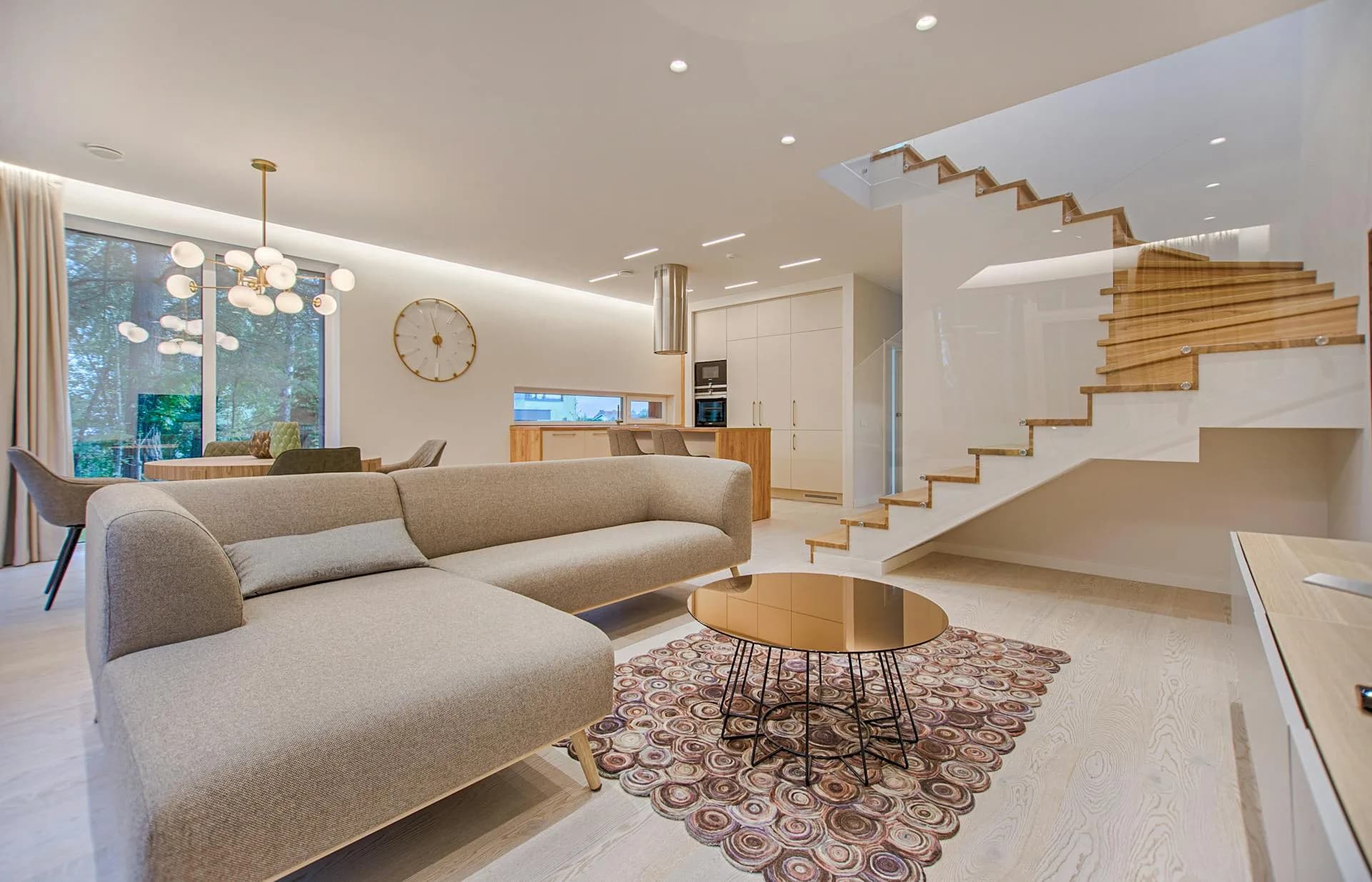
A staged home typically sells faster and for more money, a pattern the industry has observed for two decades running. If staging helps a home command even 5% more, at a $2 million price point that is $100,000. At $3 million, it is $150,000.
But luxury staging is not the same thing as putting a couch in the living room and some towels in the bathroom. The mistakes that cost sellers real money at this price point are specific, predictable, and avoidable. The buyers walking through your home have seen dozens of properties. They have been inside model homes with six-figure furniture packages. Their expectations are calibrated to the best version of what your price range can deliver.
This is the room-by-room playbook we use with our sellers in Buckhead, Midtown, Brookhaven, and across metro Atlanta. It is based on what works and what fails in Atlanta luxury listings.
Why Staging Matters at Luxury Prices
- Staged homes typically sell faster than unstaged comparables. At luxury prices, every extra month on market costs you negotiating leverage.
- higher sale prices on staged properties. On a $2M home, that is $20,000-$100,000 in additional proceeds - far more than the staging investment.
- 81% of buyers say staging makes it easier to visualize a property as their future home. Empty rooms feel smaller. Overfurnished rooms feel cramped.
- The first two weeks are everything. A home that does not generate strong traffic in its first 14 days on market has a significantly higher probability of a price reduction.
- Professional photography of staged homes draws significantly more online views than photography of vacant properties. Online views drive showings. Showings drive offers.
The Entry and Foyer
The first 10 seconds inside the front door set the emotional tone for the entire showing. Buyers decide whether they are excited or skeptical before they reach the living room. That is not an exaggeration - it is what two decades of buyer behavior research consistently shows.
In Atlanta luxury homes, the foyer is often double-height with a staircase, hardwood floors, and a chandelier. The temptation is to fill it with a large table and an oversized floral arrangement. Resist that. The goal is to let the architecture sell itself while creating warmth.
What Works
A clean, polished floor with a simple console table and a piece of art that establishes the home's personality. Fresh flowers - real ones, not silk. A subtle scent from a candle that was lit and extinguished before the showing, not a plug-in air freshener. The chandelier should be clean and fully operational. If the foyer has a coat closet, it should be half-empty and organized.
What Kills It
Family photos. Shoes by the door. A foyer table overloaded with mail, keys, and personal items. Stale air. A chandelier with burned-out bulbs. A rug that is too small for the space. The goal is clean, warm, and architectural - not lived-in and personal.
The Primary Living Area
This is where most staging budgets should concentrate. The living room or great room is the emotional center of the home. In Atlanta's luxury market, you are often dealing with open floor plans where the living area flows into the kitchen and dining space. That openness is an asset, but it creates a staging challenge: the room needs to feel defined without feeling divided.
At the $1M-$3M price point in Buckhead and Sandy Springs, buyers are expecting furniture that matches the quality of the finishes. You cannot put West Elm staging in a home with custom millwork and Italian marble floors. The furniture does not need to be expensive, but it needs to look like it belongs.
Scale and Proportion
This is where most staging goes wrong. A sofa that fits perfectly in a 12x16 family room looks lost in a 20x30 great room. Luxury living spaces need appropriately scaled furniture - a large sectional or two facing sofas with a substantial coffee table, not a love seat and an accent chair floating in the middle of the room. Use area rugs to anchor conversation areas and create visual zones within the open floor plan.
Lighting
Every light in the home should be on during showings. Every single one. Table lamps, floor lamps, recessed lighting, under-cabinet lights. Atlanta homes often have large windows that let in natural light during the day, but buyers also visit in the evening. If your home does not have adequate lighting for a 7pm showing in December, add floor lamps and table lamps before the photographer arrives.
The Fireplace
If your home has a fireplace, it is a focal point whether you want it to be or not. A fireplace with ashes, a dirty screen, and no mantel decor says "neglected." A clean firebox, a simple mantel arrangement, and properly positioned furniture that faces the fireplace says "this is where you'll spend Sunday mornings." In Atlanta's winter selling season, a lit gas fireplace during showings adds measurable warmth to the experience.
The Kitchen
The kitchen sells the house. That has been true for decades and it is even more true at luxury prices. Buyers in the $1M+ range expect professional-grade appliances, substantial counter space, a large island, and finishes that feel current. You cannot stage your way out of a dated kitchen, but you can make a good kitchen feel exceptional.
In Atlanta's luxury market, the kitchen is where buyers spend the most time during a showing. They open cabinets. They run their hands along countertops. They check the brand of the appliances. They look inside the refrigerator. This is the room where details matter most and where small oversights are most visible.
Countertops
Clear everything. The countertops should be 95% empty during showings. The only items that should remain are a high-end stand mixer or espresso machine (if they are nice enough to pass as decor), a small cutting board with artisan olive oil, and maybe fresh fruit in a clean bowl. Remove the toaster, paper towel holder, knife block, soap dispensers, and everything else. Buyers want to see counter space, not your daily routine.
Cabinets and Pantry
Buyers will open them. Organized, half-full cabinets signal abundant storage. Overflowing cabinets signal the opposite. Remove at least a third of the contents. Use matching containers in the pantry if you want to go the extra mile. Align labels forward. It sounds excessive, but this level of detail registers subconsciously with buyers - they leave thinking "that kitchen had great storage" without knowing why.
Appliances
Stainless steel should be fingerprint-free. The oven interior should be clean. If you have a wine cooler, stock it with a few bottles. If you have a built-in coffee system, make sure it works. Buyers notice when high-end appliances are non-functional. It raises questions about what else in the home has been neglected. For more on what Atlanta buyers are prioritizing right now, including kitchen expectations by price range, see our market analysis.
The Primary Suite
The primary suite is the second most emotionally important room in the house after the kitchen. Buyers are imagining waking up here every morning. The bed, the bathroom, the closet, the view from the windows - all of it contributes to the decision. At luxury prices, the primary suite needs to feel like a retreat, not just a bedroom.
The Bed
Invest in high-quality white bedding. White communicates clean, fresh, and hotel-grade luxury. A king bed with a substantial headboard, crisp white duvet, layered pillows, and a cashmere throw folded at the foot is the standard at this price point. If the room can handle it, add matching nightstands with identical lamps. Symmetry in the primary bedroom is not optional.
The Primary Bathroom
Think spa, not bathroom. Remove all personal products - every bottle, toothbrush, and razor. Replace them with a few high-end hand soaps, a stack of fluffy white towels, and a small orchid or eucalyptus bunch. The shower glass should be spotless. Grout should be clean and in good repair. If the vanity mirror has water spots, they need to go. A primary bathroom that feels like a Four Seasons suite will close more deals than a remodeled kitchen.
The Closet
Walk-in closets are a major selling feature in Atlanta luxury homes. Buyers are evaluating storage capacity. A closet that is 80% full looks smaller than one that is 40% full. Remove off-season clothes, shoes you do not wear, and anything that is not hanging neatly on matching hangers. Color-coordinate what remains. This is not about how you live - it is about how the space photographs and presents to buyers.
Want a Staging Plan Built Around Your Actual Rooms?
Photos of other homes only get you so far. We can walk yours and mark what stays, what goes into storage, and the few rooms where rented pieces typically earn their cost back.
Plan the Staging for My Homeor call (770) 727-4052
Outdoor Living
Atlanta's climate gives us an advantage that sellers in Chicago and Boston do not have. Outdoor living space functions as usable square footage for 8-9 months of the year. A well-staged patio, pool area, or screened porch can add perceived value that far exceeds the cost of outdoor staging. For homes in Tuxedo Park, Chastain Park, and other neighborhoods with large lots, outdoor staging is not optional.
Pool and Patio
The pool should be clean, clear, and chemically balanced. Patio furniture should be clean, coordinated, and arranged for conversation - not just lined up against the wall. Add outdoor cushions, a few lanterns, and a set table for two or four. Buyers should see this space and immediately picture hosting a dinner party, not maintaining a pool.
Landscaping
Curb appeal is literally the first thing a buyer sees. Fresh mulch, trimmed hedges, a manicured lawn, and seasonal flowers at the front entrance. In Atlanta, azaleas in spring are a cheat code - nothing photographs better. Pressure-wash driveways, walkways, and patios before the photographer arrives. A $500 pressure-washing job can change the entire feel of the exterior photographs. Dead plants, overgrown beds, and cracked pavement tell buyers the home has been neglected.
The Outdoor Kitchen
If your home has an outdoor kitchen, treat it like the indoor kitchen. Clean the grill, wipe down counters, and add a few props - a cutting board, herbs in a planter, clean bar glasses. An outdoor kitchen that looks unused raises questions. One that looks ready for a Saturday evening cookout reinforces the lifestyle the buyer is purchasing.
The Home Office
Remote and hybrid work is permanent. A dedicated home office is no longer a bonus feature - it is a requirement for most luxury buyers. If your home has a study, library, or dedicated office space, stage it as a functional, aspirational workspace.
A clean desk with a quality desk lamp, a leather chair, built-in bookshelves that are organized (not overloaded), and good natural light. Remove personal files, stacked papers, and visible cords. The goal is "corner office at home," not "I work from my spare bedroom." If your home does not have a dedicated office, consider staging a nook or secondary bedroom as a workspace. The investment is small and the impact on buyer interest is significant.
Photography: The Staging Nobody Talks About
You can stage a home perfectly and lose the sale with bad photography. At luxury prices, listing photos are not a nice-to-have. They are the single most important marketing asset. Over 95% of buyers start their search online. Your listing photos are the first and often the only thing that determines whether a buyer schedules a showing.
Professional architectural photography for a luxury listing in Atlanta costs $800-$2,500 depending on the photographer and the size of the home. That is nothing relative to the price of the home. Drone photography of the lot, neighborhood context, and proximity to amenities adds another $500-$1,000 and is standard at this price point.
Shoot at the right time of day. Atlanta's golden hour produces dramatically better exterior and interior photos than midday. The photographer should capture every staged room, the view from the primary bedroom, the approach from the street, and the outdoor living spaces. A 3D Matterport tour is expected at $1M+ and provides the virtual walkthrough that remote and international buyers rely on.
Seasonal Staging Tips for Atlanta
Atlanta has four distinct seasons and your staging should reflect the one you are listing in. Buyers respond to staging that feels appropriate for the time of year. A home staged with heavy throws and fireplace accessories in July feels off. A home with open windows and patio furniture featured in January is not helping you.
Spring (March-May)
The prime selling season. Azaleas, dogwoods, and fresh mulch are your best friends. Open the windows before showings. Stage the porch and patio fully. Fresh flowers in every room. Light, airy color palettes. This is the season where Atlanta sells itself - your staging just needs to not get in the way.
Summer (June-August)
The pool becomes the hero. Stage the outdoor living area as a summer entertaining space. Make sure the air conditioning is set to 72 before every showing - buyers walking in from 95-degree heat will notice immediately. Light curtains, cool color tones, and minimal heavy textiles. Keep the lawn green and the landscaping maintained.
Fall (September-November)
Layer in warm tones - rust, amber, deep green. Add throws and textured pillows. If you have a fireplace, light it for showings. Fall in Atlanta is beautiful, with mild temperatures and changing leaves. Use that - open the blinds, let the natural light in, and let the trees in the yard do the staging for you.
Winter (December-February)
Cozy and warm is the objective. Lighting is critical because the days are shorter. Every lamp should be on. Add candles for ambiance. A lit fireplace is a must if you have gas logs. White bedding with heavier throws in the primary suite. Exterior lighting matters more because many showings happen after dark. Well-lit paths, landscape lighting, and a warm interior visible from the street create an inviting first impression.
Staging Mistakes That Cost Sellers Money
After listing hundreds of luxury homes in Atlanta, these are the staging mistakes we see most often. They are all fixable and they all cost sellers real money when left unaddressed. For more on the broader selling mistakes that hurt Atlanta homeowners, see our guide to common seller mistakes.
Over-Personalizing
Your home is not a museum of your life. Family photos, religious items, political signage, sports memorabilia, and collections need to come down. Buyers need to imagine their life in the space, not yours. This is the single most common staging mistake at every price point and it costs sellers money on every single listing where it goes unaddressed.
Ignoring Smells
You cannot smell your own home. That is a biological fact. Pet odors, cooking smells, musty closets, and garage fumes are invisible to you and obvious to every buyer who walks through the door. Have a friend or your agent do an honest smell test. Professional odor treatment is worth every penny. One bad smell can end a showing before it starts.
Skipping Rooms
A partially staged home is worse than an unstaged one. If the living room looks like a magazine spread but the dining room is empty and the office is a storage closet, you have created a contrast that highlights the home's weaknesses. Either commit to staging the whole house or stage the key rooms and present the others as clean, purposeful spaces.
Wrong Scale Furniture
A staging company that primarily works with $300K-$500K homes often does not have the inventory to properly stage a 6,000 sq ft luxury home. The furniture is too small, the accessories are too cheap, and the overall effect is a mismatch between the staging and the architecture. Make sure your staging company has luxury-appropriate inventory and experience at your price point.
Forgetting the Garage
Luxury buyers care about their cars. A three-car garage that is stuffed with boxes, holiday decorations, and old furniture tells buyers the home does not have enough storage. A clean, well-lit, epoxy-floored garage with room for three cars and organized wall storage tells a very different story. Spend two hours and a dumpster rental on the garage before the photographer arrives.
Selling a Luxury Home in Atlanta?
We work with the top staging companies in metro Atlanta and coordinate the entire process - from staging consultation through professional photography and listing launch. Every detail is managed so you can focus on your next move.
The Bottom Line
Staging a luxury home is not decorating. It is strategic marketing. Every decision - from the entry console to the patio furniture to the color of the bedding - should be made with one question in mind: does this help a buyer see themselves living here?
The sellers who invest $10,000-$25,000 in professional staging routinely recoup that investment many times over in sale price and reduced time on market. The sellers who skip staging, or who try to do it themselves, consistently leave money on the table. At luxury prices in Atlanta, the gap between a well-staged listing and an unstaged one is not theoretical. It shows up in the offers - or in the silence.
The work happens before the first showing. The results show up at closing. And the best time to start is before you need to.
Frequently Asked Questions
How much does professional staging cost for a luxury home in Atlanta?
Professional staging for a luxury home in Atlanta typically runs $8,000-$25,000+ depending on square footage, number of rooms staged, and rental period. Most staging companies charge a one-time design and installation fee plus a monthly rental fee for the furniture. At the $1M-$3M price range, expect $10,000-$15,000. Above $3M, budgets often reach $20,000-$30,000. The ROI on that spend - both in sale price and days on market - consistently justifies the investment.
Should I stage a vacant luxury home or a furnished one?
Vacant luxury homes almost always need staging. Large empty rooms feel smaller and cold. Buyers struggle to picture how their furniture will fit, and empty homes photograph poorly for online listings. Furnished homes need a different approach - editing and refreshing rather than starting from scratch. Remove personal items, thin out overcrowded rooms, replace dated accent pieces, and let the architecture breathe. Both approaches work, but vacant staging is more critical to get right.
How long should staging stay in place before listing?
Staging should be fully installed and photographed before the listing goes live. Most staging companies offer 60-90 day initial rental periods. In Atlanta, luxury homes in the $1M-$2M range are averaging 45-60 days on market, and above $2M closer to 60-90 days. Budget for at least a 90-day staging period to cover the expected selling timeline plus a buffer for closing.
Does virtual staging work for luxury homes?
Virtual staging works for online first impressions - it is significantly cheaper at $200-$500 per room and can be done in 24-48 hours. But luxury buyers expect the real thing when they walk through the door. An empty room that looked furnished online creates disappointment. Use virtual staging for supplemental listings or to show alternative design concepts, but invest in physical staging for the primary presentation. At luxury prices, the cost difference is not worth the risk.
What rooms should I prioritize for staging in a luxury home?
In order of impact: the entry and foyer (first impression), primary living area, kitchen, primary suite, and outdoor living space. These five areas drive the strongest emotional response from buyers. If budget is tight, stage these five and skip secondary bedrooms, bonus rooms, and utility spaces. A fully staged kitchen and primary suite will outperform a house where every room is half-staged.
Should I renovate before staging or just stage as-is?
Stage as-is in most cases. Renovating delays your listing timeline and the market does not always reward the investment. There are exceptions: if your kitchen has visibly dated countertops or the primary bath has builder-grade finishes, a targeted refresh can pay for itself. But full renovations before sale are rarely the right move. Staging works around imperfections by directing the eye toward the home's strengths.
When is the best time to sell a luxury home in Atlanta?
March through June is historically the strongest window for luxury sales in Atlanta. Families want to close before the school year starts, the weather is cooperating for outdoor photography, and gardens are in bloom. January and February are strong for listing because serious buyers are actively looking with less competition. Avoid listing the week of Thanksgiving through New Year unless you have a compelling reason.
Do staged homes really sell for more in Atlanta?
Staged homes typically sell faster and for more than unstaged homes. On a $2M property, even a 2% increase is $40,000 - significantly more than the staging cost. In Atlanta luxury listings, the impact is most pronounced in the first two weeks. A well-staged home generates stronger initial showing traffic, more competitive offers, and fewer price reductions.
"Buying a home remotely seemed impossible, but the team handled everything. Video tours, detailed neighborhood breakdowns, even coordinating inspections when we couldn't be there. Seamless."
Andrew and Rachel P.
Relocated to Atlanta, bought from out of state
Ready to find out which upgrades will pay off for your home?



Sources
- National Association of Realtors (NAR) - Profile of Home Staging report: staging cost, price premium, and buyer visualization statistics.
- Real Estate Staging Association (RESA) - Staging cost benchmarks and ROI data for luxury properties across major metro areas.
- FMLS (First Multiple Listing Service) - Atlanta luxury market days-on-market data by price range and neighborhood.
Room-by-room recommendations are based on our direct experience staging and listing luxury homes across metro Atlanta. Costs and timelines reflect current Atlanta market conditions and may vary by property.
Disclaimer: This article is for informational purposes only and does not constitute financial or real estate advice. Staging costs, timelines, and results vary by property, neighborhood, and market conditions. Statistics cited are from industry sources and may not reflect individual outcomes. Consult with qualified real estate and staging professionals before making decisions about preparing your home for sale.