Most sellers prep their home based on what they love about it. The backyard where they hosted Thanksgiving. The paint color they agonized over. The bathroom tile they picked out on vacation. None of that matters to the person walking through your front door for the first time.
What matters is what buyers in this market are actually prioritizing. And right now in Atlanta, there’s a clear pattern. We see it in showing feedback, in the questions buyers ask before they even schedule a tour, and in which homes get multiple offers versus which ones sit. This isn’t a guess. It’s what we’re hearing and seeing across the metro every week.
If you’re getting ready to sell, this is the cheat sheet. If you’re buying, it’ll help you figure out where to be flexible and where to hold the line.
Quick Takeaways
- Kitchens still drive decisions, but buyers want functional and clean over flashy and expensive. You don’t need a $80K remodel.
- Outdoor living space is no longer a bonus. In the Atlanta suburbs, a usable patio and fenced yard can make or break a showing.
- A home office or flex room is one of the first things buyers ask about. A 4BR that can give up an office beats a 3BR at the same price.
- Deferred maintenance kills deals more often than cosmetic issues. Old HVAC and roof age scare off buyers faster than dated paint.
- Buyers are researching the neighborhood before they even look at the house. Most listings undersell the location.
1. Kitchens Still Run the Show, But Not the Way You Think
Yes, the kitchen still matters more than any other room. That hasn’t changed. But what buyers expect from a kitchen in 2026 is different from what a lot of sellers assume.
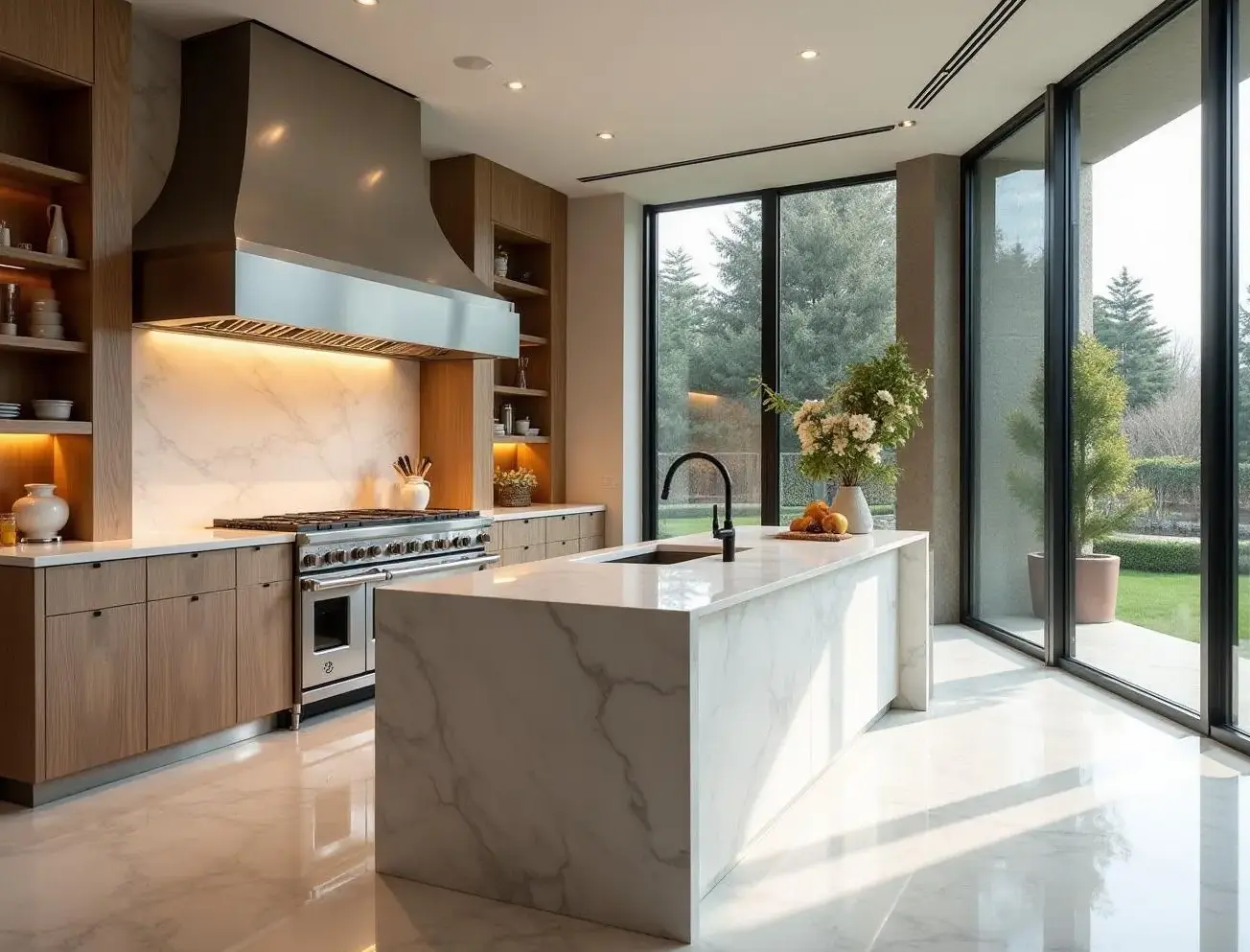
Nobody is walking into a $600K home in Roswell expecting a La Cornue range and custom Italian cabinetry. What they want is a kitchen that works. Good counter space. A layout where you’re not bumping into people. Appliances that are updated and match. Countertops that aren’t chipped laminate from 2004.
The biggest turn-off we see isn’t the absence of high-end finishes. It’s dated kitchens that feel like a project. Brass fixtures, dark oak cabinets, tile countertops, fluorescent lighting. When a buyer walks in and mentally adds $30K to the purchase price for a kitchen redo, you’ve lost them.
The expectations shift by price point. Under $500K, buyers care about cleanliness and layout. If the cabinets are painted and the counters are granite or quartz, that’s enough. Between $500K and $1M, they expect stainless appliances, stone counters, and a kitchen that feels open to the living space. Above $1M, they want high-end finishes and a kitchen that looks like it belongs at that price point. But even at $1M+, functional flow beats expensive materials every time.
Bottom Line: You don’t need to gut the kitchen before listing. But if your countertops are laminate, your hardware is brass, or your appliances are mismatched, a targeted spend of $5-15K on counters, hardware, and appliance upgrades will come back in the sale price. A full $80K remodel before selling almost never returns its cost.
2. The Outdoor Space Shift
Before 2020, outdoor living space was a line item on the feature sheet that most buyers glanced at and moved on. That changed. People spent a lot of time at home, they realized their backyard was either a place they wanted to be or a place they didn’t, and that stuck.
In the suburbs, this shows up clearly. Homes in Johns Creek, Alpharetta, and Milton with a screened porch or covered patio get noticeably more interest than comparable homes without one. A flat, fenced yard with a clean deck or patio setup is one of those things buyers don’t always list as a must-have but react to immediately when they see it in person.
In-town Atlanta it looks different. Midtown and Buckhead condo buyers care more about balcony size and rooftop access than they did five years ago. Townhome buyers want at least a small patio that’s private enough to actually use.
The good news for sellers: you don’t need to build a $30K outdoor kitchen. What actually moves the needle is much simpler. Power wash the patio and driveway. Clean up the landscaping. Put out a decent patio set so buyers can picture themselves out there. If you have a deck that’s showing its age, a fresh stain is a few hundred dollars and changes the whole feel.
Bottom Line: Outdoor space matters more than it used to, and the fix is cheap. Power wash, basic landscaping, a clean patio setup. You’re not trying to win a magazine cover. You’re trying to make buyers picture a Saturday morning out there with their coffee.
3. The Home Office Is Non-Negotiable Now
Remote and hybrid work isn’t a pandemic thing anymore. It’s just how a lot of people work. And it has permanently changed what buyers want in a floor plan.
The question “is there a room I can use as an office?” comes up in nearly every buyer consultation we do. Not a corner of the living room. Not a desk in the bedroom. A room with a door they can close on a Zoom call while their kids are home.
This is why a 4-bedroom home where one bedroom can serve as an office consistently outperforms a 3-bedroom home at the same price point. The family with two working parents and two kids doesn’t need a formal dining room. They need a workspace.
Sellers should pay attention to this. If you have a spare bedroom, stage it as an office. Desk, chair, monitor, a few books. Not a guest room with a fold-out desk shoved in the corner. A real workspace. If your dining room hasn’t had a dinner party in two years, consider showing it as a home office instead. Buyers will see the potential faster if you show it to them.
This applies across price points, from starter homes in East Cobb to $2M estates in Milton. The specific setup changes, but the demand doesn’t. Even luxury buyers who could rent office space want the option to work from home.
Bottom Line: Stage at least one room as a dedicated office. If your listing photos show four bedrooms and a dining room but no office, you’re missing what a huge chunk of your buyer pool is looking for.
Position Your Home for Today’s Buyer
Buyer priorities have shifted, and the homes that sell well are the ones prepared around them. A pre-listing walkthrough identifies which updates are worth making and which are not.
Request a Pre-Listing Walkthroughor call (770) 727-4052
4. What Actually Kills a Deal (Dealbreakers by Price Range)
We see deals fall apart for the same reasons over and over. The specifics depend on the price range, but the common thread is always deferred maintenance. Cosmetic stuff buyers can live with. A $12K HVAC replacement sitting in the inspection report makes them rethink the whole purchase.
Dealbreakers We See Most Often
Under $500K
- HVAC over 15 years old
- Roof nearing end of life
- Foundation cracks or water intrusion in the basement
- Dated bathrooms with visible mold or grout issues
$500K to $1M
- Everything above, plus poor floor plan flow (choppy rooms, closed-off kitchen)
- No proper primary suite (small closet, no ensuite bath)
- Dated lighting and fixtures throughout
- Small or insufficient closet space
$1M+
- Everything above, plus builder-grade finishes at a custom price point
- Lack of privacy or undersized lot for the price
- No pool or outdoor living to speak of
- Outdated kitchens or bathrooms that feel like a $600K house
Notice what’s not on the list: paint color, landscaping style, carpet vs. hardwood. Buyers can see past cosmetic choices. What they can’t see past is the feeling that they’re buying someone else’s deferred maintenance. An aging roof or old HVAC doesn’t just cost money to replace. It makes buyers question what else has been neglected.
If you’re selling, get a pre-listing inspection. Find out what a buyer’s inspector is going to flag and deal with it before it shows up in a negotiation. A $500 HVAC tune-up and a roof certification letter can prevent a $15K price reduction request.
Bottom Line: Buyers at every price point are more scared of hidden problems than ugly wallpaper. Address the maintenance items before you list, and you’ll lose fewer deals in the inspection phase.
Not Sure What to Fix Before Listing?
We’ll walk your home and tell you exactly what’s worth spending on and what to leave alone. No guesswork, no wasted money.
5. What Buyers Don’t Care About (Stop Spending Money on This)
This is the part most sellers don’t want to hear. A lot of the things homeowners spend money on before listing don’t move the needle at all. Some of them actually hurt.
Accent walls and bold paint choices. That navy accent wall in the dining room? You love it. Buyers see something they need to paint over. Go neutral before listing. Every time.
Smart home systems. A Nest thermostat is fine. A whole-house smart system with a proprietary app that requires a tutorial? Most buyers see that as a headache, not a feature. We have had buyers ask if they can rip it out.
Minor bathroom updates that don’t change the layout. Swapping a vanity and adding a new mirror when the bathroom is still 5x7 with a tub/shower combo doesn’t change how the room feels. If you’re not changing the layout or adding square footage, save the money.
Garage conversions. Converting a garage to a gym, a playroom, or a “bonus room” seems like adding square footage. But most Atlanta buyers want their garage back. Two-car garage storage is expected, and when it’s been converted, buyers mentally add the cost of converting it back.
Over-personalized landscaping. The Japanese garden you spent five years cultivating is beautiful. It’s also something a buyer sees as maintenance they don’t know how to handle. Simple, clean, and low-maintenance wins every time.
Bottom Line: Neutral, clean, and well-maintained beats “updated with personal taste” every single time. Before you spend money on anything, ask yourself: will this appeal to the widest possible group of buyers, or just to people who like what I like?
6. The Neighborhood Conversation Has Changed
Five years ago, buyers would pick a price range, browse listings, and narrow down neighborhoods based on what popped up. That’s not how it works anymore.
Today, most buyers have already decided on 2-3 target neighborhoods before they look at a single home. They’ve checked the school ratings on GreatSchools. They’ve mapped the commute to their office on Google Maps at 8am on a Tuesday. They’ve looked at walkability scores and searched for parks, restaurants, and grocery stores within a 10-minute drive. By the time they contact an agent, they know where they want to be. The house is almost secondary.
This matters for sellers because most listing descriptions undersell the neighborhood. They mention the house features and maybe throw in “great location” at the end. That’s a missed opportunity.
If your home is in Johns Creek with walkable access to Newtown Park and a 5-minute drive to Northview High, say that. If you’re in Sandy Springs and your neighborhood backs up to the Chattahoochee River trails, that should be in the first line of your listing, not buried at the bottom. If you’re near the BeltLine in Midtown, that’s a selling point that matters more to a lot of buyers than your granite countertops.
You can’t change your neighborhood. But you can market it better than 90% of the listings out there, and that alone can get more buyers through the door.
Bottom Line: Your listing description should sell the neighborhood as hard as it sells the house. Schools, parks, commute times, walkability, proximity to shopping and dining. Buyers are choosing neighborhoods first and houses second. Meet them where they are.
What It All Comes Down To
If you’re selling a home in Atlanta right now, the best thing you can do is stop thinking about what you’d want as a buyer and start paying attention to what actual buyers are telling you. The market gives you that information if you listen to it.
Functional kitchen. Usable outdoor space. A room that works as an office. Clean maintenance record. Neutral presentation. And a listing that tells buyers why your neighborhood is where they want to be.
That’s it. No gimmicks, no expensive staging overhauls, no $50K renovation project you’re hoping to recoup. Just a clear-eyed look at what the market rewards right now and a willingness to give buyers what they’re looking for.
Frequently Asked Questions
What features do Atlanta home buyers want most in 2026?
Atlanta buyers in 2026 are prioritizing functional kitchens with updated finishes, outdoor living space like screened porches and covered patios, and dedicated home offices or flex rooms. The shift toward remote work has made a 4th bedroom that can serve as an office more valuable than ever. Buyers care less about flashy upgrades and more about move-in ready condition with good bones.
What upgrades should I make before selling my Atlanta home?
Focus on the kitchen and outdoor space first. You do not need a full remodel. Updated hardware, fresh countertops if yours are dated, and clean stainless appliances go a long way. Outside, power wash everything, clean up landscaping, and stage the patio or deck. Address deferred maintenance items like old HVAC, roof age, and any water damage before buyers find them during inspection.
What are the biggest dealbreakers for home buyers in Atlanta?
The top dealbreakers vary by price point but deferred maintenance is the common thread. Old HVAC systems, aging roofs, foundation concerns, and water damage scare off buyers at every level. Above $500K, poor floor plan flow and lack of a proper primary suite become issues. Above $1M, buyers expect privacy, lot size, and finishes that match the price point.
Do I need to renovate my kitchen before selling in Atlanta?
Usually no. A full kitchen renovation before selling rarely returns its cost. What matters more is that the kitchen is clean, functional, and not obviously dated. Replacing laminate countertops with quartz, updating hardware, and ensuring appliances work well is often enough. Buyers under $500K care most about cleanliness and layout. Above $1M they expect higher-end finishes but still prioritize flow over flash.
How important is outdoor space to Atlanta home buyers?
Very important in 2026. Outdoor living space moved from a nice-to-have to a real decision factor after COVID. In the Atlanta suburbs like Johns Creek, Alpharetta, and Milton, a fenced yard with a usable deck or patio can make or break a showing. In-town Atlanta, balconies and rooftop access matter more for condos and townhomes. Sellers should focus on cleaning and staging outdoor areas rather than building expensive additions.
What home improvements have the best ROI when selling in Atlanta?
The highest ROI improvements for Atlanta sellers are not the most expensive ones. Power washing, landscaping cleanup, fresh neutral paint, updated light fixtures, and kitchen hardware swaps consistently return more than their cost. Addressing deferred maintenance like HVAC servicing and roof repairs prevents price reductions during negotiation. Avoid spending on accent walls, smart home systems, or converting functional spaces like garages.
"Buying a home remotely seemed impossible, but the team handled everything. Video tours, detailed neighborhood breakdowns, even coordinating inspections when we couldn't be there. Seamless."
Andrew and Rachel P.
Relocated to Atlanta, bought from out of state
Ready to find out which upgrades will pay off for your home?

Sources
- National Association of Realtors 2025 Profile of Home Buyers and Sellers - Buyer feature preferences, home search behavior, and decision factors. nar.realtor
- National Association of Home Builders, What Home Buyers Really Want (2024) - Survey data on buyer priorities including home offices, outdoor space, and kitchen preferences. nahb.org
- Remodeling Magazine 2024 Cost vs. Value Report - ROI data for common home improvement projects by region. remodeling.hw.net
Buyer preferences and dealbreaker observations are based on our direct experience working with buyers and sellers across metro Atlanta. Individual results vary by neighborhood and price point.
Disclaimer: This article is for informational purposes only and does not constitute financial, legal, or professional home improvement advice. Renovation costs, buyer preferences, and market conditions change frequently. Consult qualified professionals before making decisions about home improvements or listing your property.