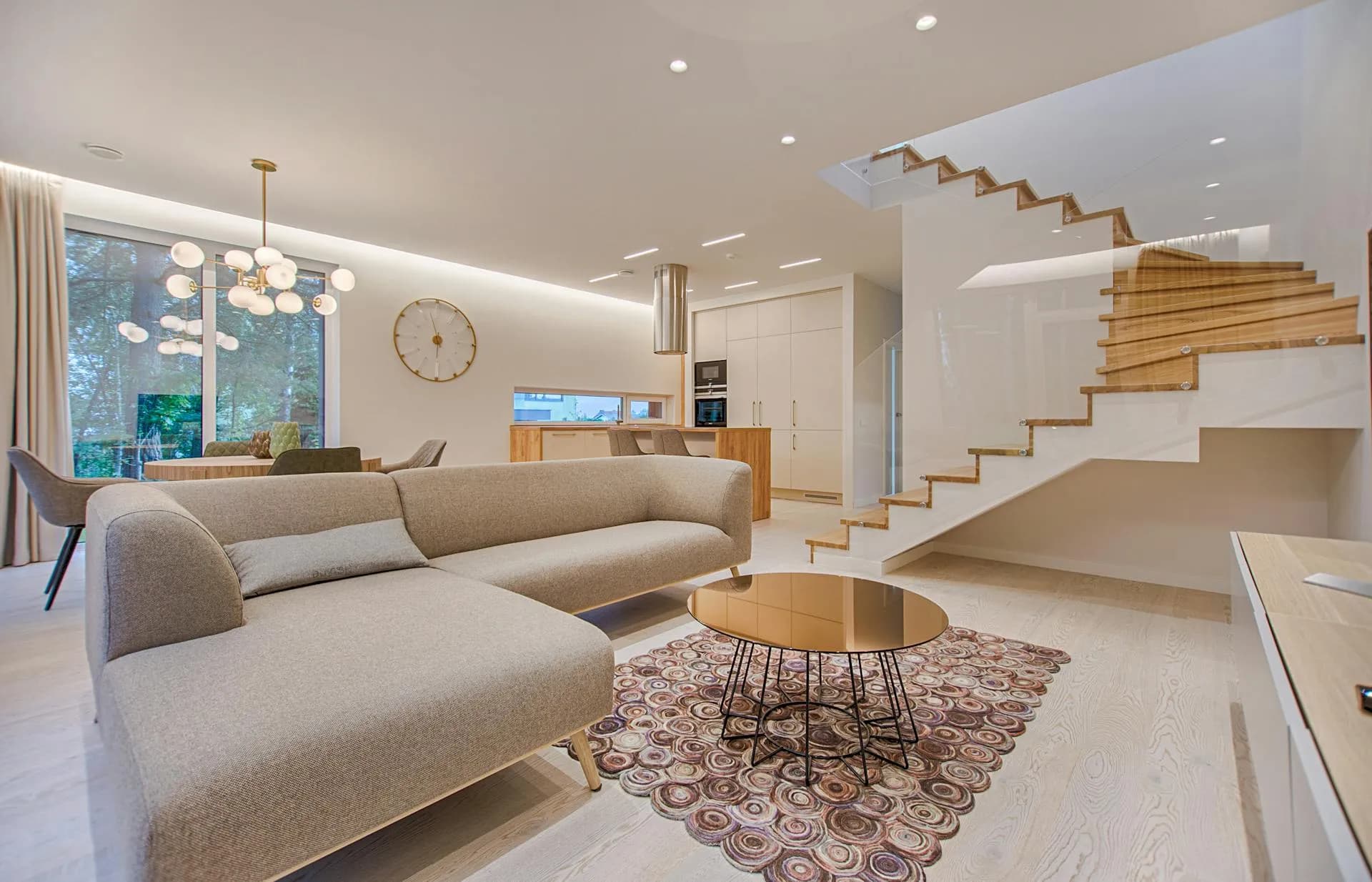
Selling a home worth $1 million or more in Atlanta is a fundamentally different process than selling a $400,000 home. The buyer pool is smaller. The expectations are higher. The marketing has to be sharper. And the cost of getting it wrong, whether through mispricing, weak photography, or a generic marketing plan, can easily run into six figures of lost value.
Metro Atlanta's luxury market has seen consistent demand over the past several years, particularly in neighborhoods like Buckhead, Sandy Springs, Brookhaven, and Dunwoody. But demand alone does not sell luxury homes at top dollar. Strategy does.
Homes priced above $1 million typically take longer to sell than homes in the median price range. That gap gets wider when the marketing is not tailored to the luxury segment. The good news is that the gap narrows significantly when sellers and their agents execute a disciplined marketing strategy from day one.
This guide covers the specific strategies, tactics, and decisions that move luxury homes in Atlanta, from pricing and preparation to photography, digital marketing, and negotiation. These are not theories. They are the playbook that produces results in this market.
Pricing Strategy: The Foundation of Everything
Pricing is where most luxury listings either succeed or fail. It is not the only factor, but it is the one that determines whether everything else matters. A beautifully staged, professionally photographed home that is overpriced by 10% will sit on the market while a correctly priced home with average photos sells in three weeks.
The luxury market has less room for pricing errors than the general market. Here is why: at a median price point of $350,000, there might be 200 active buyers searching in that range at any given time in metro Atlanta. At $2 million, that pool might be 15 to 25 active buyers. Overprice by 10% and you may eliminate half of those buyers from consideration. Underprice and you leave money on the table. The target is a price that attracts the maximum number of qualified buyers while leaving room for competitive offers.
Key Pricing Inputs for Luxury Homes
- Recent comparable sales (6 to 12 months): What have similar homes in your neighborhood actually sold for? Not listed for. Sold for. In the luxury segment, the gap between list price and sale price is often several percentage points.
- Active competition: How many homes are currently listed in your price range and area? If there are 12 active listings competing for the same 20 buyers, your pricing has to be sharper than if there are 3 active listings.
- Absorption rate: How many homes at your price point are selling per month? If 2 homes per month sell above $2 million in your area, and there are 16 active listings, that is 8 months of inventory. That is a buyer's market at that price point, regardless of what the broader market is doing.
- Unique value factors: Does your home have features that are rare in the market? A Buckhead estate with a guest house, motor court, and pool on two acres is different from a standard 5-bedroom colonial on a half acre, even if the square footage is similar.
- Market trajectory: Is the market trending up, flat, or cooling? Pricing into an appreciating market is different from pricing into a flat or declining one. Your agent should be tracking month-over-month trends, not just year-over-year averages.
The biggest pricing mistake luxury sellers make is anchoring to what they paid for the home, what they spent on renovations, or what they "need" from the sale. The market does not care about any of those numbers. It only cares about what a qualified buyer is willing to pay based on the current alternatives available to them.
A well-priced luxury home should generate showings within the first two weeks and an offer within 30 to 45 days. If neither is happening, the price is too high. Homes that sell quickly typically close much nearer their asking price than homes that sit for 90 or more days.
Pre-Listing Preparation
Luxury buyers expect perfection. Every scuff, stain, dated fixture, and overgrown hedge becomes a reason to negotiate the price down or walk away. The preparation phase is where you eliminate objections before a single buyer walks through the door.
Pre-Listing Inspection
Spend $500 to $800 on a pre-listing home inspection. This is not for the buyer. It is for you. A pre-listing inspection reveals issues that will come up during the buyer's inspection, giving you time to address them proactively. Fixing a $2,000 roof repair before listing is far better than negotiating a $15,000 credit after the buyer's inspector flags it. Per the American Society of Home Inspectors, 86% of home inspections identify at least one issue that could affect the sale.
Strategic Repairs and Updates
Focus on items that signal quality and move-in readiness: fresh interior paint in neutral tones, refinished hardwood floors, updated light fixtures, new hardware on kitchen and bath cabinets, and professional landscape cleanup. These are not renovations. They are refreshes. The goal is to make the home feel current and well-maintained without over-spending. A typical pre-listing refresh budget for a $1.5 million to $3 million home is $10,000 to $30,000, and it typically returns 2x to 3x at the closing table.
Deep Cleaning and Detailing
Professional deep cleaning is non-negotiable. This means carpet cleaning, window washing (interior and exterior), power washing driveways and patios, cleaning grout, polishing hardware, and detailing every surface. Luxury buyers notice details. A smudged mirror, dusty chandelier, or stained grout line undercuts the perception of quality. Budget $1,500 to $4,000 for a thorough pre-listing deep clean on a luxury home.
Professional Staging
Staging is not decorating. It is strategic visual merchandising designed to make the home photograph well, show well in person, and appeal to the broadest range of qualified buyers.
Staged homes typically sell faster and may command somewhat higher prices than non-staged homes, and on a $2 million listing even a modest premium is six figures of value. Professional staging for a luxury home costs $5,000 to $25,000, depending on size and whether the home is vacant or occupied, and it frequently pays for itself many times over.
For vacant luxury homes, staging is especially critical. Empty rooms look smaller on camera and in person. A 600-square-foot great room that feels grand when furnished looks like a cold, echoing box when empty. Staging gives buyers visual scale, helps them understand how rooms function, and creates an emotional connection that empty rooms cannot.
For occupied homes, a staging consultant will typically recommend removing 30% to 50% of furnishings and personal items. Family photos, children's artwork, religious items, and overly personal decor should come down. The goal is to let buyers picture themselves in the space rather than feeling like they are visiting someone else's home.
Photography and Visual Marketing
Photography is not a place to cut corners. It is the single most important marketing element for a luxury listing because 97% of buyers start their search online, per the NAR. Your listing photos are often the only chance you get to make a first impression.
Listings with professional photography consistently attract more online views than those with amateur photos. For luxury homes, the stakes are even higher because luxury buyers have higher visual expectations. They are comparing your listing photos to the editorial spreads they see in Architectural Digest and Luxe Interiors.
What a Full Luxury Visual Package Includes
- Architectural photography (40 to 60 images): Shot by a photographer who specializes in architecture and interiors, not a generalist who also shoots weddings and headshots. Architectural photographers understand composition, lighting, and how to capture the scale and flow of a home.
- Twilight/dusk photography: Exterior shots taken at dusk with interior lights on create a dramatic, inviting look that stands out in listing feeds. These images typically become the lead photo for the listing.
- Drone/aerial photography: Shows the property in context: lot size, proximity to parks or water, neighborhood setting, and the relationship between the home and its surroundings. Essential for estate properties and homes with significant outdoor features.
- Professional video walkthrough (2 to 4 minutes): A cinematic-quality video that walks through the home with music, smooth camera movement, and editing that tells a story. This is not a shaky iPhone tour. It is a produced piece of marketing content.
- 3D virtual tour (Matterport or similar): Allows remote buyers to walk through the home room by room from their laptop or phone. Especially valuable for out-of-state buyers relocating to Atlanta who cannot visit in person for an initial screening.
Budget: $2,000 to $5,000 for the full photography and video package. This is one of the highest-ROI marketing investments for a luxury listing.
Digital Marketing Strategy
Putting a luxury listing on the MLS and waiting for buyer agents to find it is not a marketing strategy. It is a hope strategy. The MLS is a starting point, not a finish line.
Luxury homes require proactive, targeted digital marketing because the buyer pool is small and geographically dispersed. The buyer for your $2.5 million Buckhead estate might be a tech executive relocating from San Francisco, a corporate attorney moving from New York, or a local buyer upgrading from a $1.2 million home in Sandy Springs. Each of those buyers is in a different place, consuming different media, and responding to different messaging.
Targeted Social Media Advertising
Instagram and Facebook ads targeting high-income households in both metro Atlanta and key feeder cities (New York, Chicago, San Francisco, Dallas, Washington D.C.). The targeting should include income level, homeownership status, and interests related to luxury lifestyle, real estate, and relocation. Budget: $1,000 to $3,000 per month per listing. Well-targeted campaigns reach 50,000 to 100,000 qualified impressions per month.
Dedicated Property Website
A standalone website or landing page for the listing with all photos, video, floor plans, neighborhood information, and a contact form. This gives the listing its own URL that can be shared, advertised, and tracked independently from the MLS. High-end listings benefit from a branded URL (like 123MapleStreet.com) that can be used on print materials and social media.
Email Marketing to Agent Networks
Targeted email campaigns to agents who actively work with luxury buyers in metro Atlanta and in feeder markets. This is not a mass blast to every agent in the MLS. It is a curated outreach to the 200 to 500 agents who are most likely to have a buyer for your home. The most effective luxury agents maintain their own databases of buyer agents and update them regularly.
Luxury Portal Placement
Beyond the MLS and Zillow/Realtor.com, luxury listings should appear on platforms like Mansion Global, Luxury Portfolio International, Wall Street Journal Real Estate, and JamesEdition. These platforms attract high-net-worth buyers who are specifically searching for luxury properties, often internationally.
Choosing the Right Listing Agent
The agent you choose to list your luxury home will have a direct impact on the final sale price and the timeline. This decision deserves the same diligence you would apply to hiring any professional for a six-figure engagement.
When interviewing listing agents for a $1 million or more home, these are the questions that separate luxury specialists from generalists:
Questions to Ask a Luxury Listing Agent
- "How many homes above $1 million have you sold in the past 12 months?" You want an agent who regularly operates at this price point, not someone whose typical sale is $350,000 and occasionally lists a luxury home.
- "What is your specific marketing plan for my home?" A luxury agent should present a written marketing plan that includes photography, staging, digital advertising, print marketing, open house/broker event strategy, and a timeline. Generic answers like "we put it on the MLS and Zillow" are disqualifying.
- "What is your average list-to-sale price ratio?" Strong luxury agents typically achieve 96% to 99% of list price. If an agent's average is below 93%, they may be overpricing listings and then chasing the market down.
- "Show me examples of your listing photography and video." Look at their past listings online. Is the photography professional? Are there videos? Is the copy well-written? The quality of their past listings is the best predictor of how they will market your home.
- "How do you reach out-of-state buyers?" A significant percentage of luxury buyers in Atlanta are relocating. An agent who only markets locally is missing a large portion of the buyer pool.
The commission conversation matters, but it should not be the primary selection criteria. A 1% commission difference on a $2 million home is $20,000. If a stronger agent sells the home for 3% more than a discount agent, that is $60,000 more in your pocket after the commission difference. An agent with a documented luxury specialization can more than cover the commission difference in the final sale price.
Showing Strategy and Access
Access kills more luxury listings than any other factor. Restrictive showing schedules, 24-hour notice requirements, and limited weekend availability can eliminate qualified buyers who have tight schedules and high expectations for convenience. If your property sits behind a gate, our guide to selling a home in a gated Atlanta community covers how to keep showings smooth when guard gates and HOA rules are involved.
The ideal showing strategy for a luxury listing:
- Same-day showings with 2-hour notice: Luxury buyers and their agents operate on tight timelines, especially when touring multiple properties in a single day. Requiring 24-hour notice costs you showings.
- Flexible weekend and evening access: Many luxury buyers are executives who travel during the week and tour on weekends. Others prefer evening showings after work.
- Agent-accompanied showings: Your listing agent (or a qualified team member) should be present for showings to answer questions, highlight features, and gauge buyer feedback in real time.
- Showing condition protocol: Develop a pre-showing checklist: lights on, blinds open, fresh flowers, temperature set, music playing. The home should be in showing condition at all times.
For broker open houses, consider hosting an exclusive preview event for top luxury agents in the market. Catered events with professional presentations can generate excitement and encourage agents to bring their qualified buyers. These events work particularly well in high-end neighborhoods like Tuxedo Park and Peachtree Battle where agent relationships are key to the sale.
Negotiation at the Luxury Level
Negotiation on luxury homes is different from the standard market. The stakes are higher, the buyers are more sophisticated, and the deal structures can be more complicated. Here is what to expect and how to prepare.
Luxury buyers typically negotiate harder on price than mainstream buyers because they are accustomed to negotiating in business and they know the comps. Expect initial offers that are 5% to 15% below asking, even on well-priced listings. The negotiation usually centers on three areas: price, closing timeline, and contingencies.
Common negotiation points in luxury transactions:
- Inspection contingency scope: Buyers may request the right to negotiate repairs after inspection. Sellers can protect themselves by setting a minimum threshold (for example, no repair requests under $5,000) or offering an as-is price with a reduced inspection contingency.
- Appraisal gaps: If the buyer is financing (many luxury buyers do, even when they could pay cash), the appraisal may come in below the contract price. Prepare for this by having recent comparable data ready to support your price, and discuss appraisal gap coverage with your agent before listing.
- Closing costs and concessions: Luxury buyers may request seller-paid closing costs, home warranty coverage, or other concessions. Know your bottom line before entering negotiations so you can respond quickly and confidently.
- Lease-back agreements: Sometimes the buyer closes on schedule but the seller needs additional time to move. A post-closing lease-back (30 to 90 days) is common in luxury transactions and can smooth the timeline for both parties.
Realistic Timeline for Selling a Luxury Home
From the day you decide to sell to the day you close, here is a realistic timeline for a luxury home in metro Atlanta:
Weeks 1 to 3: Pre-Listing Preparation
Agent selection, pre-listing inspection, strategic repairs, deep cleaning, staging consultation, and photography scheduling. This phase sets the foundation for everything that follows.
Week 4: Photography, Video, and Marketing Setup
Professional photography and video shoot (staging must be complete first). Property website creation, listing copy writing, social media campaign setup, and email marketing preparation. Digital ads should be ready to launch the day the listing goes live.
Week 5: Launch
MLS listing goes live. Digital ads launch simultaneously. Email campaign to agent network goes out. Broker preview event scheduled for the first week. The launch should feel like an event, not a quiet addition to the MLS.
Weeks 5 to 12: Active Marketing and Showings
Showings, feedback collection, marketing performance tracking, and weekly check-ins with your agent. If there are no offers by week 8, it is time for a pricing conversation. By week 12, a price adjustment is typically necessary if the home has not gone under contract.
Weeks 12 to 16: Contract to Close
Once under contract, the typical closing timeline for a luxury home is 30 to 45 days. This includes the inspection period (7 to 14 days), appraisal (if applicable), title work, and final walkthrough. Cash transactions can close faster, sometimes in 14 to 21 days.
The Bottom Line
Selling a million-dollar home in Atlanta requires a different playbook than selling at any other price point. The buyer pool is smaller, the expectations are higher, the marketing has to be sharper, and the cost of mistakes is measured in tens of thousands of dollars rather than hundreds.
The sellers who get the best results are the ones who invest in preparation, hire an agent with genuine luxury market expertise, price accurately from day one, and commit to a marketing plan that reaches buyers where they are, not just where the MLS puts them.
If you are considering selling a luxury home in Atlanta, the conversation should start well before you are ready to list. The best results come from 4 to 6 weeks of strategic preparation before the listing goes live. Reach out to our team to discuss your timeline, your goals, and the specific marketing plan that will position your home to sell at the highest possible price.
Ready to Sell Your Luxury Home?
We create customized marketing plans for every luxury listing. From pricing strategy to professional photography, staging, and targeted digital campaigns, we handle everything.
Frequently Asked Questions
How long does it take to sell a million-dollar home in Atlanta?
The average days on market for homes priced at $1 million and above in metro Atlanta is typically 45 to 90 days, though this varies significantly by neighborhood, season, and pricing accuracy. Well-priced homes in high-demand areas like Buckhead, Sandy Springs, and Brookhaven can sell in under 30 days. Overpriced luxury homes, regardless of quality, often sit for 120 days or more before a price reduction brings a buyer. The single biggest factor in time on market for luxury listings is the accuracy of the initial asking price relative to recent comparable sales.
What commission do luxury real estate agents charge in Atlanta?
Listing agent commissions in Atlanta typically range from 5% to 6% of the sale price, split between the listing agent and the buyer's agent. Some luxury agents offer tiered commission structures at higher price points. For a $2 million home at 5% total commission, the total fee would be $100,000. While it may be tempting to choose an agent based on a lower commission, the marketing quality, negotiation skill, and buyer network of an experienced luxury agent can easily make up the difference in the final sale price. A strong luxury agent should be able to clearly articulate the marketing plan and track record that justifies their fee.
Should I stage my luxury home before selling?
Yes, almost always. Staged homes typically sell faster and may command somewhat higher prices than non-staged homes, and at luxury price points even a modest premium translates into real money. Professional staging costs between $5,000 and $25,000 for a luxury home depending on size and scope. Staging is especially important for vacant homes, which tend to feel cold and smaller than they are without furniture. Even occupied homes benefit from professional staging consultation to optimize furniture placement, declutter, and depersonalize.
What is the best time of year to sell a luxury home in Atlanta?
Spring (March through May) is historically the strongest selling season for luxury homes in Atlanta, followed by early fall (September through October). Many buyers prefer to close by summer so they can settle before the school year starts. However, the luxury market is less seasonal than the general market because luxury buyers are less constrained by school schedules and mortgage timing. Listing during the holidays (Thanksgiving through New Year) is generally the weakest period, though serious buyers who are searching during the holidays tend to be highly motivated.
How important is professional photography for selling a luxury home?
Professional photography is the single most important marketing element for a luxury listing. According to the National Association of Realtors, 97% of home buyers use the internet during their search, and photos are the first thing they look at. Listings with professional photography consistently attract more views than those with amateur photos. For luxury homes, you need more than good photos. You need architectural-grade photography that captures the scale, materials, and design intent of the property. Professional video walkthroughs and drone footage are also expected for homes above $1 million. Budget $2,000 to $5,000 for a full photography and video package on a luxury listing.
Should I make repairs before listing my luxury home?
Yes, but strategically. The goal is not to renovate the entire home, but to address anything that signals deferred maintenance or creates objections during showings. Fix or replace visibly damaged items: cracked tile, peeling paint, stained carpets, outdated light fixtures, dripping faucets, and landscape issues. A pre-listing home inspection ($500 to $800) can identify problems that would come up during the buyer's inspection, giving you the chance to address them on your terms rather than as negotiation points. In the luxury market, buyers expect a home to be move-in ready. Every visible flaw becomes a reason to negotiate the price down.
What role does digital marketing play in selling luxury homes?
Digital marketing is critical for luxury homes because the buyer pool is often geographically diverse. Buyers relocating from New York, San Francisco, Chicago, and other cities are searching online before they ever visit Atlanta. A strong digital marketing plan for a luxury listing includes: a dedicated property website or landing page, targeted social media advertising on Instagram and Facebook (reaching high-income audiences in feeder cities), email marketing to agent networks and qualified buyer databases, placement on luxury-specific portals like Mansion Global, Luxury Portfolio, and The Wall Street Journal Real Estate, and search engine optimization for terms like the neighborhood name plus price range. The best luxury agents invest $3,000 to $10,000 or more in digital marketing per listing.
How do I price my luxury home correctly in Atlanta?
Pricing a luxury home correctly requires analyzing recent comparable sales (within the last 6 to 12 months), active competition (homes currently listed in the same area and price range), market absorption rate (how many homes at this price point are selling per month), and unique features that add or subtract value. The biggest mistake luxury sellers make is pricing based on what they spent on the home or what they need from the sale rather than what the market will bear. Overpricing by even 5% to 10% can cause the listing to stagnate, which then requires a price reduction that signals desperation to buyers. A skilled luxury agent will present a detailed CMA (Comparative Market Analysis) with data to support the recommended price.
Do open houses work for luxury homes?
Traditional open houses are less effective for luxury homes than they are for homes in the general market. Luxury buyers prefer private showings, and many sellers are uncomfortable with large groups walking through their home. However, broker open houses (invitation-only events for agents who work with luxury buyers) can be very effective. These events give top agents a chance to preview the property so they can match it with clients in their pipeline. Some luxury listings also benefit from exclusive launch events for qualified buyers, which create urgency and competition without the public-facing nature of a standard open house.
What mistakes should I avoid when selling a luxury home in Atlanta?
The most common mistakes include: overpricing based on emotion rather than data, choosing an agent based on commission rate rather than marketing quality and track record, skipping professional staging and photography, failing to address deferred maintenance before listing, limiting showings with restrictive access schedules, not investing in digital marketing beyond the MLS listing, and choosing an agent who does not specialize in luxury properties. Each of these mistakes can cost tens of thousands of dollars in sale price or add months to the selling timeline. The luxury market requires a specialized approach, and cutting corners on marketing and presentation is the fastest way to leave money on the table.
"Buying a home remotely seemed impossible, but the team handled everything. Video tours, detailed neighborhood breakdowns, even coordinating inspections when we couldn't be there. Seamless."
Andrew and Rachel P.
Relocated to Atlanta, bought from out of state
Want a custom marketing plan for your luxury listing?

Sources
- National Association of Realtors (NAR) - Profile of Home Staging and buyer search behavior statistics (97% internet usage).
- FMLS (First Multiple Listing Service) - Metro Atlanta listing and sales activity for homes above $1 million.
- American Society of Home Inspectors (ASHI) - Pre-listing inspection statistics, inspection issue frequency data (86% of inspections identify issues), and repair cost benchmarks.
- Mansion Global / Luxury Portfolio International / Wall Street Journal Real Estate - Luxury listing portal reach data and high-net-worth buyer search behavior on premium real estate platforms.
Market data, pricing benchmarks, and ROI estimates referenced in this article are based on general market conditions and industry reports as of early 2026. Individual results will vary based on property specifics, market conditions at the time of sale, agent performance, and buyer demand. These figures should not be interpreted as guarantees of sale price, timeline, or financial return.
Disclaimer: This article is for informational purposes only and does not constitute financial, investment, or real estate advice. Sale prices, timelines, ROI estimates, and marketing outcomes described in this article are based on general market data and are not guarantees of results. Individual outcomes will vary based on property condition, location, market conditions, pricing accuracy, and agent performance. Consult with a licensed real estate professional for advice specific to your property and situation.