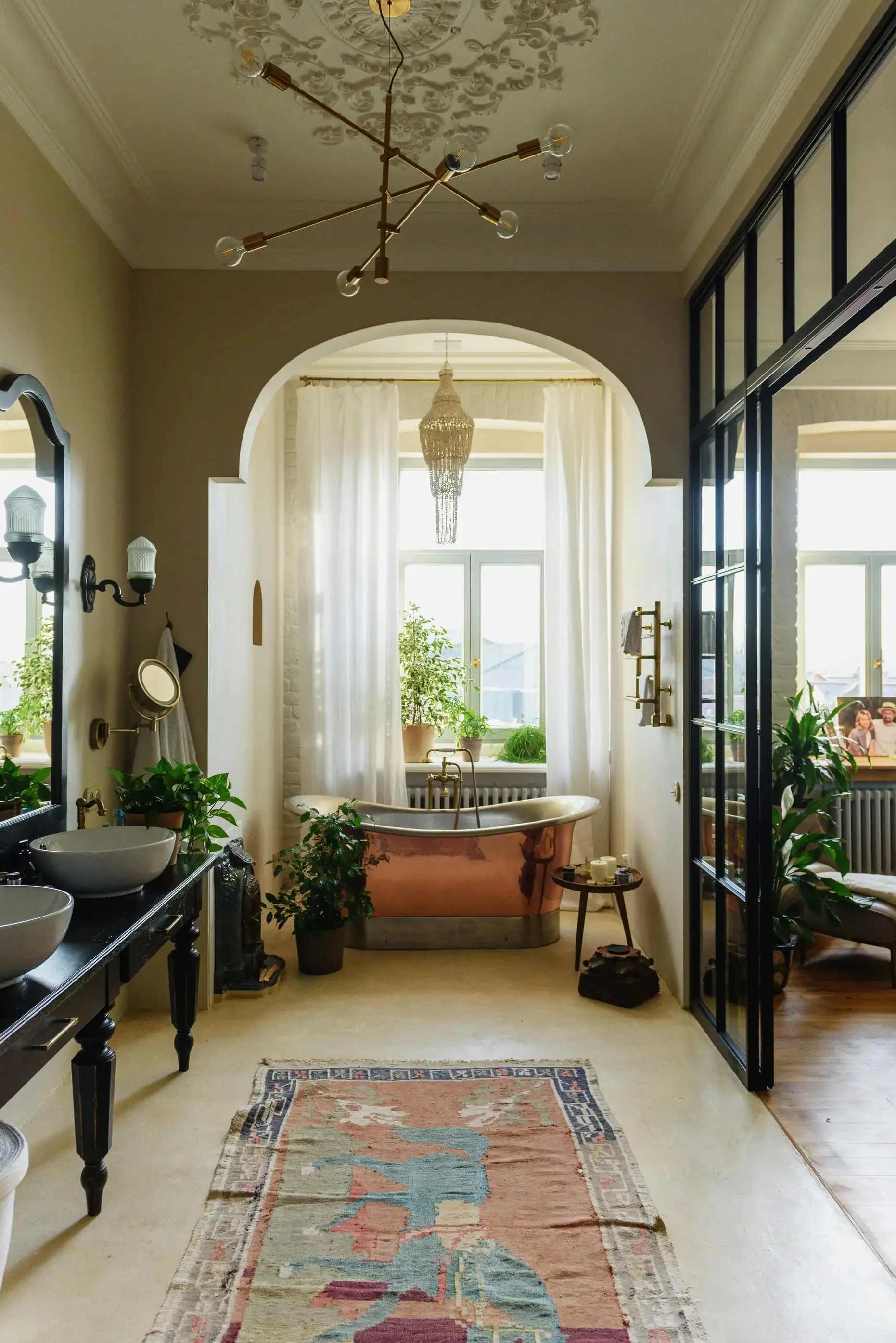
The primary bathroom has become the most personal room in a luxury home. It is no longer just a functional space for getting ready in the morning. For many homeowners, the bathroom has replaced the living room as the place where they actually unwind. According to the National Association of Home Builders (NAHB), spa-inspired bathroom features rank among the most desired elements in new luxury homes, with steam showers, soaking tubs, and heated floors topping buyer wish lists.
In Atlanta, where the pace of professional life is intense and the summers are long and humid, a spa bathroom offers daily refuge. But building one that performs as well as it looks requires more than picking nice tile. Georgia's humidity creates real challenges for ventilation and moisture management. Material choices that work in dry climates can fail here. And the difference between a bathroom that feels like a spa and one that just looks expensive comes down to details that most homeowners do not think about until it is too late.
This guide walks through every major element of a luxury spa bathroom: steam showers, soaking tubs, heated floors, natural stone, shower systems, lighting, ventilation, and the design decisions that separate a truly restorative space from a glossy magazine photo with no soul.
Steam Showers: The Heart of a Spa Bathroom
A steam shower turns an ordinary shower enclosure into a personal steam room. A compact generator (typically installed in a nearby closet, vanity cabinet, or attic space) heats water and delivers steam through a small outlet in the shower. Sessions typically run 15 to 20 minutes at 110 to 115 degrees Fahrenheit.
The health benefits have been studied extensively. According to research published in the National Library of Medicine, regular steam bathing may improve cardiovascular function, respiratory health, and skin quality. The relaxation benefits are well-documented across multiple clinical studies.
Building a proper steam shower requires attention to several details. The enclosure must be fully sealed with a vapor barrier behind the tile or stone. Ceilings should be sloped (at least 1 inch per foot) to prevent cold condensation from dripping on users. Glass must be tempered and the door should close tightly but not be airtight (a small gap at the bottom allows fresh air circulation). The steam generator should be sized to the cubic footage of the enclosure. Brands like Mr. Steam, ThermaSol, and Kohler offer residential units with digital controls, aromatherapy injection, and chromatherapy lighting.
Cost for the steam system itself (generator, controls, steam head) runs $3,000 to $8,000. The enclosure construction and waterproofing add $5,000 to $15,000 depending on size, stone choice, and complexity. For a complete luxury steam shower with bench seating, niche storage, and integrated chromatherapy, budget $15,000 to $30,000 total.
Soaking Tubs: Choosing the Right Style
The soaking tub is often the visual centerpiece of a luxury spa bathroom. Unlike jetted tubs (which have fallen out of fashion due to maintenance issues and noise), modern soaking tubs are about deep, quiet immersion in hot water.
Freestanding Tubs
Freestanding tubs are the most popular choice in current luxury design. They create a sculptural focal point and allow for flexible placement. Materials range from acrylic ($1,500 to $5,000) to cast iron ($2,000 to $8,000) to stone resin ($3,000 to $15,000) to natural stone ($8,000 to $30,000+). Stone resin offers the best combination of heat retention, durability, and design flexibility. Placement is key: the tub should face a window, fireplace, or feature wall, not a blank surface. Floor-mounted fillers (tub faucets that rise from the floor) complete the look.
Japanese Soaking Tubs (Ofuro)
Japanese soaking tubs are deeper (22 to 27 inches of water depth vs. 14 to 16 inches for standard tubs) but smaller in footprint. They are designed for sitting upright with water covering the shoulders. Traditional ofuro are made from hinoki (Japanese cypress) wood, which has natural antimicrobial properties and releases a soothing fragrance when hot. Modern versions are available in acrylic, copper, and stone. These tubs work particularly well in smaller spa bathrooms or as a second tub in a larger primary suite. Expect to pay $3,000 to $20,000 depending on material and size.
Built-In Drop-In Tubs
Drop-in tubs are set into a deck or platform, creating a seamless look with surrounding stone or tile. This style works well in traditional Atlanta luxury homes where the tub surround is part of a larger stone feature. The deck provides space for candles, bath products, and decorative elements. Built-in tubs are typically less expensive than freestanding for the tub itself ($1,000 to $5,000) but the deck construction and stone work add $5,000 to $20,000 or more. The integrated look is elegant but less versatile than freestanding since the tub cannot be repositioned during future renovations.
Heated Floors and Towel Warmers
If there is one upgrade that delivers outsized comfort for relatively modest cost, it is heated bathroom floors. Electric radiant floor heating mats (from brands like Nuheat, Ditra-Heat, and WarmlyYours) install directly under tile or stone and add minimal height to the floor assembly.
Materials cost $8 to $15 per square foot. Installation adds $3 to $5 per square foot. For a 150-square-foot primary bathroom, the total cost is roughly $1,650 to $3,000. A programmable thermostat allows you to schedule the heat to be on when you wake up and off during the day. Operating cost is typically $20 to $40 per month during cooler months.
Beyond comfort, heated floors serve a practical function in Atlanta: they keep stone and tile surfaces above the dew point, which reduces condensation and helps control moisture in a naturally humid environment. This is particularly valuable in bathrooms with steam showers.
Towel warmers are another high-impact, low-cost spa feature. Heated towel bars or freestanding towel racks cost $200 to $2,000 depending on the brand and style. Hardwired models look cleaner than plug-in units. European brands like Amba and Runtal offer both hydronic (connected to your hot water system) and electric options. A warm towel after a steam session is one of those small luxuries that transforms the daily routine.
Natural Stone Selection for Atlanta Spa Bathrooms
Stone is the material that most defines a luxury spa bathroom. The right stone creates an immediate sense of quality and permanence. But choosing stone for a bathroom in Atlanta requires understanding how different materials perform in a high-moisture, humid environment.
Marble remains the most desired stone for luxury bathrooms. Calacatta marble (white with bold gold veining) and Carrara marble (white with softer gray veining) are the most popular varieties in Atlanta luxury homes. Marble is porous and requires sealing every 6 to 12 months in a bathroom environment. It can etch from acidic products (shampoo, certain cleaners). Book-matched marble slabs (two slabs cut from the same block, opened like a book to create a mirror-image pattern) create a dramatic, high-end wall treatment. Marble costs $15 to $75 per square foot for material, plus $15 to $30 per square foot for installation.
Quartzite offers a marble-like appearance with significantly better durability. It is harder, more scratch-resistant, and less porous than marble. Varieties like Taj Mahal, Mont Blanc, and Sea Pearl mimic marble veining while handling moisture better. Quartzite costs $20 to $80 per square foot for material. For homeowners who want the look of marble without the maintenance anxiety, quartzite is the smart choice.
Travertine brings warmth and texture. Its natural pitting and warm tones create a rustic, organic spa feel. Filled and honed travertine is smoother and easier to maintain than tumbled or unfilled varieties. It requires sealing and is susceptible to etching, similar to marble. Travertine costs $5 to $30 per square foot for material. It pairs beautifully with wood accents and earth-toned design palettes.
Ventilation: The Most Overlooked Element in Atlanta Bathrooms
This is where many luxury bathroom projects in Atlanta go wrong. Georgia's outdoor humidity regularly exceeds 70% to 80% during summer months, per the National Weather Service. Add the moisture from a steam shower or long soak, and you have conditions that will destroy improperly ventilated spaces within a few years: mold behind tile, rotting framing, peeling paint, and deteriorating grout.
A standard bathroom exhaust fan rated at 50 to 80 CFM is not adequate for a luxury spa bathroom, especially one with a steam shower. The minimum recommendation is 1 CFM per square foot of floor area for a standard luxury bathroom. Steam showers require a dedicated exhaust rated at 2 to 3 CFM per square foot of the steam enclosure. An inline fan system (where the fan unit is located in the attic or between joists, connected to the bathroom by ductwork) runs quieter and moves more air than a ceiling-mount unit.
The exhaust must vent to the exterior of the home, not into the attic. Venting into the attic is a code violation in Georgia and a recipe for mold and structural damage. Rigid metal ductwork is preferred over flexible duct because it provides better airflow and is less prone to condensation buildup. A humidity-sensing switch that activates the fan automatically when moisture levels rise is a worthwhile addition ($50 to $200).
For bathrooms with operable windows, natural ventilation can supplement mechanical systems. But do not rely on windows alone in Atlanta. The outdoor humidity during summer is too high for windows to effectively remove moisture from a steamy bathroom.
Rainfall Showers and Multi-Outlet Systems
The shower experience in a luxury spa bathroom goes well beyond a single showerhead. Modern luxury showers are multi-outlet systems that can include a ceiling-mounted rainfall head, wall-mounted body jets, a handheld wand, and sometimes a waterfall feature. The goal is total body coverage and the ability to customize water pressure, temperature, and flow pattern.
A proper multi-outlet shower requires a thermostatic valve system (not a standard pressure-balance valve). Thermostatic valves maintain precise water temperature regardless of fluctuations in the home's water supply, which is critical when multiple outlets are running simultaneously. Brands like Dornbracht, Hansgrohe's Axor line, and Kohler's DTV+ system offer digital controls that let you preset combinations of outlets, temperature, and flow.
Rainfall showerheads range from 8 to 20 inches in diameter. The 12-inch to 16-inch range is the sweet spot for most luxury bathrooms. Ceiling-mount installation creates the most authentic rain-like sensation. The water supply line for a ceiling-mount head should be 3/4-inch to deliver adequate volume. Body jets (typically four to eight, arranged at staggered heights) provide a massage-like experience. They should be positioned to hit the shoulders, mid-back, and lower back.
Budget $3,000 to $15,000 for a complete luxury shower fixture package. The plumbing infrastructure (larger supply lines, additional valve bodies, recessed niches) adds $2,000 to $5,000 to the rough plumbing cost. A qualified plumber experienced in luxury bathrooms is essential; this is not a job for a general handyman.
Lighting, Chromatherapy, and Wellness Design
Lighting makes or breaks a spa bathroom. The ideal lighting plan creates layers: bright, even task lighting for grooming (4000K at the vanity), soft ambient lighting for bathing (2700K dimmed), and accent lighting to highlight architectural features or stone.
Dimmer switches on all bathroom lighting circuits are non-negotiable in a luxury spa design. LED strip lighting under floating vanities, along toe kicks, and inside shower niches adds depth and drama. Backlit mirrors provide even, shadow-free face lighting for grooming while serving as a design element. Smart lighting systems (Lutron, Ketra) allow you to program scenes: a "morning" scene with bright, energizing light and an "evening" scene with warm, low-level ambiance.
Chromatherapy (color-changing LED lighting in the shower, tub, or steam enclosure) has become a standard offering from luxury fixture manufacturers. Kohler, BainUltra, and ThermaSol all offer integrated chromatherapy systems. The colors cycle through a spectrum or can be set to a single color. While the clinical evidence for color therapy is limited, the experiential value is undeniable. A deep blue glow in a steam shower at the end of a long day changes the feel of the entire experience.
Aromatherapy is another wellness layer gaining traction. Essential oil injectors integrated into steam systems deliver scent directly into the steam. Eucalyptus, lavender, and peppermint are the most popular options. Some homeowners install discreet scent diffusers in the bathroom's HVAC return to maintain a subtle background fragrance. The goal is engaging multiple senses to create an experience that feels holistically restorative, not just visually impressive.
Luxury Spa Bathroom Budget Guide (Atlanta, 2026)
- Natural stone (material + install): $15,000 to $60,000+ depending on stone type, coverage area, and complexity (book-matching, waterfall edges, etc.).
- Steam shower (complete): $15,000 to $30,000 including generator, enclosure construction, waterproofing, bench, and controls.
- Soaking tub (freestanding, stone resin): $3,000 to $15,000 for the tub, plus $1,000 to $3,000 for floor-mount filler and installation.
- Multi-outlet shower system: $5,000 to $20,000 including fixtures, thermostatic valve, and rough plumbing modifications.
- Heated floors (150 sq ft): $1,650 to $3,000 installed. One of the best cost-to-impact ratios in a luxury bathroom.
- Ventilation upgrade: $500 to $3,000 for inline fan system with humidity sensing and exterior vent. Essential in Atlanta.
- Lighting (layered, with dimmers): $3,000 to $10,000 including fixtures, smart controls, and LED accent lighting.
Frequently Asked Questions
How much does a luxury spa bathroom renovation cost in Atlanta?
A full luxury spa bathroom renovation in Atlanta typically costs $75,000 to $200,000 or more, depending on the scope. A mid-range luxury remodel with heated floors, upgraded fixtures, and quality stone might run $75,000 to $120,000. A high-end project with a custom steam shower, freestanding soaking tub, full stone walls, smart fixtures, and premium ventilation can exceed $150,000 to $200,000. The largest cost drivers are natural stone (material and installation), custom glass enclosures, steam system installation, and plumbing reconfiguration. Labor in metro Atlanta for skilled tile and stone work runs $50 to $100+ per hour.
Is a steam shower worth the investment in a luxury home?
Steam showers are one of the most requested features in luxury bathroom renovations, and they do add measurable value at resale. According to data from the National Association of Home Builders (NAHB), steam showers rank among the top-10 most desired features in luxury bathrooms. Installation costs for a residential steam generator and properly sealed enclosure range from $5,000 to $15,000 on top of the base shower construction. Operating costs are modest since a typical steam session uses only about 2 gallons of water and roughly $1 to $2 in electricity. For personal wellness and resale appeal, steam showers offer strong value in the luxury segment.
What type of soaking tub is best for a spa bathroom?
The best soaking tub depends on your space, style, and bathing preferences. Freestanding tubs (cast iron, stone resin, or copper) make a dramatic visual statement and work best in larger bathrooms where the tub can be a focal point. Japanese soaking tubs (ofuro) are deeper but smaller in footprint, designed for sitting upright in hot water. Built-in drop-in tubs integrate seamlessly with surrounding stone or tile decks. For Atlanta luxury homes, freestanding stone resin tubs are the most popular choice because they retain heat well, are available in sculptural shapes, and complement both traditional and modern design aesthetics.
How important is ventilation in an Atlanta spa bathroom?
Ventilation is critical in Atlanta because of the region's high humidity. Georgia's humid subtropical climate means outdoor humidity regularly exceeds 70% to 80%, which combines with the moisture generated by steam showers and soaking tubs to create conditions that promote mold growth, wood rot, and finish deterioration. A spa bathroom needs a ventilation system rated for at least 1 CFM per square foot of floor area, and steam showers require dedicated exhaust rated at 2 to 3 CFM per square foot. An inline fan ducted to the exterior is more effective and quieter than a standard ceiling-mount unit. Budget $500 to $3,000 for proper ventilation depending on system complexity.
What natural stone works best in a spa bathroom?
Marble is the classic choice for luxury spa bathrooms, but it requires sealing and careful maintenance. Calacatta and Carrara marble remain the most popular for Atlanta luxury homes. Quartzite is harder and more stain-resistant than marble while offering similar veining patterns. Travertine brings warmth and a natural, organic feel but is porous and needs regular sealing. Slate provides a textured, earthy surface that works well in contemporary spa designs. For floors, honed or textured finishes are safer than polished when wet. For walls and tub surrounds, book-matched marble slabs create a dramatic, seamless look.
Are heated bathroom floors worth the cost?
Heated floors are one of the highest-impact, lowest-cost luxury additions you can make to a bathroom. Electric radiant floor heating mats cost $8 to $15 per square foot for materials and $3 to $5 per square foot for installation. For a 150-square-foot primary bathroom, total installed cost runs $1,650 to $3,000. Operating costs are minimal since the system only runs when you need it, typically costing $20 to $40 per month during cooler months. The comfort factor is significant, especially on cold mornings stepping onto stone or tile. Heated floors also help control moisture by keeping surfaces above the dew point, which reduces condensation.
What is chromatherapy and is it worth adding to a luxury bathroom?
Chromatherapy uses colored LED lighting integrated into tubs, showers, or steam rooms to create mood-enhancing bathing experiences. Different colors are associated with different effects: blue for calm, green for balance, red for energy. The evidence for medical benefits is limited, but the experiential value is real. Many luxury tub manufacturers (Kohler, BainUltra, MTI) offer built-in chromatherapy systems. Aftermarket LED strip lighting can achieve similar effects at lower cost. Adding chromatherapy typically costs $500 to $3,000 depending on integration complexity. It is a nice-to-have rather than a must-have, but it does signal luxury to buyers.
How long does a luxury spa bathroom renovation take?
A full luxury spa bathroom renovation in Atlanta typically takes 8 to 16 weeks from demolition to completion. The timeline breaks down roughly as follows: demolition and rough plumbing (1-2 weeks), waterproofing and sub-floor preparation (1 week), tile and stone installation (2-4 weeks), fixture and glass installation (1-2 weeks), painting, trim, and finishing (1-2 weeks), and punch list items (1 week). Steam shower installations, custom glass fabrication, and exotic stone sourcing can extend the timeline. Plan for 12 weeks as a realistic baseline and 16 weeks if your design includes complex custom elements.
What shower system should I choose for a luxury spa bathroom?
A luxury spa shower system typically includes multiple components: a large rainfall showerhead (12 to 16 inches), handheld shower on a slide bar, body jets (4 to 8 positioned at different heights), and a thermostatic valve system that controls all outlets independently. Brands like Dornbracht, Hansgrohe (Axor line), and Kohler offer integrated luxury shower systems. A digital thermostatic controller allows you to preset water temperature and flow patterns. Budget $3,000 to $15,000 for the fixture package depending on brand and configuration. The plumbing infrastructure to support multiple outlets requires larger supply lines (3/4-inch minimum) and a properly sized water heater.
Does a spa bathroom renovation increase home value?
Yes, but the return depends on the quality of work and how it compares to other homes in your market. According to Remodeling Magazine's Cost vs. Value report, upscale bathroom remodels typically recoup 50% to 65% of their cost at resale nationally. In Atlanta's luxury market, where buyers expect high-end primary bathrooms, a spa-quality renovation can recoup a higher percentage because it removes a potential objection. The greatest ROI comes from bathrooms that were outdated or below market standard before renovation. Over-improving beyond what the neighborhood supports can reduce the percentage return, even if it adds absolute value.
Looking for a Luxury Home with a Spa-Quality Bathroom?
Whether you want to buy a home that already has a spa-level primary bath or need guidance on renovation potential, our team knows the Atlanta luxury market inside and out.
Connect With Us

Sources
- National Association of Home Builders (NAHB) - "What Home Buyers Really Want" survey data, luxury bathroom feature preferences.
- National Library of Medicine (PubMed) - Clinical studies on steam bathing health benefits, cardiovascular and respiratory effects.
- Remodeling Magazine - Cost vs. Value Report, bathroom remodel ROI data for the Southeast region.
- National Weather Service (Atlanta) - Humidity data, climate normals for metro Atlanta.
- International Residential Code (IRC) - Bathroom ventilation requirements, exhaust fan specifications.
- Marble Institute of America / Natural Stone Institute - Stone selection, sealing recommendations, and performance data for bathroom applications.
Cost estimates reflect Atlanta metro area pricing as of early 2026 and may vary based on material selection, contractor, and project scope. This article is for informational purposes only and does not constitute professional design or construction advice.
Disclaimer: This article is for informational purposes only and does not constitute professional construction, design, or medical advice. Health claims regarding steam bathing and wellness features are based on published research but should not be considered medical recommendations. Always consult with licensed contractors, designers, and your physician as appropriate. The Luxury Realtor Group is a real estate brokerage and does not provide construction, design, or medical services.