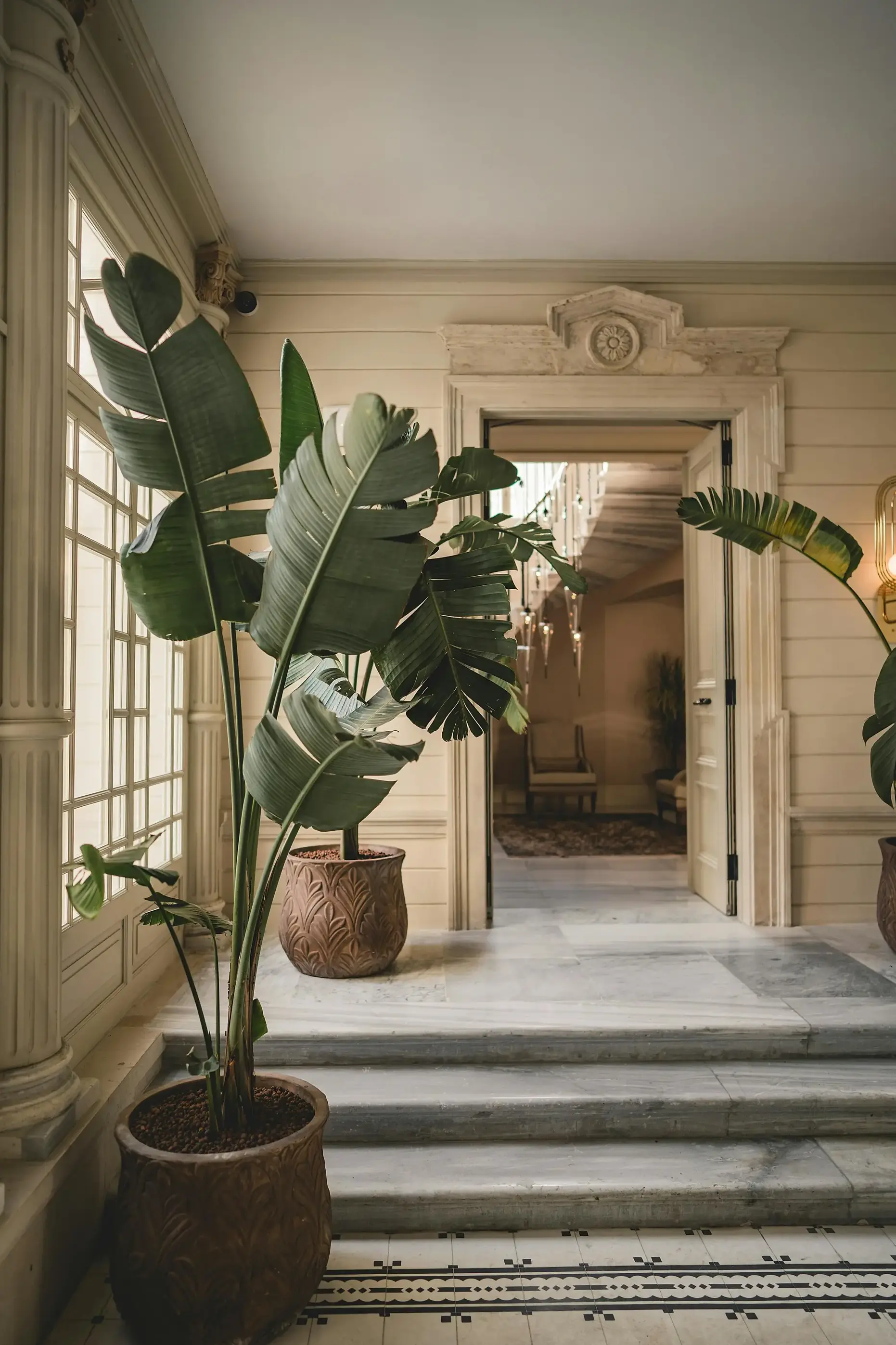
Nothing signals luxury in a home quite like natural stone. The veining of a Calacatta marble island, the warmth of a quartzite countertop, the solidity of a granite-topped outdoor kitchen. In Atlanta's luxury market, stone selection is one of the details that separates truly exceptional homes from merely expensive ones.
But natural stone is not all the same. Each type has different hardness, porosity, maintenance requirements, and price points. Choosing the wrong stone for the wrong application can mean thousands of dollars in replacement costs or a surface that never looks right. And Georgia's climate adds its own considerations, particularly for outdoor stone applications that must handle humidity, heat, and occasional freezing temperatures.
This guide covers the major natural stone types used in Atlanta luxury homes, where each one works best, how to maintain them, what they cost, and what trends are shaping stone selection in 2026.
Marble: The Classic Luxury Statement
Marble has been synonymous with luxury for thousands of years. It was the stone of choice for Roman temples, Renaissance sculptures, and the most prestigious buildings in America. Georgia has its own marble tradition: the quarries in Pickens County near the town of Tate produced the marble used in the Lincoln Memorial and portions of the U.S. Capitol building, according to the New Georgia Encyclopedia.
In luxury homes, marble is most commonly used for countertops, flooring, bathroom surrounds, and fireplace facades. Carrara marble (gray veining on white) and Calacatta marble (bolder, more dramatic veining) from Italy are the most popular choices. Calacatta Gold, with its warm gold and gray veining on a bright white base, is one of the most sought-after stones in the luxury market, with slab prices sometimes exceeding $200 per square foot before fabrication.
The practical reality of marble is that it requires more care than most other stones. Marble is a 3 to 5 on the Mohs hardness scale (compared to 6 to 7 for granite), which means it scratches more easily. It is also calcium-based, making it reactive to acids. Lemon juice, vinegar, wine, and even some cleaning products can etch the surface, leaving dull marks. These characteristics do not make marble a poor choice. They make it a choice that requires awareness.
For homeowners willing to seal marble every 6 to 12 months, wipe up spills promptly, and use cutting boards rather than cutting directly on the surface, marble can last generations. Many homeowners actually prefer the lived-in patina that develops over time. In Atlanta's luxury market, marble remains the top choice for primary bathrooms, foyer floors, and statement kitchen islands.
Granite and Quartzite: Durability Meets Beauty
Granite dominated luxury kitchens from the 1990s through the 2010s and remains a strong choice. It rates 6 to 7 on the Mohs hardness scale, resists scratching and heat, and comes in a wide range of colors and patterns. Atlanta's stone yards carry hundreds of granite varieties, from deep blacks and blues to warm golds and creams. Installed pricing typically runs $60 to $150 per square foot, making it one of the more accessible natural stone options for luxury homes.
Quartzite has emerged as the stone of choice for luxury kitchens in 2026. It forms when sandstone is subjected to extreme heat and pressure, creating a stone that is actually harder than granite (7 on the Mohs scale, per the Mineralogical Society database). What makes quartzite special is that it offers marble-like aesthetics with granite-level durability.
The most popular quartzite varieties in Atlanta luxury homes include Taj Mahal (warm golden tones with subtle veining), Sea Pearl (cool whites and grays), Super White (bright white with gray movement, often mistaken for marble), and Cristallo (translucent whites with dramatic veining). These stones provide the light, airy aesthetic that modern luxury kitchens demand without the maintenance concerns of marble.
The main trade-off with quartzite is price. Premium quartzite varieties can cost $100 to $250 per square foot installed, placing them at or above marble pricing. However, many homeowners consider the reduced maintenance worth the premium.
Choosing Stone for a Home You Will Eventually Sell?
Some stone selections age into an asset and some date a house within a few years. A quick review before you buy slabs is cheap insurance.
Get a Resale Read on My Selectionsor call (770) 727-4052
Soapstone, Limestone, and Travertine
Soapstone is having a moment in Atlanta's luxury kitchen scene. This metamorphic rock has been used for centuries in labs and apothecary counters because of one key property: it is completely non-porous. Soapstone does not stain. It does not need sealing. Acids do not etch it. It is naturally antibacterial.
Soapstone is softer than granite or quartzite (1 to 5 on Mohs depending on talc content), so it can scratch. But scratches are easily buffed out with fine sandpaper or mineral oil. Over time, soapstone develops a rich, dark patina that many homeowners find appealing. New soapstone is typically a medium gray; with regular mineral oil application, it darkens to a deep charcoal. Pricing ranges from $70 to $150 per square foot installed.
Limestone offers a warm, matte appearance that works beautifully in traditional and transitional Atlanta luxury homes. It is softer and more porous than granite, requiring regular sealing, but its understated elegance makes it popular for flooring, fireplace surrounds, and bathroom vanities. Jerusalem Stone, a warm cream limestone, is frequently used in luxury bathrooms. Installed pricing typically runs $50 to $120 per square foot.
Travertine is a form of limestone with a distinctive pitted surface that can be filled and polished or left in its natural state. It has been a popular choice for bathroom floors, shower surrounds, and outdoor applications in Atlanta luxury homes. Tumbled travertine is especially popular around pools because it stays cool underfoot and provides excellent traction when wet. According to the Natural Stone Institute, travertine is one of the most popular natural stones for outdoor pool decking in the southeastern United States. Installed pricing ranges from $15 to $30 per square foot for tiles, with premium varieties reaching $50 or more.
Best Natural Stone by Room and Application
- Kitchen countertops: Quartzite (best durability-to-beauty ratio), granite (proven workhorse), marble (statement choice with more maintenance), soapstone (unique character, zero porosity).
- Kitchen backsplash: Marble (less wear than countertops so maintenance is manageable), limestone, or matching the countertop stone as a full-height backsplash.
- Primary bathroom: Marble (the luxury standard for bathrooms), quartzite, limestone. Book-matched marble slabs on vanity walls are a major design statement.
- Flooring (interior): Marble (foyers, hallways), limestone (warm traditional feel), travertine (bathroom floors), granite (high-traffic areas).
- Outdoor kitchen: Granite (handles heat and weather), quartzite (premium option with excellent weather resistance).
- Pool deck: Tumbled travertine (cool underfoot, excellent grip), bluestone, flagstone.
- Fireplace surround: Marble (classic), limestone (warm, understated), Georgia marble (regional authenticity).
Sealing, Maintenance, and Long-Term Care
Proper maintenance is what separates natural stone that looks stunning after 20 years from stone that looks tired after five. The two most important factors are sealing and daily care.
Sealing: Most natural stones are porous to some degree, meaning they can absorb liquids that cause staining. Sealing fills the microscopic pores in the stone surface, creating a barrier against absorption. Penetrating sealers (which soak into the stone rather than sitting on top) are the standard for luxury applications. Professional-grade sealers from brands like StoneTech, Dry-Treat, and Tenax are commonly used by Atlanta stone installers.
Sealing schedules vary by stone type: marble and limestone every 6 to 12 months, granite every 1 to 2 years, quartzite every 1 to 3 years. Soapstone does not require sealing. The simple water drop test tells you when it is time to reseal: place drops of water on the surface and wait 10 minutes. If the stone darkens where the water sat, the sealer has worn off and the stone needs resealing.
Daily care: Clean natural stone with pH-neutral stone cleaners, not household cleaners like Windex, bleach, or vinegar. Acidic cleaners will etch marble and limestone. Abrasive cleaners can scratch softer stones. Simple warm water and a pH-neutral cleaner (available at most Atlanta stone suppliers) is all you need for daily cleaning. Use trivets for hot pans, cutting boards for food prep, and coasters for glasses on marble surfaces.
Natural Stone Cost Comparison (Installed, Per Square Foot)
- Granite: $60 to $150. Widest range of price points. Exotic varieties like Blue Bahia can exceed $200.
- Marble (Carrara): $75 to $150. The most accessible marble variety for luxury applications.
- Marble (Calacatta): $150 to $300+. Rarer, more dramatic veining commands significant premium.
- Quartzite: $80 to $250. Taj Mahal and Cristallo varieties at the higher end.
- Soapstone: $70 to $150. Consistent pricing due to fewer variety options.
- Limestone: $50 to $120. Excellent value for flooring and accent applications.
- Travertine (tile): $15 to $50. Budget-friendly for large-area applications like pool decks.
Prices reflect Atlanta market averages as of early 2026 and include standard fabrication and installation. Complex cuts, edge profiles, and waterfall edges add to the cost.
Natural Stone Design Trends in Atlanta Luxury Homes
Stone design in Atlanta's luxury market is evolving. Here are the trends we see shaping the most desirable homes in 2026.
Book-matched statement walls: Two consecutive slabs from the same stone block are opened like a book to create a mirror-image pattern. When installed on a feature wall or behind a freestanding bathtub, the effect is dramatic. This technique works best with bold-veined marbles like Calacatta or high-movement quartzites.
Full-height backsplashes: Rather than a four-inch splash behind the countertop, luxury kitchens now commonly carry the stone from the countertop all the way to the upper cabinets (or ceiling in areas without uppers). This creates a seamless look that makes the stone the focal point of the kitchen.
Waterfall and mitered edges: The waterfall edge, where the countertop stone flows down the side of an island to the floor, has become standard in luxury kitchens. Mitered edges (where the stone is cut at a 45-degree angle to create the appearance of a thick slab) add weight and presence. These details add $1,500 to $5,000 to a kitchen project but significantly elevate the finished look.
Fluted and textured stone: Stone panels with vertical fluting (parallel grooves carved into the surface) are appearing as accent walls, kitchen island fronts, and bathroom vanity bases. This technique adds dimension and a modern edge to traditional stone materials.
Warm-toned stones over cool: After years of cool whites and grays dominating, the trend in 2026 is shifting toward warmer stone tones. Taj Mahal quartzite (warm gold), honey onyx, and warm cream limestones are appearing more frequently in Buckhead and Sandy Springs luxury renovations.
Frequently Asked Questions
What is the best natural stone for kitchen countertops in a luxury home?
Quartzite is widely considered the best natural stone for luxury kitchen countertops in 2026. It offers the beauty of marble with significantly better durability. Quartzite is harder than granite on the Mohs scale, resists heat, and is less porous than marble, meaning it stains less easily. Popular varieties like Taj Mahal, Sea Pearl, and Super White provide the light, elegant look many homeowners want without the maintenance concerns of marble. That said, marble remains the top choice for homeowners who prioritize aesthetics above all else and are willing to maintain it. The best choice depends on how you use your kitchen and your tolerance for patina.
How often should natural stone countertops be sealed?
Sealing frequency depends on the stone type and usage. Marble and limestone typically need resealing every 6 to 12 months in high-use areas like kitchen countertops. Granite should be sealed every 1 to 2 years. Quartzite generally needs sealing every 1 to 3 years depending on the specific variety (some quartzites are nearly non-porous). Soapstone does not require sealing at all because it is non-porous, though many owners apply mineral oil periodically to enhance the color. The water drop test is a simple way to check: place a few drops of water on the surface and wait 10 minutes. If the stone darkens under the water, it is time to reseal.
Is marble a bad choice for kitchen countertops?
Marble is not a bad choice, but it requires realistic expectations. Marble is softer than granite and quartzite, which means it scratches more easily. It is also more porous and reactive to acids, so lemon juice, wine, and tomato sauce can cause etching (dull spots) if not wiped up promptly. Over time, a marble countertop develops a patina that many homeowners find beautiful. If you want a pristine, unmarked surface, marble may frustrate you. If you appreciate how the stone ages and evolves, marble can be stunning in a luxury kitchen. Many Atlanta luxury homeowners use marble for their primary kitchen island while using quartzite for perimeter countertops to get the best of both worlds.
What is the price range for natural stone countertops in Atlanta?
Installed pricing for natural stone countertops in Atlanta luxury homes varies widely by stone type and complexity. Granite typically runs $60 to $150 per square foot installed. Standard marble costs $75 to $200 per square foot, with rare varieties like Calacatta Gold reaching $300 or more. Quartzite ranges from $80 to $250 per square foot depending on the variety. Soapstone costs $70 to $150 per square foot. Limestone runs $50 to $120 per square foot. These prices include fabrication (cutting, edging, polishing) and professional installation. A luxury kitchen with 60 to 80 square feet of countertop space might cost $6,000 to $20,000 or more in stone alone, depending on the material selected.
What is the difference between quartzite and quartz?
Quartzite and quartz are completely different materials despite the similar names. Quartzite is a natural stone formed when sandstone is subjected to extreme heat and pressure deep in the earth. Each slab is unique, mined from a quarry, and finished by a stone fabricator. Quartz (also called engineered quartz) is a manufactured product made from roughly 90% ground natural quartz crystals mixed with 10% polymer resins and pigments. Quartz is consistent in pattern and color, requires no sealing, and is highly durable. Quartzite offers the one-of-a-kind character of natural stone with superior hardness. In the luxury market, quartzite is generally considered more prestigious, while quartz is valued for its low maintenance.
Can I use natural stone in my bathroom without it being damaged by water?
Yes, but stone selection and sealing are critical. Granite and quartzite perform well in bathrooms because of their lower porosity. Marble is commonly used in luxury bathrooms but requires regular sealing and prompt cleanup of standing water to prevent staining and etching. Limestone and travertine are popular for bathroom floors and shower surrounds but must be sealed thoroughly and re-sealed regularly. Soapstone is excellent for bathrooms because it is naturally non-porous. For shower floors specifically, look for stones with a honed or textured finish rather than polished, as polished stone becomes very slippery when wet.
Does Georgia have its own marble quarries?
Yes. Georgia has a long history of marble quarrying, centered in Pickens County around the town of Tate, about 60 miles north of Atlanta. Georgia marble was used in the Lincoln Memorial, the U.S. Capitol, and numerous federal buildings in Washington, D.C. The primary quarry, now operated by Polycor, produces Georgia White and Cherokee marble varieties. Georgia marble is a calcite-based marble with a warm white to creamy tone and subtle gray veining. It is softer than some imported marbles and works best in applications like flooring, fireplace surrounds, and accent walls where it will not be subjected to heavy kitchen use.
What natural stone works best for outdoor applications in Atlanta?
Atlanta's hot, humid summers and occasional freezing winters require stones that handle moisture and temperature changes well. Granite is the most durable option for outdoor countertops, walkways, and pool surrounds. Bluestone and flagstone are popular for patios and pathways. Travertine in a tumbled or honed finish works well for pool decks because it stays cooler underfoot than darker stones and provides good traction when wet. Limestone works for outdoor applications but must be sealed more frequently. Avoid polished marble outdoors because it becomes slippery when wet and is susceptible to acid rain etching and freeze-thaw cracking.
How do I evaluate natural stone quality when buying a luxury home?
When touring luxury homes, examine the stone surfaces carefully. Look for consistent color and veining across large surfaces (indicating slabs were book-matched or selected from the same block). Check edges and seams for tight, clean joints. Run your hand across the surface to feel for chips, pitting, or rough spots. In kitchens, look for signs of etching on marble (dull rings or spots from acidic substances). Check whether countertops and floors have been recently sealed. Ask the seller or listing agent about the stone type, origin, and maintenance history. In bathrooms, look for water stains or mineral deposits around drains and faucets, which may indicate inadequate sealing.
What are the trending natural stone choices in Atlanta luxury homes in 2026?
Several trends are driving stone selection in Atlanta luxury homes right now. Quartzite continues to gain market share, with Taj Mahal and Cristallo varieties being especially popular for their warm, sophisticated tones. Fluted or ribbed stone panels are being used as accent walls and kitchen islands for added texture. Large-format stone slabs (bookmatch installations where two slabs are opened like a book to create a mirror image) are popular in primary bathrooms and statement walls. Soapstone is seeing a resurgence in high-end kitchens for its unique, evolving character. And locally sourced Georgia marble is being used in boutique and custom homes as a regional design statement.
Looking for a luxury home with exceptional stone finishes in Atlanta?
Sources
- New Georgia Encyclopedia - History of the marble industry in Georgia, Pickens County quarry data, and Georgia marble usage in federal buildings.
- Natural Stone Institute (formerly Marble Institute of America) - Stone care guidelines, industry standards, and application recommendations for residential stone installations.
- Mineralogical Society / Mindat.org - Mohs hardness data for quartzite, granite, marble, and other natural stones.
- Polycor Inc. - Georgia marble quarry operations data and product specifications for Georgia White and Cherokee marble varieties.
- StoneTech / Laticrete - Professional stone sealing products, sealing frequency recommendations, and maintenance protocols.
Pricing estimates, maintenance schedules, and product recommendations reflect Atlanta market conditions as of early 2026 and may vary by supplier, fabricator, and project complexity. This article does not constitute an endorsement of any specific stone supplier or fabricator.
Disclaimer: This article is for informational purposes only. Natural stone pricing, availability, and performance characteristics may vary by supplier, quarry, and individual slab. The Luxury Realtor Group is a real estate brokerage and does not sell or install stone products. Consult with qualified stone fabricators and interior designers for project-specific guidance.