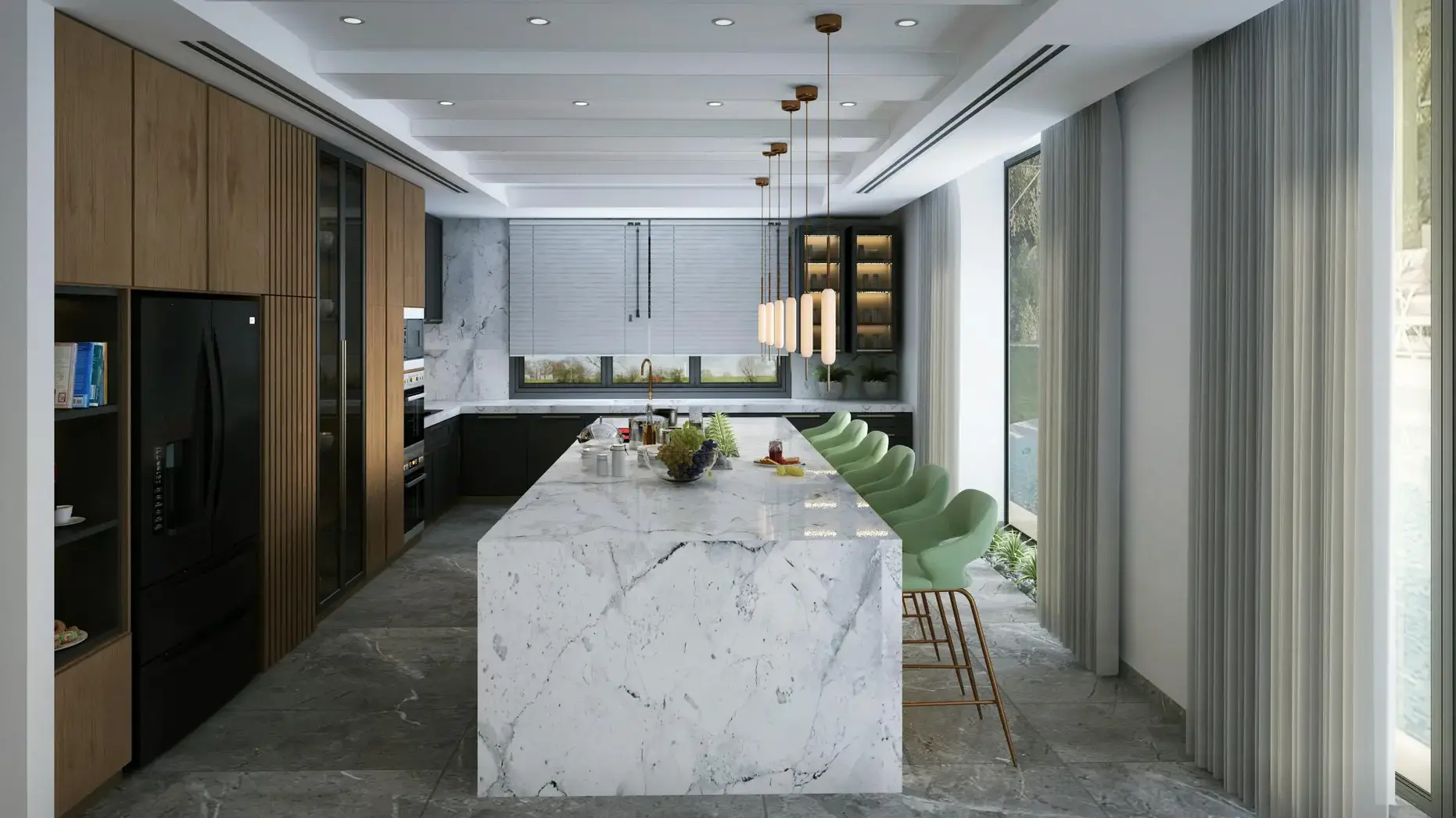
The kitchen has been the most scrutinized room in luxury real estate for at least two decades. Buyers touring $1.5 million-plus homes in Atlanta spend more time evaluating the kitchen than any other space, and their expectations in 2026 have shifted significantly from even three years ago. According to the National Kitchen and Bath Association (NKBA), kitchen renovations account for the largest share of home improvement spending nationally, with luxury projects averaging well above six figures.
What is different about 2026 is the convergence of several forces: warmer design palettes replacing the cool whites of the 2010s, integrated technology that disappears rather than shows off, and a renewed emphasis on materials with character and imperfection. The polished, sterile look is out. Kitchens that feel lived-in, collected, and personal are in. That does not mean casual. It means intentional.
Here is what we are seeing in the highest-end Atlanta kitchens right now, and what buyers expect when they walk through properties in Buckhead, Sandy Springs, Brookhaven, and other top-tier neighborhoods.
The Waterfall Island: Still the Centerpiece
Waterfall islands have been a luxury kitchen staple for a decade now, and they show no signs of fading in Atlanta. If anything, the execution has become more refined. The basic concept remains the same: the countertop stone continues down the sides of the island to the floor, creating an uninterrupted cascade of material. What has changed is the stone selection and the scale.
In 2026, the preferred stones for waterfall applications tend to have dramatic movement and warm undertones. Quartzites like Taj Mahal, Cristallo, and Sea Pearl are showing up in the most high-end projects. Marble varieties like Calacatta Borghini and Arabescato Corchia remain popular for buyers who want the classic white-and-gray palette. The key trend is book-matching, where slabs are cut and mirrored so the veining pattern flows continuously across the top and down the sides. This requires sourcing from the same block and adds significantly to material costs, but the visual effect is worth it for discerning buyers.
Island dimensions have also grown. The standard luxury island in Atlanta new construction is now 10 to 12 feet long, with double waterfalls on both ends increasingly common in homes above the $3 million price point. Many islands now incorporate a mix of functions: a prep sink on one end, seating on the other, and concealed storage underneath with panel-ready drawers that blend with the cabinetry.
Statement Range Hoods as Architectural Elements
The range hood has evolved from a functional necessity into the single most prominent design feature in many luxury kitchens. In Atlanta homes above $2 million, the hood is often the first thing you notice when entering the kitchen. Custom plaster hoods with a smooth, hand-troweled finish are the dominant choice in 2026, particularly in traditional and transitional kitchens. These hoods create a seamless sculptural form above the range and can be finished to match the wall color or stand out in a contrasting shade.
Metal hoods are the second major category. Brushed brass, antiqued steel, zinc, and blackened iron are all popular choices. These tend to appear in more contemporary or European-inspired kitchens. Companies like Francois & Co. and RangeCraft have built significant followings among Atlanta designers and builders for their custom metal hood work.
The functional requirements have not changed: a properly sized hood should be at least as wide as the cooktop and provide 600 to 1,200 CFM of ventilation for a professional-grade range. The trend is to conceal the mechanical components inside the decorative surround so the hood looks like a permanent architectural feature rather than an appliance. Internal baffles and remote-mounted blowers help achieve this by keeping the visible portion of the hood clean and quiet.
Integrated Appliances: The Invisible Kitchen
The biggest shift in luxury kitchen appliances over the past several years is the push toward integration. Panel-ready refrigerators, dishwashers, and freezer columns that sit flush with surrounding cabinetry have gone from a luxury upgrade to a baseline expectation in Atlanta homes above $1.5 million. The goal is a kitchen where you cannot immediately tell which cabinet doors conceal appliances and which hold plates.
Sub-Zero remains the standard-bearer for integrated refrigeration. Their column refrigerator and freezer units allow designers to place refrigeration wherever it makes the most sense in the kitchen layout, rather than being limited by the traditional side-by-side or French-door footprint. The 30-inch refrigerator column paired with a separate 18-inch freezer column has become one of the most commonly specified configurations in high-end Atlanta projects.
Beyond refrigeration, built-in coffee systems (Miele and Gaggenau lead here), steam ovens, speed ovens (microwave-convection hybrids), and warming drawers have all become standard in the luxury spec package. The overall trend is toward having more specialized appliances, each with a single function, rather than fewer multi-purpose units. A luxury kitchen in 2026 might include six or seven built-in appliances where a decade ago there were three or four.
Planning a Kitchen Before You List?
Kitchens carry more weight than any other room in a luxury sale, which is exactly why overbuilding is a real risk. Scope it to the neighborhood.
Get a Value Read on the Planor call (770) 727-4052
Butler's Pantries and Back Kitchens
If there is one feature that separates a truly high-end kitchen from a nice kitchen, it is the butler's pantry. In Atlanta luxury new construction above the $2 million mark, a dedicated butler's pantry or full back kitchen has become nearly universal. These spaces serve as the working backbone of the kitchen, handling everything from meal prep and catering staging to wine storage and bar service.
The modern butler's pantry typically includes: a secondary sink (often with a disposal), a second dishwasher, additional countertop workspace, glass-front or open shelving for serving pieces, wine refrigeration, and sometimes a secondary oven or warming drawer. The most elaborate versions function as fully independent kitchens with their own cooktop, full-size refrigerator, and separate countertop surfaces.
What drives this trend is the open floor plan. When the kitchen is visible from the living and dining areas at all times, homeowners want a place to hide the mess. The back kitchen becomes the staging area for dinner parties, holiday meals, and everyday cooking that generates clutter. According to the Houzz Kitchen Trends Study, butler's pantries are among the most requested features in upscale renovations nationally.
Color Shifts and the Mixed-Metal Movement
The all-white kitchen had a dominant run from roughly 2012 to 2022. It is not gone, but it has been reshaped. In 2026, Atlanta luxury kitchens are moving toward warmer, more nuanced palettes. The bright, cool white that defined the last decade has been replaced by creamy whites, warm taupes, and soft greige tones that photograph well and feel more inviting in person.
Two-tone cabinetry continues to be a strong choice. The most common approach pairs a light perimeter (warm white or soft gray) with a contrasting island in a deeper shade. Navy blue, hunter green, charcoal gray, and rich espresso are the most popular island colors in the Atlanta market. Natural wood islands, particularly in white oak or rift-cut oak, have gained considerable ground and add a textural element that painted finishes cannot match.
On the hardware and fixture front, the era of matching every metal in the room is decisively over. Mixed metals are the standard approach in high-end design. A typical 2026 Atlanta luxury kitchen might combine unlacquered brass cabinet pulls, a polished nickel bridge faucet, stainless steel appliances, and a matte black pot filler. The key is intentionality: designers recommend selecting one dominant metal and one or two accent metals, rather than randomly mixing every finish available.
Quick Takes: Stone, Shelving, and Other Details
- Natural stone backsplashes: Full-height slab backsplashes (the same stone as the countertop running all the way to the upper cabinets) are replacing tile backsplashes in the highest-end kitchens. This creates a seamless, monolithic look that showcases the stone's veining.
- Open shelving (with limits): Open shelving has not disappeared, but it has been pulled back significantly. Most luxury kitchens now use it sparingly, perhaps flanking a window or in a butler's pantry, rather than as the primary storage system. Closed cabinetry with concealed storage remains dominant.
- Pot fillers: Considered standard in luxury kitchens above $1 million in Atlanta. Typically installed in a contrasting metal to the primary faucet. Wall-mounted models remain more popular than deck-mounted versions.
- Lighting: Under-cabinet LED strips are baseline. Statement pendants over the island have evolved toward sculptural fixtures in brass, glass, or organic materials. Recessed lighting is moving toward trimless or flangeless options that disappear into the ceiling.
- Sink trends: Workstation sinks (with integrated cutting boards, colanders, and drying racks) have become the default in primary sink positions. Stainless steel remains the most practical choice, but fireclay and natural stone sinks appear in butler's pantries and secondary positions.
What Atlanta Luxury Buyers Expect in 2026
Working with buyers across Buckhead, Sandy Springs, Brookhaven, and other high-end Atlanta neighborhoods, we see consistent patterns in what generates excitement and what triggers concern during kitchen evaluations.
The features buyers treat as non-negotiable at the $1.5 million-plus price point include: professional-grade appliances (Sub-Zero/Wolf, Thermador, or equivalent), natural stone countertops, a large island with seating, a pot filler, an oversized sink, and a butler's pantry or dedicated pantry space. Homes missing these features either sell at a discount or require price adjustments.
The features that differentiate a property and can command a premium include: book-matched waterfall islands, custom plaster or metal range hoods, integrated panel-ready appliances, a full back kitchen, wine storage, and thoughtful lighting design with dimmable zones. These are the details that make a buyer say "this is the one" rather than "this will work."
Dated elements that concern buyers most include: granite countertops (especially in brown or gold tones), raised-panel cherry cabinets, ornate crown molding, tile countertops, and visible appliance fronts (non-panel-ready). These trigger immediate mental remodeling estimates and lower perceived value. According to listing data from FMLS, luxury homes in Atlanta with recently updated kitchens sell an average of 15 to 25 days faster than comparable properties with original kitchens. For what these upgrades return at resale, along with the bath features commanding similar premiums, see our breakdown of kitchen and bath trends driving Atlanta luxury home values.
Working with Atlanta Kitchen Designers and Builders
A luxury kitchen remodel in Atlanta is a serious investment that requires the right team. The design-build firms and kitchen designers who handle high-end projects in this market bring a level of material knowledge, contractor relationships, and project management that general contractors typically cannot match. Lead times for custom cabinetry run 12 to 20 weeks in the current market, and imported stone can take 8 to 12 weeks from selection to fabrication. Starting a remodel without accounting for these timelines is one of the most common and expensive mistakes homeowners make.
The best approach is to engage a designer before purchasing stone or appliances. Design decisions should flow from the overall vision to specific material selections, not the other way around. Many homeowners make the mistake of falling in love with a particular slab of marble and then trying to build the entire kitchen around it. A skilled designer starts with the layout, flow, and function, and then selects materials that serve the design.
For those buying a luxury home rather than renovating, the kitchen should be evaluated with a critical eye toward both current condition and future flexibility. A kitchen that is well-built but aesthetically dated may be a better investment than one with trendy finishes but poor bones. Look at cabinet construction quality, plumbing location, electrical capacity, and ventilation infrastructure. These are the elements that are expensive to change, while surface finishes like countertops, hardware, and paint can be updated more easily.
Frequently Asked Questions
What is the most popular countertop material in Atlanta luxury kitchens in 2026?
Natural quartzite has taken the top spot for Atlanta luxury kitchens in 2026, surpassing both engineered quartz and marble in the high-end segment. Quartzite offers the veining and visual warmth of marble with significantly better durability and heat resistance. Stones like Taj Mahal, Sea Pearl, and Calacatta quartzite are especially popular. Marble remains a strong second choice for homeowners who prioritize aesthetics and are willing to manage the maintenance. According to the National Kitchen and Bath Association (NKBA), natural stone countertops appear in roughly 70% of luxury kitchen remodels nationally.
How much does a luxury kitchen remodel cost in Atlanta?
A full luxury kitchen remodel in Atlanta typically ranges from $150,000 to $400,000 or more, depending on size, materials, and scope. A mid-range luxury renovation (high-quality cabinets, natural stone, premium appliances) generally falls between $150,000 and $250,000. A top-tier remodel with fully custom cabinetry, imported stone, commercial-grade appliances, and structural changes can exceed $400,000. According to Remodeling Magazine's Cost vs. Value Report, upscale kitchen remodels in the South Atlantic region recoup approximately 50% to 60% of their cost at resale, though this varies by market and execution quality.
Are open kitchens still popular in luxury homes?
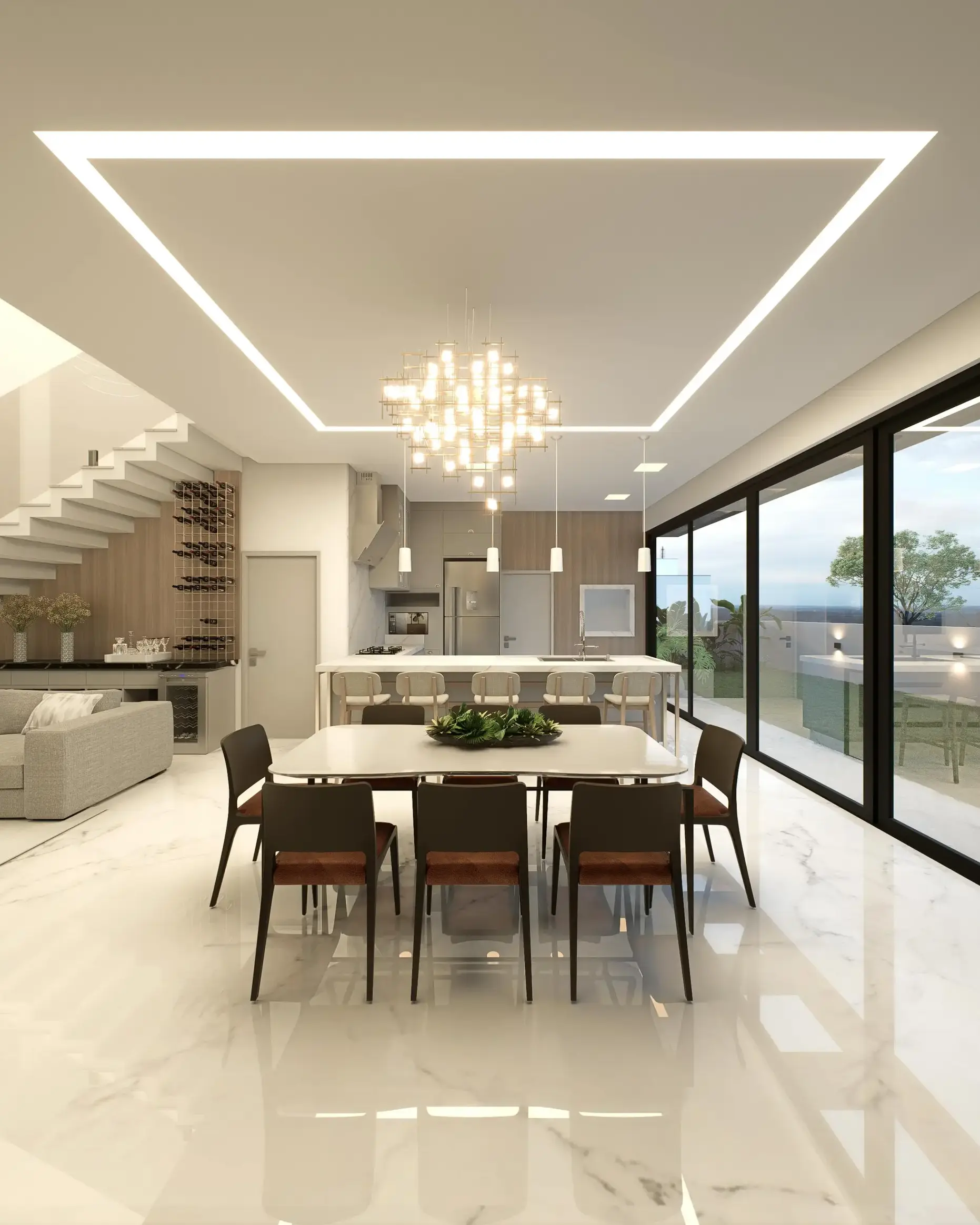
Open kitchens remain the dominant layout in Atlanta luxury homes, but the definition of 'open' has evolved. The fully open floor plan with zero separation is giving way to what designers call 'broken plan' layouts. These use partial walls, large islands, or archways to create visual separation without closing off the space entirely. Butler's pantries and back kitchens have become essential supplements, allowing the main kitchen to stay clean and presentable while the messy work happens out of sight. The trend is openness with options for concealment.
What appliance brands do Atlanta luxury homeowners prefer?
The most specified brands in Atlanta luxury kitchens include Sub-Zero and Wolf (the legacy standard for refrigeration and cooking), Thermador (popular for its steam ovens and induction cooktops), Miele (favored for dishwashers and built-in coffee systems), and Gaggenau (the ultra-premium European option). Cove dishwashers, from the Sub-Zero/Wolf family, have gained significant traction. For ranges, La Cornue and Lacanche represent the absolute top tier for buyers who want a statement piece. Integrated panel-ready appliances that disappear behind cabinetry are the dominant installation style in 2026.
What is a waterfall island and why is it popular?
A waterfall island is a kitchen island where the countertop material continues vertically down one or both sides to the floor, creating a seamless 'waterfall' effect. This design showcases the beauty of the stone, creates a modern architectural statement, and hides the end panels of the island. In Atlanta luxury kitchens, waterfall islands are popular because they work equally well in traditional and contemporary settings. Natural stones with dramatic veining, such as Calacatta marble or Taj Mahal quartzite, are especially striking in this application. The typical added cost for a waterfall edge is $3,000 to $8,000 depending on the stone.
Should I choose a pot filler for my luxury kitchen?
Pot fillers have become a standard feature in Atlanta luxury kitchens, and their presence is expected by most high-end buyers. They are mounted on the wall above the range or cooktop and allow you to fill large pots without carrying them from the sink. From a resale perspective, they are a relatively inexpensive addition ($500 to $1,500 installed, depending on whether plumbing is already roughed in) that signals a professional-grade kitchen. They are most valuable for homeowners who cook frequently and use large stock pots. If your plumbing can accommodate it during construction or a remodel, it is generally worth including.
What color cabinets are trending in Atlanta luxury kitchens?
White and off-white cabinets continue to dominate in Atlanta luxury kitchens, but 2026 has brought a clear shift toward warmer tones. Creamy whites, warm greiges, and soft taupes are replacing the cool bright whites that dominated the previous decade. Two-tone kitchens remain popular, typically pairing a lighter perimeter with a darker island in navy, forest green, or charcoal. Natural wood tones, especially white oak and rift-cut oak, are appearing in island cabinetry and pantry doors. Fully dark kitchens (black or deep espresso) remain a niche choice, typically in contemporary or transitional-style homes.
What is a back kitchen or prep kitchen?
A back kitchen, also called a prep kitchen or catering kitchen, is a secondary kitchen space typically located behind or adjacent to the main kitchen. It contains a sink, additional counter space, often a second dishwasher, extra refrigeration, and sometimes a secondary cooktop. The purpose is to handle messy prep work, large-scale cooking, and post-event cleanup out of sight from the main living area. In Atlanta luxury homes, back kitchens have become nearly standard in new construction above the $2 million price point. They are especially valued for entertaining, as they allow the main kitchen to remain presentable while the work happens behind closed doors.
Are mixed metals acceptable in luxury kitchen design?
Mixed metals are not just acceptable in 2026; they are the preferred approach in high-end Atlanta kitchen design. The rule of matching every metal finish in the room has been replaced by intentional contrast. A common combination is brushed brass or unlacquered brass hardware paired with polished nickel or chrome faucets and stainless steel appliances. The key is intentionality. Designers recommend choosing a dominant metal (60% to 70% of the hardware and fixtures) and one or two accent metals. Aged brass, brushed gold, and matte black remain the most popular accent metals in the Atlanta market.
How much value does a kitchen remodel add to an Atlanta luxury home?
The return on a kitchen remodel varies significantly based on the scope, quality, and how it fits the neighborhood. According to Remodeling Magazine's 2025 Cost vs. Value Report, an upscale kitchen remodel in the South Atlantic region recoups approximately 54% of its cost at resale. However, in practice, the value a kitchen adds in Atlanta's luxury market often exceeds that benchmark when the remodel brings a dated kitchen up to current expectations. A luxury home with an outdated kitchen may sit on the market or sell at a discount of $100,000 or more compared to comparable properties with updated kitchens. The kitchen is consistently the room that buyers evaluate most critically.
Buying or Selling a Luxury Home in Atlanta?
Whether you are searching for a home with the perfect kitchen or preparing your property for market, our team can help you make informed decisions in Atlanta's luxury market.
Sources
- National Kitchen and Bath Association (NKBA) - Kitchen design trends, consumer spending data, and annual market size reports for kitchen renovations.
- Houzz - Annual Kitchen Trends Study, homeowner preferences, and renovation spending benchmarks.
- Remodeling Magazine - Cost vs. Value Report 2025, regional data for kitchen remodel costs and resale value in the South Atlantic region.
- FMLS (First Multiple Listing Service) - Atlanta metro luxury home listing data, days on market statistics, and kitchen feature correlations with sale price.
- Sub-Zero, Wolf, and Cove - Product specifications, panel-ready appliance dimensions, and installation requirements for integrated kitchen appliances.
- National Association of Home Builders (NAHB) - What Home Buyers Want survey data, kitchen feature preferences by price segment.
Design trends, pricing, and market data referenced in this article reflect conditions as of early 2026 and are subject to change. Renovation costs vary based on scope, materials, and contractor selection. This article does not constitute design, financial, or investment advice.
Disclaimer: This article is for informational purposes only and does not constitute design, financial, or investment advice. Kitchen renovation costs and returns on investment vary based on individual circumstances, material choices, contractor selection, and market conditions. The Luxury Realtor Group is a real estate brokerage and does not provide design, construction, or renovation services. Work with qualified designers and contractors for your specific project needs.