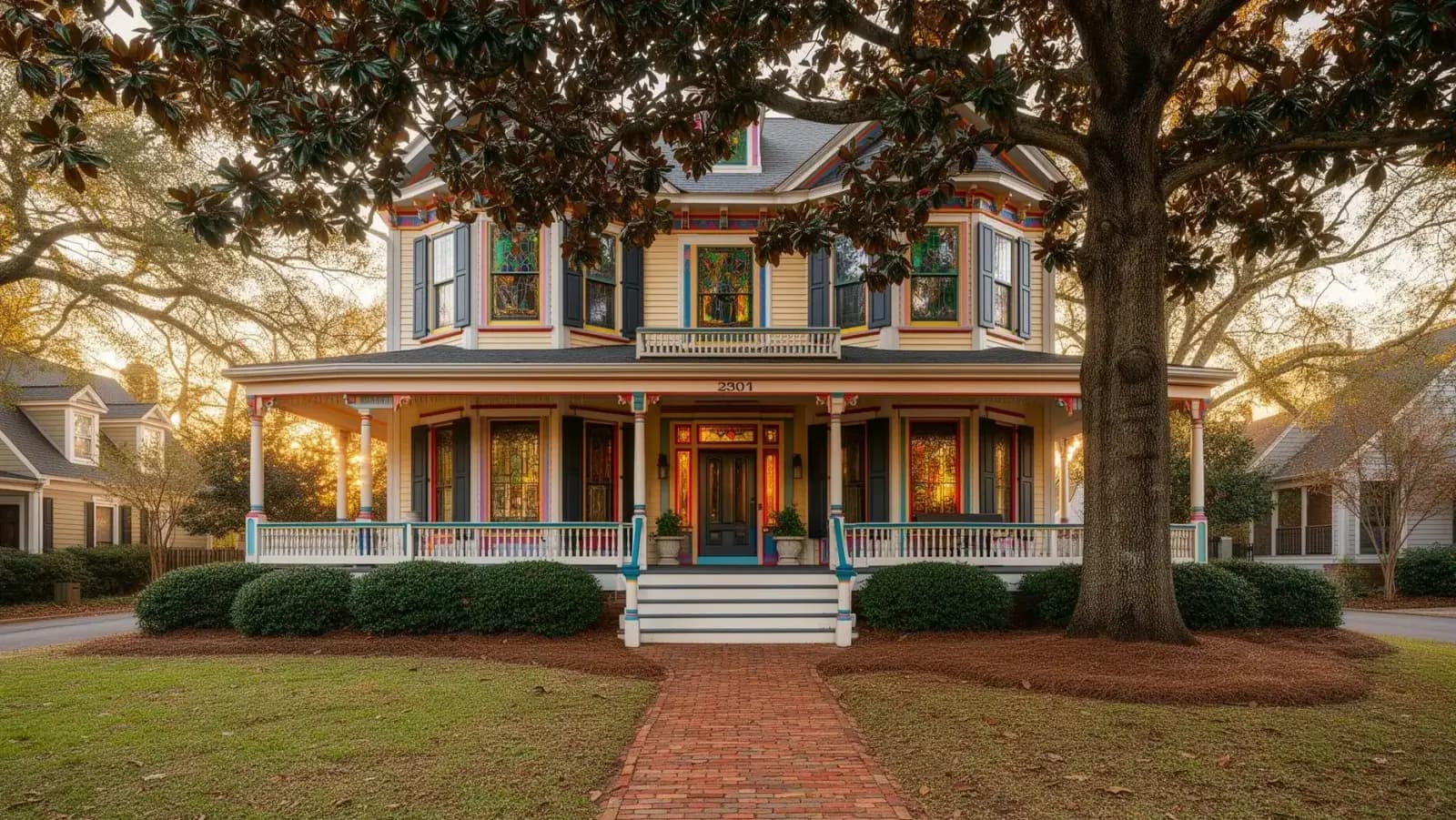
Atlanta has one of the most compelling collections of historic homes in the Southeast. From the grand estates of Druid Hills designed along Frederick Law Olmsted's vision to the Victorian jewel boxes of Inman Park and the stately homes of Ansley Park, the city offers historic properties that combine architectural distinction with genuine luxury living.
But buying a historic home is not like buying new construction or even a renovated modern home. Historic properties come with a unique set of considerations: preservation district regulations that govern what you can change, hidden costs lurking behind plaster walls, insurance complications, potential hazardous materials, and the ongoing challenge of balancing modern comfort with period authenticity.
This guide walks through everything a luxury buyer needs to know before purchasing a historic home in Atlanta. The rewards can be extraordinary. But going in with open eyes is essential.
Atlanta's Premier Historic Districts for Luxury Buyers
Atlanta has more than 20 locally designated historic districts, according to the Atlanta Urban Design Commission. For luxury buyers, four stand out for their combination of architectural quality, location, and investment potential.
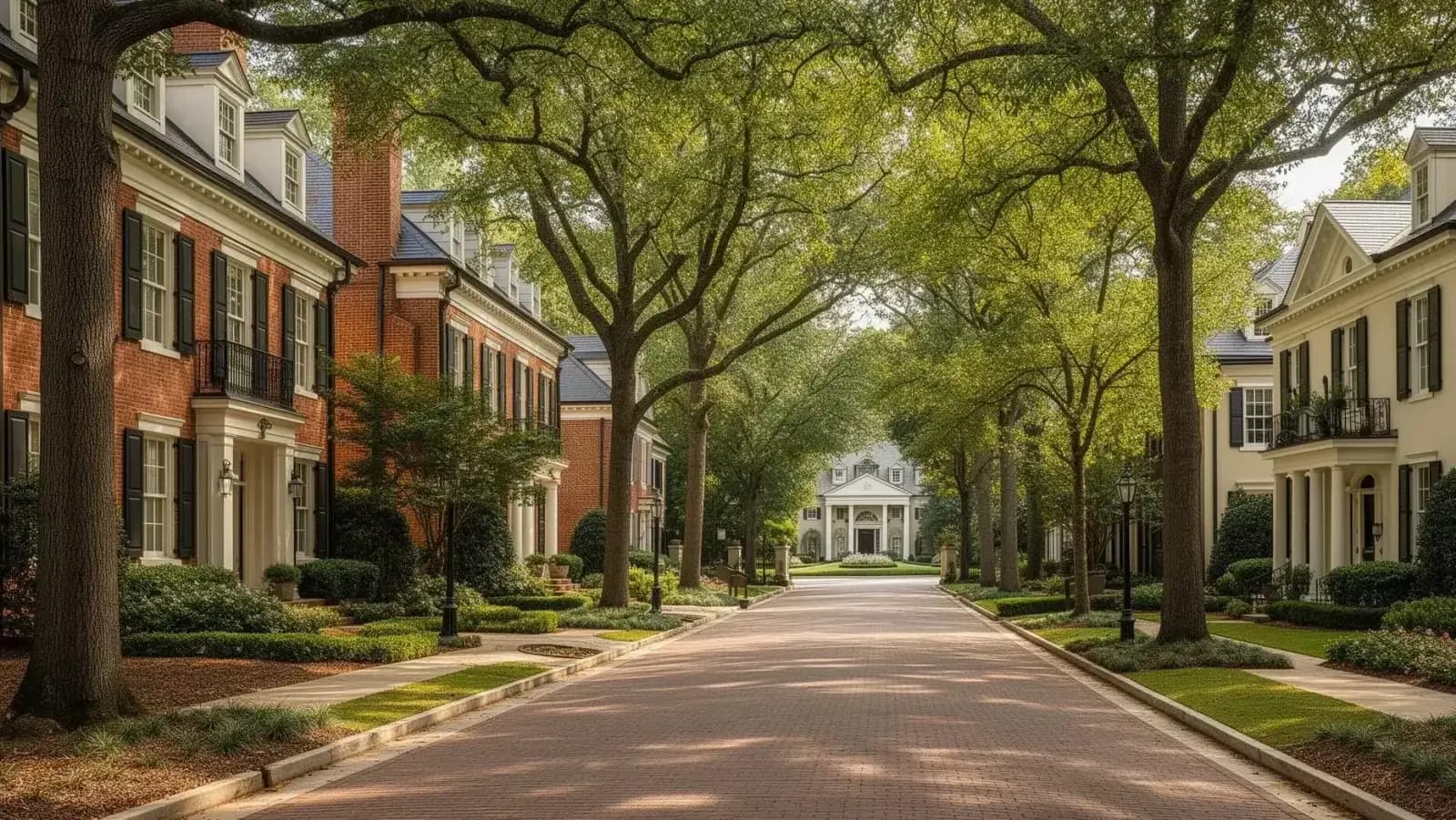
Druid Hills: Designed by Frederick Law Olmsted (the landscape architect behind Central Park), Druid Hills features grand estate homes on large, tree-lined lots. Many homes here date to the early 1900s and represent some of the finest residential architecture in Georgia. Styles include Tudor Revival, Georgian Revival, Italian Renaissance, and Craftsman. Luxury homes in Druid Hills typically range from $1.2 million to $5 million or more. The neighborhood spans DeKalb County and the City of Atlanta, each with its own preservation regulations.
Ansley Park: Located between Midtown and Buckhead, Ansley Park was one of Atlanta's first planned residential suburbs, developed in 1904. The neighborhood offers walkability to Piedmont Park and Midtown's cultural district. Homes range from elegant Craftsman bungalows to substantial Colonial Revival estates. Prices range from $800,000 to $4 million, with the largest homes on the park-adjacent streets commanding the highest premiums.
Inman Park: Atlanta's first planned suburb, established in 1890, Inman Park is known for its stunning Victorian architecture, including ornate Queen Anne homes with wraparound porches, turrets, and stained glass. The neighborhood has experienced dramatic revitalization over the past two decades. Luxury homes here range from $700,000 to $3 million, with the finest Victorian restorations at the top of that range. The annual Inman Park Festival and Tour of Homes draws thousands of visitors each spring.
Grant Park: Named for the park at its center (which also houses Zoo Atlanta), Grant Park features Victorian-era homes on tree-lined streets. The neighborhood has seen strong appreciation in recent years as younger affluent buyers seek intown historic character. Homes range from $500,000 to $1.5 million for well-restored properties. Grant Park offers a slightly more accessible entry point to historic homeownership compared to Druid Hills or Ansley Park.
Preservation Tax Credits and Financial Incentives
Georgia offers meaningful financial incentives for rehabilitating historic properties. The Georgia State Income Tax Credit for Rehabilitated Historic Property provides a 25% state income tax credit on qualifying rehabilitation expenses for properties listed on the Georgia Register of Historic Places.
For a personal residence, the credit is capped at $100,000, which means up to $400,000 in qualifying rehabilitation expenses can generate tax credits. To qualify, the rehabilitation must cost at least $25,000 or 50% of the property's pre-renovation assessed value (whichever is less), the work must follow the Secretary of the Interior's Standards for Rehabilitation, and the project must be certified by the Georgia Department of Community Affairs (DCA).
The process involves submitting an application to the DCA before beginning work, completing the rehabilitation according to the approved plans, and requesting a final certification once the work is done. The credit can be claimed in the tax year the project is completed. If the credit exceeds your tax liability, it can be carried forward for up to five years.
The practical impact is significant. If you buy a Druid Hills estate for $2 million and invest $400,000 in a qualifying rehabilitation, the $100,000 tax credit effectively reduces your renovation cost to $300,000. That is a meaningful return that makes expensive but historically appropriate restoration more financially viable.
Considering a Home in a Designated Historic District?
Review boards, window rules, and approval timelines vary district by district. Knowing the restrictions before you write an offer keeps your renovation plans realistic.
Check the Rules on a Specific Homeor call (770) 727-4052
Understanding Preservation Restrictions
When your home is in a locally designated historic district, exterior changes require approval from the preservation commission. In the City of Atlanta, that is the Atlanta Urban Design Commission (AUDC). In DeKalb County (which includes part of Druid Hills), it is the DeKalb County Historic Preservation Commission.
The types of changes that typically require review include window replacement (the commission may require repair rather than replacement, or require new windows to match the original style and material), exterior paint color changes, roof material changes, additions or enclosed porches, new construction on the lot (garages, accessory structures), fence installation or replacement, demolition of any structure, and significant landscaping changes to the front yard.
Interior changes generally do not require review unless the property has specific interior landmark protection (which is rare for residences). You can modernize the kitchen, update bathrooms, rewire the electrical system, and make any interior changes you want without commission approval.
The review process typically takes 30 to 60 days. Most commissions want to work with homeowners, not block them. The goal is to ensure changes are compatible with the historic character, not to freeze properties in time. A good preservation architect or contractor can help you design changes that satisfy both the commission and your vision for the home.
Hidden Costs of Historic Home Ownership
- Lead paint testing and abatement: Any home built before 1978 may contain lead-based paint. Per the EPA, about 87% of homes built before 1940 contain lead paint. Professional testing costs $300 to $500. Abatement can range from $2,000 to $20,000 or more depending on the extent.
- Asbestos: Common in insulation, floor tiles, and pipe wrapping in homes built before 1980. Testing costs $200 to $600. Removal ranges from $1,500 to $30,000 depending on the material and location.
- Electrical updates: Knob-and-tube wiring or outdated panels may need replacement. Full rewiring of a 4,000-square-foot historic home typically costs $15,000 to $30,000.
- Plumbing replacement: Cast iron, galvanized steel, or clay drain lines deteriorate over time. Full plumbing replacement runs $10,000 to $25,000 for a large home.
- Window restoration: Original wood windows are often required to be preserved. Professional restoration costs $500 to $1,500 per window. A home with 30 original windows could run $15,000 to $45,000.
- Energy inefficiency: Older homes typically have poor insulation, single-pane windows, and less efficient HVAC systems. Annual energy costs may be 30% to 50% higher than a comparable modern home until upgrades are made.
- Insurance premiums: Historic homes typically cost 10% to 30% more to insure than comparable modern homes due to higher replacement costs with period-appropriate materials.
Modernizing a Historic Home Without Losing Its Soul
The best historic home renovations honor the original architecture while adding modern comfort and functionality. This is not a contradiction. It requires thoughtfulness and skilled professionals, but it is done successfully every day in Atlanta.
HVAC: Central air conditioning can be added to virtually any historic home. The challenge is routing ductwork through walls and floors without damaging original plaster, millwork, or structural elements. Mini-split systems (ductless) offer an alternative that requires minimal disruption. Condensing units can be located behind the home or screened from view to satisfy preservation requirements.
Kitchens: The kitchen is typically the room where historic homeowners make the most dramatic changes. Since kitchen layouts have changed fundamentally since these homes were built (many original kitchens were small, utilitarian rooms separate from living areas), a full redesign is usually warranted. Modern appliances, stone countertops, and custom cabinetry can be installed while maintaining period-appropriate details like crown molding, hardware, and floor treatments.
Bathrooms: Similar to kitchens, bathrooms in historic homes were typically smaller and more basic than modern expectations. Many homeowners convert an adjacent bedroom or closet to expand the primary bathroom. Period-inspired fixtures (clawfoot tubs, pedestal sinks, hexagonal tile) can bridge the gap between historic character and contemporary comfort.
Smart home technology: Wireless smart home systems are ideal for historic homes because they do not require cutting into walls for wiring. Smart thermostats, lighting, security, and audio systems can be layered onto a historic home with minimal physical impact. According to a NAR survey, smart home features are among the top requested amenities for luxury home buyers, and there is no conflict between these features and historic preservation.
The Charm vs. Convenience Question
Every historic home buyer faces this question: how much inconvenience are you willing to accept for character? Newer homes offer open floor plans, large closets, en-suite bathrooms, energy efficiency, and turn-key condition. Historic homes offer original hardwood floors, 10-foot ceilings, plaster crown molding, period mantels, mature landscaping, and a sense of place and history that no new construction can replicate.
The buyers who are happiest with historic homes are those who go in understanding the trade-offs. You may have smaller closets. You may need to add insulation. A door frame might not be perfectly square. But you will also have a home with a story, surrounded by a neighborhood with deep roots and strong community bonds. The festivals, the neighbors who know each other, the canopy of 100-year-old oaks, these are the intangible elements that make historic neighborhoods special.
For luxury buyers who value uniqueness, craftsmanship, and connection to place, a historic Atlanta home can be profoundly satisfying. The key is honest self-assessment before you buy, thorough due diligence during the process, and a commitment to maintaining the property properly after closing.
Frequently Asked Questions
What qualifies as a historic home in Atlanta?
In Atlanta, a home may be considered historic if it is listed on the National Register of Historic Places, located within a locally designated historic district, or individually designated as a landmark by the City of Atlanta or DeKalb County. Local historic districts are the most common designation affecting luxury homeowners. These districts are regulated by the Atlanta Urban Design Commission (AUDC) or county-level preservation commissions. A home does not need to be a certain age to be in a historic district, but most designated districts contain homes built before 1950. Being in a historic district means exterior changes are subject to review and approval.
What are the tax benefits of owning a historic home in Georgia?
Georgia offers a state income tax credit for the rehabilitation of historic properties. The Georgia State Income Tax Credit for Rehabilitated Historic Property provides a credit equal to 25% of qualifying rehabilitation expenses for properties listed on the Georgia Register of Historic Places (which includes all National Register properties). The credit is capped at $100,000 for personal residences. To qualify, the rehabilitation must meet the Secretary of the Interior's Standards for Rehabilitation, and the project must be certified by the Georgia Department of Community Affairs. Federal tax credits (26% for income-producing historic properties) are also available but typically apply to commercial properties rather than personal residences.
Can I make changes to a historic home in Atlanta?
Yes, but exterior changes typically require approval from the local preservation commission. Interior changes generally do not require approval unless the property is individually landmarked and the designation specifically covers interior spaces (which is rare for residential properties). Common exterior changes that require review include window replacement, siding or masonry repair, roof material changes, additions, porch modifications, fence installation, and demolition of any structures. The Atlanta Urban Design Commission reviews applications for properties in City of Atlanta historic districts. The review process typically takes 30 to 60 days and involves a public hearing.
What are the most desirable historic neighborhoods in Atlanta for luxury buyers?
The most sought-after historic neighborhoods for luxury buyers include Druid Hills (designed by Frederick Law Olmsted, featuring large estate lots with homes from $1 million to $5 million or more), Ansley Park (one of Atlanta's first planned suburbs, minutes from Midtown, with homes ranging from $800,000 to $4 million), Inman Park (Atlanta's first planned suburb, Victorian and Craftsman architecture, homes from $700,000 to $3 million), and Grant Park (Victorian-era neighborhood near the park and zoo, homes from $500,000 to $1.5 million). Each has distinct architectural character, community culture, and price ranges.
What hidden costs should I expect with a historic home?
Historic homes frequently come with costs that newer homes do not. These include higher insurance premiums (10% to 30% above standard rates for comparable square footage), specialized contractors for period-appropriate repairs (plaster, original windows, masonry), energy inefficiency (older windows, minimal insulation, outdated HVAC), lead paint testing and abatement if the home was built before 1978, asbestos testing and removal if the home contains older insulation or flooring, knob-and-tube or outdated wiring that may need updating, and plumbing systems (cast iron, galvanized steel, or clay) that may need partial or full replacement. Budget an additional 15% to 25% above the purchase price for unforeseen repairs and updates during the first three years.
How does historic district designation affect property values?
Research consistently shows that historic district designation has a positive effect on property values over time. A study published by the Advisory Council on Historic Preservation found that properties in historic districts appreciate at rates equal to or greater than comparable properties outside historic districts. The restrictions that come with designation also protect your investment by preventing neighbors from making changes that could harm the neighborhood's character. In Atlanta, homes in well-maintained historic districts like Druid Hills and Ansley Park have seen strong appreciation over the past decade, with values in many cases doubling since 2015.
What should the inspection focus on for a historic home?
A historic home inspection should go beyond a standard inspection to include foundation and structural assessment (old foundations may have settling, cracking, or water intrusion), electrical system evaluation (look for knob-and-tube wiring, undersized panels, and ungrounded circuits), plumbing assessment (age and material of supply and drain lines), roof condition and structural integrity, window condition (original wood windows may need restoration rather than replacement), hazardous materials testing (lead paint, asbestos, vermiculite insulation), moisture and mold evaluation (older homes may have inadequate moisture barriers), and chimney inspection (masonry deterioration, liner condition). Hire inspectors experienced with older construction, not just general home inspectors.
Can I add modern amenities to a historic home?
Yes. Most historic preservation guidelines focus on the exterior appearance and do not restrict interior modifications. You can add central air conditioning, modern plumbing, updated electrical, a gourmet kitchen, smart home technology, and other contemporary features. The key is that any exterior changes must be compatible with the historic character. For example, you might need to locate HVAC condensers where they are not visible from the street, or use window-mounted units that do not alter the exterior appearance. Many Atlanta homeowners have successfully modernized historic homes while preserving their period character. Working with an architect experienced in historic renovation is essential.
Is it harder to get insurance for a historic home?
It can be. Standard homeowner's insurance policies may not adequately cover a historic home because replacement costs are higher (period materials, skilled craftsmen for repairs, code compliance during reconstruction). Some insurers are reluctant to cover homes with knob-and-tube wiring, older roofs, or plumbing systems past their expected lifespan. Specialty insurers like Chubb, AIG Private Client Group, and Cincinnati Insurance offer policies designed for historic and high-value homes. These policies may include guaranteed replacement cost (covering the full cost to rebuild with period-appropriate materials), ordinance or law coverage, and coverage for period-specific features like plaster walls and original hardwood floors. Expect premiums 10% to 30% above standard rates.
How do I find the right contractor for a historic home renovation?
Look for contractors with specific experience in historic renovation, not just general remodeling. The Georgia Trust for Historic Preservation maintains a list of preservation professionals. The Atlanta Preservation Center can also provide referrals. Key qualifications to look for include experience with the Secretary of the Interior's Standards for Rehabilitation, familiarity with the local historic preservation review process, expertise in period construction techniques (plaster, original woodwork, masonry), and references from similar historic renovation projects. Get at least three bids and ask each contractor for examples of completed historic projects in Atlanta.
Interested in a historic luxury home in Atlanta?

Sources
- Atlanta Urban Design Commission (AUDC) - Historic district designations, review process guidelines, and design standards for Atlanta historic districts.
- Georgia Department of Community Affairs (DCA) - Georgia State Income Tax Credit for Rehabilitated Historic Property, program requirements, and application process.
- U.S. Environmental Protection Agency (EPA) - Lead paint prevalence data by home age, lead safety regulations, and abatement guidelines.
- Advisory Council on Historic Preservation - Research on the economic impact of historic district designation on property values.
- National Association of Realtors (NAR) - Smart home feature demand data, luxury buyer preference surveys, and transaction cost analysis.
- Georgia Trust for Historic Preservation - Preservation professional referrals, educational resources, and advocacy for historic properties in Georgia.
Tax credit details, cost estimates, and regulatory information reflect conditions as of early 2026 and are subject to change. Tax credits and preservation regulations vary by property, jurisdiction, and individual circumstances. This article does not constitute tax, legal, or real estate advice.
Disclaimer: This article is for informational purposes only and does not constitute legal, tax, or real estate advice. Historic preservation regulations, tax credits, and renovation costs vary by property, jurisdiction, and individual circumstances. The Luxury Realtor Group is a real estate brokerage and does not provide tax, legal, or preservation consulting services. Consult with qualified preservation professionals, tax advisors, and real estate attorneys before purchasing or renovating a historic property.