Drive a first-time visitor through the Westside and the reaction is usually some version of "wait, this wasn't here six months ago" as you pass construction sites. That's Atlanta right now, changing so fast that even locals can't keep up.
Over $10 billion in private development. Not planned. Not proposed. Happening. Cranes everywhere. And here's what most coverage gets wrong: they list projects like a press release. They don't tell you which neighborhoods are actually worth buying into and which are overhyped.
I've been watching Atlanta development for years, and I'll be honest, I've never seen anything like this. Not during the Olympics. Not during the 2008 boom. The World Cup pushed timelines that would normally take a decade into 18 months.
So here's the real story. Not the developer marketing. Not the Chamber of Commerce version. Which projects actually matter for home values, which neighborhoods are positioned to benefit, and where I'd put my own money right now.
At a Glance: 13 Projects, $10B+ Investment
Downtown Core
- • Centennial Yards ($5B, 50 acres)
- • South Downtown (57 buildings, 16 acres)
- • The Stitch ($713M infrastructure)
Midtown & Tech
- • 1072 West Peachtree Tower (60 stories)
- • Tech Square Phase 3 (Georgia Tech)
Westside & BeltLine
- • BeltLine Expansion (Southside/Westside)
- • Quarry Yards (70 acres)
- • Cypress Grove Development
Southwest & Suburbs
- • Tyler Perry Studios Expansion
- • Mercedes-Benz HQ Expansion
- • The Gathering at South Forsyth
- • Sylvan Hills & Englewood Housing
Wondering how this affects a specific area?
Development timelines land unevenly. We will tell you what is actually under construction near an address you care about.
Downtown Atlanta: The $6 Billion Transformation
I'll be blunt: downtown Atlanta has been underwhelming for decades. If you've avoided it, I don't blame you. But three projects happening simultaneously are changing that story fast.
Centennial Yards: $5 Billion, 50 Acres
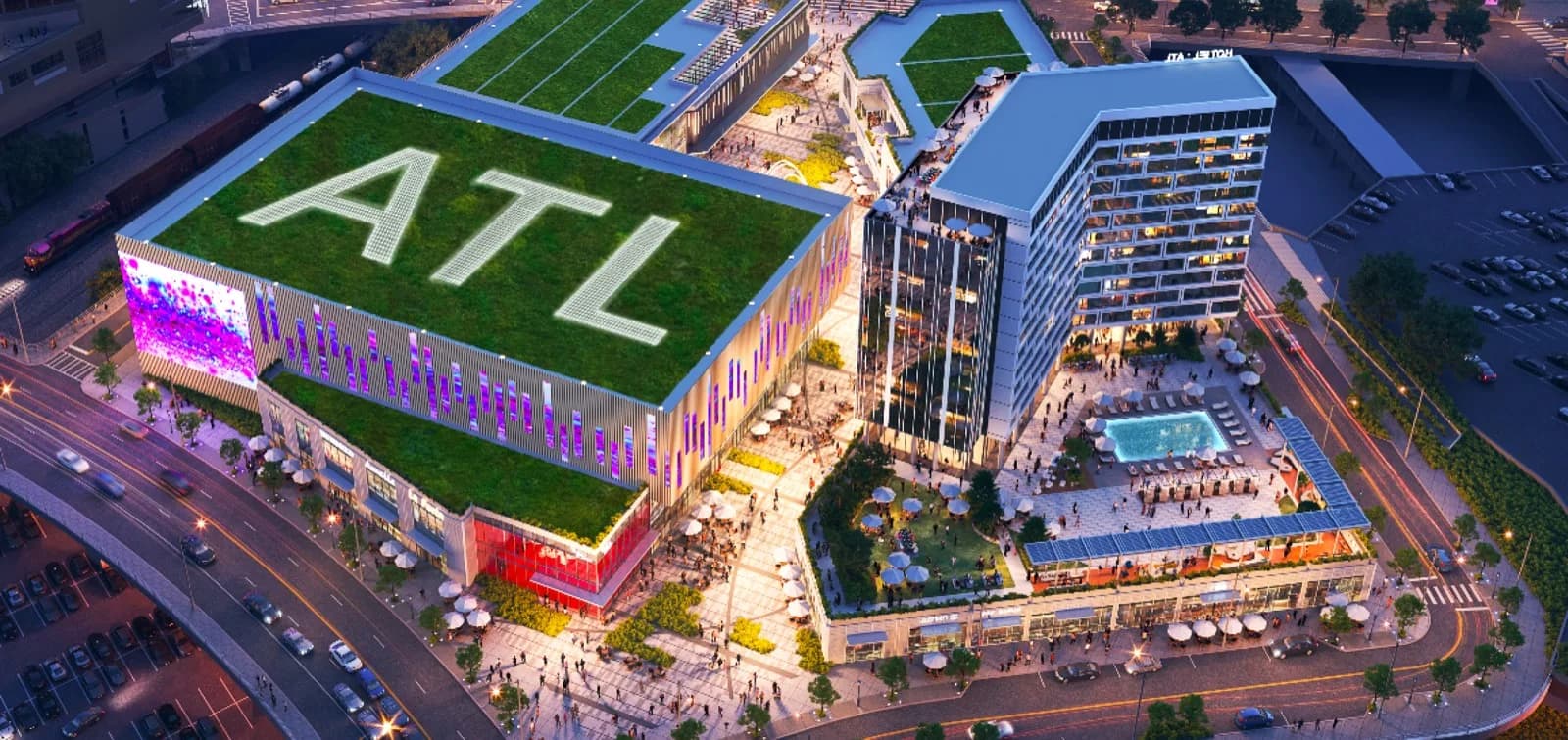
This is the big one. The Gulch, that empty wasteland near the stadiums, is becoming an actual neighborhood. Two towers already going up: 19-story apartments, 19-story hotel. Both raced to finish before World Cup visitors arrived.
The full plan is massive: residential towers, office space, hotels, retail, parks. Basically a new neighborhood being built from scratch. I was skeptical for years, Atlanta has seen plenty of "transformational" projects that never happened. This one's actually happening, you can track progress on the Centennial Yards site.
Where I'd look: The smart play isn't buying in Centennial Yards itself (those prices are already baked in). It's the neighborhoods next door. Castleberry Hill lofts. Vine City. The western edge of intown Atlanta. These areas are about to have thousands of new neighbors with money to spend. Prices haven't caught up yet.
South Downtown: 57 Historic Buildings, 16 Acres
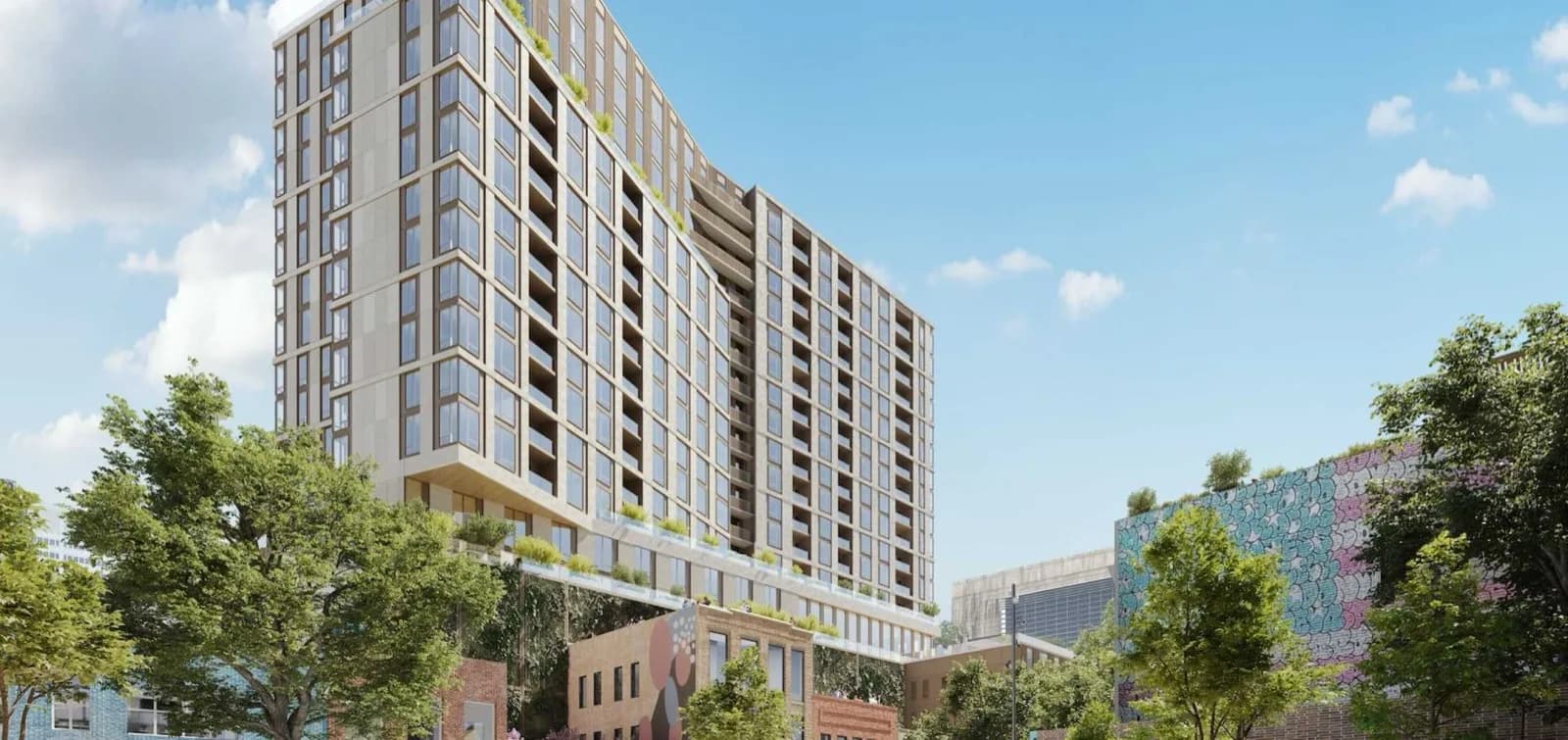
This one flies under the radar. Just below Five Points, they're not tearing down and rebuilding, they're restoring 57 historic buildings that have sat empty for decades. Food halls, creative offices, bars, boutiques. Some are already open.
Here's why I like this better than some flashy new development: it's real. The buildings have character. The streets have history. You can't manufacture that. And the World Cup lit a fire under the whole thing.
The Stitch: The Project Nobody's Talking About
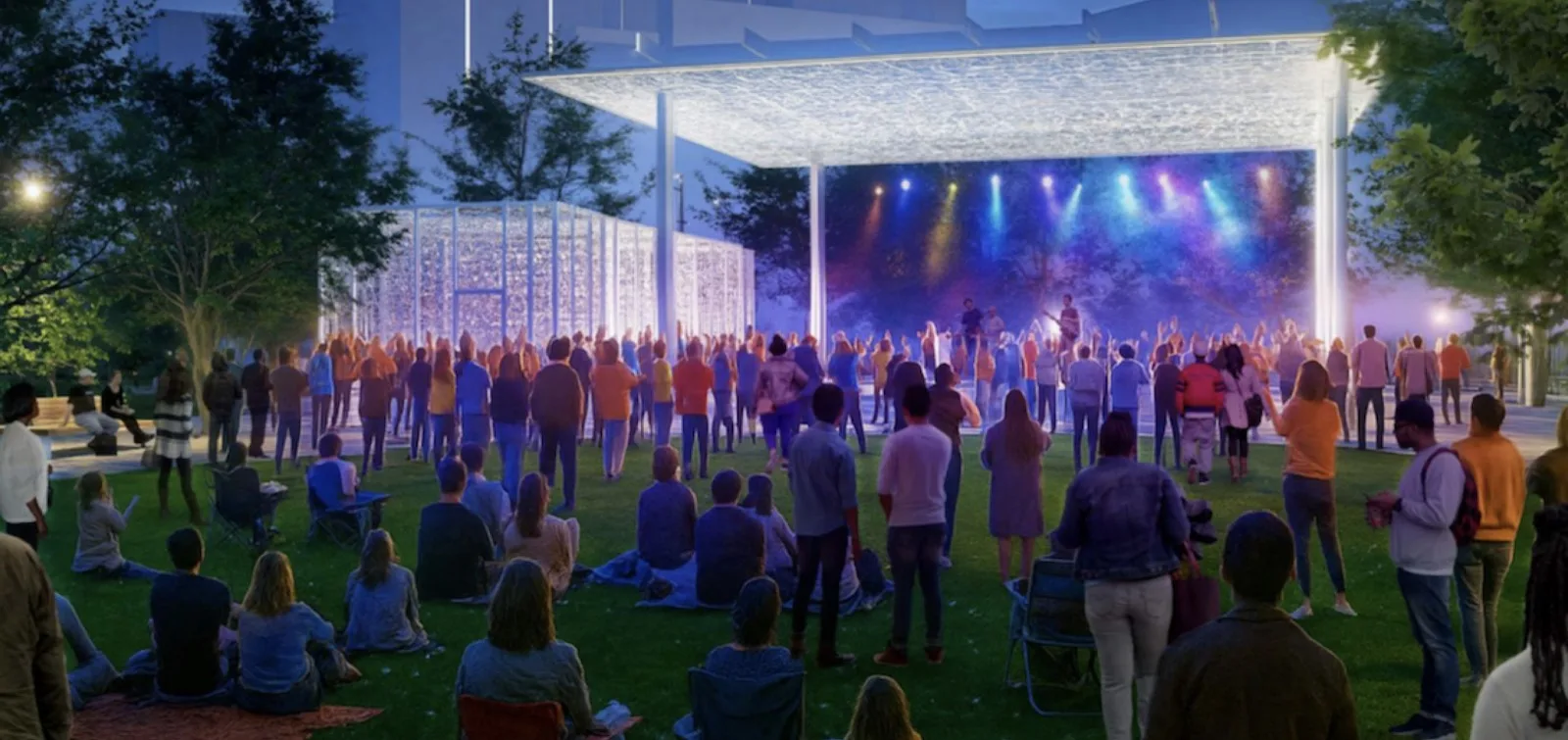
If I could only tell you about one project in this entire article, it'd be this one. The Stitch is covering part of the Downtown Connector with 14 acres of parks. They're literally putting a cap on the highway and building green space on top.
Why does this matter? Because that highway has been a wall between Midtown and Downtown for 60 years. It's ugly, it's loud, and it killed the value of everything around it. Remove that wall? Those "highway-adjacent" properties suddenly become "park-adjacent" properties.
Engineering is done. Construction starts this year. If you want to see where the market hasn't priced something in yet, look at properties within a few blocks of the Connector on either side. They're still discounted for highway noise that won't exist in three years.
Midtown: Vertical Growth and Tech Jobs
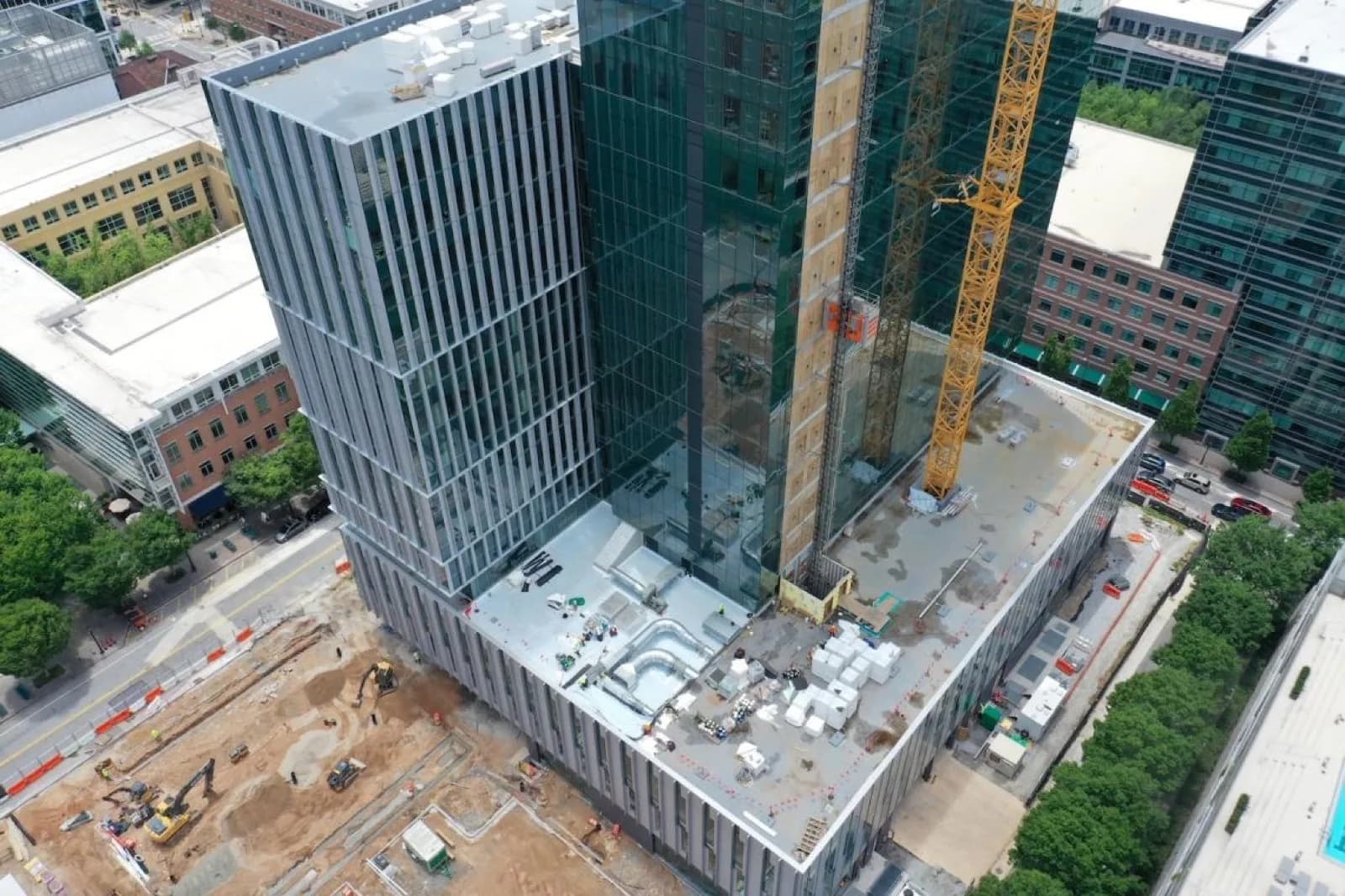
1072 West Peachtree: 60 Stories Going Up Fast
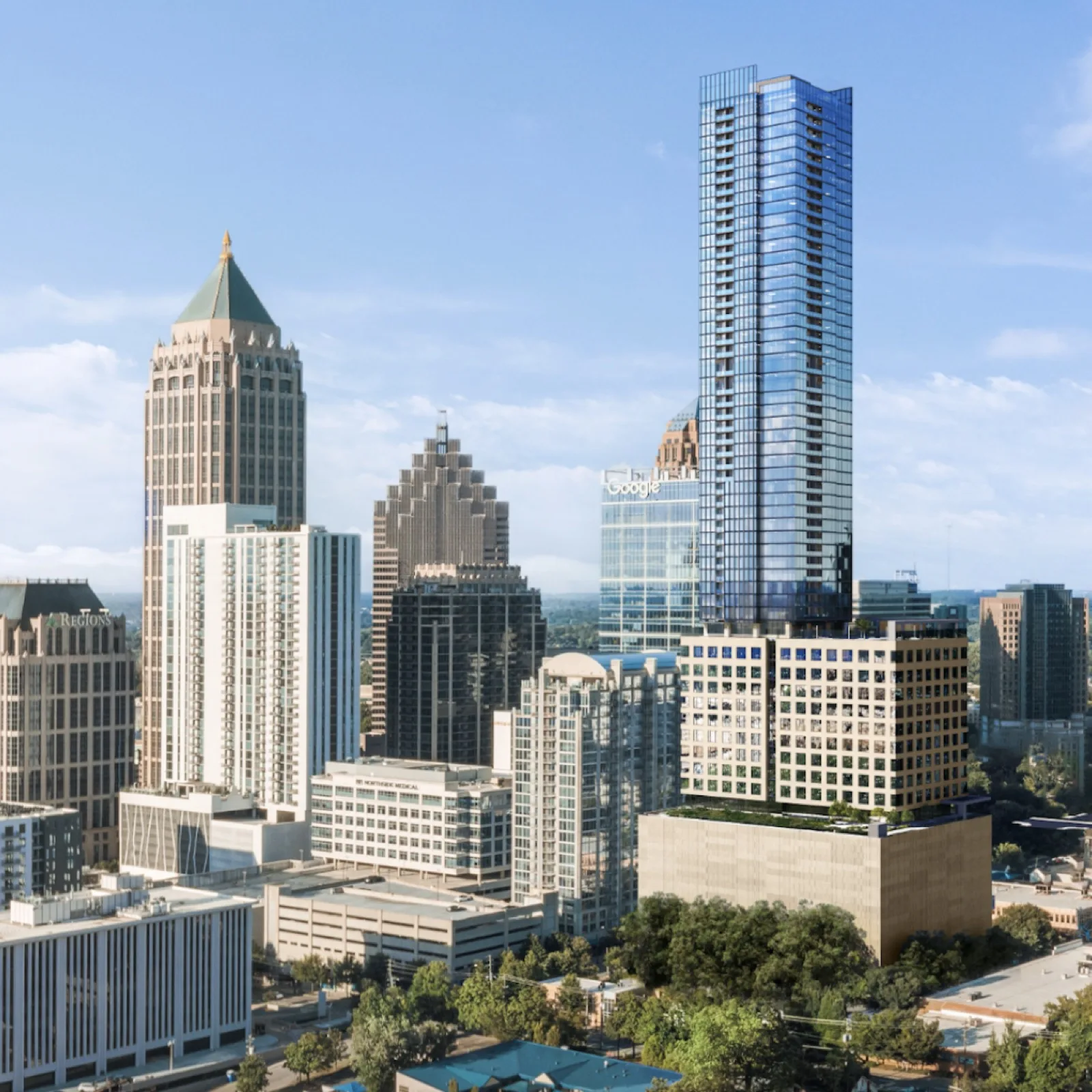
Rockefeller Group is building one of the tallest residential towers Atlanta's seen in decades. 60 stories, luxury units, targeted for World Cup completion. The building itself isn't the opportunity, those units will be priced accordingly.
The opportunity is the 1990s condos and townhomes nearby. When a premium tower goes up, the whole neighborhood gets better restaurants, better retail, more energy. You get those benefits without paying $1,200 per square foot for new construction. I've seen this pattern play out a dozen times in Midtown.
Tech Square Phase 3: Follow the Jobs
Want to Buy Ahead of the Next Groundbreaking?
Development timelines move, stall, and occasionally get shelved entirely. We track which projects are actually funded and what that means for the blocks around them.
See Where Development Is Movingor call (770) 727-4052
Georgia Tech is adding two towers to their innovation district. Here's why you should care: wherever you concentrate high-paying tech and research jobs, housing demand follows. It's not complicated. People want short commutes.
This has played out in every city with a major research university. Austin around UT. Cambridge around MIT. The pattern is predictable. Tech Square keeps expanding, and the neighborhoods within biking distance keep getting more expensive.
My picks: Home Park (still undervalued, walkable to campus), parts of West Midtown, and older Midtown buildings that young tech workers can actually afford. If you're thinking 3-5 years out, proximity to Tech Square is a factor worth weighing.
The BeltLine: Still the Best Predictor of Value
I know, I know, everyone talks about the BeltLine. But here's the thing: everyone talks about it because it keeps working. Over the past decade, nothing else has driven Atlanta property values like proximity to the trail. It's basically our oceanfront.
The numbers aren't subtle. Neighborhoods along completed segments have seen 20-30% appreciation premiums versus similar areas without trail access. That's not hype, that's a decade of market data. And the trail isn't finished yet.
The Segments That Aren't Priced In Yet
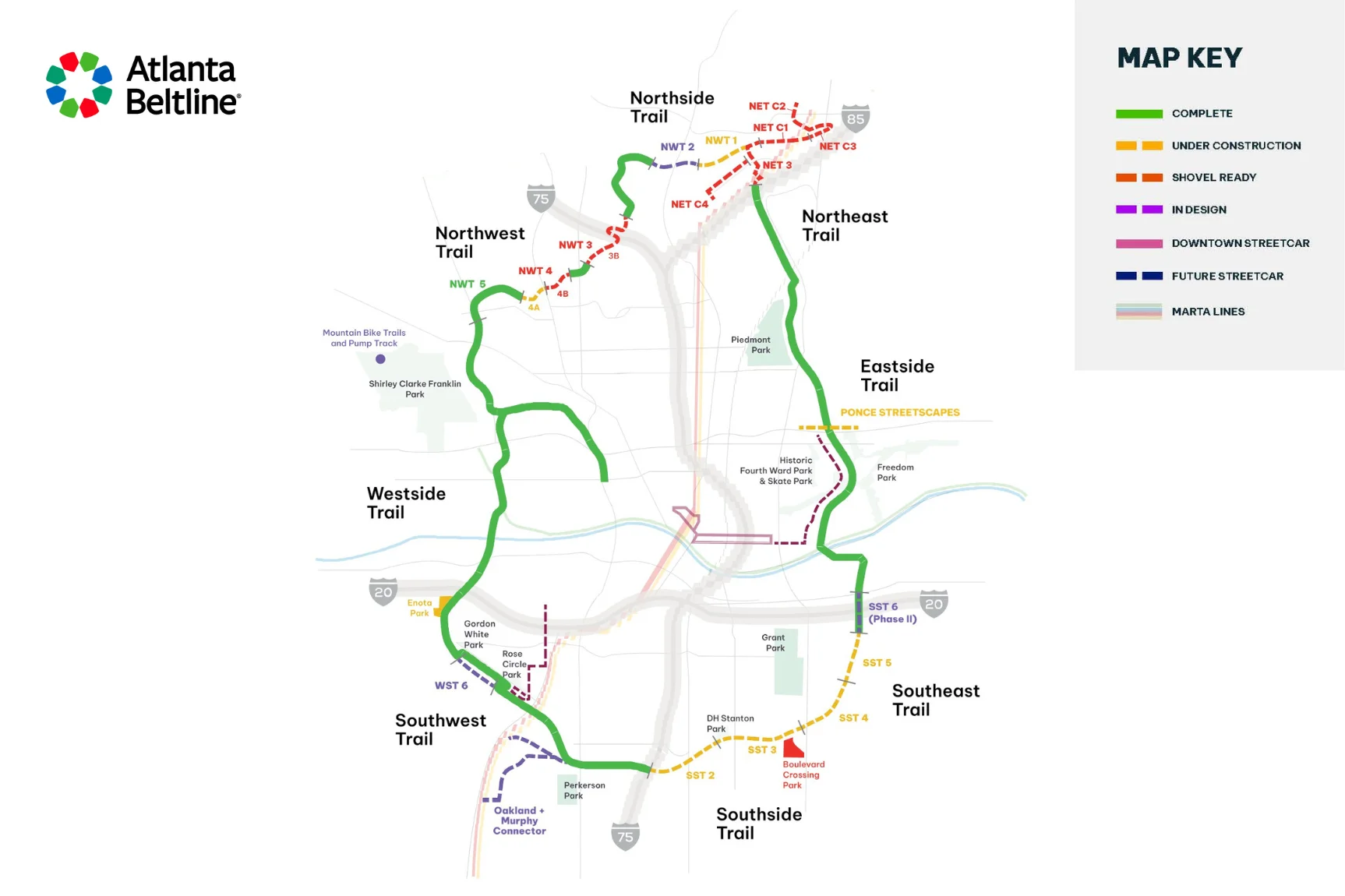
The Eastside Trail is done. Old Fourth Ward, Inman Park, Reynoldstown, those prices already reflect BeltLine access. The opportunity now is the Southside and Westside trails, both of which raced toward completion ahead of the World Cup.
Adair Park. Capitol View. Parts of the West End. These neighborhoods are about to get what made the Eastside Trail areas so valuable: foot traffic, restaurants, and the walkable lifestyle that commands a premium everywhere else in the city. Current prices don't fully reflect that yet.
When I work with buyers, I always ask: "Where will the trail be in two years?" Because that question matters more than most people realize.
Westside: Where I've Been Sending Clients
Quarry Yards: 70 Acres in Grove Park
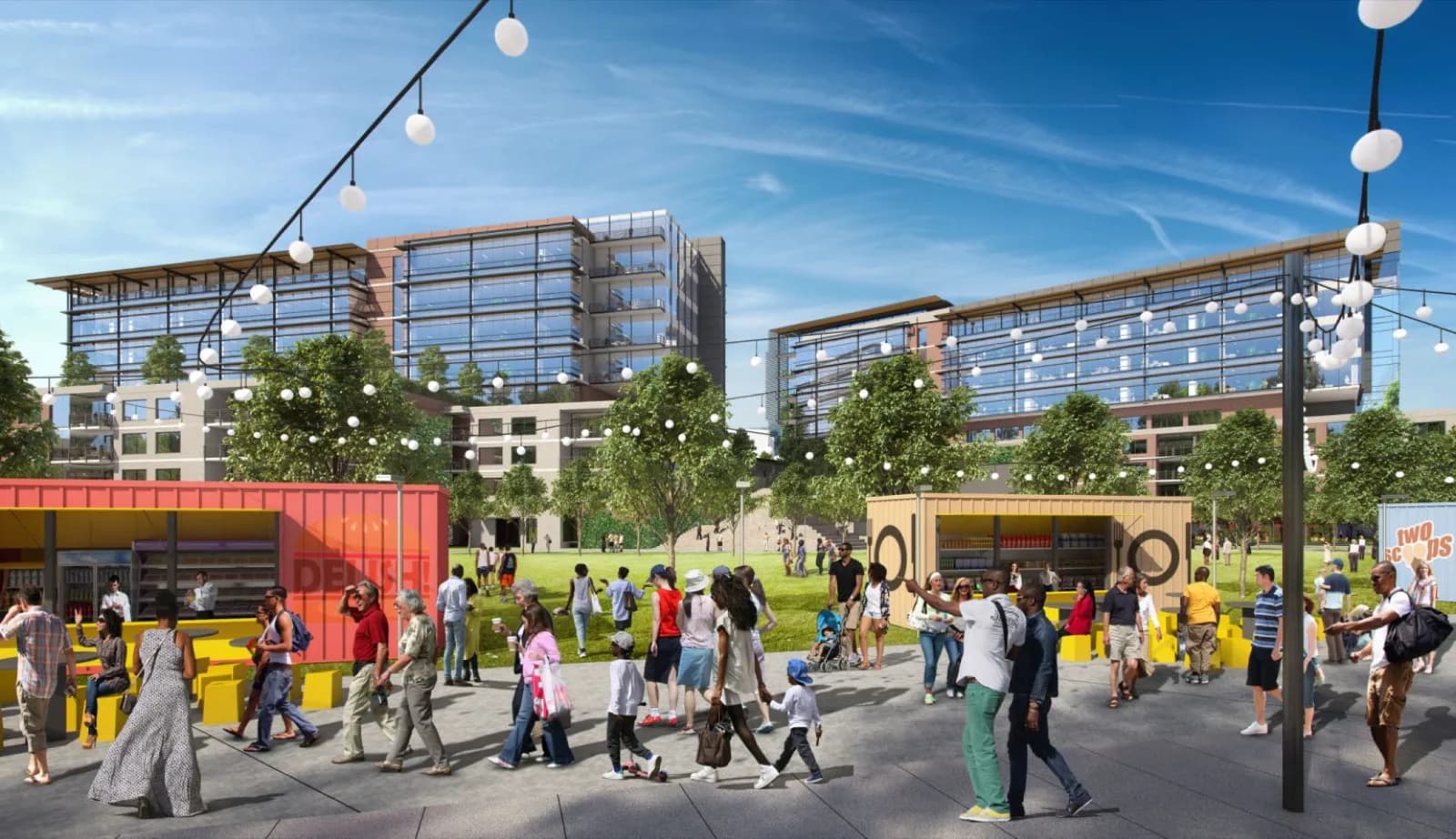
The Westside has been Atlanta's growth story for a decade now. Quarry Yards is 70 acres of mixed-use development in Grove Park, offices, apartments, parks, retail. It's happening alongside the Westside BeltLine expansion.
Here's my honest take: the Westside requires a bit more vision than buying in established Buckhead or Virginia Highland. It's not finished. But I've watched this movie before on the Eastside, and I know how it ends.
Cypress Grove: New Construction That's Actually Affordable
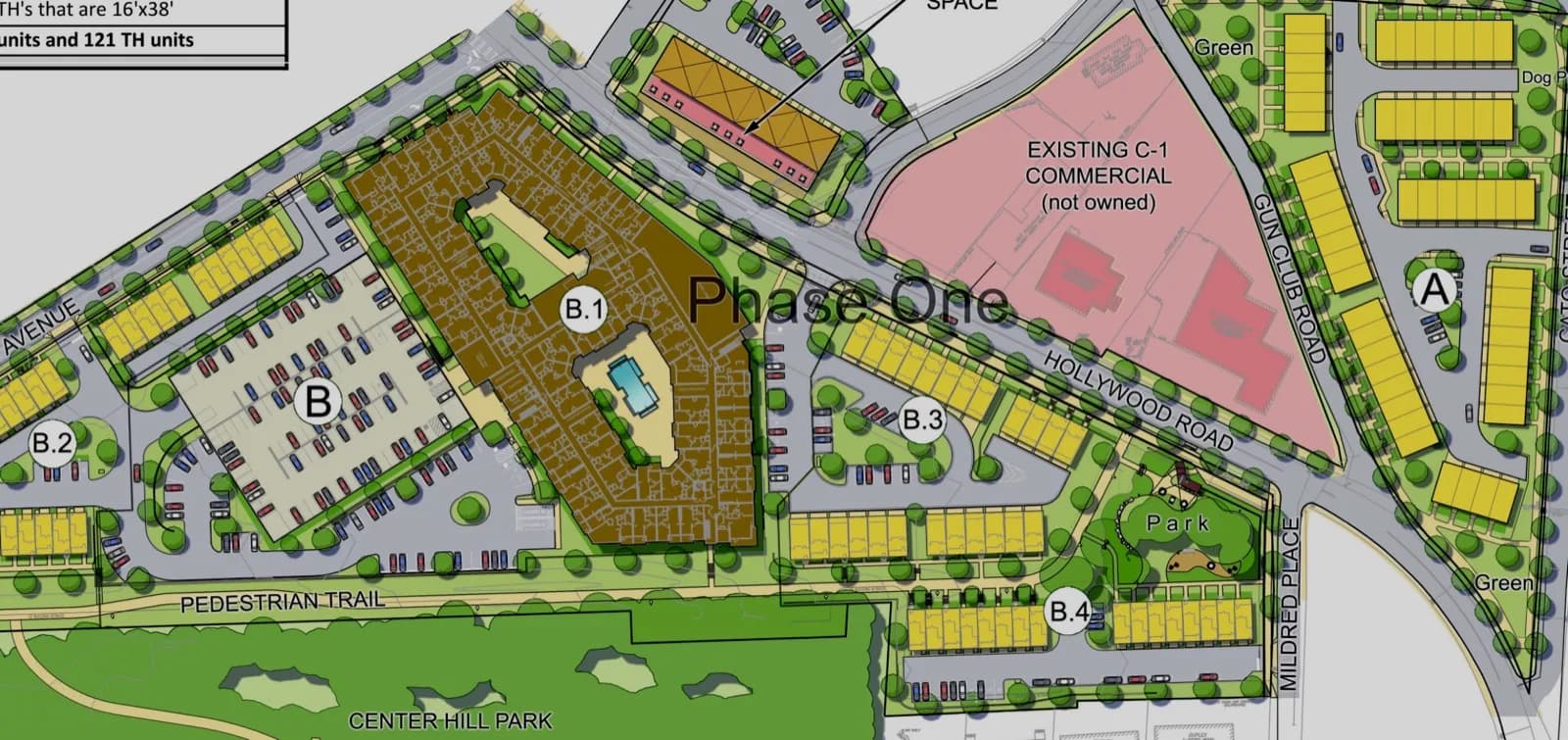
This is a rare find: brand new townhomes right next to Westside Park at prices that won't break you. Phase 1 is going up now. New construction plus major park infrastructure plus prices under $400K? That combination doesn't exist in most of intown Atlanta.
For first-time buyers who want upside, or investors who remember what the Eastside looked like in 2012, the Westside is worth serious consideration. The infrastructure is coming. The question is whether you buy before or after prices adjust.
Southwest Atlanta: The Contrarian Play
Tyler Perry Studios Keeps Growing
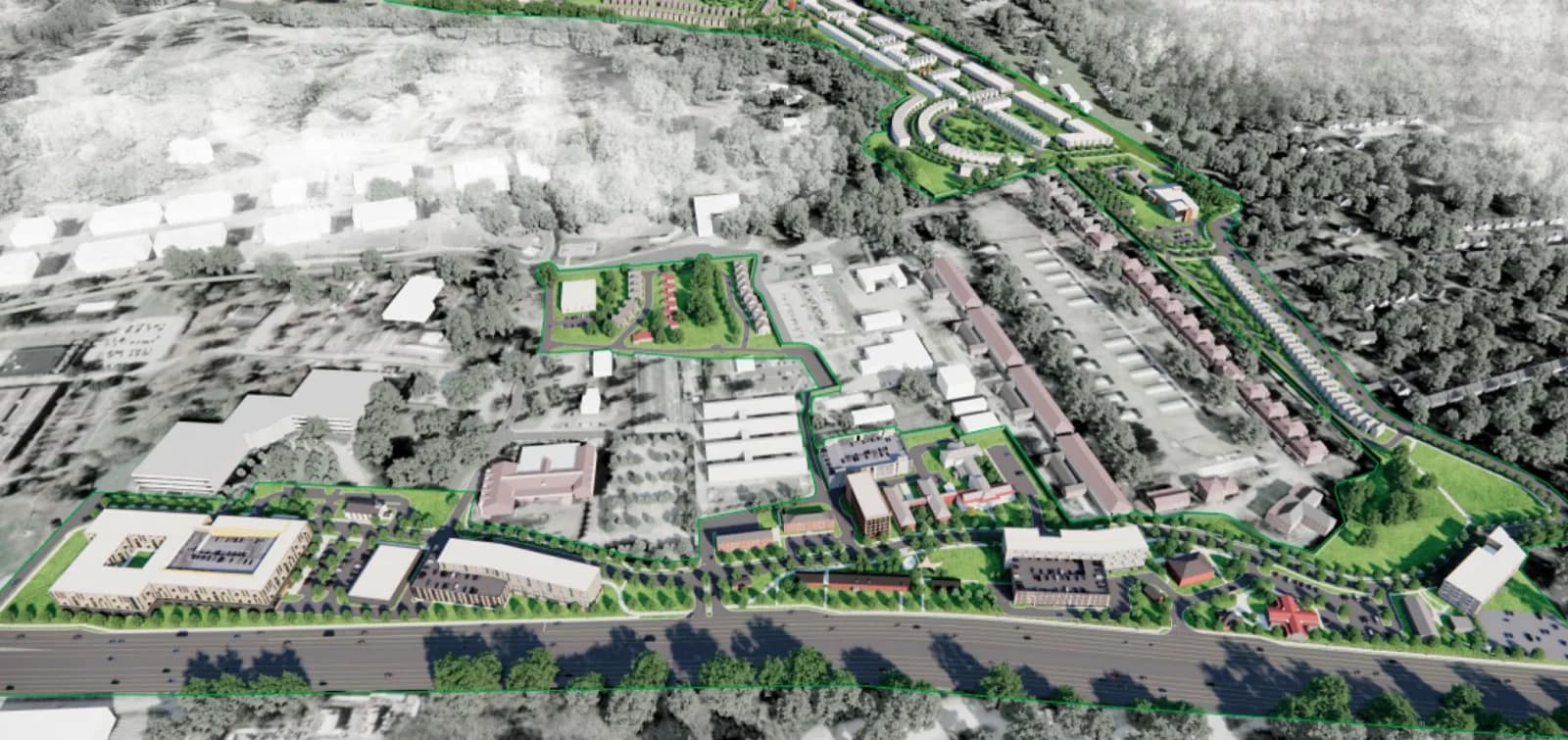
Here's a simple rule I use: big employers don't expand in areas they think are declining. Tyler Perry Studios sits on 330 acres of the old Fort McPherson site. They keep adding soundstages. They keep hiring. That tells you something about where Southwest Atlanta is heading.
Is Southwest Atlanta ready for everyone? No. It requires more patience than buying in Brookhaven. But for buyers who can handle some uncertainty, the upside potential is real.
Sylvan Hills and Englewood: Read the Signals
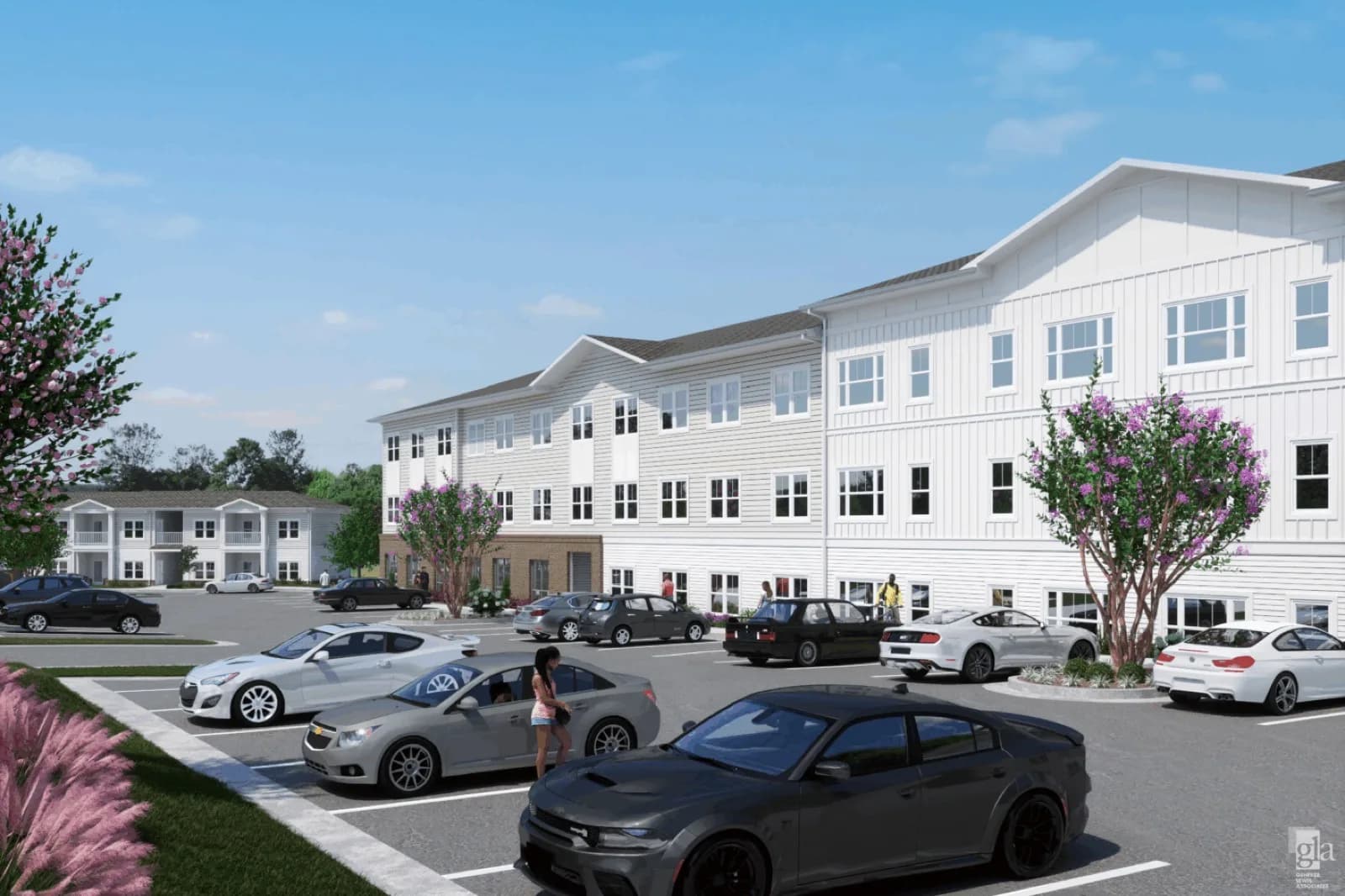
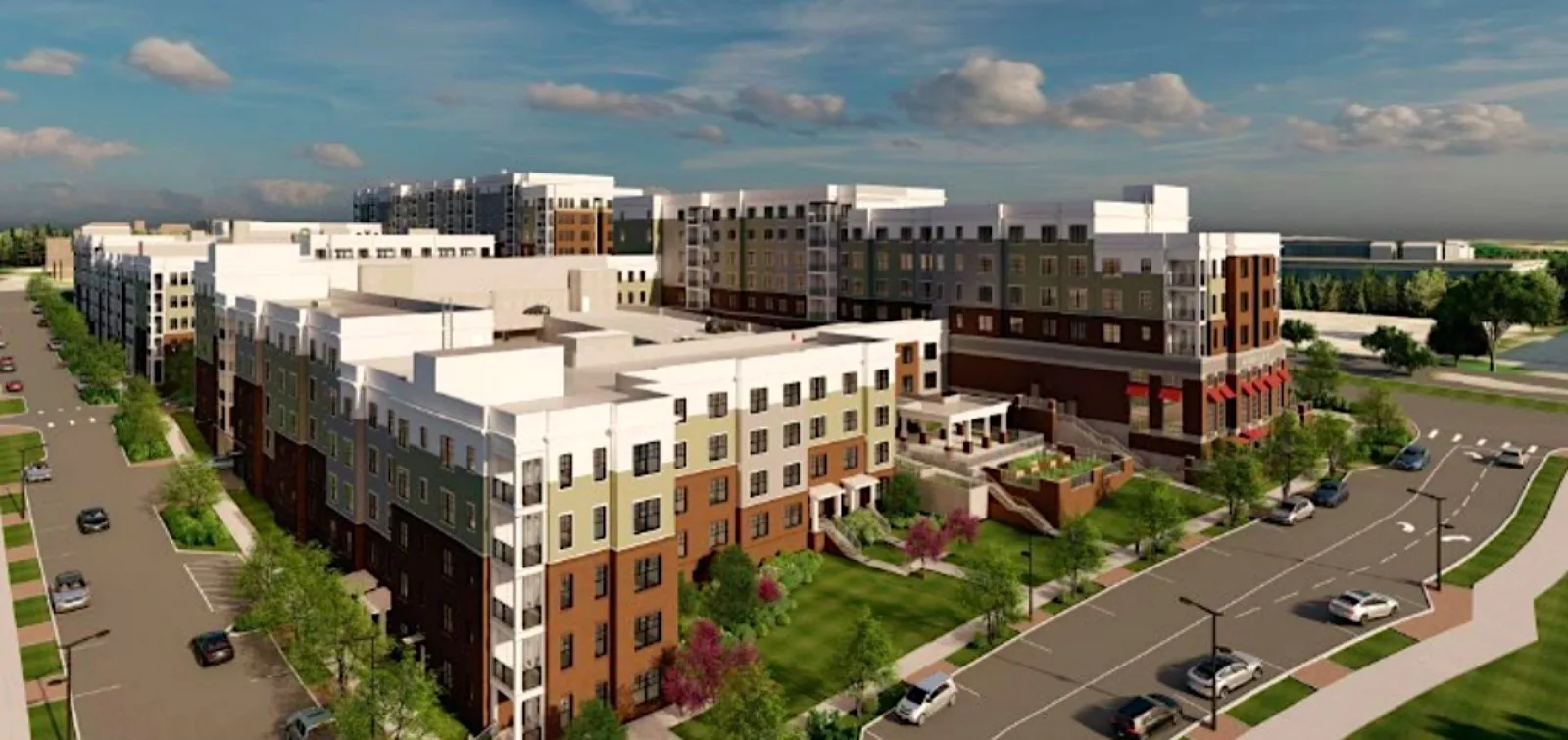
233 new affordable units in Sylvan Hills. 200 mixed-income units in Englewood. When you see both public money and private money flowing into the same neighborhood, new housing, infrastructure improvements, a major employer expanding nearby, that's a pattern.
I'm not saying rush out and buy in Southwest Atlanta tomorrow. I'm saying pay attention. The investment flow into this area is real, and prices haven't caught up to what's actually happening on the ground.
Northern Suburbs: Not Just About Schools Anymore
Mercedes-Benz Keeps Doubling Down
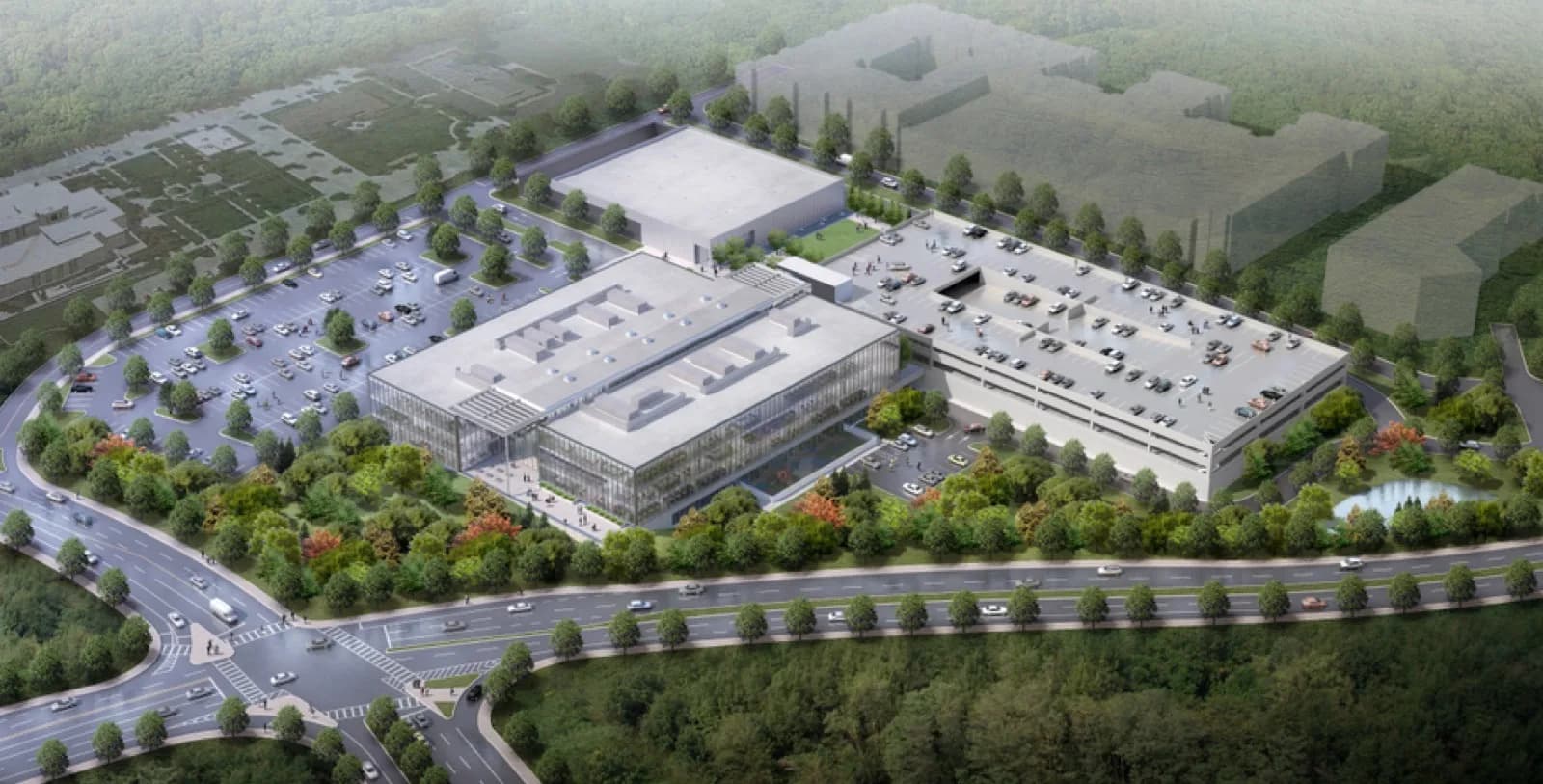
500 high-paying jobs coming to Sandy Springs by August 2026. Mercedes-Benz is building a new R&D center near their existing headquarters. These aren't entry-level positions, these are engineers and executives who need to live somewhere.
Sandy Springs, Dunwoody, Brookhaven, north Buckhead, when you bring that many high-income households to one area, demand goes up. Pretty straightforward.
The Gathering: Forsyth Gets an Arena
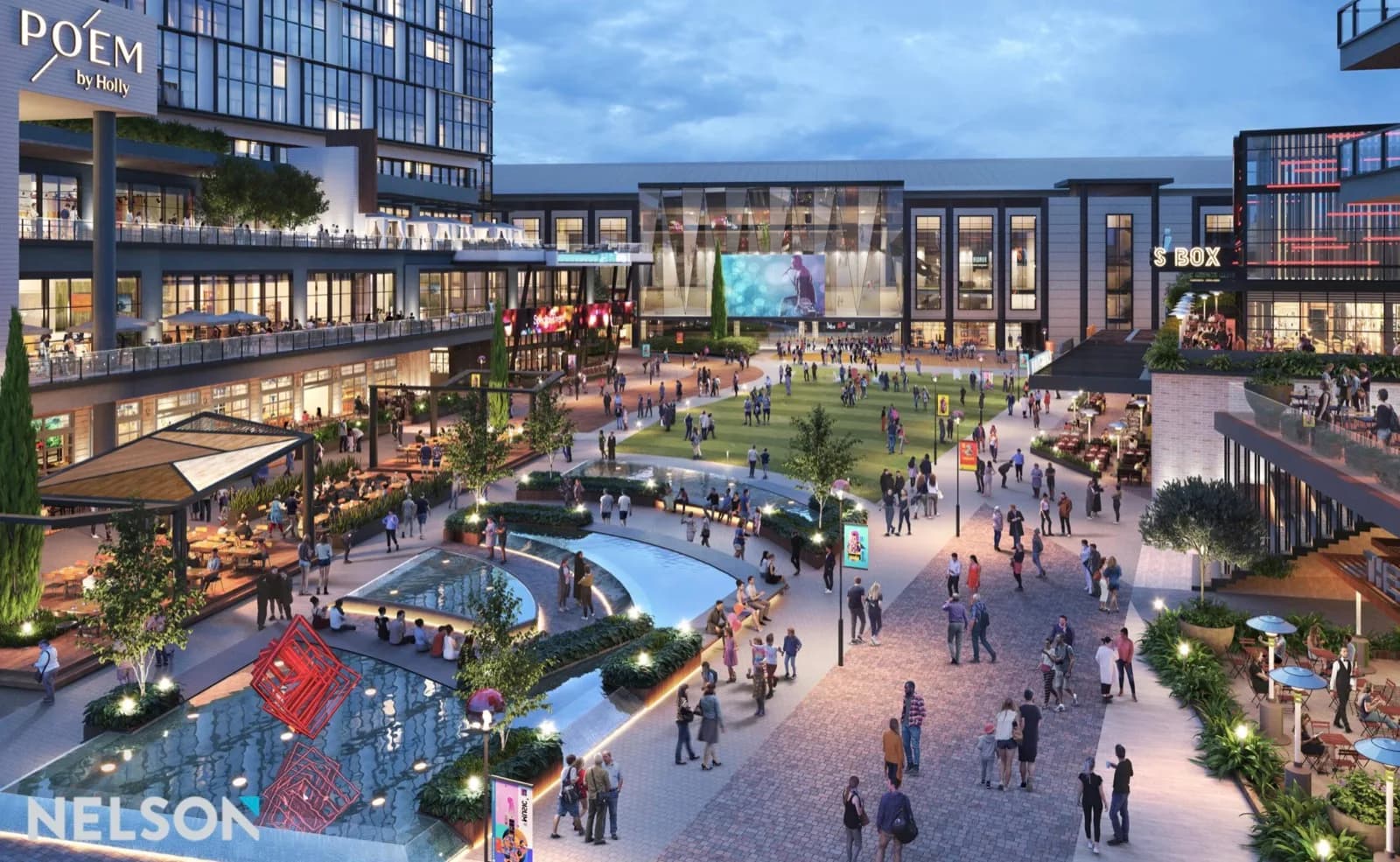
Forsyth County is building an arena and entertainment district. The Gathering, designed by Nelson Worldwide, is their biggest project ever, arena, offices, homes, retail. Ground breaks in 2026.
Here's what this tells you: Atlanta's growth has pushed so far north that Forsyth County needs its own entertainment destination. People out there don't want to drive to Midtown for a concert anymore. The suburbs are becoming self-sufficient.
For buyers who want top-rated schools and space, Forsyth County has always been compelling. Now it's getting the lifestyle amenities too.
So Where Would I Actually Buy?
After walking through all 13 projects, here's my honest take on where the opportunities actually are:
If you want safety with some upside: Look near Midtown's new towers or along the completed BeltLine segments. These are proven areas getting better amenities. You're not taking a risk on the neighborhood, you're just benefiting from improvements happening around you.
If you're comfortable with emerging areas: The Westside along the expanding BeltLine, or properties near The Stitch project. These require some vision, but the investment thesis is clear and prices haven't fully adjusted. This is where I'd put money if I had a 5-year hold timeframe.
If you need schools and space: Sandy Springs near the Mercedes expansion, or south Forsyth before The Gathering opens. Corporate job growth plus new entertainment infrastructure is a powerful combination for suburban appreciation.
The World Cup Was a Deadline, Not a Ceiling
Here's what I keep telling clients: the World Cup compressed timelines. Projects that would take 10 years were pushed to get done in 2-3. That creates a window to buy before infrastructure is finished but after it's guaranteed to happen.
After the World Cup, Atlanta doesn't stop growing. These projects will keep driving value for years. But the window to buy before completion deadlines is closing faster than most people realize.
Development Risk: What Could Go Wrong
Construction delays. Large-scale projects routinely slip 12-24 months. Centennial Yards' full buildout is a 10+ year timeline. Don't buy solely based on a developer's projected completion date.
Oversupply risk in condos. When multiple towers deliver simultaneously in Midtown or downtown, condo values can soften. Single-family and townhome values near development sites tend to be more resilient because supply is naturally constrained.
Gentrification pushback. Community opposition can slow or alter development plans, particularly along the Beltline's Southside and Westside segments. Projects with strong community engagement (like Quarry Yards) tend to proceed more smoothly.
Interest rate sensitivity. Developer timelines are tied to financing conditions. Rising rates can pause phases of multi-year projects. As our 2026 market forecast details, rate trajectory matters for both buyers and developers.
If you're considering a move, work with Atlanta realtors who understand which development timelines actually matter for your investment.
Frequently Asked Questions
What is Centennial Yards and how big is it?
Centennial Yards is a $5 billion, 50-acre mixed-use development in downtown Atlanta's "Gulch" area near State Farm Arena and Mercedes-Benz Stadium. It's the largest urban redevelopment project in Atlanta's history, including residential towers, offices, hotels, retail, and parks.
When will The Stitch be completed in Atlanta?
Engineering for The Stitch is complete, with Phase 1 construction expected to begin in 2026. The project will cap a section of the I-75/I-85 Downtown Connector, creating 14 acres of new parks connecting Midtown and Downtown.
Which Atlanta neighborhoods are best positioned for growth in 2026?
Areas along the expanding BeltLine (Adair Park, Capitol View, West End), neighborhoods near downtown projects (Castleberry Hill, Vine City), and suburban areas with corporate investment (Sandy Springs, South Forsyth) are positioned for growth based on current development patterns.
How does the 2026 World Cup affect Atlanta real estate?
The FIFA World Cup accelerated development timelines significantly. Projects that might have taken a decade were compressed into 2-3 years to have major components ready before the games. This creates buying opportunities before infrastructure completion but after projects are guaranteed.
What is the BeltLine's impact on Atlanta property values?
Neighborhoods adjacent to completed BeltLine segments have historically seen 20-30% appreciation premiums compared to similar areas without trail access. The Southside and Westside trail expansions, which raced toward completion ahead of the World Cup, represent the next opportunity for this pattern.
Want the Full Picture on These Neighborhoods?
We can send you updated pricing information, what's actually selling right now in these development-adjacent areas, and which neighborhoods still have room as the World Cup-driven development push continues.
"Buying a home remotely seemed impossible, but the team handled everything. Video tours, detailed neighborhood breakdowns, even coordinating inspections when we couldn't be there. Seamless."
Andrew and Rachel P.
Relocated to Atlanta, bought from out of state
Ready to find out which upgrades will pay off for your home?
Disclaimer: This article is for educational purposes only and does not constitute financial, legal, or investment advice. Market data, cap rates, and rental figures change frequently. Consult qualified professionals before making investment decisions.