
Atlanta Relocation Specialists
Dallas to Atlanta,
Backed by Real Numbers
Leaving the flat, sun-baked sprawl and big-city pace of Dallas, many families find Atlanta's tree-shaded estate neighborhoods, top-rated schools, and wider lots a more livable kind of luxury.
Start Your Atlanta Search
Tell us about your move from Dallas and we'll send a tailored neighborhood and school shortlist.
We reply within one business day. Phone is optional, and we never share your information.
The Short Version
- The DFW metro is about 8.48 million people, larger than metro Atlanta's roughly 6.4 million, though both are thriving, growth-oriented Southern markets.
- Dallas home values run about $310,000, and housing costs are comparable in many Atlanta segments, with lower property taxes often putting more home within your budget.
- Texas has no state income tax, so plan to start paying Georgia's flat 4.99 percent; lower Atlanta property taxes can offset that, so run your own numbers.
- Highland Park and University Park map to Buckhead; Preston Hollow aligns with Sandy Springs, Brookhaven, and North Buckhead; Southlake and Colleyville fit Johns Creek, East Cobb, and Alpharetta.
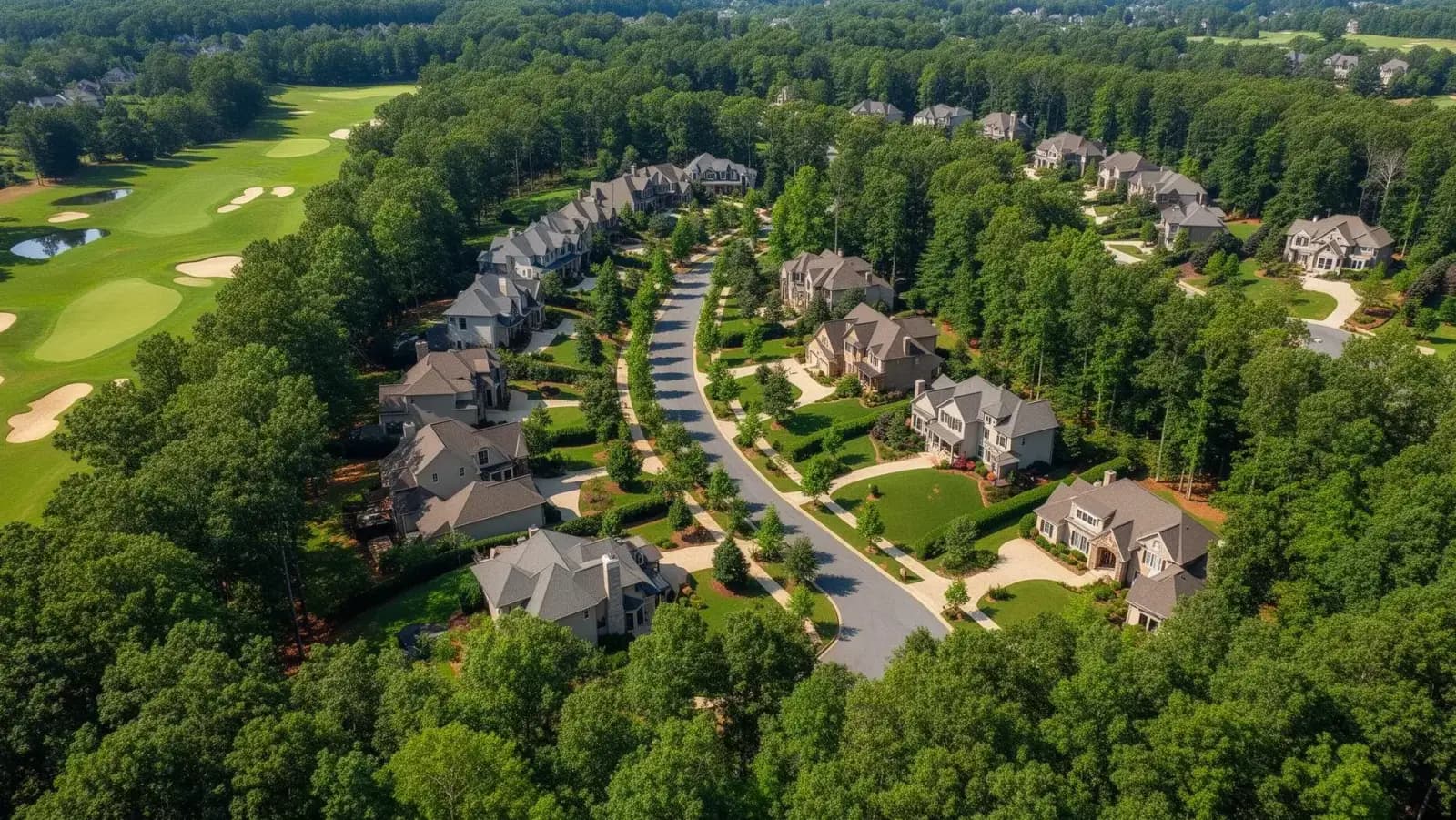
- Atlanta trades Dallas's flat prairie and sparse trees for rolling hills and a dense, mature tree canopy, a visual and outdoor shift most transplants find refreshing.
By the Numbers
Dallas and Atlanta, Side by Side
The honest, sourced comparison most relocation pages skip. Each figure is current and cited; the details follow in the sections below.
Sources: U.S. Census Bureau (2024 to 2025 metro estimates), Zillow Home Value Index (typical home value, early 2026, shifts monthly), state Departments of Revenue and the Tax Foundation (income tax, 2026), the Metro Atlanta Chamber (2025 employer data), and airport authorities. Figures are current as of mid-2026; verify time-sensitive numbers for your situation.
Macro Comparison
Atlanta vs Dallas: The Big Picture
Cost of Living
Housing has appreciated significantly. No state income tax but high property taxes. Generally moderate overall cost of living.
Comparable housing costs in many segments. Lower property taxes offset by state income tax. Overall similar cost structure.
Landscape
Flat prairies, limited natural tree canopy, new construction dominates. Landscaping often requires irrigation.
Rolling hills, extensive mature tree canopy, established neighborhoods with character. Green and lush naturally.
Economic Base
Fortune 500 concentration, corporate relocations, finance and energy. Rapid population and job growth.
Similar Fortune 500 presence plus entertainment and logistics. Diversified economy. Also growing but longer-established.
Connectivity
DFW is major hub with excellent domestic coverage. American Airlines presence strong. Weather delays are a factor.
World's busiest airport with even broader connectivity. Central location means efficient flights most directions. Delta hub.
Housing Markets
Real Estate Comparison
What Dallas Buyers Are Used To
- New construction dominance, especially in suburbs
- Master-planned communities with amenities
- Flat lots with designed landscaping
- HOA-heavy communities with extensive rules
- Property taxes as significant ongoing cost
How Atlanta Differs
- Balance of established single-family homes and luxury new construction
- Neighborhoods with organic development and character across metro Atlanta
- Hilly terrain with mature tree canopy in the best neighborhoods
- Homes for sale range from gated communities to historic estates
- Lower property taxes, state income tax instead, more home for your budget


See Where You'd Live
Your Dallas Neighborhood, Translated to Atlanta
New to Atlanta? Start here. Each area below is a close match to a place you already know in Dallas, from Highland Park prestige to Southlake's top-school suburbs. Tap any one to explore homes and details.





Living Here
Lifestyle Adjustments
Trees and Terrain
This is often the most commented-upon difference. Dallas is flat with sparse native trees. Atlanta is hilly with dense tree canopy. The visual environment feels dramatically different. Most find it refreshing.
Established vs. New
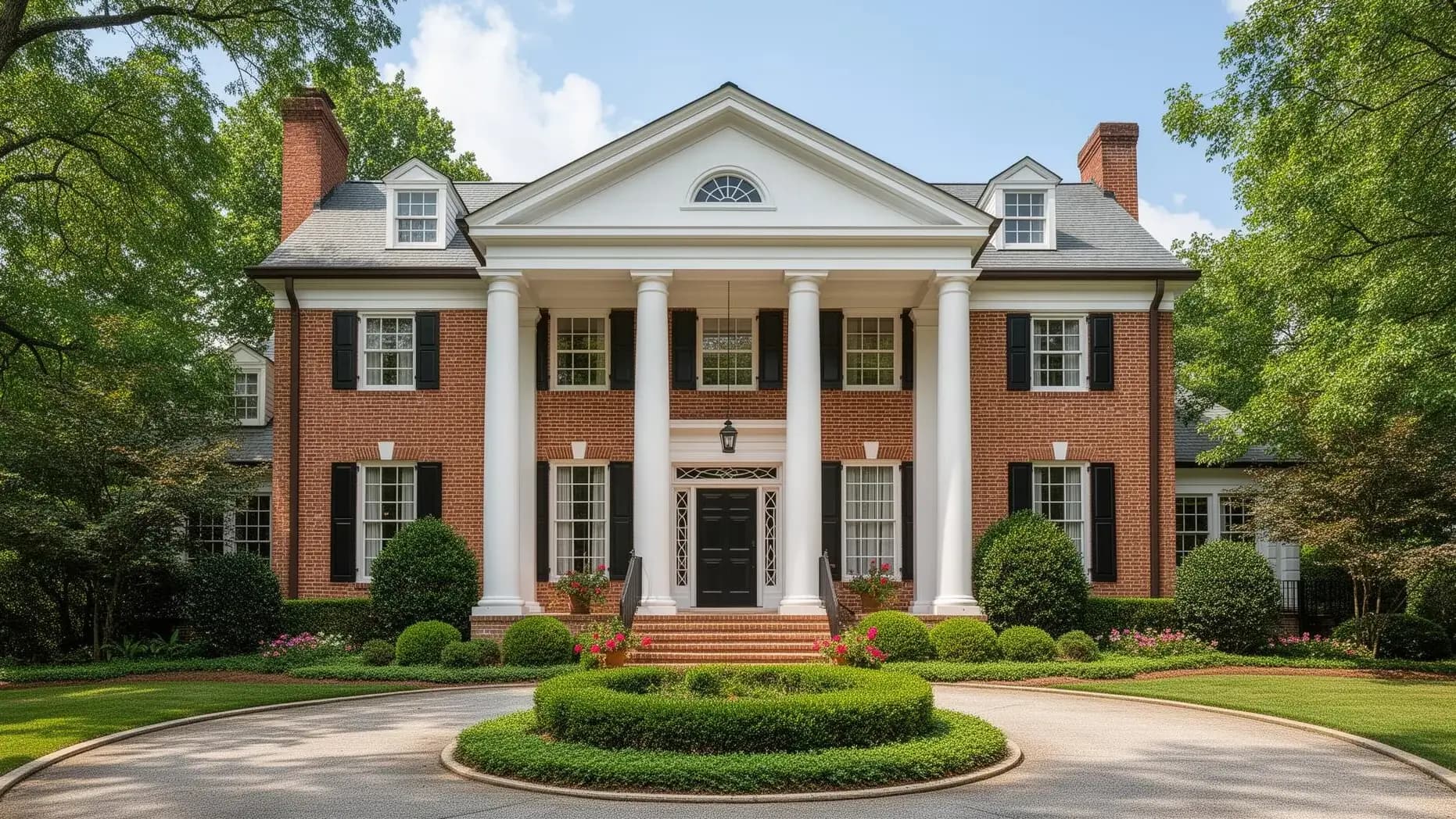
Dallas emphasizes new construction. Atlanta offers balance, historic neighborhoods with character alongside new development. If you value mature landscapes and established communities with luxury homes, Atlanta offers more areas to explore and more options for where to find your dream home.
Tax Structure
Dallas's no-income-tax, high-property-tax model flips in Atlanta to income tax with lower property taxes. Depending on your income and home value, one or the other may favor you. Calculate carefully.
Cultural Difference
Both are Southern cities but with distinct flavors. Dallas has Texas-sized confidence. Atlanta has civil-rights-capital depth. Both are hospitable; the character differs subtly.
Traffic Patterns
Both have significant traffic. Dallas's is somewhat more predictable on grid-based infrastructure. Atlanta's varies more dramatically. Both require strategic location selection.
Avoid These
Common Relocation Mistakes
Dismissing Older Homes
Dallas's new-construction culture may lead you to overlook Atlanta's excellent established neighborhoods. Some of the best value and character exists in homes built decades ago. Stay open.
Expecting Dallas Flatness
Atlanta's terrain matters for lot selection, drainage, and home design. Hills create opportunities and constraints that Dallas doesn't train you for. Evaluate lots thoughtfully.
Assuming Tax Equivalence
No income tax sounds great until you see Dallas property taxes. Georgia's combined structure may actually favor you depending on circumstances. Run real numbers, not assumptions.
Overlooking Tree Value
Mature trees in Atlanta are significant assets, for aesthetics, shade, and property value. Dallas buyers sometimes don't appreciate this. Lots with quality trees deserve premium consideration.
Same HOA Expectations
Dallas has very consistent HOA culture. Atlanta varies dramatically, from highly regulated communities to minimal or no HOA areas. Understand the governance structure before buying.
Assuming Similar Suburb Quality
Not all Atlanta suburbs are equivalent. Quality varies more than in Dallas's consistently newer developments. Due diligence at the neighborhood level matters more.
Smart Approach
Relocation Strategy
Tax Analysis First
Before comparing homes, compare tax implications. Georgia income tax vs. Texas property taxes affects net position significantly. Get real numbers for your situation to frame the housing budget accurately.
Explore Established Areas
Force yourself to visit established neighborhoods even if new construction is your instinct. Atlanta's older areas often offer character and value that new developments can't match.
Lot Evaluation
Learn to evaluate sloped lots, tree cover, and terrain in ways Dallas didn't require. These factors significantly affect livability and value in Atlanta. Don't apply flat-lot logic.
HOA Research
Don't assume; verify. Some Atlanta communities have Texas-style HOA oversight. Others have none. Understand what you're buying into and whether it matches your preferences.
Client Reviews
What Our Clients Say
“They made buying from out of state effortless.”
Buying a home remotely seemed impossible, but the team handled everything. Video tours, detailed neighborhood breakdowns, even coordinating inspections when we couldn't be there. Seamless.
Meet Your Team
Local Expertise, Personal Service

Featured Agent
David Wilson
Luxury Real Estate Advisor
Georgia Real Estate License #334679
David brings nearly two decades of Atlanta market expertise and a distinctive background, from building a multinational healthcare company to representing high-profile clients in Atlanta's film and entertainment industry, sourcing luxury estates for production executives with exacting standards.
Having called Old Fourth Ward home for 17 years, he's witnessed Atlanta's transformation firsthand. His deep understanding of what drives value, from emerging neighborhoods to Beltline influence and arts district momentum, informs every client conversation.
Areas of Focus
Next Steps
Ready to Find Your Dream Home in Atlanta?
Our real estate agents and dedicated buyer's agents specialize in helping relocating families from Dallas. Schedule a complimentary consultation to start your home search, and we'll guide you through metro Atlanta's best neighborhoods, suburbs, and luxury homes with context for your Texas experience.
Schedule a Complimentary Consultation
Share your timeline and priorities. Our buyer's agents will guide your home search for single-family homes and luxury homes across metro Atlanta.
We reply within one business day. Phone is optional, and we never share your information.
What Your Budget Buys
Home Prices, Dallas vs Atlanta
Dallas's typical home value is about $310,000 (Zillow, early 2026). Here is what metro Atlanta's submarkets cost, from the median to the luxury tier.
Metro Atlanta
- Metro Atlanta (overall)$373,000
- Johns Creek$651,000
- Alpharetta$656,000
- Brookhaven$735,000
- Druid Hills$757,000
- Milton$860,000
- Buckhead$620K to $1.3M+
Reading the Numbers
Atlanta's median runs a little higher than Dallas, but the range is wider, so a Dallas budget still reaches established intown neighborhoods, and premium submarkets become a reach-up rather than out of reach.
Source: Zillow Home Value Index (typical home value), early 2026. Figures shift monthly.
The Honest Tax Picture
Income Tax, Worked Out
Texas has no state income tax, so moving to Georgia means you start paying its flat 4.99%. Here is what that adds for a single filer at two income levels.
Rounded estimates for a single filer using each state's 2026 tax brackets and standard deduction (Georgia is a flat 4.99% with a $15,000 deduction under HB 463). Local and city income taxes are not included. Sources: state Departments of Revenue and the Tax Foundation. An illustration, not tax advice.
Schools
Education: How the Districts Compare
For most relocating families this is the deciding factor. The short version: Atlanta's best public districts match Dallas's best, but quality varies more by address, so the specific school matters as much as the city.
Dallas Districts
- Highland Park ISD is a small, affluent enclave district long regarded as one of Texas's best.
- Southlake Carroll ISD in the northern suburbs is nationally known for academics and athletics.
- Frisco ISD and Plano ISD are large, highly rated systems anchoring the fast-growing northern corridor.
Atlanta Options
- Forsyth County (Cumming): ranked among Georgia's top districts, about a 93% graduation rate
- North Fulton (Johns Creek, Milton, Alpharetta): Northview, Johns Creek, Milton, and Alpharetta High rank among Georgia's best
- Decatur City Schools: a small, highly regarded city system with its own identity
Atlanta also has a deeper private-school culture than many metros, with long-established options like Westminster, Pace Academy, Lovett, and Marist. Whichever direction you lean, we verify the exact public-school assignment for every home we show you, because in metro Atlanta two houses a few miles apart can feed very different schools.
Sources: Georgia Department of Education and US News district rankings (2025), plus state report cards for the origin metro.
Interactive Tool
Cost of Living Comparison
Loading comparison tool...
Dallas → Atlanta
Frequently Asked Questions
Specific questions from Dallas residents considering the move to Atlanta.
Is Atlanta more expensive than Dallas?
Comparable in many segments. Buying a home in Atlanta has similar costs, with variation by neighborhood. The tax structure differs, Georgia income tax vs. Texas property tax, which can net out differently based on your specific income and home value. Total cost of living is roughly equivalent. A knowledgeable real estate agent can help you understand where your budget goes furthest during your home search.
How different is the landscape really?
Dramatically different. Dallas is flat prairie with designed landscaping. Atlanta is rolling hills covered with mature trees. The visual environment changes daily life, more shade, more privacy, different outdoor feel. Most transplants find this a positive adjustment.
How do the schools compare?
Both metros have excellent school districts. Dallas's Southlake and Plano compare to Atlanta's Johns Creek and East Cobb, home to some of the top-rated school districts in metro Atlanta. Neither is categorically better. Specific district research matters more than metro-level comparison, and a buyer's agent who knows these areas can streamline your search.
How do the economies compare?
Both are strong and diversified. Dallas has Fortune 500 concentration, finance, and energy. Atlanta has Fortune 500s plus entertainment, logistics, and healthcare. Both continue growing. Neither is clearly superior for general career prospects.
Is Atlanta traffic worse than Dallas?
Both are challenging but differently patterned. Dallas traffic is more consistent; Atlanta varies more dramatically by corridor and time. Neither is clearly better, strategic location selection matters in both metros.
Will I miss Texas culture?
Depends on your attachment. Dallas's Texas pride is distinctive. Atlanta's Southern hospitality is equally genuine but differently flavored. Both are business-friendly and growth-oriented. The cultural adjustment is real but manageable for most.
What about the airport?
Atlanta's Hartsfield-Jackson is larger and more central with more direct flight options. Dallas's DFW is excellent but Atlanta's connectivity for business travel is often superior. This is often a positive factor for Dallas transplants.
Are there good new construction options?
Absolutely. Atlanta has extensive new construction in northern suburbs, Alpharetta, Johns Creek, Forsyth County. You can find Dallas-style new development. The difference is you also have excellent established options that Dallas lacks.
More Relocation Guides
Explore Other City-to-Atlanta Guides
Sources and Methodology
Metro populations are U.S. Census Bureau estimates. Typical home values are Zillow Home Value Index figures from early 2026 and shift month to month. Income tax rates are from the relevant state Departments of Revenue and the Tax Foundation; Georgia is a flat 4.99% with a $15,000 standard deduction for 2026 (HB 463). Any tax figures assume each state's flat rate and standard deduction and are illustrations, not tax advice. Employer and Fortune 500 figures are from the Metro Atlanta Chamber (2025). Airport figures are from the respective airport authorities. School data reflects state report cards and US News district rankings (2025). Figures are current as of mid-2026; verify time-sensitive numbers for your own situation before making decisions.
Currently serving these Georgia locations
Atlanta
- Buckhead
- Peachtree Hills
- Peachtree Battle
- Garden Hills
- North Buckhead
- Brookwood Hills
- Chastain Park
- Midtown
- Ansley Park
- Virginia-Highland
- Morningside
- Inman Park
- Druid Hills
- Old Fourth Ward
- Candler Park
- West Midtown
- Tuxedo Park
Sandy Springs
- Riverside
- Dunwoody Panhandle
- Mount Vernon Woods
- High Point
- North Springs
- Lake Forrest
Alpharetta
- Windward
- Crabapple
- Avalon
- North Point
- Mansell Crossing
Milton
- White Columns
- Birmingham
- Hopewell
- Fowler Springs
- Milton Estates
Johns Creek
- Ocee
- St. Ives
- Bellmoore Park
- Country Club of the South
Roswell
- Historic Roswell
- Riverside
- East Roswell
- Crabapple
Decatur
- Oakhurst
- North Decatur
- Winnona Park
- East Lake
Brookhaven
- Historic Brookhaven
- Lynwood Park
- Brookhaven Village
- Drew Valley
Dunwoody
- Georgetown
- Perimeter Summit
Marietta
- East Cobb
- Indian Hills
- Mountain Park
- West Highlands
Smyrna
- Market Village
- Belmont Hills
- Nickajack
Vinings
- Historic Vinings
- Vinings Estates
- Hillandale
Suwanee
- Providence
- Town Center
- Suwanee Dam
Duluth
- Berkeley Lake
- Sugarloaf
- Town Green
Peachtree Corners
- The Forum
- Technology Park
- Simpson Park
Norcross
- Historic Norcross
- Sugarloaf Estates
- Hamilton Mill
Canton
- Ball Ground
- Hickory Flat
- Lake Allatoona
Woodstock
- Downtown Woodstock
- Towne Lake
- Bridgemill
Cumming
- Sawnee
- Chestnut
- Vickery
South Metro
- Jonesboro
- Forest Park
- Morrow
- McDonough
- Stockbridge
West Metro
- Douglasville
- Lithia Springs
- Chapel Hill
Peachtree City
- Braelinn
- Kedron
- Glenloch
- Fayetteville
Gainesville
- Lake Lanier
- Flowery Branch
- Oakwood
Braselton
- Chateau Elan
- The Legends
- Traditions