Neighborhoods·14 min
The most architecturally iconic corridor in Virginia-Highland. Original 1920s Craftsman bungalows, Tudor Revival gems, and a mature tree canopy that turns this street into the postcard image of intown Atlanta living.
Market Overview
Market Snapshot
Conditions in Virginia Avenue, Virginia-Highland, Atlanta can shift week to week, and a single posted number is often out of date by the time you read it. For current median price, days on market, and active inventory specific to Virginia Avenue, Virginia-Highland, Atlanta, our team will pull a report from live MLS data.
Get a current Virginia Avenue, Virginia-Highland, Atlanta market reportMarket data reflects recent trends for single-family home sales along Virginia Avenue NE and immediately adjacent streets. Actual values may vary. Contact us for the latest figures.
The Street
Walk down Virginia Avenue NE between North Highland Avenue and Briarcliff Road, and you are looking at the reason Virginia-Highland became one of the most desirable intown Atlanta neighborhoods. This is not a collection of houses that happens to share a zip code. It is a single, cohesive streetscape of original 1920s and 1930s Craftsman bungalows, Tudor Revival cottages, and early Colonial Revival homes that has survived nearly a century of Atlanta's relentless development pressure largely intact. The homes here are the ones that show up when national publications run features on Atlanta's best neighborhoods. They are the reason people move to Virginia-Highland instead of buying something newer and bigger farther out. Our Virginia-Highland historic homes and architecture guide covers each of these styles in depth.
The street itself tells a story before you even look at the houses. Virginia Avenue is wider than most VaHi residential streets, with a mature canopy of hardwoods - oaks, maples, and tulip poplars - that arch over the roadway and create a green tunnel effect for eight months of the year. The scale feels intentional, like a neighborhood that was designed rather than assembled. And in many ways, it was. This section of Virginia-Highland was platted in the early 1920s during Atlanta's first major intown residential expansion, when developers laid out streets specifically to attract middle-class buyers who wanted to live close to the city but away from the noise and density of downtown. The houses were built by local builders who knew their craft - stone foundations, balloon-framed walls with plaster over lath, real wood windows with weighted sash pulleys, and slate or clay tile roofs that are still functional a century later.
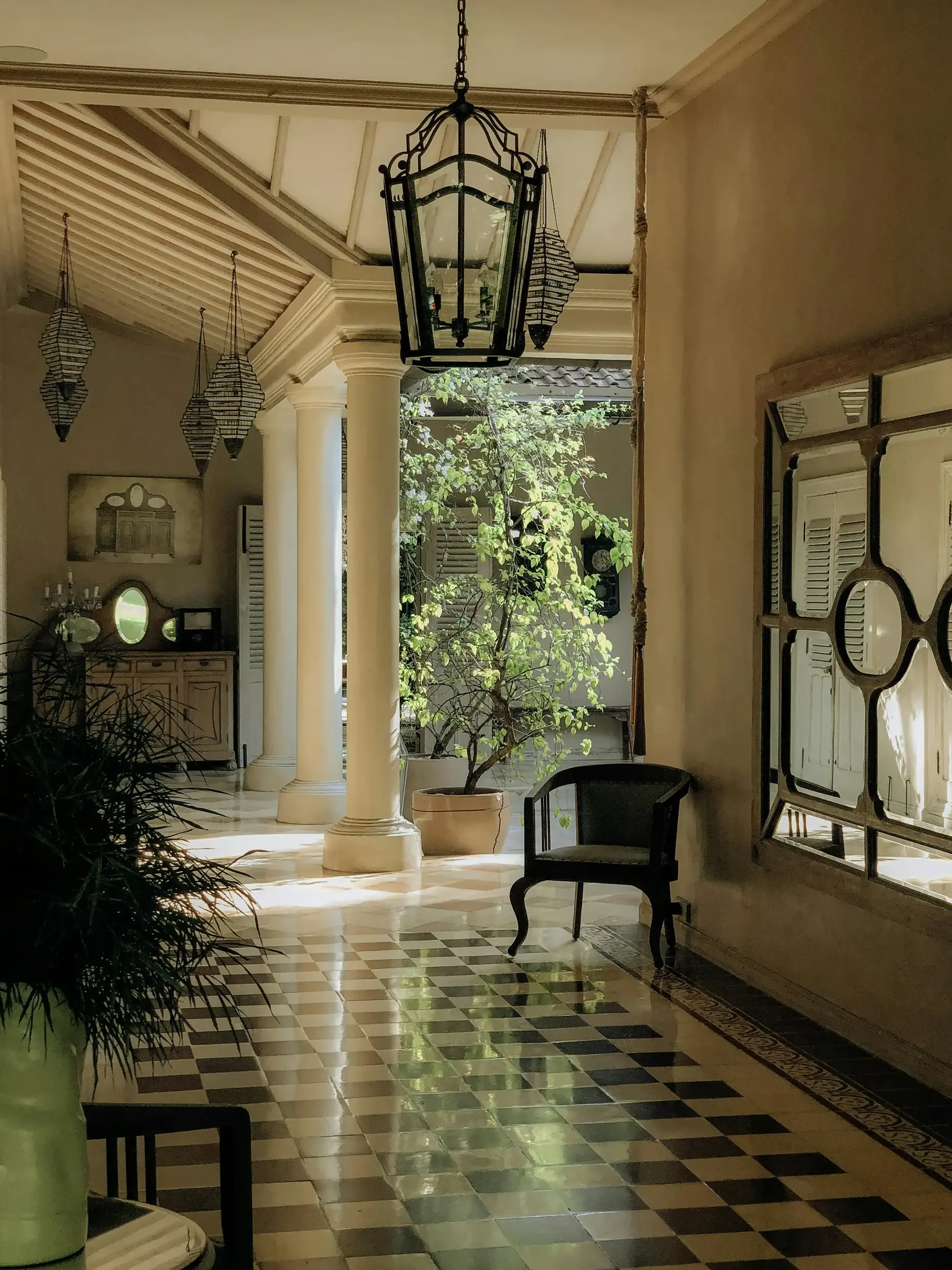
What makes Virginia Avenue exceptional within an already exceptional neighborhood is the density of architectural quality per block. Walk the stretch between St. Charles Place and Rosedale Drive and count the original details: tapered porch columns sitting on river stone piers, decorative knee braces under wide eave overhangs, arched Tudor doorways framed in rough-cut limestone, sleeping porches with original beadboard ceilings (many now converted to sunrooms), exposed rafter tails with shaped ends, and divided-light windows that still hold their original wavy glass. Some of these details are individually unremarkable, but their concentration here - block after block, house after house - creates a streetscape quality that does not exist on any other street in Atlanta at this price point.
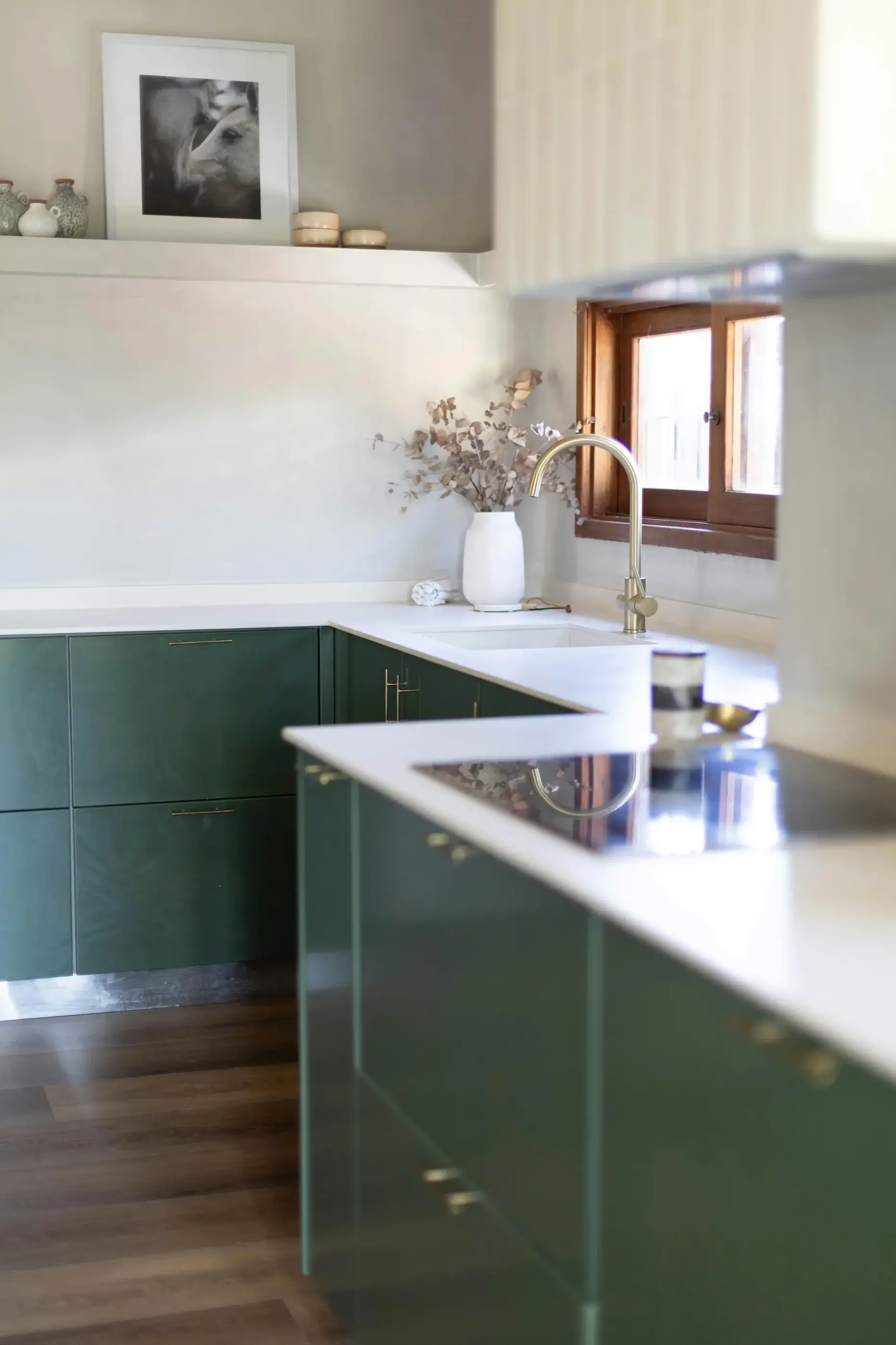
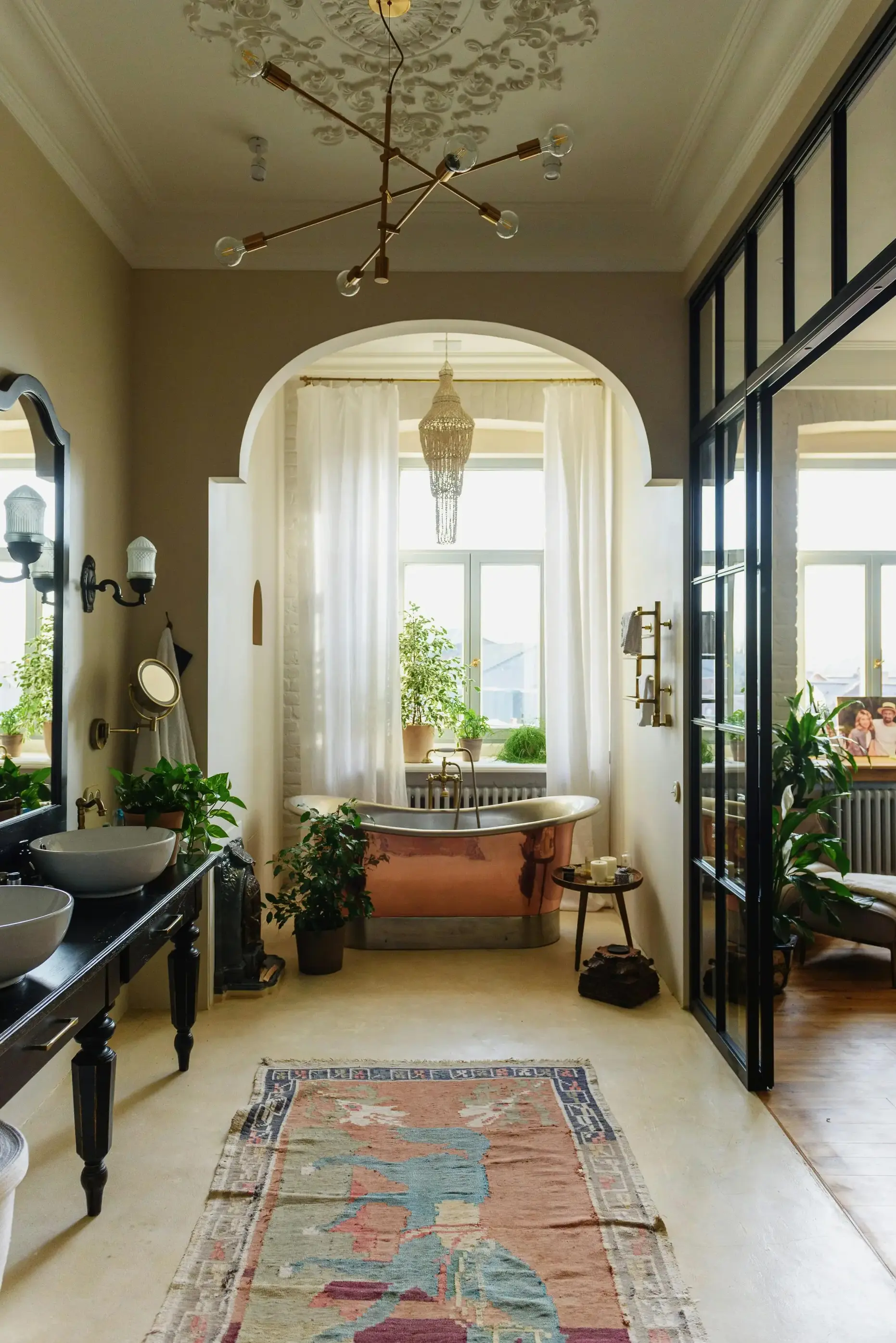
The renovation story is critical to understanding Virginia Avenue's market. Many of these homes have been painstakingly updated by owners who understood what they had. The best renovations preserve original hardwood floors (heart pine and red oak are most common), exposed interior brick, clawfoot tubs, transom windows above doorways, and original millwork around fireplace mantels and built-in bookcases. Modern kitchens get inserted carefully - typically in rear additions or reconfigured butler's pantries - so that you walk through the front door into rooms that read as 1928, then step into the kitchen and find professional-grade appliances, quartz or marble countertops, and proper ventilation. The worst renovations, which are increasingly rare along this stretch, gut the character and replace it with generic finishes. Buyers on Virginia Avenue are self-selecting for people who know the difference.
Why Virginia Avenue
No other street in intown Atlanta delivers this specific combination of original architectural character, walkability, and established neighborhood identity. Virginia Avenue is the standard against which other VaHi streets are measured.
1920s-1930s Originals
Craftsman bungalows and Tudor Revival homes with intact original details - stone foundations, slate roofs, wood windows, and sleeping porches
Green Tunnel Canopy
Mature hardwoods arch over the wide roadbed, creating one of Atlanta's most photographed residential streetscapes
Meticulous Renovations
Owners have preserved original hardwood floors, exposed brick, and millwork while adding modern kitchens and updated systems
Walk to Everything
Highland Avenue restaurants and North Highland shops are both within a 5-10 minute walk - no car needed for daily errands
Top-Rated School Zone
Morningside Elementary, Inman Middle, and Grady High - one of the strongest public school combinations in Atlanta
Rare Inventory
Only 3-8 homes available at any time with a median 15 days on market - this is one of Atlanta's tightest micro-markets
Property Types
Virginia Avenue's housing stock is almost exclusively single-family detached homes built between 1920 and 1940. There are no townhomes or condominiums on this street. Lots are standard Atlanta city lots, typically 0.12 to 0.25 acres - not large by suburban standards, but the setbacks, mature plantings, and consistent scale of the houses create a feeling of more space than the lot dimensions suggest. The properties fall into several distinct categories that buyers should understand before entering this market.
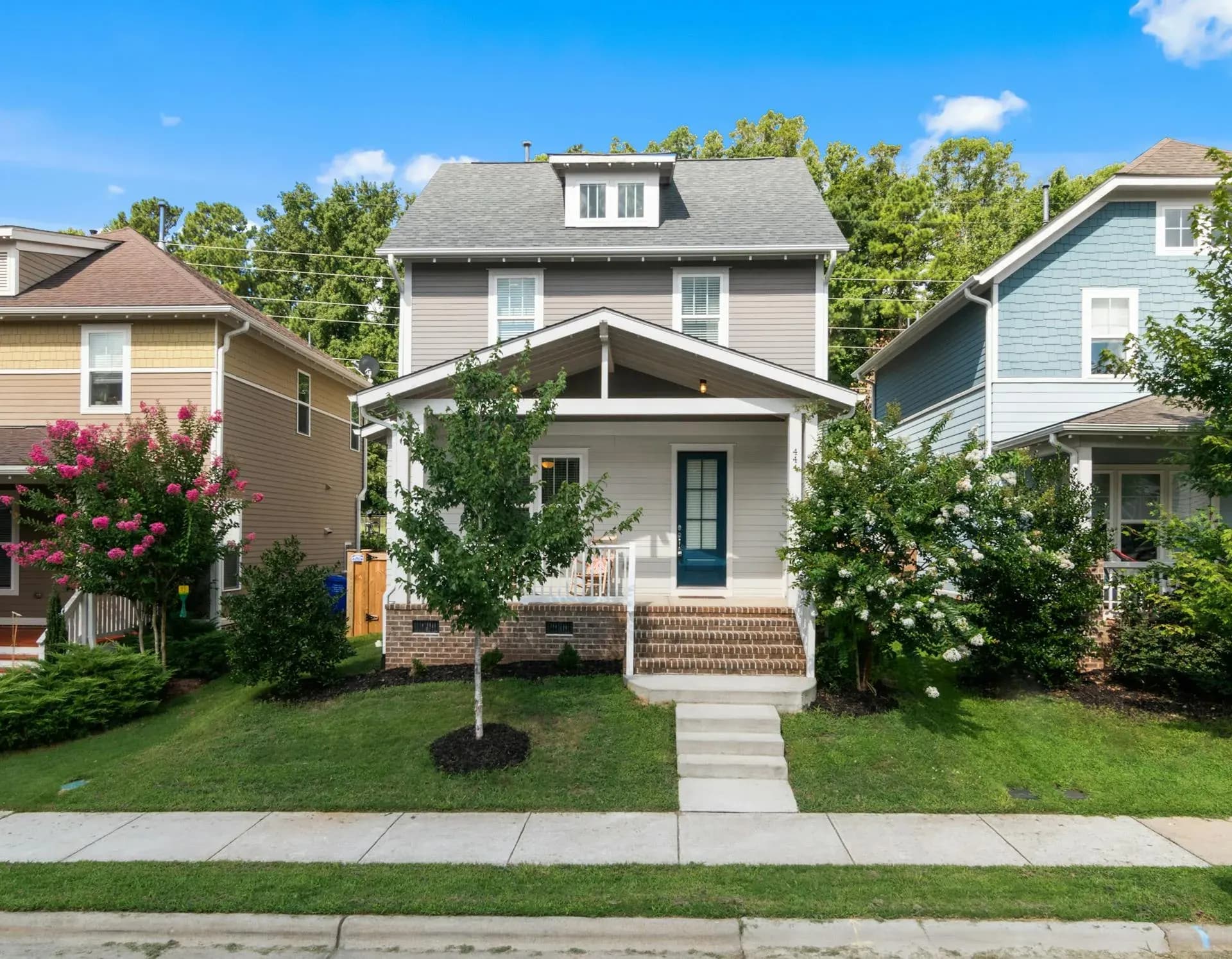
Craftsman bungalows (1920s-1935) are the dominant architectural type. These are one and one-half story homes, typically 1,400 to 2,200 square feet on the main level with a finished upper half-story reached by an interior staircase. Defining features include deep front porches supported by tapered wood columns on stone or brick piers, low-pitched gable roofs with wide eave overhangs, exposed rafter tails, decorative brackets and knee braces, and grouped windows with divided lights. Interior layouts center on a living room with a fireplace (often with original tile surround and wood mantel), a formal dining room, two to three bedrooms, and a compact kitchen. Unrenovated examples in solid structural condition sell in the $800,000 to $1.1 million range. Quality renovations that preserve character while adding modern kitchens, updated bathrooms, and rear additions command $1.3 million to $1.8 million.
Tudor Revival homes (1925-1940) represent the second major category. These are immediately recognizable by their steeply pitched front-facing gable roofs, decorative half-timbering with stucco or brick infill, arched entry doors set in stone surrounds, and asymmetrical facades. Tudor Revivals on Virginia Avenue are typically larger than the bungalows - 2,000 to 2,800 square feet - and carry a heavier sense of permanence. Brick and stone exterior walls, slate roofs, and leaded glass windows are common. These homes tend to sell at the higher end of the Virginia Avenue range, $1.4 million to $2.2 million for well-maintained or renovated examples, because the original construction quality was higher and the floor plans are slightly more adaptable to modern living.
Rare new construction and major additions ($2 million to $2.5 million)occasionally appear when an original structure is beyond reasonable renovation or when a lot becomes available through demolition. New builds on Virginia Avenue are controversial among neighbors and tend to succeed only when the architect respects the street's scale and material palette. The best new construction on this corridor uses Craftsman or traditional detailing, maintains the existing setback line, and keeps the roofline consistent with adjacent homes. Oversized modern boxes do not sell well here because buyers who want that aesthetic are not shopping on Virginia Avenue in the first place.
Education
The Virginia-Highland school zone is one of the primary reasons families pay a premium for homes on Virginia Avenue and surrounding streets. The combination of a top-performing public elementary school and strong middle and high school options makes this one of the most sought-after school zones inside the city of Atlanta. Many buyers specifically target the Morningside Elementary district and work backward to find a house.
One of the highest-rated public elementary schools in the city of Atlanta. Strong test scores, active PTA, and a walkable campus that draws families from across the Virginia-Highland and Morningside neighborhoods. The school's reputation is a direct driver of property values on Virginia Avenue.
Serves the broader Virginia-Highland, Morningside, and Candler Park communities. Located on Virginia Avenue NE near the Poncey-Highland border. Solid academic programs.
One of Atlanta's most established public high schools, located on Charles Allen Drive near Piedmont Park. Strong AP course offerings, competitive athletics. The school draws from multiple intown neighborhoods and has a strong alumni network throughout Atlanta.
Progressive K-12 independent school located on Ponce de Leon Avenue, less than two miles from Virginia Avenue. Known for its project-based learning approach, small class sizes, and emphasis on critical thinking over rote instruction. Paideia draws heavily from the Virginia-Highland and Druid Hills communities.
A smaller Atlanta Public Schools option that serves portions of the Virginia-Highland area. Known for its community-oriented culture and consistent academic performance. Some Virginia Avenue addresses fall within this attendance zone depending on specific location.
Preschool through 6th grade independent school in the Morningside area. Small class sizes and a hands-on curriculum that appeals to VaHi residents looking for an alternative to the public school pathway during early childhood years.
PreK-12 college preparatory school accessible via a short drive. Strong academics combined with character development and a values-based education model that resonates with many Virginia-Highland families.
The Morningside Elementary zone is consistently cited as the single most important factor for buyers on Virginia Avenue. Clients regularly tell us they chose VaHi over Decatur, Kirkwood, or Grant Park specifically because of this school. The walkability of the campus from Virginia Avenue - a short, sidewalk-connected walk or bike ride through residential streets without crossing any major roads - adds practical value beyond test scores.
Lifestyle
Virginia Avenue's location between two commercial nodes gives residents genuine car-optional living for daily errands, dining, and entertainment. This is not a marketing claim - it is how people actually live on this street.
The Community
Virginia Avenue attracts a specific kind of buyer. These are not people who want the biggest house or the most square footage. They are people who want the right house - a home with original character, a story in its walls, and a street that feels like it belongs to a specific time and place. The buyer profile here is remarkably consistent.
Architecture enthusiasts and preservationists make up a large share of Virginia Avenue buyers. These are people who can identify a Craftsman bracket from a Tudor bargeboard and who care about whether the original wood windows were replaced with vinyl or properly restored. They often have strong opinions about paint colors, front porch railings, and the difference between a sympathetic renovation and a gut job. Many have spent months or years watching this specific street, waiting for the right property to come available. When it does, they move quickly because they already know exactly what they want.
Buyers prioritizing the school zone are drawn by the Morningside Elementary zone and the walkable, safe-feeling streetscape. Virginia Avenue has low traffic, wide enough margins for bikes, and the kind of front-porch culture where neighbors know each other. Many buyers start renting in VaHi, fall in love with the neighborhood during evening walks, and decide they want to own on this particular street. The school quality gives them the confidence to invest at the $1.2 million to $1.8 million level.
Couples relocating from character-rich cities - Charleston, Savannah, Brooklyn, Cambridge, Portland - recognize Virginia Avenue immediately. They have lived in older homes before, they understand the maintenance commitments, and they are looking for a street in Atlanta that matches the architectural quality they are accustomed to. For these buyers, Virginia Avenue is often the only option they seriously consider because nothing else in Atlanta at this price point delivers the same density of original, well-maintained historic homes.
Design professionals and creative-industry workers are overrepresented on this street relative to the rest of VaHi. Interior designers, architects, photographers, and marketing professionals who work from home or in nearby Midtown and Old Fourth Ward offices are drawn to homes that serve as both residence and creative backdrop. The original details - mantels, built-ins, light through old glass - matter to people whose livelihood depends on visual quality.
For Buyers
Buying on Virginia Avenue requires a different approach than buying in most Atlanta neighborhoods. Inventory is extremely limited - typically only 3 to 8 homes are actively listed at any given time across the Virginia Avenue corridor and surrounding streets like Sycamore, Adair, and Frederica. Well-priced, well-renovated homes sell in roughly 15 days, often with multiple offers. You cannot casually browse this market and expect to find something. You need to be ready before the listing goes live.
The renovation calculus is central to any Virginia Avenue purchase. Most homes here are 90 to 100 years old, and even the best-maintained examples will have deferred maintenance items. Buyers should expect to budget $50,000 to $200,000 for renovation depending on scope. On the lower end, that covers cosmetic updates - refinishing hardwood floors, painting, updating light fixtures, and minor bathroom refreshes. On the higher end, you are looking at full systems replacement: knob-and-tube wiring upgraded to modern electrical, cast-iron drain lines replaced with PVC, foundation work on original stone piers, HVAC installation (many older homes relied on radiators or window units), and roof replacement if the original slate or asphalt has reached the end of its life.
Some homes carry historic designation or sit within the neighborhood's informal historic overlay, which can restrict exterior modifications. This is not necessarily a negative - the overlay protects the streetscape character that makes Virginia Avenue valuable in the first place - but buyers need to understand the implications before planning a front facade change or a large rear addition. Your agent should be able to identify which specific restrictions apply to any given property before you make an offer.
Inspection on century-old homes demands specialists, not generalists. We recommend engaging a structural engineer familiar with balloon-frame construction, a plumber who can scope original drain lines, and an electrician who can assess mixed wiring systems. Termite and moisture inspections are critical - pier-and-beam foundations with crawl spaces are susceptible to both. The good news is that most structural issues on Virginia Avenue homes are known quantities with proven solutions. A home that has survived 100 years on its original foundation is unlikely to fail tomorrow, but understanding the condition of that foundation before closing is essential.
For Sellers
If you own a home on Virginia Avenue, you hold one of the most desirable assets in intown Atlanta real estate. The combination of limited supply, strong demand, and the street's established reputation means that a well-positioned listing will attract serious, qualified buyers quickly. But positioning matters more here than in most neighborhoods because the buyer pool is highly knowledgeable and detail-oriented.
Virginia Avenue buyers know what original Craftsman millwork looks like versus reproduction. They can tell if hardwood floors were refinished properly or sanded too aggressively. They notice when a renovation preserved the original sleeping porch configuration versus when it was walled off and drywalled over. Pricing, photography, and staging need to speak to this level of sophistication. Generic luxury marketing does not resonate with Virginia Avenue buyers. Specific, honest storytelling about the home's history, its original features, and the quality of any renovation work performs far better than aspirational lifestyle language.
Pre-listing preparation is critical. We recommend a pre-inspection to identify and address any structural, electrical, or plumbing concerns before buyers send their own inspectors. Having documentation of renovation work - permits, contractor details, material specifications - builds confidence with buyers who are investing at the $1.2 million to $2 million level in a century-old home. Touch-up painting, landscaping refresh, and professional cleaning of original features (stone, brick, wood floors) can meaningfully impact first impressions without requiring significant investment.
Nearby Neighborhoods
Common Questions
The median home price along Virginia Avenue NE is approximately $1.4 million. Smaller, unrenovated Craftsman bungalows start around $800,000, while quality renovations with preserved original details and modern kitchens typically sell between $1.3 million and $2.2 million. Rare new construction or exceptional corner lot properties can reach $2.5 million. Prices have climbed steadily over the past decade as inventory on this street remains extremely limited.
Virginia Avenue is defined by original 1920s and 1930s Craftsman bungalows and Tudor Revival homes. These are the houses that regularly appear in 'best neighborhoods in Atlanta' features. Craftsman details include deep front porches with tapered columns on stone piers, exposed rafter tails, decorative brackets, and double-hung wood windows. Tudor Revival homes feature steeply pitched gable roofs, decorative half-timbering, arched doorways, and stone or brick exteriors. Many homes also show elements of Colonial Revival and American Foursquare styles.
Virginia Avenue has extremely low inventory. At any given time, there are typically only 3 to 8 active listings across the Virginia Avenue corridor and immediately surrounding streets like Sycamore Street, Adair Avenue, and Frederica Street. Homes that are priced correctly sell in roughly 15 days. Many homeowners have lived here for 10 to 20 years or more and are deeply attached to their properties. When a well-renovated home does hit the market, it often receives multiple offers within the first week.
Renovation is central to the Virginia Avenue buying experience. Many of these homes are 90 to 100 years old, and buyers should budget $50,000 to $200,000 for renovation depending on scope. Common issues include knob-and-tube wiring that needs full replacement, cast-iron or galvanized plumbing, foundation work on original stone piers, and outdated HVAC systems. Some homes carry historic designation or fall within the neighborhood's informal historic overlay, which may restrict exterior modifications. The most successful renovations preserve original character - hardwood floors, exposed brick, sleeping porches, clawfoot tubs, slate roofs - while adding modern kitchens, updated bathrooms, and proper insulation.
Virginia Avenue is zoned for Morningside Elementary School, Inman Middle School, and Grady High School in the Atlanta Public Schools system. Morningside Elementary is one of the highest-rated public elementary schools in the city, with strong parent involvement and consistent academic performance. Inman Middle School serves the broader Virginia-Highland and Morningside communities. Nearby private school options include Paideia School, a progressive K-12 independent school on Ponce de Leon Avenue, and Springdale Park Elementary. The strength of the public school zone is a major driver of property values in this corridor.
Absolutely. Virginia Avenue NE sits between two of Virginia-Highland's main commercial nodes. The Highland Avenue commercial strip is a 5 to 10 minute walk south, with restaurants like Murphy's, Fontaine's Oyster House, and Dark Horse Tavern, plus boutique shops and coffee spots. Walking north on North Highland Avenue brings you to the shops and restaurants near Amsterdam Avenue and the intersection with University Drive. The entire Virginia-Highland commercial district is accessible on foot without crossing any major arterial roads, making this one of the most genuinely walkable locations in Atlanta.
Virginia Avenue attracts architecture lovers and buyers who specifically want character and craftsmanship over new construction. Many buyers are couples who fell in love with a specific house during a neighborhood walk and waited months or years for the right property to come available. Preservationists, design professionals, and people relocating from cities like Charleston, Savannah, or older Northeast neighborhoods where historic housing is valued tend to gravitate to this street. The Morningside Elementary zone, the walkability, and the strong sense of community along these blocks add further appeal.
Virginia Avenue is widely considered the most architecturally significant street in Virginia-Highland. The concentration of intact, original 1920s-1930s homes here is denser than on most surrounding streets. Sycamore Street, Adair Avenue, and Frederica Street share similar character and vintage, but Virginia Avenue's wide roadbed, mature tree canopy creating a green tunnel effect, and the consistency of its Craftsman and Tudor Revival architecture give it a visual cohesion that makes it the postcard image of the entire neighborhood. Prices on Virginia Avenue tend to run 10 to 15 percent higher than comparable homes on adjacent streets.
Get Started
Buying or selling on Virginia Avenue requires an agent who understands this specific micro-market - the architecture, the renovation considerations, the buyer profile, and the pricing dynamics that make this street different from the rest of Virginia-Highland. We follow these blocks closely and often know about inventory before it hits the public market.
Tell us about your interest in Virginia Avenue.
Response within one business day. Your information is kept private and secure.
Explore nearby luxury markets: