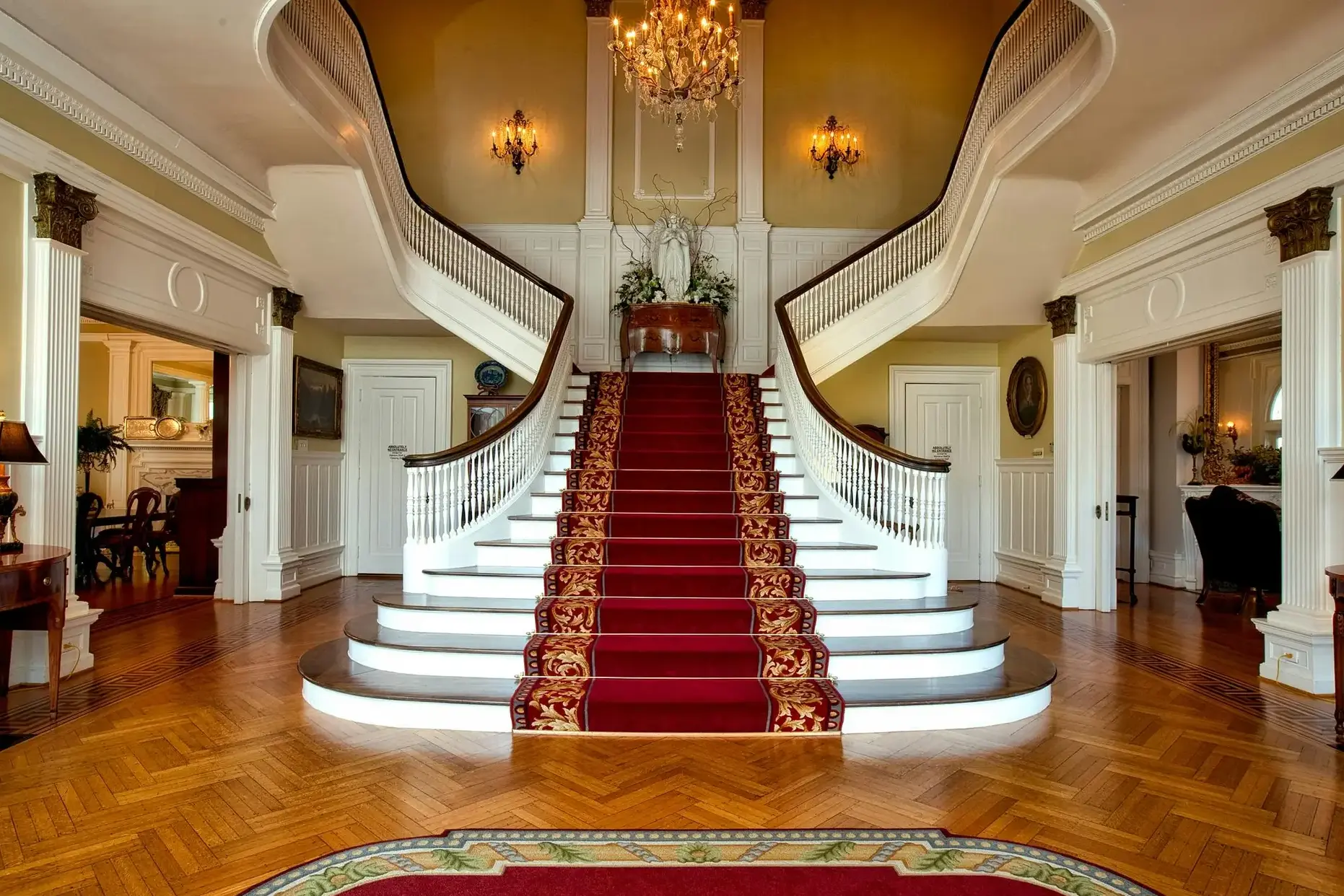
A $10 million estate is not sold the way a $1 million home is sold. At the very top of the Atlanta market, a property may have only a handful of qualified buyers anywhere in the country, and reaching them takes a marketing campaign rather than a listing. The difference between a trophy estate that transacts and one that lingers is rarely the home itself. It is almost always how the home is priced and how it is presented.
That presentation is a discipline of its own. A true ultra-prime launch brings together cinematic film, architectural and twilight photography, aerial work, high-end staging, storytelling that conveys a property's provenance, and a deliberate launch sequence that releases the home as an event. It places the listing in luxury and international channels rather than relying on standard portals, and it reaches ultra-high-net-worth buyers where they actually are.
This guide walks through what a real luxury marketing campaign includes at the $10 million and up level, why pricing and marketing, not the home, usually explain why some trophy estates sit, and how the pieces fit together into a launch worthy of the property. Treat costs and timelines here as general guidance rather than fixed figures, and plan the campaign around the small, specific audience that can actually transact.
Why $10 Million Changes Everything
The instinct to treat a trophy estate like a larger version of a luxury home is where many campaigns go wrong. The economics are different because the audience is different. A $1 million Atlanta home competes with many comparable listings and reaches a broad regional pool of buyers who mostly find homes through standard portals. A $10 million estate competes for a far smaller set of buyers, many of whom are not actively searching portals at all and are instead reached through relationships, networks, and curated channels.
The property is also usually singular. Trophy estates rarely have clean comparable sales, so the marketing has to define the home's value rather than borrow it from neighbors. That is why provenance, design, setting, and craftsmanship move to the center of the story. When there is no obvious comp, the campaign itself becomes part of how the market understands what the home is worth.
All of this raises the stakes on production. At this level, weak photography or the absence of a film does not just look modest. It can quietly cost the seller buyers who never engage because the presentation did not signal the caliber of the property. The budget, the production values, and the reach all scale up because the consequences of getting it wrong scale up too.
Why Some Trophy Estates Sit While Others Sell
When a $10 million home lingers, sellers often assume something is wrong with the property. Usually it is not. At the top of the market, a home that sits is most often a pricing problem, a marketing problem, or both. Price the estate ahead of what the market will support and it can sit for many months while a comparable home positioned correctly transacts. Present it poorly and it may never reach the buyers who would have paid for it.
Timelines at the top are longer than many sellers expect even when everything is done well. For broader context, atlantaSKYriseblog, reporting on FMLS data, noted that Atlanta's $1 million and up condo market averaged roughly 80 days on market year to date through the first half of 2025, nearly identical to the prior year. Trophy estates well above that price band can take considerably longer to find their buyer, because the qualified pool is so much smaller. That longer runway is exactly why the campaign has to be right from the first day on market. A trophy estate generally gets one strong launch, and a weak debut is hard to recover from.
The encouraging part is that both of the usual problems are within the seller's control. Pricing can be set with discipline against the realities of the ultra-prime segment, and marketing can be built to the level the property deserves. For more on getting the number right when there are no clean comparables, see our guide to pricing a one-of-a-kind Atlanta estate.
The Film: Selling a Way of Living
A cinematic listing film is the centerpiece of a modern ultra-prime campaign, and it is a different thing entirely from a walkthrough video. A walkthrough documents rooms. A film conveys how it feels to live in the home. It opens with a sense of place, moves through the property with intentional pacing, and uses light, music, and motion to create emotion rather than simply record square footage.
Production at this level looks more like a short film than a real estate clip. It often involves a director or producer, a cinematographer, stabilized camera work, aerial footage, lighting, color grading, sound design, and sometimes talent or voiceover to carry the story. The strongest films are built around the property's architecture, setting, and lifestyle, and they are paced to hold attention the way good video does, which matters as much on a phone screen as on a private showing.
The reason the film earns its place is that a buyer at this level is choosing a way of living, not only a floor plan. A film can communicate the experience of arriving up a long drive, the quality of light through a great room at a particular hour, or the calm of a private garden in a way that stills alone cannot. It creates the emotional momentum that a campaign needs to convert attention into serious interest.
Photography: Still the Foundation
For all the power of film, photography remains the foundation of the campaign. Most buyers, agents, and publications encounter a listing first through still images, and those images travel everywhere the film does not. They carry the listing across portals, brochures, press features, and social channels, and they shape the first impression long before anyone presses play.
A trophy estate generally needs several kinds of photography working together. Architectural images respect the design and show the home as the architect intended. Interior images convey scale, flow, and finish. Detail shots capture the materials and craftsmanship that justify the price. And twilight photography captures the home at its most dramatic, in the short window when the sky holds color and the interior and landscape lighting glow against it.
Film and photography are not competing line items. They are two halves of the same effort. The film creates emotion and momentum, and the photography carries the listing into every place a buyer might encounter it. Underinvesting in either one weakens the whole campaign, which is why the strongest launches plan them together from the start.
Twilight and Aerial: The Signature Shots
- Twilight is often the hero image: Shot in the brief window around sunset, twilight photography conveys warmth, drama, and a sense of arrival that midday light cannot. For an estate with architectural lighting, a pool, or a notable setting, it frequently becomes the signature image of the campaign.
- Aerial reveals the estate in full: Drone and aerial work show the lot, the approach, the rooflines, and the relationship of the home to its grounds. For a property where land and setting are part of the value, an aerial view communicates what no ground-level shot can.
- Both require planning: Twilight shoots depend on weather and a narrow time window, and aerial work depends on conditions and airspace rules. This planning is part of why these shots cost more, and part of why they are scheduled deliberately rather than squeezed in.
- They anchor the first impression: Where presentation drives perceived value, a single signature image often earns its cost by setting the tone for the entire listing.
The Launch Sequence: Releasing the Home as an Event
A trophy estate should not simply appear among hundreds of other listings on a Tuesday morning. The most effective ultra-prime campaigns release the home through a deliberate sequence designed to concentrate attention and build momentum. The launch is treated as an event in its own right.
The teaser phase. A campaign often begins by building anticipation without revealing everything. A selective image, a hint of the film, or a save-the-date to a curated audience creates interest before the home is fully exposed, so that the eventual debut lands with more force.
The private preview. Before the public launch, the property is often shown to a curated audience of qualified buyers and top agents. This phase generates early feedback, surfaces genuine interest, and lets the team refine positioning before the wider release. For a high-profile seller, it can also keep the most sensitive exposure controlled.
The public debut. When the home goes wide, it does so across portals, press, and social channels in a coordinated push rather than a quiet posting. The film, the photography, the brochure, and the story all arrive together, so the property enters the market with the visibility its price warrants.
Sequencing works because attention is finite and momentum compounds. A home that arrives as an event, with a story already forming around it, is in a stronger position than one that slips onto the market unannounced. For sellers who value discretion above all, the entire process can be handled privately, which we cover in our guide to selling a $10 million Atlanta estate off-market.
Storytelling, Provenance, and High-End Staging
When a buyer is paying for something singular, the story behind the property becomes part of its value. Provenance might be a notable architect or designer, distinctive materials, a significant lot or setting, a vision behind the design, or a history of ownership. Storytelling weaves those elements through the film, the photography, the brochure, and the press, not as embellishment but as an accurate articulation of what makes the home rare. A property with a clear story is far easier to position than one presented as a list of features, because the story helps qualified buyers understand why the home is priced as it is.
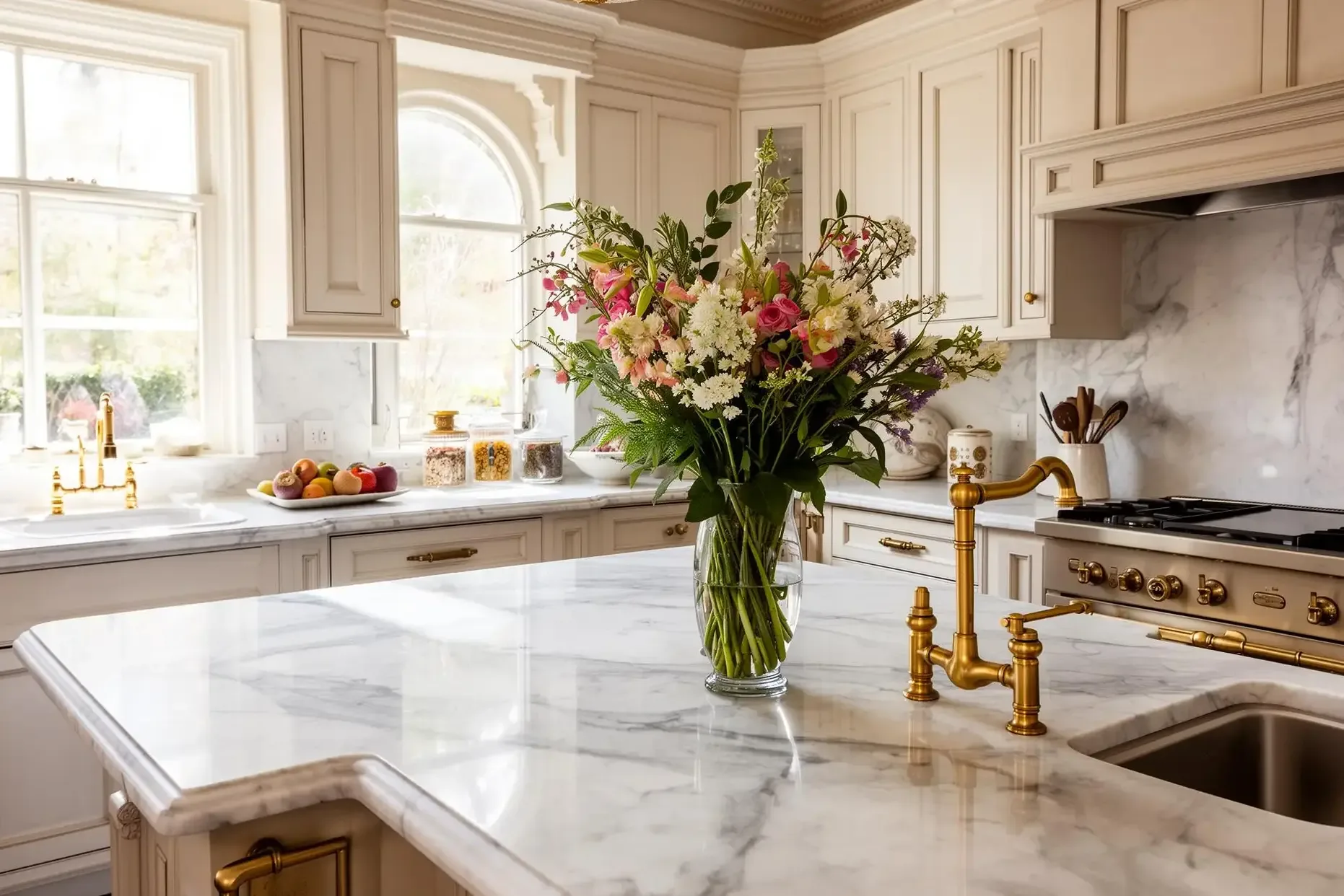
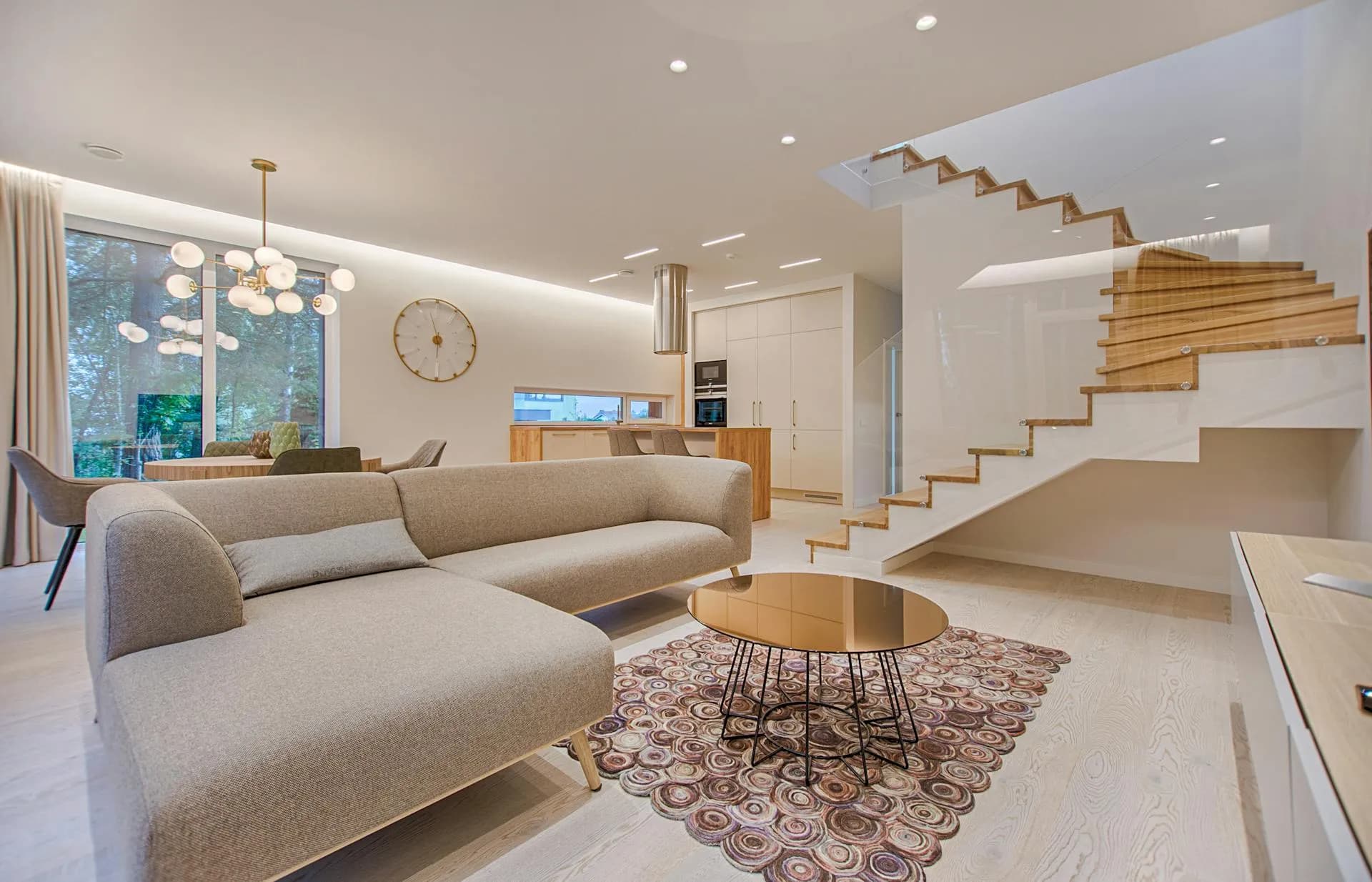
Staging supports the same goal. At the $10 million level, staging is about editing and elevating rather than filling empty rooms. For an occupied estate, it may mean refining what is already there so the architecture and finishes read clearly. For a vacant one, it may mean curated furnishings and art chosen to match the home's caliber. Because the film and photography capture the staged result, staging and visual production are usually planned together so the home presents at its best both in person and on camera.
Done together, story and staging make the rest of the campaign more effective. The film has something to say, the photography has something to frame, and the buyer has a reason to remember the home among the few others they are considering at this level.
Reaching International and Ultra-High-Net-Worth Buyers
A campaign is only as good as the buyers it reaches. At the trophy level, the right buyer may live in another city or another country and may not be searching the standard portals at all. Reaching that audience takes deliberate distribution rather than waiting to be found.
In practice that generally means placement in luxury real estate networks and publications, relationships with agents who represent ultra-high-net-worth clients, and channels that reach wealth outside the local market. Some estates are also marketed selectively or entirely off-market to protect privacy while still reaching the right buyers. The mix depends on the property, the seller's privacy preferences, and where likely buyers are concentrated.
The common thread is intent. The marketing actively goes to where qualified buyers are, rather than assuming they will arrive through a portal search. For an estate with only a handful of possible buyers, that difference in distribution is often what determines whether the home is seen by the people who can actually transact.
What a Full Ultra-Prime Campaign Includes
- Cinematic film. A directed short that conveys the experience of living in the home, not a walkthrough.
- Photography in layers. Architectural, interior, detail, and twilight images that carry the listing everywhere.
- Aerial and drone work. Showing the lot, the approach, and the home's relationship to its setting.
- A defined launch sequence. Teaser, private preview, and coordinated public debut rather than a quiet posting.
- Storytelling and provenance. An accurate articulation of what makes the home singular.
- Luxury digital and print channels. A brochure, a dedicated presentation, and placement where qualified buyers look.
- International and UHNW reach. Distribution that goes to where wealth actually is, including off-market when privacy matters.
- High-end staging. Editing and elevating the home so it reads at its best in person and on camera.
Frequently Asked Questions
Why does a $10 million home need different marketing than a $1 million home?
The buyer pool, the price stakes, and the property itself are all different at the top. A $1 million Atlanta home competes with many comparable listings and reaches a regional audience that mostly finds homes through standard portals. A $10 million trophy estate may have only a handful of qualified buyers in the country at any given moment, and reaching them takes a campaign rather than a listing. At this level the marketing typically includes a cinematic film, architectural and twilight photography, aerial work, a staged launch sequence, storytelling that conveys the property's provenance, and placement in luxury and international channels. The home is also usually unique, so the marketing has to define its value rather than rely on direct comparables. The scale of the budget, the production, and the reach all change because the audience and the stakes change.
Why do some $10 million Atlanta homes sit while others sell?
At the top of the market, a home that lingers is usually a pricing or marketing problem rather than a problem with the home. The pool of buyers is small, so an estate priced ahead of what the market will support can sit for many months while comparable homes that are positioned correctly transact. Marketing matters just as much. A trophy property presented with weak photography, no film, and no launch strategy may never reach the buyers who would pay for it. For context on broader luxury timelines, atlantaSKYriseblog, reporting on FMLS data, noted that Atlanta's $1 million and up condo market averaged roughly 80 days on market year to date through the first half of 2025, nearly identical to the prior year. Trophy estates above that price band can take considerably longer, which is exactly why pricing and presentation have to be right from the first day on market.
What does a cinematic listing film actually include?
A true listing film is a short, directed piece rather than a walkthrough video. It typically opens with a sense of place, moves through the home with intentional pacing, and uses light, music, and motion to convey how it feels to live there rather than simply documenting rooms. Production often includes a director or producer, a cinematographer, stabilized and drone camera work, lighting, color grading, sound design, and sometimes talent or voiceover. The strongest films tell a story about the property's architecture, setting, and lifestyle. The goal is emotional, not just informational, because at this level a buyer is choosing a way of living, not only square footage.
How important is photography if there is already a film?
Photography remains the foundation. Most buyers, agents, and publications encounter a listing first through still images, and those images do the heavy lifting across portals, brochures, press, and social channels. A trophy estate typically needs architectural photography that respects the design, interior images that show scale and finish, detail shots of materials and craftsmanship, and twilight photography that captures the home at its most dramatic. Film and photography work together. The film creates emotion and momentum, and the photography carries the listing everywhere the film is not embedded. Skimping on either one weakens the campaign.
Why is twilight photography worth the added cost?
Twilight photography is shot in the short window around sunset when the sky holds color and the home's interior and landscape lighting glow against it. For an estate with architectural lighting, a pool, or a notable setting, twilight images often become the signature shot of the campaign because they convey warmth, drama, and a sense of arrival that midday light cannot. The window is brief and the shoot requires planning, which is part of why it costs more. For a property where presentation drives perceived value, that signature image frequently earns its cost by anchoring the listing's first impression.
What is a luxury launch sequence?
A launch sequence is a planned rollout rather than a single public posting. A common structure begins with a teaser phase that builds anticipation without revealing everything, moves to a private preview for a curated audience of qualified buyers and top agents, and then opens to a coordinated public debut across portals, press, and social channels. The idea is to concentrate attention, create momentum, and let the property arrive as an event rather than appear quietly among hundreds of other listings. Sequencing also lets the team gather early feedback and refine positioning before the wider launch. Done well, it gives a trophy estate the visibility its price warrants.
How do you reach international and ultra-high-net-worth buyers?
Reaching this audience takes deliberate distribution rather than waiting for buyers to find the listing. That generally means placement in luxury real estate networks and publications, relationships with agents who represent ultra-high-net-worth clients, and channels that reach wealth outside the local market. Some trophy estates are also marketed selectively or off-market to protect privacy while still reaching qualified buyers. The right mix depends on the property, the seller's privacy preferences, and where likely buyers are concentrated. The common thread is that the marketing actively goes to where qualified buyers are rather than relying on standard portals alone.
Does staging matter at the $10 million level?
It can matter a great deal, though the approach is different than at lower price points. High-end staging at this level is about editing and elevating rather than filling empty rooms with rental furniture. The goal is to present the home so its architecture, scale, and finishes read clearly in person and on camera, and so a buyer can imagine living there. For an occupied estate, that may mean refining what is already there. For a vacant one, it may mean curated furnishings and art chosen to match the home's caliber. Because film and photography capture the staged result, staging and visual production are usually planned together rather than treated as separate steps.
What is the role of storytelling and provenance in marketing an estate?
At the top of the market, a buyer is often paying for something singular, and the story behind a property can be part of its value. Provenance might include a notable architect or designer, distinctive materials, a significant lot or setting, a history of ownership, or a specific design vision. Storytelling weaves those elements into how the property is presented across the film, the photography, the brochure, and the press. It is not embellishment. It is the accurate articulation of what makes a home rare, which helps qualified buyers understand why it is priced as it is. A property with a clear story is easier to position than one presented as a list of features.
How long does it take to produce a full luxury marketing campaign?
It typically takes longer than sellers expect, which is why planning ahead matters. Scheduling a film and photography shoot, waiting for the right weather and twilight conditions, staging the home, editing and grading the film, designing print and digital assets, and coordinating a launch sequence can take several weeks from start to public debut. Trying to compress all of that into a few days usually shows in the final product. The most effective campaigns build in time for the property to be prepared and presented properly, because at this level the quality of the launch is part of how the home is valued.
What does a full luxury marketing campaign cost, and who pays for it?
Costs vary widely with the scope of production, the size of the estate, and the channels used, so there is no single figure. A cinematic film, architectural and twilight photography, aerial work, staging, print materials, digital placement, and a launch event each carry their own cost, and a full-scale campaign for a trophy estate is a meaningful investment. How that investment is structured is a conversation between the seller and the listing brokerage and depends on the engagement. The right framing is not the line-item cost in isolation but whether the campaign is sized to reach the buyers who can transact at the property's price. Underinvesting in marketing a trophy estate can be far more expensive than the campaign itself if it lengthens the time on market or weakens the eventual result.
Should I sell my Atlanta estate on the open market or off-market?
Both can be appropriate, and the right choice depends on your priorities. An open-market launch maximizes visibility and competition and is often the strongest path when reaching the broadest qualified audience is the goal. An off-market or quietly marketed approach prioritizes privacy and discretion and can suit a high-profile seller or a property where controlled exposure is preferred. Many trophy estates use a blend, beginning with a private phase before a wider launch. The decision involves real tradeoffs between privacy, reach, and momentum, and it is worth discussing with an agent who handles ultra-prime properties before you commit to a path.
Preparing a Trophy Estate for Market?
A $10 million home deserves a campaign built to reach the small audience that can transact at its price. Our team can help you plan the film, the photography, and the launch sequence around your property and your timeline.
Talk to a Local Agent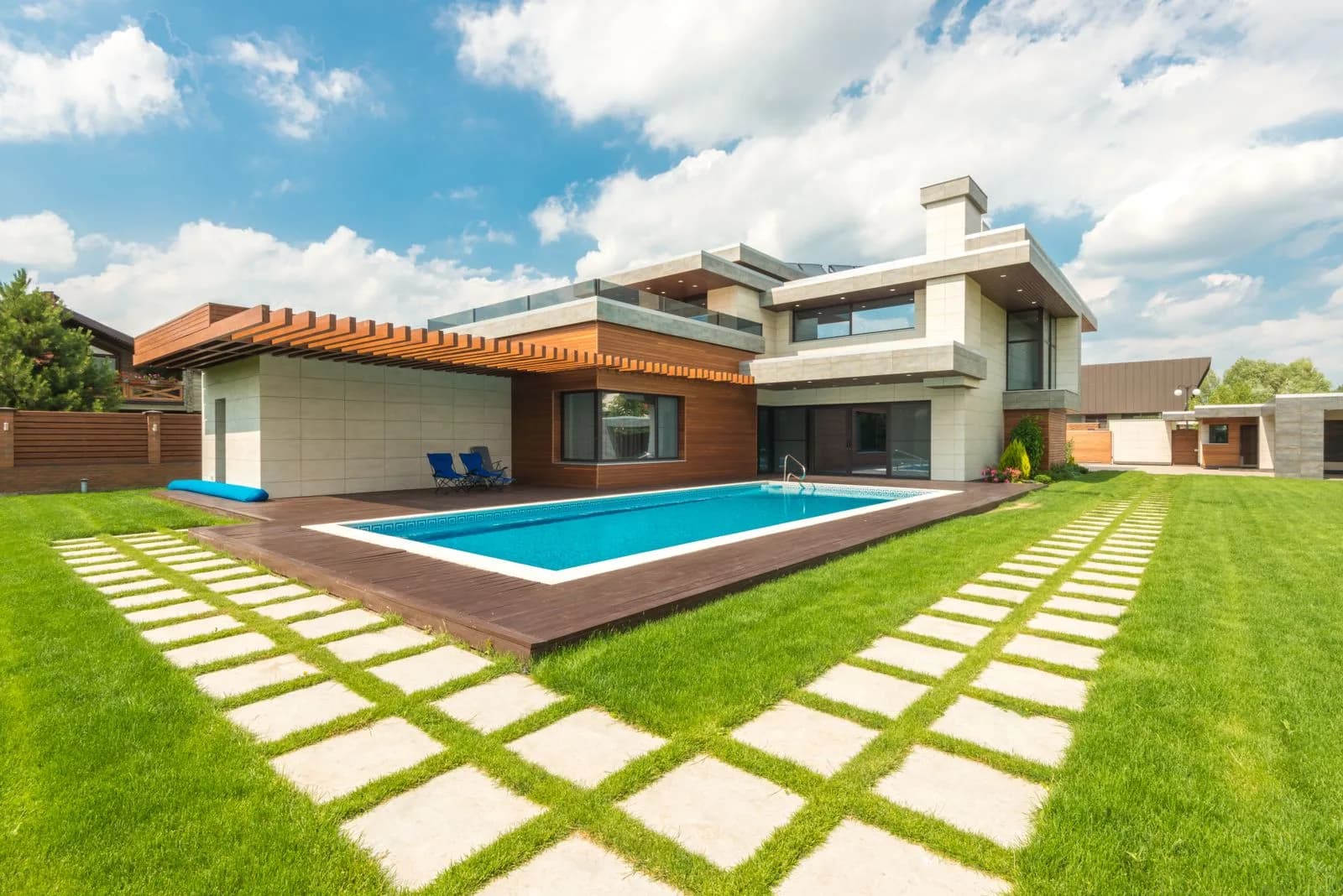
Sources
- atlantaSKYriseblog, reporting on FMLS data, atlantaSKYriseblog.com. First-half 2025 analysis of Atlanta's $1 million and up condo market, including the year-to-date average days on market of roughly 80 days, nearly identical to the prior year.
- The Luxury Realtor Group editorial guidance, TheLuxuryRealtorGroup.com. General description of ultra-prime marketing practices, including cinematic film, layered photography, aerial work, launch sequencing, staging, and international distribution.
Days-on-market figures reflect reported market observations for the period cited and are not predictions of how long any individual property will take to sell. Production scope, timelines, and costs vary widely by property and engagement. This article is for informational purposes only.
Disclaimer: This article is for informational purposes only and does not constitute legal, financial, or tax advice, nor a guarantee of any marketing result, sale price, or time on market. Marketing approaches, production scope, costs, and outcomes depend on the specific property, the market at the time of sale, and individual circumstances. Real estate results vary, and past market activity does not predict future results. Consult a qualified real estate professional, and where relevant a tax or legal advisor, before making decisions about selling or marketing a property. The Luxury Realtor Group is a real estate brokerage and does not provide legal or tax advisory services.