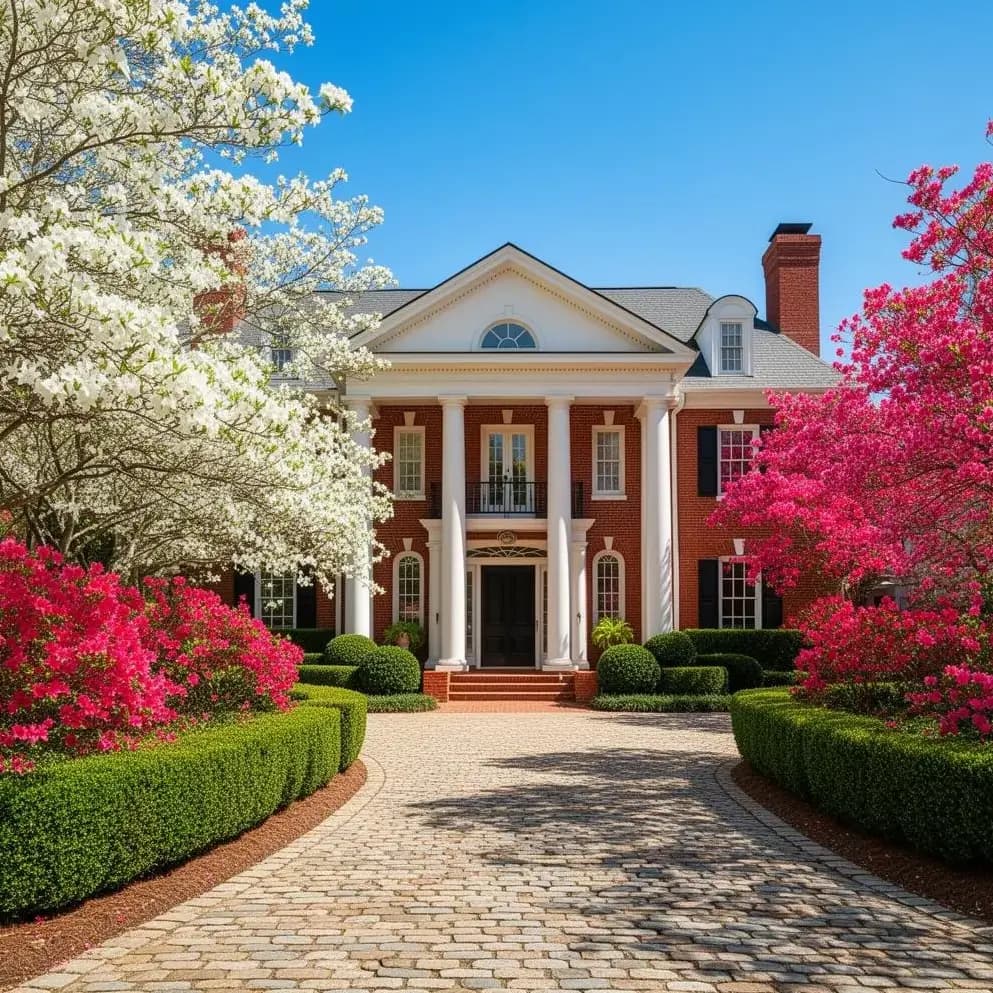
Spring in Atlanta arrives early and fast. By mid-March, temperatures are hitting the 70s, pollen is coating every surface in sight, and the transition from dormancy to full growth mode happens in a matter of weeks. For luxury homeowners, this transition is the most important maintenance window of the year. The work you do (or do not do) in March, April, and early May determines how your home performs through Georgia's demanding summer and how well it holds its value over time.
A luxury home has more systems, more surfaces, and more features to maintain than a typical residence. Multiple HVAC zones, pools, irrigation systems, extensive landscaping, premium exterior materials, and outdoor living spaces all require attention after winter. Neglecting spring maintenance does not just create inconvenience. It accelerates wear, invites pest damage (especially termites, which are a serious concern in Georgia), and can reduce your home's value if issues compound over time.
This checklist covers every major spring maintenance task for luxury homes in the Atlanta area, with estimated costs, recommended timing, and specific considerations for Georgia's climate and pest environment.
HVAC System Tune-Up and Inspection
Your HVAC system is about to work harder than any other system in your home. Atlanta's cooling season runs from roughly April through October, and July and August regularly bring sustained temperatures above 90 degrees with high humidity. An HVAC system that is not properly maintained going into this period will struggle, run less efficiently, and may fail at the worst possible time.
What a spring tune-up includes: Refrigerant level check and adjustment, evaporator and condenser coil cleaning, air filter replacement, electrical connection inspection and tightening, thermostat calibration and testing, condensate drain line clearing (critical in Atlanta, where clogged drain lines are one of the most common service calls), blower motor and fan inspection, and ductwork inspection for leaks or disconnections.
For luxury homes: Most homes in the $1.5 million+ range have 2 to 4 HVAC systems serving different zones. Each system needs individual attention. If your home has a dedicated wine cellar cooling unit, a server room or home theater with its own climate control, or a pool house with separate HVAC, those require maintenance as well. Ask your HVAC contractor to test each zone independently and verify that all thermostats are communicating properly with their respective systems.
Cost: $200 to $500 per system. A 4-zone luxury home typically runs $800 to $2,000 for full spring service. Many companies offer annual maintenance contracts at a discount.
Timing: Schedule in March or early April, before the cooling season begins. HVAC companies in Atlanta are heavily booked from May through September.
Gutter Cleaning and Drainage Check
Atlanta's tree canopy is one of its defining features, but it also means gutters fill with debris quickly. After winter storms and spring pollen season, gutters on luxury homes are typically packed with leaves, pine needles, pollen residue, and small branches. Clogged gutters cause water to overflow and pool near the foundation, which leads to basement moisture issues, foundation erosion, and landscape damage.
Spring gutter checklist: Clear all debris from gutters and downspouts. Check that downspouts are directing water at least 4 to 6 feet away from the foundation (extend if needed). Inspect gutter hangers and brackets for looseness or damage. Look for signs of sagging, which indicates either overloading or failed brackets. Check for any standing water in gutters, which means improper slope. Inspect the fascia board behind the gutters for signs of water damage or rot.
French drains and subsurface drainage: If your property has French drains or other subsurface drainage systems, spring is the time to verify they are functioning. Run water through the system and check that it discharges properly at the outlet. French drains in Atlanta soil (heavy clay) can become clogged with sediment over time and may need periodic flushing or replacement.
Cost: $300 to $800 for gutter cleaning on a large luxury home. French drain inspection and flushing, if needed, runs $200 to $500 additional.
Exterior Cleaning and Power Washing
Atlanta's humidity promotes mold, mildew, and algae growth on virtually every exterior surface during fall and winter. By spring, most luxury homes show visible green or black staining on siding, brick, stone, fences, retaining walls, driveways, and walkways. Beyond aesthetics, mold and mildew on painted surfaces can degrade the paint film and accelerate deterioration.
Material-specific approach: Not all surfaces should be pressure washed the same way. Painted siding and stucco require soft washing (low pressure, chemical cleaning solution) to avoid paint damage. Brick can handle moderate pressure but avoid mortar joints with high-pressure spray. Natural stone (including flagstone patios and stone veneer) should be soft-washed to prevent surface erosion. Wood decks need moderate pressure and should be cleaned with a wood-appropriate cleaner before being sealed or stained. Concrete driveways and walkways can handle standard high-pressure washing.
Cost: $500 to $1,500 for full exterior soft wash and pressure wash on a luxury home. Driveways and hardscape only: $200 to $500. This is one of the highest-impact, lowest-cost improvements for curb appeal.
Pest Inspection: Termites and Beyond
Termites are not optional in Georgia. The University of Georgia Extension Service classifies the entire Atlanta metro area as a "heavy" termite activity zone, meaning the probability of untreated structures being attacked within 10 to 15 years is very high. Subterranean termites are the primary concern, and they swarm in spring (typically March through May) when conditions are warm and moist.
Annual termite inspection: Every luxury home in Atlanta should have an annual professional termite inspection. If you have an existing termite bond (a renewable contract with a pest control company), the inspection is typically included. If you do not have a bond, establishing one is strongly recommended. A termite bond costs $300 to $800 annually depending on home size and treatment type, and it provides both inspection and treatment if termites are found.
Beyond termites: Spring is also when carpenter bees become active (they bore into wood trim, fascia, and deck boards), fire ants build mounds in lawns and beds, mosquitoes begin breeding in standing water, and wildlife (squirrels, raccoons, birds) that entered attic spaces during winter may need to be addressed. A complete spring pest inspection should cover all of these, not just termites.
Cost: Termite inspection: $200 to $400 (or included in your termite bond). Full pest inspection: $300 to $600. Mosquito treatment program (seasonal): $400 to $800 for the season.
Pool Opening and Equipment Check
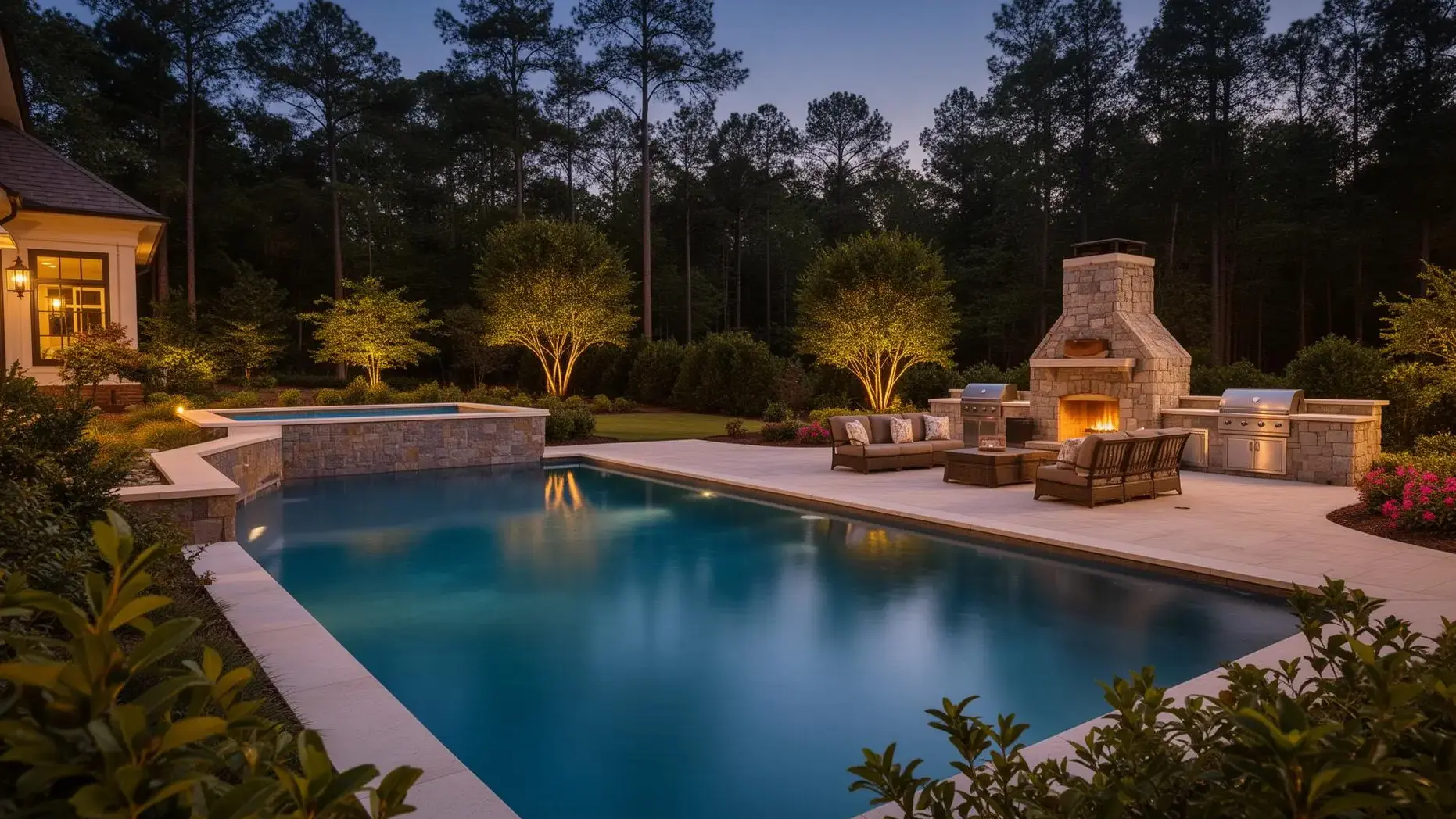
If your luxury home has a pool, spring opening should happen in late March to mid-April, even if you do not plan to swim until May. Letting winter water sit stagnant into warm weather promotes algae blooms, staining, and equipment deterioration that are more expensive to address than a proper opening.
Pool opening checklist: Remove and clean the winter cover (if applicable). Inspect the pool surface for cracks, stains, or plaster deterioration. Reconnect and test the pump, filter, heater, and salt system (if equipped). Check water level and fill as needed. Test water chemistry and balance (pH, alkalinity, chlorine/bromine, cyanuric acid, calcium hardness). Shock the pool to kill bacteria and algae. Inspect tile and coping for looseness or damage. Check the deck and surrounding hardscape for winter damage. Test safety equipment (fencing, alarms, covers) for proper operation.
Luxury pool features: If your pool includes a spa, waterfall, infinity edge, fire features, or automated chemical management system, each of these needs individual inspection and startup. Automated systems should be tested in manual mode first to verify component function before turning on automation.
Cost: $500 to $1,500 for a professional pool opening. Homes with spas, water features, or complex automation may run $1,500 to $3,000.
Want Your Spring Upkeep Aimed at Resale Value?
Not every line on a maintenance list carries the same weight once an offer is on the table. We can tell you which spring items typically matter most for a property like yours.
Prioritize My Spring Maintenance Listor call (770) 727-4052
Landscaping and Irrigation
Landscape maintenance is one of the most visible aspects of luxury home ownership. A well-maintained landscape supports property value, enhances curb appeal, and sets the tone for the entire property. Spring is the critical window to set the stage for the growing season.
Cleanup and prep: Remove winter debris, fallen branches, and dead plant material. Cut back ornamental grasses and perennials that were left standing for winter interest. Edge all bed lines and hardscape borders. Apply fresh mulch (pine straw or hardwood mulch, 2 to 3 inches deep) to all planting beds.
Pruning: Spring-blooming shrubs (azaleas, camellias, dogwoods) should be pruned immediately after they finish flowering, typically by late April. Summer-blooming plants (crepe myrtles, hydrangeas, butterfly bushes) should be pruned before new growth begins in early spring. Major tree pruning should be done by a certified arborist, especially for large oaks and hardwoods that are common on Atlanta luxury properties.
Lawn care: Atlanta's most common luxury lawn grasses are Bermuda and Zoysia (warm-season) and Fescue (cool-season). Warm-season grasses should receive their first fertilizer application when soil temperatures reach 65 degrees (typically early to mid-April in Atlanta). Apply a pre-emergent herbicide in early March to prevent summer weeds. Fescue lawns need different treatment: fertilize in early spring and again in fall, and expect some thinning during Atlanta's hot summers.
Irrigation system: Activate the system and run each zone manually. Check for broken heads, misaligned sprinklers, and low-pressure zones that may indicate a leak. Adjust spray patterns to avoid watering hardscape, foundation walls, and fences. Verify rain sensor operation (required by some Georgia municipalities for automatic irrigation systems). Atlanta's water restrictions vary by county, so confirm your watering schedule complies with current rules.
Cost: Spring landscape cleanup and mulch: $1,000 to $3,000. Irrigation system activation and inspection: $200 to $500. Seasonal planting for color: $500 to $2,000. Lawn fertilization and weed treatment program: $600 to $1,500 for the season.
Exterior Paint Touch-Up and Roof Inspection
Georgia's weather cycle takes a toll on exterior paint. Sun exposure degrades finishes on the south and west sides of the home, while moisture promotes peeling on north-facing surfaces. Spring is the time to inspect all painted surfaces and address problem areas before summer heat and rain make them worse.
Paint inspection: Walk the entire exterior and look for peeling, cracking, blistering, or fading paint. Pay special attention to window trim, door frames, fascia boards, and any wood elements that are exposed to direct weather. Touch up problem areas promptly. Ignoring peeling paint allows moisture into the wood substrate, which leads to rot and much more expensive repairs. A full exterior repaint on a luxury home in Atlanta runs $15,000 to $40,000 depending on size and material. Spot touch-ups cost $1,000 to $3,000 and can extend the life of an existing paint job by several years.
Roof inspection: After winter storms and before spring severe weather season, inspect the roof for missing or damaged materials, compromised flashing, debris accumulation, and signs of wear. Professional roof inspections cost $300 to $600 and can identify small problems before they become leaks. For luxury homes with slate, tile, or cedar roofing, use an inspector experienced with those specific materials. If you had ice events during winter (rare but possible in Atlanta), check for ice dam damage at eave lines.
Deck, Patio, and Outdoor Living Inspection
Luxury homes in Atlanta frequently feature extensive outdoor living spaces: multi-level decks, stone patios, outdoor kitchens, fire pit areas, and screened porches. Each of these needs spring attention.
Wood decks: Check for loose or raised fasteners, split boards, soft spots that indicate rot, and railing stability. Wood decks in Atlanta's climate should be cleaned and re-sealed or re-stained every 1 to 2 years. If your deck has not been sealed in over 2 years, spring is the time. Clean it first (power wash on appropriate setting), allow it to dry for 48 hours, then apply a quality exterior stain or sealer. Cost for cleaning and sealing: $1,000 to $3,000 depending on deck size.
Outdoor kitchens: Test all appliances (grill, side burners, refrigerator, ice maker). Check gas lines for leaks using a soap solution. Clean grease traps and drains. Inspect countertops and cabinetry for winter damage. Verify that electrical outlets are GFCI-protected and functioning.
Fire features: If you have a gas fire pit, fire table, or outdoor fireplace, have the gas connections inspected and the ignition system tested before use. Clean burner ports of debris and insects (mud dauber wasps are notorious for nesting in gas burner tubes in Georgia). Verify that shut-off valves operate properly.
Protecting Your Investment
Spring maintenance is not glamorous work, but it is essential for preserving the value and performance of a luxury home. The total cost for complete spring maintenance on a typical Atlanta luxury home runs $5,000 to $15,000, which represents a small fraction of the home's value. This investment prevents the kind of deferred maintenance that leads to expensive emergency repairs, reduced resale value, and uncomfortable living conditions during Atlanta's demanding summer months.
If you are planning to sell your luxury home this spring or summer, maintenance becomes even more important. Buyers and their inspectors will identify deferred maintenance, and it will either reduce your sale price or create negotiation points during due diligence. Getting ahead of maintenance makes the selling process smoother and typically yields a higher net return.
Our team can recommend vetted contractors for every maintenance task on this list. Whether you are maintaining your home for long-term enjoyment or preparing it for market, reach out to us and we will help you prioritize and plan.
Frequently Asked Questions
When should I schedule spring HVAC maintenance in Atlanta?
Schedule your spring HVAC tune-up in March or early April, before the cooling season begins. Atlanta can see temperatures in the 80s by mid-April, and HVAC companies get heavily booked once homeowners realize their AC is not performing well. A spring tune-up typically includes refrigerant level check, coil cleaning, filter replacement, electrical connection inspection, thermostat calibration, and drainage line clearing. For luxury homes with multiple zones or systems, allow extra time. Most HVAC companies offer spring maintenance contracts that lock in priority scheduling and discounted rates.
How much does spring maintenance cost for a luxury home in Atlanta?
Total spring maintenance costs for a luxury home in Atlanta typically range from $5,000 to $15,000 depending on the home's size, features, and condition. Major line items include: HVAC tune-up ($200 to $500 per system), gutter cleaning ($300 to $800), power washing ($500 to $1,500), pest/termite inspection ($200 to $400), pool opening ($500 to $1,500), landscaping refresh ($1,000 to $5,000), and roof inspection ($300 to $600). Homes with extensive outdoor features (pools, outdoor kitchens, irrigation systems, tennis courts) may run higher. This investment protects a multi-million dollar asset and prevents small problems from becoming expensive repairs.
Do I need a termite inspection every year in Georgia?
Yes. Georgia's warm, humid climate makes it one of the highest-risk states for termite activity in the country. The University of Georgia Extension Service recommends annual professional termite inspections for all Georgia homes. Subterranean termites are the most common type in metro Atlanta, and they can cause tens of thousands of dollars in structural damage before visible signs appear. If your home has a termite bond (an annual contract with a pest control company), the inspection is typically included. If not, an annual inspection costs $200 to $400 and is one of the most cost-effective preventive measures you can take.
When should I open my pool in Atlanta?
Most luxury homeowners in Atlanta open their pools in late March to mid-April, depending on the season. Water temperatures typically reach swimmable levels (78 to 82 degrees) by late April or early May with a heater, or by late May to June without one. Opening the pool earlier rather than later is recommended because stagnant winter water promotes algae growth, which is harder and more expensive to treat the longer it sits. A professional pool opening typically includes removing the cover, reconnecting equipment, checking chemical levels, inspecting the pump and filter, and treating the water. Cost runs $500 to $1,500 for luxury pools.
How often should gutters be cleaned on a luxury home in Atlanta?
At minimum twice a year: once in late spring (after pollen season and spring storms) and once in late fall (after leaf drop). Homes surrounded by mature trees, particularly pines and oaks, may need cleaning three or four times a year. Atlanta's heavy tree canopy means gutters fill faster than in less wooded areas. Clogged gutters cause water to overflow and pool near the foundation, which can lead to basement leaks, foundation erosion, and landscaping damage. For luxury homes, gutter guards can reduce cleaning frequency but do not eliminate the need for periodic maintenance. Budget $300 to $800 per cleaning depending on home size and roof complexity.
What spring landscaping should I prioritize for curb appeal?
For maximum curb appeal impact in Atlanta's spring season, prioritize in this order: clean up winter debris and dead plant material, edge all beds and hardscape borders, refresh mulch (pine straw or hardwood mulch, 2 to 3 inches deep), prune azaleas and camellias after they finish blooming (typically by late April), treat the lawn for weeds and apply a spring fertilizer appropriate to your grass type (Bermuda, Zoysia, or Fescue respond to different schedules), plant seasonal color in high-visibility beds (impatiens, begonias, and petunias work well in Atlanta's spring), and inspect and activate the irrigation system. For homes being prepared for sale, landscaping refresh is one of the highest-ROI improvements, per NAR data.
Should I power wash my luxury home's exterior every spring?
Yes, but with appropriate care for the material. Atlanta's humidity promotes mold, mildew, and algae growth on exterior surfaces during fall and winter, and spring is the ideal time to clean it off. For painted siding and stucco, use a soft wash system (low pressure with cleaning solution) rather than high-pressure washing, which can damage paint and mortar. Brick can handle moderate pressure. Natural stone should be soft-washed only. Decks and patios may need higher pressure but follow the material manufacturer's guidelines. Driveways and walkways can handle standard pressure washing. Budget $500 to $1,500 for a full exterior wash on a luxury home, or $200 to $500 for driveways and hardscape only.
How do I inspect my roof after winter in Atlanta?
A spring roof inspection should check for: missing, cracked, or displaced shingles (or tiles/slates); damaged or separated flashing around chimneys, vents, and valleys; debris accumulation in valleys and behind chimneys; signs of moss or algae growth; gutter attachment and condition; and any visible sagging or structural irregularity. For safety, hire a professional roofing inspector rather than climbing the roof yourself. Many inspectors use drones for initial assessment, which avoids the risk of foot traffic on the roof surface. Cost is $300 to $600 for a professional inspection. If you had any winter ice or significant storms, a post-event inspection is especially important.
What should I check on my deck or patio this spring?
Inspect for: loose or popped fasteners, cracked or split boards, soft or spongy areas that may indicate rot (especially at ground contact points and areas where water pools), railing stability (push test each section), stair tread condition, and any separation between the deck and the house. Wood decks in Atlanta should be cleaned and sealed or stained every 1 to 2 years due to the climate. Composite decks need cleaning but no sealing. Stone patios should be checked for shifting, settling, or displaced pavers. If your deck was built before 2004, verify that the ledger board attachment meets current code (improper ledger attachment is the leading cause of deck collapses, per the North American Deck and Railing Association).
Is spring a good time to schedule a pre-listing inspection?
Spring is an excellent time for a pre-listing inspection if you plan to sell your luxury home during the peak spring or summer selling season. A pre-listing inspection gives you time to address issues before buyers discover them during their own inspection. Common spring findings in Atlanta luxury homes include HVAC systems that need repair or replacement, roof damage from winter weather, termite activity, drainage issues revealed by spring rains, and exterior maintenance needs that are more visible as vegetation returns. Budget $600 to $1,200 for a thorough pre-listing inspection on a luxury home, and plan 4 to 8 weeks to address any findings before going to market.
Getting your luxury home ready for spring or preparing to sell?
Sources
- University of Georgia Extension Service - Termite activity zones, pest management guidelines, and lawn care recommendations for Georgia.
- National Association of Realtors (NAR) - Remodeling Impact Report, maintenance ROI data, and pre-listing preparation guidelines.
- North American Deck and Railing Association - Deck safety standards, inspection guidelines, and ledger board attachment requirements.
- NOAA - Atlanta rainfall data, severe weather patterns, and seasonal climate information.
- Georgia Department of Agriculture - Pest control licensing, termite bond regulations, and consumer protection guidelines.
- ACCA (Air Conditioning Contractors of America) - HVAC maintenance standards and seasonal tune-up recommendations.
Cost estimates and maintenance schedules referenced in this article reflect conditions in the Atlanta metro area as of spring 2026 and are subject to change. Actual costs depend on home size, features, condition, and contractor. This article does not constitute professional maintenance, pest control, or financial advice. Consult qualified professionals for guidance specific to your property.
Disclaimer: This article is for informational purposes only and does not constitute professional maintenance, construction, pest control, or financial advice. Cost estimates are approximate and vary based on property specifics. Pest control recommendations are general in nature and should not replace professional assessment. The Luxury Realtor Group is a real estate brokerage and does not provide maintenance, pest control, or construction services. Consult with qualified professionals for guidance specific to your property.