Every city has a season it was built for. In Atlanta it is autumn, and the difference is not subtle. Somewhere in late September the humidity that has been sitting on the city since June simply lifts, and what it leaves behind is the version of Atlanta that residents quietly believe is the real one.
Spring gets the photographs. The dogwoods and azaleas are genuinely spectacular and they arrive on every postcard the city has ever printed. But spring here is brief, and it comes with a pollen count that turns the cars yellow and sends anyone with allergies indoors for a fortnight.
Autumn is the longer, better season. It is when the tree canopy does something remarkable, when the club calendar comes back to life, when the arts institutions open their doors again, and when the mountains an hour and a half north become the reason half the city disappears on a Friday afternoon. This is a guide to spending it properly.
The Canopy Turns
Atlanta is one of the most heavily treed major cities in the country, and this is the season that fact pays out. The mix here is oak, hickory, maple and sweetgum, which produces a genuine turn rather than the muted version visitors from further north tend to expect of the South. It generally peaks from late October into November, though the exact timing moves year to year with the weather.
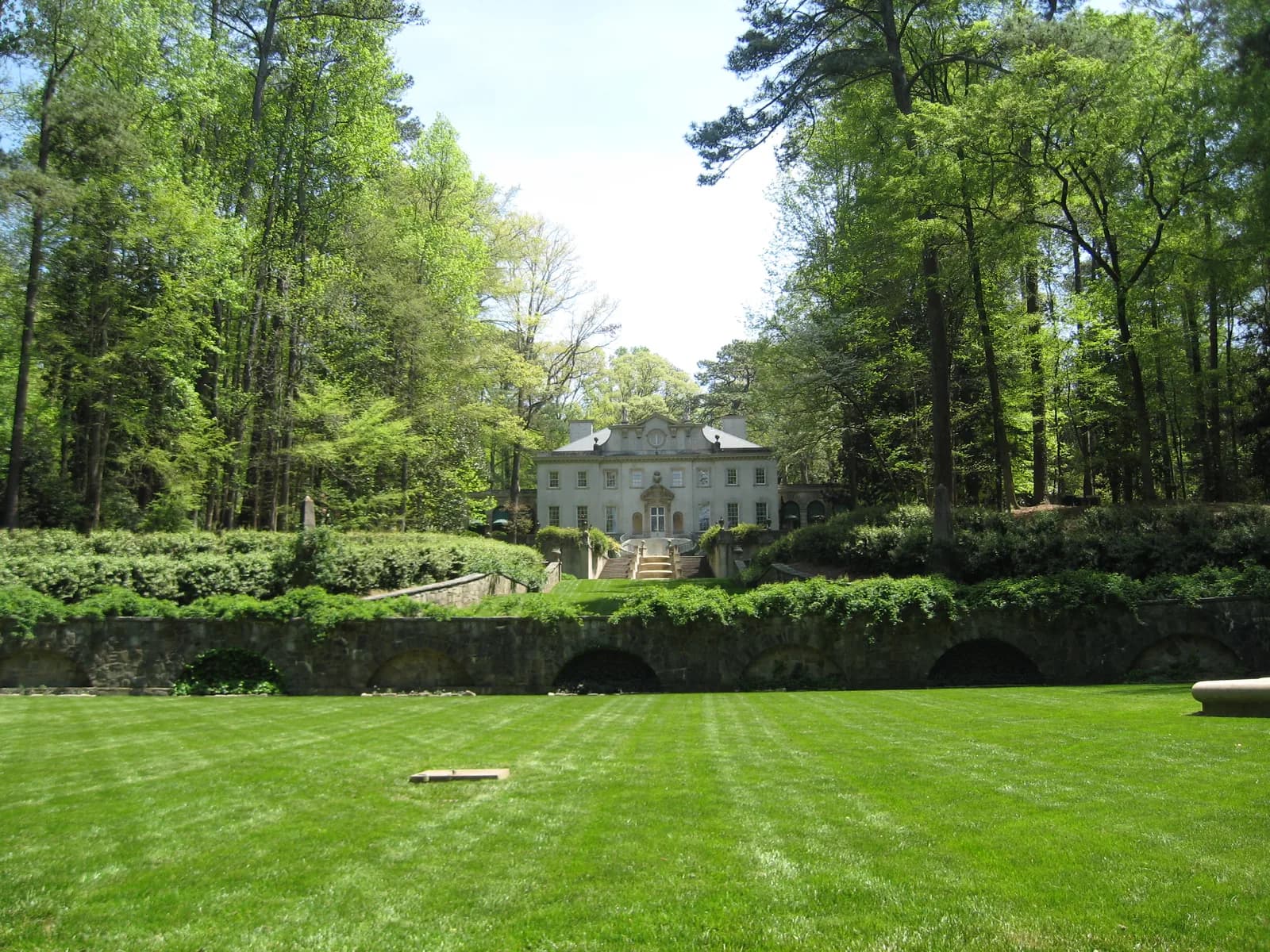
Where you see it best is a question of canopy age. The neighborhoods laid out in the early twentieth century have the oldest and largest trees, and they were designed around them: winding streets, deep front setbacks, sidewalks that were meant to be walked. Druid Hills and Ansley Park are the obvious examples, both laid out when the point of a residential street was that it should be pleasant to move through slowly.
North of the city the display is heavier and more private. The estate communities through Milton and Alpharetta sit on larger, more wooded lots, where autumn is something that happens in your own sightlines rather than on a shared street. Different pleasure, same season.
The Club Calendar Comes Back
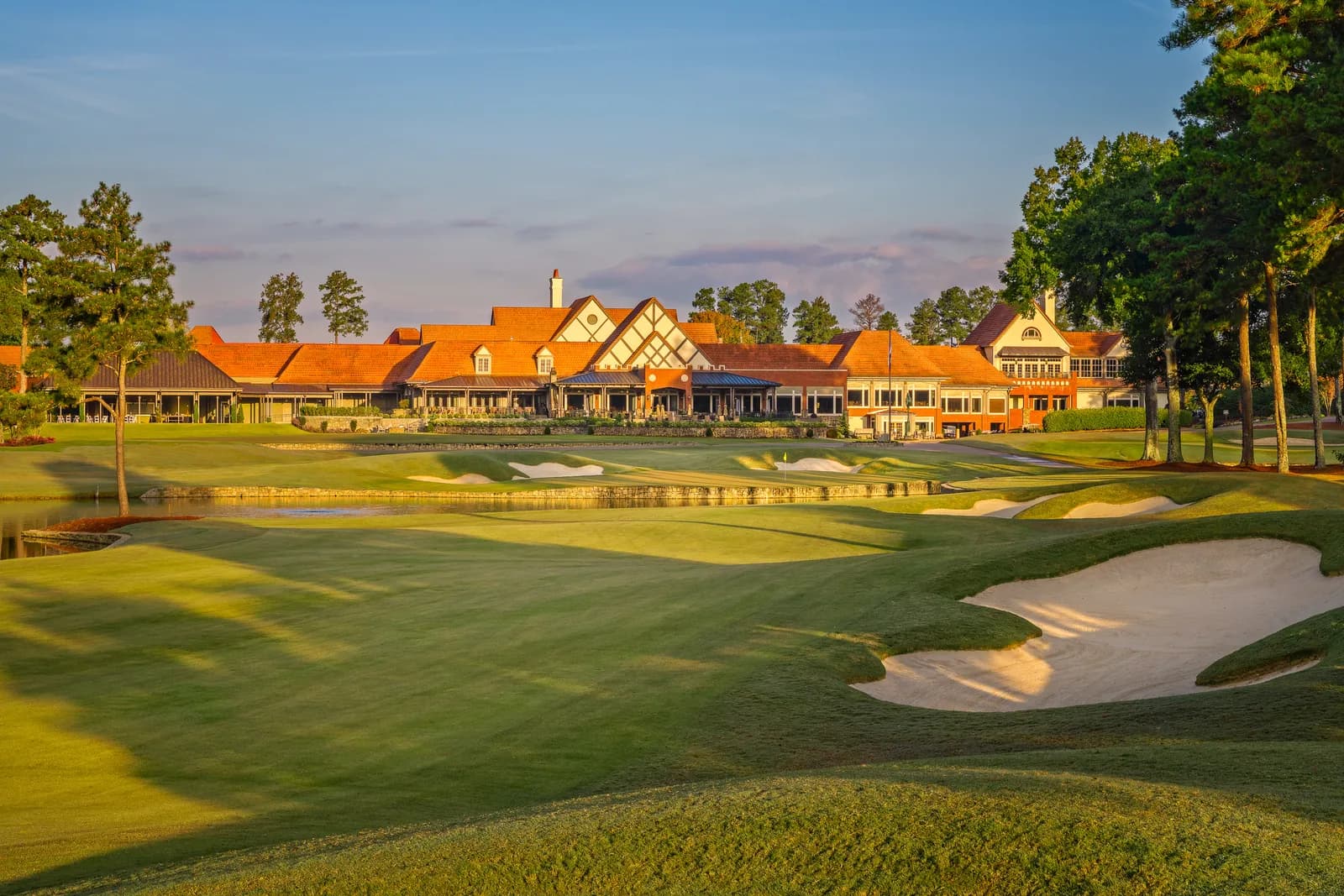
Anyone who has played golf in Atlanta in July understands why autumn matters. Summer pushes tee times to first light and makes anything after ten o'clock an act of endurance. When the humidity breaks, the courses become genuinely pleasant for the first time in months, and the calendar responds accordingly.
The same is true across the rest of club life. Tennis and paddle move back outdoors. The social calendar thickens. Autumn is simply when private clubs in this city are most themselves, which is why it is also the best season to evaluate one. Membership decisions made in the middle of an Atlanta August are made on incomplete information.
For anyone weighing that decision alongside a move, our guide to Atlanta country club communities covers how the clubs and the neighborhoods around them relate to each other, which is a more useful question than it first appears.
The Season Opens
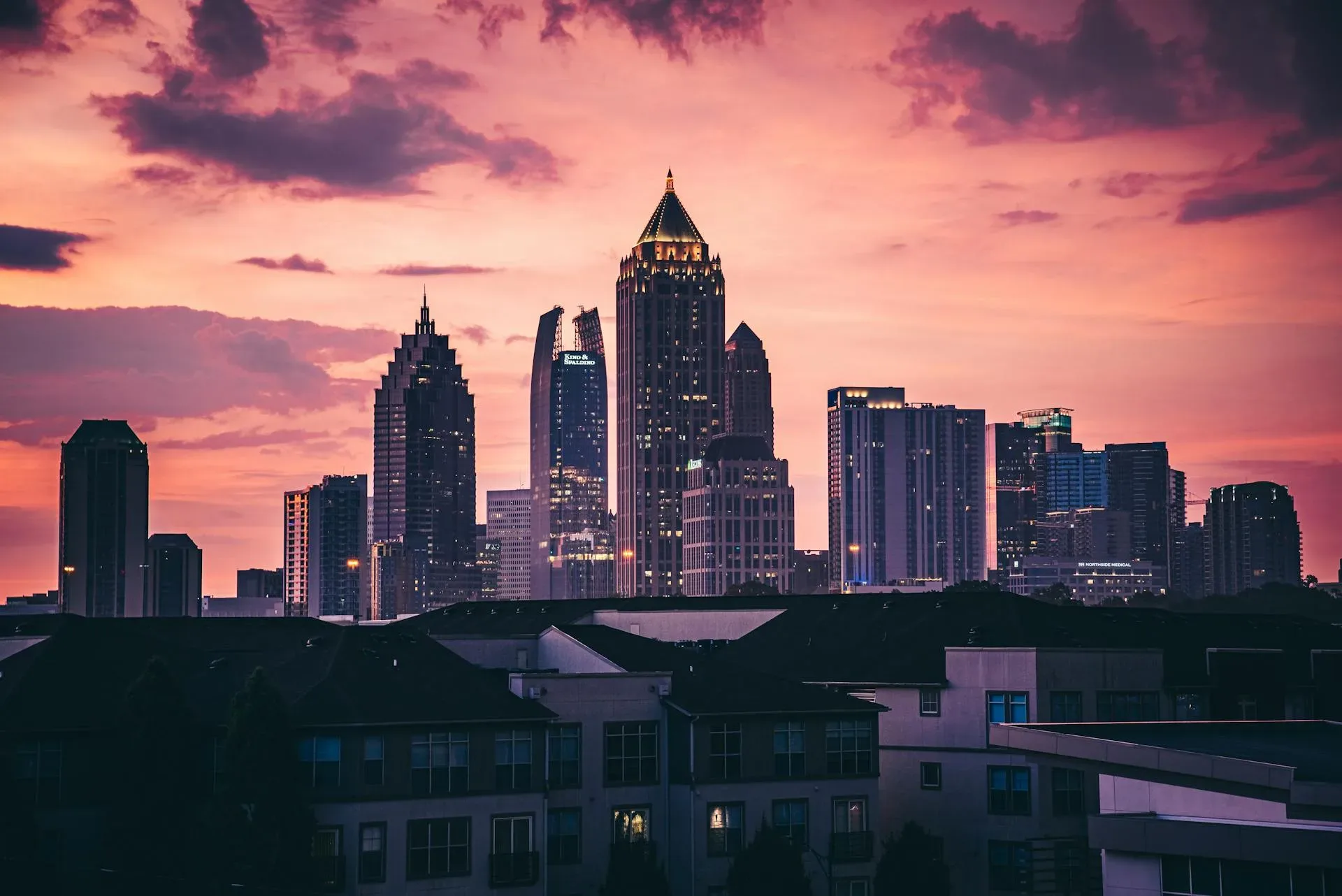
Autumn is when the cultural calendar restarts. Atlanta's arts institutions cluster largely in and around Midtown, which gives the area a particular character once the season is underway and makes walkability worth more than it is in July.
Living within reach of it changes the calculation on a great many evenings. The difference between a fifteen-minute walk and a forty-minute drive across town is the difference between going on a Tuesday and meaning to go all season. That is much of the appeal of Midtown and the intown neighborhoods around it, and it is worth weighing honestly against the space and privacy available further north. Both are legitimate answers to different questions.
North, on a Friday Afternoon
The North Georgia mountains sit close enough to Atlanta to be a habit rather than an expedition. Roughly ninety minutes to two and a half hours depending on where you start and where you are going, which is the difference between a holiday and a Friday afternoon decision.
Autumn is the season that stretch of the state was made for. The foliage turns earlier at elevation than it does in the city, which has the pleasant effect of giving the region a longer overall season than either part manages alone: drive up for the turn, come home, and watch it happen again a few weeks later on your own street.
It is also the season that generates most of the second-home conversations we have. Something about a good weekend in October makes people start doing arithmetic. If that is where you are, our guides to Lake Burton and the North Georgia mountains and to Big Canoe are the honest versions of that conversation.
A Note on Buying in Autumn
Since this is, after all, a real estate publication: autumn is an interesting time to be a buyer, though not for the reason people usually assume.
The market generally cools from its spring and summer peak as the calendar turns toward the holidays. Fewer buyers are active. The homes still listed in late autumn have often been listed a while, and a seller who has watched two seasons pass tends to hear an offer differently than one fielding three in a weekend in May.
The trade-off is selection. A quieter market is quieter on both sides, and you are choosing from less. Whether that favours you depends on whether you want the widest choice or the best terms, and it varies year to year rather than following a rule. What is reliably true is that autumn is the season in which Atlanta is most itself, which makes it a genuinely good time to work out whether you want to live here.
Frequently Asked Questions
When is the best time of year to visit or move to Atlanta?
Autumn, by a wide margin, and most residents will tell you the same thing. The summer humidity breaks somewhere in late September, and what follows is roughly two months of mild, dry, comfortable weather before winter arrives in any meaningful way. Spring is the more photographed season because of the dogwoods and azaleas, but it is short and prone to pollen that anyone with allergies remembers vividly. Fall is longer, steadier, and the season when the city's outdoor life, club calendar and cultural programming all overlap.
Does Atlanta actually get fall foliage?
Yes, and more than visitors expect from a Southern city. Atlanta has one of the densest tree canopies of any major American metro, and the mix of oak, hickory, maple and sweetgum produces a genuine autumn turn, generally peaking from late October into November depending on the year. The intown neighborhoods with mature canopy and the wooded northern suburbs get the most dramatic display. The color arrives later than it does in the mountains north of the city, which is why a great many Atlantans make the drive up for a weekend and then get a second, quieter version of it at home a few weeks later.
What is the club season in Atlanta?
Autumn is when club life comes back. Summer in Atlanta pushes golf to early mornings and drives most other outdoor activity indoors, so the calendar tends to thin out. When the humidity breaks, tee times become pleasant again, tennis and paddle move back outdoors, and the social calendar at most private clubs picks up substantially through the autumn. For anyone weighing club membership as part of a move to Atlanta, autumn is the season that shows you what you are actually joining.
Which Atlanta neighborhoods are best for enjoying the fall?
The ones with mature tree canopy and walkable streets. The intown neighborhoods built in the early twentieth century tend to have the oldest and largest trees, along with the sidewalks and park access that make the season worth walking through. Areas near the BeltLine and the major parks get particular use in autumn, when the weather makes outdoor space genuinely pleasant rather than something to endure. Further north, the wooded estate communities offer a more private version of the same thing, with larger lots and heavier canopy.
Is autumn a good time to buy a home in Atlanta?
It can be. Inventory patterns vary year to year, but the market generally slows from its spring and summer peak as the calendar turns toward the holidays, and a slower market means less competition for the homes that are listed. Sellers still on the market in late autumn have often been listed for a while and may be more open to negotiation than they were in May. The trade-off is a smaller selection. Whether that suits you depends on whether you are looking for the widest choice or the best terms, and market conditions differ every year.
How far are the North Georgia mountains from Atlanta?
Close enough that a great many Atlanta households treat them as a weekend habit rather than a trip. The nearer mountain towns and lakes sit within roughly one and a half to two and a half hours of the city depending on where you start and where you are going. Autumn is the busiest season for exactly that reason, and the foliage generally turns earlier at elevation than it does in the city, which gives the region a longer overall season than either part has on its own.