Grant Park is one of Atlanta's oldest neighborhoods, and it is in the middle of a luxury transformation that has been building for more than a decade. What was once a collection of neglected Victorian homes south of I-20 has become one of the city's most sought-after intown addresses, with fully renovated properties regularly selling above $1 million and new construction pushing toward $2 million.
The formula is straightforward: historic architecture that cannot be replicated, a 131-acre park with Zoo Atlanta at its center, direct BeltLine trail access, a growing restaurant scene, and prices that still run 20% to 40% below comparable properties in Inman Park or Virginia-Highland. For buyers who value character, walkability, and upside, Grant Park makes a compelling case.
This guide covers everything you need to know about buying in Grant Park in 2026: the architecture, the market data, the lifestyle, the schools, the investment outlook, and the specific considerations that come with buying in a locally designated historic district.
The Victorian Stock: Grant Park's Biggest Asset
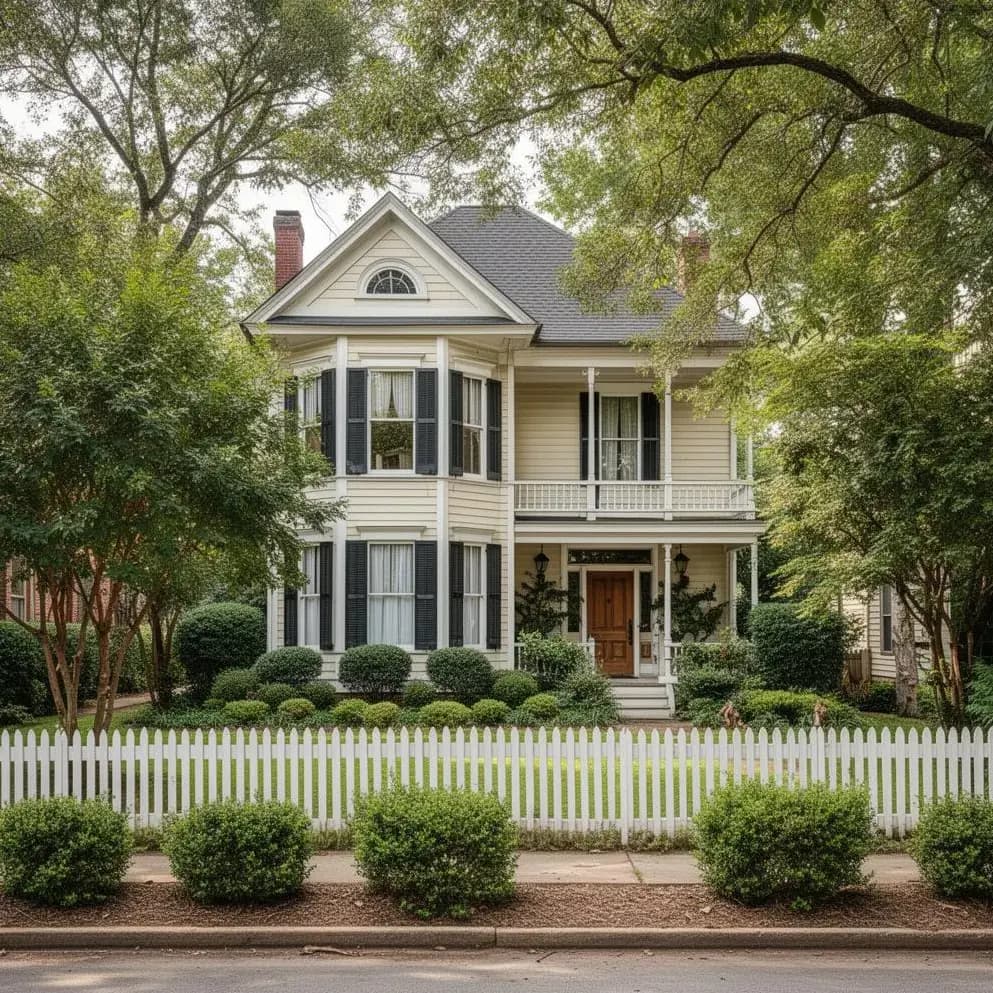
Grant Park's architectural DNA sets it apart from nearly every other Atlanta neighborhood. The area was developed primarily between 1880 and 1920, which means the housing stock predates the Craftsman and ranch-home eras that dominate most of Atlanta's residential fabric. You will find Queen Anne Victorians with turrets, asymmetrical facades, and ornate gingerbread trim. Folk Victorians with simpler lines but tall proportions and wraparound porches. Italianate cottages with bracketed cornices and tall, narrow windows.
This building stock is irreplaceable. The craftsmanship, the old-growth lumber, the plaster details, and the proportions cannot be economically reproduced today. A fully restored Victorian in Grant Park offers something that new construction simply cannot: authenticity, character, and the kind of architectural detail that stops you in the front hallway.
The renovation boom has transformed many of these homes from their deteriorated states of the 1990s and 2000s into legitimate luxury properties. Today's best renovations preserve the exterior character (often required by the historic district) while delivering thoroughly modern interiors: open kitchens, spa-like bathrooms, hardwood floors refinished to showcase original heart pine, and smart home systems that work invisibly within the historic framework. These renovations typically cost $150 to $300 per square foot on top of the purchase price, depending on the condition of the original structure.
Grant Park Market Snapshot: Early 2026
- Median sale price: Mid-$500,000s for renovated homes, up approximately 8% year-over-year. Unrenovated properties and condos bring the overall median down, while fully restored Victorians and new construction push well above.
- Luxury segment ($750K+): Approximately 25 to 35 sales per year in this bracket, with strong demand for move-in-ready renovated Victorians. Days on market for well-priced luxury listings averages 20 to 35 days.
- Price per square foot: $275 to $400 for renovated homes depending on lot size, finishes, and proximity to the park and BeltLine. New construction runs $350 to $500+ per square foot.
- Five-year appreciation: Approximately 45% to 65% for the neighborhood overall, with properties closest to the BeltLine and the park seeing the strongest gains. This pace of appreciation ranks among the top intown Atlanta neighborhoods.
The Park, Zoo Atlanta, and Oakland Cemetery
Grant Park (the park, as distinct from the neighborhood) is 131 acres of green space in the middle of one of Atlanta's densest residential areas. It includes walking trails, playgrounds, tennis courts, a lake, and the historic Fort Walker civil war fortifications. The park is the kind of amenity that wealthy buyers in suburban communities pay HOA fees to approximate with community greenspaces. In Grant Park, it is right outside your door.
Zoo Atlanta, located within the park, is one of only four U.S. zoos to house giant pandas and draws over 1 million visitors annually. Having a world-class zoo within walking distance is a significant lifestyle benefit. For real estate values, Zoo Atlanta acts as an institutional anchor that drives foot traffic, supports nearby businesses, and ensures ongoing investment in the park infrastructure.
Oakland Cemetery, the city's oldest public cemetery (founded 1850), sits at the northern edge of the neighborhood. Far from being a detractor, Oakland has become one of Atlanta's most popular green spaces. The 48-acre cemetery hosts events, guided tours, and Sunday afternoon visitors who walk among the Victorian-era monuments and mature magnolias. Properties near Oakland benefit from the open space, the tree canopy, and the assurance that the views will never be obstructed by new construction.
BeltLine Access and Its Effect on Property Values
The Atlanta BeltLine's Southside Trail runs along Grant Park's western boundary, and this single piece of infrastructure has done more for property values than any other factor in the neighborhood's recent history. Research from Georgia State University has associated BeltLine proximity with meaningful price premiums.
The BeltLine is not just a walking path. It is an economic development corridor that attracts restaurants, retail, and residential development wherever it goes. The Eastside Trail transformed Inman Park and Old Fourth Ward; the Southside Trail is having a similar, though earlier-stage, effect on Grant Park and the neighborhoods to its south and west. As more trail segments connect and more commercial nodes develop along the route, the value premium is expected to grow.
For luxury buyers, the key takeaway is location specificity. Properties on the west side of Grant Park, closer to the BeltLine trail, have appreciated faster and sell at higher per-square-foot prices than properties on the east side of the neighborhood. When evaluating Grant Park properties, proximity to the trail should factor into your price analysis. The premium is real and, based on the Eastside Trail precedent, likely to increase as the Southside Trail matures.
Restaurants, Nightlife, and Daily Life
Grant Park's dining scene has grown from a handful of neighborhood spots to a genuine food destination. Little Bear, a wood-fired Mediterranean restaurant on Memorial Drive, has earned recognition from the James Beard Foundation and consistently ranks among Atlanta's best restaurants. Ria's Bluebird Cafe has been a beloved weekend brunch spot for years, known for its homemade pastries and unpretentious atmosphere. Hero Doughnuts and Buns brought Birmingham's popular doughnut concept to Boulevard, and it draws crowds every weekend morning.
Memorial Drive, which runs along the northern edge of the neighborhood, has become the primary commercial corridor. New restaurants and bars continue to open, including craft cocktail spots, coffee roasters, and casual dining options. The Grant Park Farmers Market operates seasonally on Saturdays and has grown into one of the better-attended neighborhood markets in Atlanta.
Daily life in Grant Park has a distinctly community-oriented feel. The neighborhood association is one of Atlanta's most active, organizing events throughout the year including the Grant Park Summer Shade Festival, movie nights in the park, and holiday events. Dog owners use the park extensively, and the neighborhood has a visible population of joggers, cyclists, and stroller-pushers that creates a sense of activity and safety on the streets. Grocery options include a nearby Kroger and various specialty shops, though most residents supplement with trips to the Krog Street Market or Whole Foods in Ponce City Market, both accessible via the BeltLine.
Walk Grant Park Before the Best Restorations Move
Victorian condition varies enormously from block to block, and the strongest renovations often draw quick interest. We can line up showings and tell you what each pocket typically brings.
Tour Grant Park Homesor call (770) 727-4052
Schools and Family Life
The schools conversation in Grant Park is honest and nuanced. The neighborhood is zoned for Atlanta Public Schools, with Parkside Elementary serving as the local elementary option. Parkside has seen meaningful improvement in recent years as the neighborhood has attracted more families, and enrollment has grown. Test scores and parent satisfaction have both trended upward, though they still lag behind the top-performing elementary schools in wealthier northside neighborhoods.
Many Grant Park families opt for charter or private schools. Drew Charter School in nearby East Lake is highly regarded and accepts students via lottery. The Kindezi School offers a Montessori-influenced approach. Private options within a reasonable commute include Atlanta International School, The Westminster Schools, and Pace Academy, though these carry tuition costs of $20,000 to $35,000 per year.
Despite the school concerns, Grant Park offers one of the stronger amenity mixes among intown neighborhoods, with playgrounds, green space, and community programming all within walking distance. The park itself is a massive asset, and zoo memberships turn a world-class attraction into a weekly activity. The neighborhood streets are safer and more walkable than many Atlanta alternatives. And the community has reached a critical mass where neighborhood events, recreation programs, and civic networks function naturally. If schools are your top priority and you need the strongest possible public school assignment, Grant Park may not be the right fit. If you value walkability, community, character, and are flexible on school options, it delivers.
Investment Outlook: Where Grant Park Is Heading
Grant Park's investment thesis rests on several structural factors that are not going away. The BeltLine Southside Trail is still maturing and its commercial development is in early stages, meaning the biggest economic impact on nearby property values may still be ahead. The historic housing stock is finite and irreplaceable, which creates a permanent supply constraint. The park and Zoo Atlanta are institutional anchors that provide stability and ongoing public investment. And Atlanta's overall growth trajectory (population, employment, corporate relocations) continues to drive demand for intown living.
The risks are typical of gentrifying neighborhoods. Prices have risen fast, and some properties at the upper end of the market may face resistance if the broader economy slows. Property taxes have increased along with values, which affects carrying costs. Some longtime residents and businesses have been priced out, which changes neighborhood character in ways that matter to some buyers. And the historic district regulations, while protective of property values long-term, add cost and complexity to renovation projects.
For buyers considering Grant Park in 2026, the strongest value proposition is in the $600,000 to $1 million range: well-renovated homes with modern systems and finishes that still price below comparable properties in Inman Park, Virginia-Highland, or Candler Park. Properties needing renovation can still be found in the $400,000 to $600,000 range, though renovation costs and timelines in the historic district should be carefully budgeted. At the top of the market ($1.2 million to $2 million+), buyers get exceptional homes but should expect longer selling timelines if they need to exit the investment.
Buying Tips for Grant Park
- Hire a structural inspection specialist. Victorian-era homes can hide expensive problems behind beautiful facades. Foundation issues, outdated plumbing (original cast iron and clay pipes), knob-and-tube wiring remnants, and roof structure issues are all common. Budget $500 to $800 for a thorough inspection by someone experienced with pre-1920 construction.
- Understand the historic district rules before you buy. If you plan to make exterior changes, verify what the Atlanta Urban Design Commission will and will not approve. Some buyers have purchased properties expecting to add a second story or modify the facade, only to learn that the AUDC will not permit it.
- Factor in flood zone status. Parts of Grant Park, particularly areas near Ira Street and the southern sections, fall within FEMA flood zones. Flood insurance adds $1,500 to $5,000+ annually depending on the zone and structure. Check flood maps before making an offer.
- Prioritize BeltLine proximity if investment return matters. The data is clear that proximity to the BeltLine trail drives faster appreciation. Properties west of Boulevard and south of Memorial Drive, closest to the Southside Trail, have consistently outperformed the rest of the neighborhood.
The Bottom Line
Grant Park is Atlanta's Victorian luxury revival, and the story is still being written. The neighborhood offers a combination of historic architecture, green space, BeltLine connectivity, and community character that is genuinely rare in Atlanta's real estate market. For buyers who appreciate authenticity and are willing to work within the constraints (and protections) of a historic district, Grant Park delivers a lifestyle and an investment that is hard to match at these price points.
The appreciation numbers over the past decade speak for themselves. The structural factors supporting future growth (BeltLine expansion, limited supply, institutional anchors) remain in place. And the gap between Grant Park prices and those of more established intown luxury neighborhoods suggests there is room for continued upside.
If you are interested in exploring Grant Park or comparing it to other intown Atlanta neighborhoods, our team can help. We work with buyers throughout intown Atlanta and can provide the specific market data, renovation cost estimates, and neighborhood insights you need to make an informed decision.
Frequently Asked Questions
What is the average home price in Grant Park Atlanta?
As of early 2026, the median home price in Grant Park sits in the mid-$500,000s for a standard renovated bungalow or Craftsman. Fully restored Victorian homes with modern updates typically list between $700,000 and $1.2 million. New construction and high-end renovations with premium finishes can reach $1.5 million to $2 million or more. Smaller unrenovated properties or homes needing significant work still enter the market in the $350,000 to $500,000 range, though these are increasingly rare as the neighborhood continues to appreciate.
Is Grant Park a good investment in 2026?
Grant Park has been one of Atlanta's strongest appreciation stories over the past decade. Home values in Grant Park have roughly doubled since 2016, outpacing the overall metro Atlanta market. The neighborhood benefits from several factors that support continued growth: BeltLine proximity and planned extensions, limited housing supply in an established historic district, strong restaurant and retail development, and continued inbound migration to intown Atlanta. That said, past performance does not guarantee future results, and prices at the upper end of the market may take longer to sell as inventory increases. For buyers with a 5 to 10 year horizon, Grant Park's fundamentals remain strong.
What types of homes are in Grant Park?
Grant Park features one of Atlanta's most diverse collections of historic architecture. Victorian-era homes (1880s to 1910s) include Queen Anne, Folk Victorian, and Italianate styles with features like wraparound porches, decorative millwork, and high ceilings. Craftsman bungalows from the 1920s and 1930s are also common, offering wide front porches and built-in cabinetry. A growing number of new-construction homes fill in vacant lots with modern designs that reference the neighborhood's historic character. Townhomes and condos have also entered the market along the BeltLine corridor and on Boulevard.
How walkable is Grant Park?
Grant Park is one of the most walkable neighborhoods in Atlanta. Walk Score rates it in the mid-70s to 80s depending on the specific block, which is well above the Atlanta average. Residents can walk to Grant Park proper (the park itself), Zoo Atlanta, the Grant Park Farmers Market, and a growing number of restaurants and shops along Memorial Drive and Boulevard. The BeltLine Southside Trail provides pedestrian and cycling connectivity to other intown neighborhoods. Daily errands are increasingly possible on foot, though most residents still use a car for commuting and larger shopping trips.
What is the school situation in Grant Park?
Grant Park is zoned for Atlanta Public Schools. The local elementary school is Parkside Elementary, which has seen enrollment growth and improving test scores as the neighborhood has grown. Middle and high school options include Martin Luther King Jr. Middle School and Maynard Jackson High School. Charter and private options in the area, including The Kindezi School and Drew Charter School, also draw strong interest. The schools conversation is evolving as enrollment continues to grow.
What is the BeltLine's impact on Grant Park real estate?
The BeltLine has been the single biggest driver of real estate appreciation in Grant Park over the past decade. The Southside Trail, which runs along the neighborhood's western edge, provides direct trail access to neighborhoods like Peoplestown, Pittsburgh, and eventually to the full 22-mile BeltLine loop. Georgia State University research has associated BeltLine proximity with meaningful price premiums. As the trail network expands and more retail and dining destinations open along it, this premium is likely to increase.
How is the dining and restaurant scene in Grant Park?
Grant Park's restaurant scene has grown significantly in recent years. Anchor establishments include Hero Doughnuts and Buns, Ria's Bluebird Cafe (a beloved brunch institution), and Little Bear, which has become one of Atlanta's most acclaimed restaurants. The Memorial Drive corridor continues to add new concepts, and the BeltLine is attracting food and beverage businesses. The Grant Park Farmers Market operates seasonally and draws strong community participation. While Grant Park's dining options are not yet as extensive as Virginia-Highland or Inman Park, the trajectory is clear and new openings continue to add variety.
What should I know about renovating a Victorian home in Grant Park?
Grant Park is a locally designated historic district, which means exterior renovations must be reviewed by the Atlanta Urban Design Commission (AUDC). Changes to facades, rooflines, windows, porches, and additions visible from the street require a Certificate of Appropriateness. The review process typically takes 30 to 60 days and requires that proposed changes be compatible with the neighborhood's historic character. Interior renovations are generally not regulated. Budget 15% to 25% more for renovations in the historic district compared to non-historic areas, as the AUDC requirements may affect material choices and construction methods. The upside is that historic district designation protects property values by preventing incompatible development.
Is Grant Park safe?
Grant Park has seen substantial crime reduction over the past decade as the neighborhood has developed and population density has increased. Like all intown Atlanta neighborhoods, property crime (car break-ins, package theft) remains a concern, and residents are generally vigilant about basic security measures. The Grant Park Neighborhood Association is active and coordinates with Atlanta Police Department Zone 3 on community safety initiatives. Most long-term residents report feeling safe walking in the neighborhood during the day, with standard urban precautions recommended at night. Crime statistics have improved year over year as commercial development and residential occupancy have increased.
How does Grant Park compare to Inman Park and Kirkwood?
Grant Park, Inman Park, and Kirkwood are all historic intown Atlanta neighborhoods with BeltLine access, but they have distinct personalities and price points. Inman Park is more established in its luxury evolution, with median prices running 20% to 40% higher than Grant Park for comparable square footage. It has a more developed restaurant scene and the annual Inman Park Festival. Kirkwood generally prices 10% to 20% below Grant Park and has a more residential, less commercial feel. Grant Park occupies a middle ground: more affordable than Inman Park but with a stronger historic building stock than Kirkwood, plus the unique draw of Zoo Atlanta and the 131-acre park itself. For buyers seeking value with strong appreciation potential, Grant Park offers a compelling position.
Interested in Grant Park or other intown Atlanta neighborhoods?

Sources
- FMLS (First Multiple Listing Service) - Grant Park sales data, median prices, and market trends for the Atlanta metro area.
- Georgia State University - Research on Atlanta BeltLine property value impacts and transit-oriented development effects.
- Atlanta Urban Design Commission (AUDC) - Historic district guidelines, Certificate of Appropriateness requirements, and Grant Park historic district boundaries.
- Zoo Atlanta - Visitor data, institutional investment plans, and community impact information.
- Atlanta Regional Commission - Population growth projections, intown migration trends, and housing demand forecasts.
- Walk Score - Walkability and transit scoring data for Grant Park and comparable Atlanta neighborhoods.
Market data, price ranges, and neighborhood characteristics referenced in this article reflect conditions as of early 2026 and are subject to change. Real estate values can decrease as well as increase. Past appreciation does not guarantee future results.
Disclaimer: This article is for informational purposes only and does not constitute real estate, investment, or legal advice. Property values, school information, and neighborhood characteristics can change over time. Historic district regulations may affect renovation plans and costs. The Luxury Realtor Group recommends consulting with qualified professionals before making real estate purchase or renovation decisions.