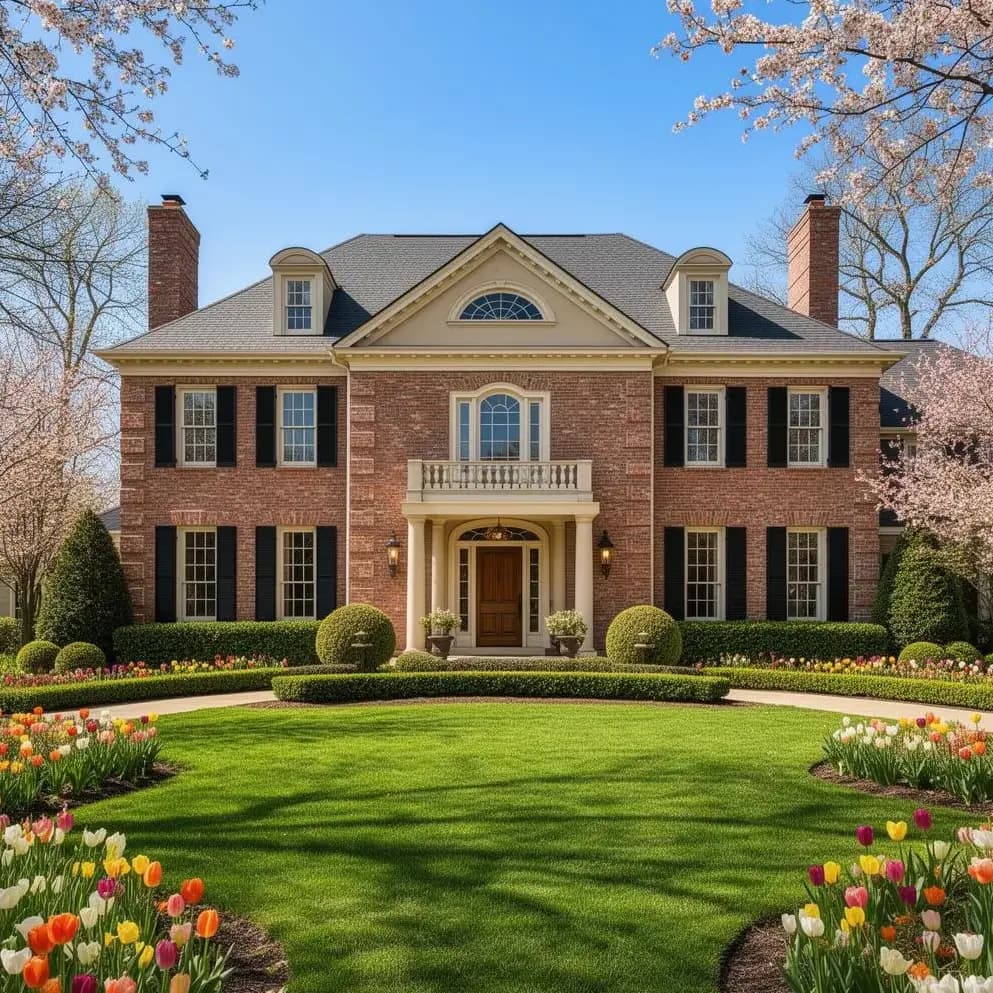
Selling a luxury home in Atlanta is not a weekend project. From the moment you decide to list through the day you hand over the keys, the process typically spans four to eight months, with each phase requiring specific preparation, timing, and expertise. Rushing any step, particularly in the pre-listing phase, almost always costs money at closing.
The luxury market operates differently than the broader residential market. The buyer pool is smaller and more selective. Marketing must reach beyond the local MLS to capture out-of-state and international buyers. Pricing requires deeper analysis because direct comparable sales may be limited. And the stakes are higher: a pricing mistake on a $2 million home can cost $100,000 or more.
This guide walks through every phase of the luxury selling timeline in the Atlanta metro area, with realistic timeframes, cost expectations, and the strategic decisions that separate a smooth sale from a drawn-out one.
Phase 1: Pre-Listing Preparation (60 to 90 Days Before Listing)
The pre-listing phase is where the sale is won or lost. Luxury buyers have high expectations, and the homes that sell fastest and for the best prices are the ones that are meticulously prepared before the first showing.
Select your agent (Day 1). Interview two to three agents who specialize in luxury transactions in your specific neighborhood. Ask about their recent sales in your price range, their marketing plan, their pricing methodology, and how they handle showings and negotiations. The right agent will tell you what your home is worth based on data, not what you want to hear.
Pre-listing home inspection (Week 1 to 2). Many luxury sellers invest $500 to $800 in a pre-listing inspection to identify issues before buyers find them. This allows you to address problems on your own terms and timeline, rather than scrambling during due diligence. Common issues in Atlanta luxury homes include aging HVAC systems, roof wear, water intrusion in basements, and outdated electrical panels.
Repairs and updates (Weeks 2 to 8). Based on the inspection and your agent's recommendations, address deferred maintenance and make strategic updates. Focus on items that buyers will notice immediately: fresh interior paint in neutral tones ($3,000 to $10,000 for a large home), refreshed landscaping ($2,000 to $8,000), updated light fixtures in dated areas ($1,000 to $3,000), and any repairs that would show up on an inspection report. Skip major renovations. They rarely return their full cost when done specifically for resale.
Declutter and depersonalize (Weeks 6 to 8). Remove personal photos, collections, and excess furniture. Luxury buyers need to envision themselves in the space, and that is difficult when the home feels like someone else's. Rent a storage unit if necessary. The goal is to create a clean, curated look that highlights the architecture and finishes rather than personal belongings.
Professional staging (Weeks 8 to 10). For occupied homes, a staging consultant ($500 to $2,000) will rearrange your existing furniture and recommend targeted additions. For vacant homes, full staging ($5,000 to $15,000+ per month) is strongly recommended. Staged homes typically sell faster than non-staged homes, and in the luxury segment presentation carries even more weight.
Phase 2: Pricing Strategy (2 to 4 Weeks Before Listing)
Pricing a luxury home correctly is the most consequential decision in the entire process. Overprice by 10%, and the home will sit on market, accumulate days on market (DOM), and ultimately sell for less than it would have with correct initial pricing. Underprice, and you leave money on the table.
Your agent should prepare a detailed Comparative Market Analysis (CMA) that examines recent closed sales (within the past 6 to 12 months), pending sales (under contract but not yet closed), active listings (your current competition), and expired/withdrawn listings (properties that failed to sell and why). In the luxury segment, direct comparables may be limited, so the analysis typically includes price-per-square-foot benchmarking, feature-adjusted comparisons, and market velocity analysis.
Per FMLS data for metro Atlanta, the relationship between pricing and days on market is clear. Luxury homes priced within 3% of market value sell in an average of 30 to 45 days. Homes priced 5% to 10% above market value average 60 to 90 days. And homes priced more than 10% above market value frequently sit for 120 days or more before either selling at a reduced price or being withdrawn from the market entirely.
Average Days on Market by Price Point (Metro Atlanta, 2025-2026)
- $750,000 to $1,000,000: 25 to 45 days average DOM. Strong buyer demand, good inventory turnover. Fastest-moving luxury segment in Atlanta.
- $1,000,000 to $1,500,000: 35 to 60 days average DOM. Solid demand from move-up buyers and relocations. Properties in top school districts sell faster.
- $1,500,000 to $2,500,000: 45 to 90 days average DOM. Smaller buyer pool, longer marketing period. Pricing accuracy becomes critical at this level.
- $2,500,000 to $5,000,000: 60 to 150 days average DOM. Significantly fewer buyers, more negotiation, and extended marketing required.
- $5,000,000+: 90 to 300+ days average DOM. Ultra-luxury sales require patience, global marketing reach, and highly qualified buyer matching.
Source: FMLS data, 2025-2026. Figures are averages and vary by neighborhood, condition, and seasonal timing.
Phase 3: Marketing and Photography (1 to 2 Weeks Before Listing)
Luxury home marketing has evolved well beyond putting a sign in the yard and entering the listing in the MLS. A full marketing plan for a luxury listing should include multiple media formats, targeted distribution channels, and a clear strategy for reaching the qualified buyer.
Professional photography is the foundation. Luxury listings require 30 to 50 or more high-resolution images shot by a photographer who specializes in real estate and understands how to light large spaces, capture architectural details, and showcase views. Budget $500 to $1,500 for professional photography alone.
Video and drone have become essential at the luxury level. A cinematic walkthrough video (2 to 4 minutes) that showcases the home's flow, finishes, and setting is expected by luxury buyers, many of whom will watch the video before deciding whether to schedule an in-person showing. Aerial drone footage is particularly important for properties with significant acreage, pool and outdoor living areas, or views. Combined video and drone packages typically cost $1,000 to $3,500.
3D virtual tours (Matterport or similar) allow remote buyers to walk through the home digitally. This is especially valuable for relocation buyers who may be shopping from another city or state. The Atlanta metro area attracts significant relocation traffic from the Northeast, Midwest, and West Coast, and virtual tours help qualify interest before long-distance showings.
Digital advertising should reach qualified buyers on platforms including Instagram, Facebook, YouTube, and Google. Housing ads run under each platform's special ad category rules, which restrict audience targeting, so reach comes from geography and interest signals. Geotargeting allows your listing to reach potential buyers in specific zip codes, income brackets, and interest categories. A dedicated property website with its own domain name provides a professional landing page for all marketing efforts.
Working Backward From a Move Date?
Give us the date you need to be out and we will map the prep, listing, and closing windows in reverse, so nothing gets compressed at the end.
Map My Selling Timelineor call (770) 727-4052
Phase 4: Active Listing and Showings (30 to 120+ Days)
Once the home is live on the MLS and marketing channels, the showing period begins. For luxury homes, this phase requires careful management of access, presentation, and feedback.
Showing protocol. Luxury showings typically require 24 to 48 hours advance notice, scheduled through the listing agent or a showing service. Many luxury sellers prefer that the listing agent or a team member be present during all showings to highlight features, answer questions, and ensure security. If the home has smart home systems, artwork, or other high-value items, showing protocols should address how these are managed during visits.
Broker open house. Within the first week of listing, a broker open house (sometimes called a broker tour) introduces the property to buyer's agents in the area. This is an invitation-only event that may include catering and printed materials. In the luxury segment, agent-to-agent networking drives a significant percentage of sales, so this event is worth the investment.
Feedback management. After each showing, your agent should collect and share feedback from the buyer's agent. Consistent feedback themes (price too high, kitchen dated, yard too small) provide actionable intelligence. If the home is generating showings but no offers after 30 to 45 days, a strategy adjustment (typically a price reduction or targeted update) is usually warranted.
Price adjustments. The data is clear on this point: small, frequent price reductions are less effective than a single, meaningful adjustment. If a price reduction is needed, it should be large enough to bring the home into a new buyer search bracket (many buyers search in round numbers, so moving from $2.15 million to $1.995 million may be more effective than dropping to $2.05 million). Per FMLS data, the optimal time for a first price adjustment is 30 to 45 days after listing if showing activity has been low.
Phase 5: Offer Review and Negotiation (1 to 2 Weeks)
When an offer arrives, the negotiation phase begins. In luxury transactions, this process is often more complex than in standard home sales because more parties are involved (attorneys, financial advisors, sometimes family trusts or LLCs) and the financial stakes are higher.
Evaluating offers. Price is important, but it is not the only factor. Other critical terms include the buyer's financial qualification (proof of funds for cash buyers, pre-approval strength for financed buyers), due diligence period length, contingencies (financing, appraisal, sale of another home), proposed closing date, and any personal property or concessions requested.
Counter-offers. Most luxury transactions involve at least one round of counter-offers. Common negotiation points include purchase price, due diligence period duration, closing cost credits, personal property inclusion (furniture, fixtures, appliances), and closing timeline. Your agent should present each offer with a clear analysis of its strengths and weaknesses relative to current market conditions.
Multiple offers. In a strong market, well-priced luxury homes may receive multiple offers. Your agent should establish a clear process for reviewing competing offers, which may include setting an offer deadline, allowing escalation clauses, or requesting highest-and-best offers from all parties. Transparency and fairness in the multiple-offer process protect the seller legally and reputationally.
Phase 6: Due Diligence Through Closing (30 to 45 Days)
Once the contract is fully executed (all parties have signed), the clock starts on the due diligence and closing timeline. In Georgia, this phase typically runs 30 to 45 days for luxury transactions.
Due diligence period (Days 1 to 14, typically). The buyer conducts inspections, including a general home inspection ($500 to $800 for a large home), pest/termite inspection ($100 to $200), pool and spa inspection (if applicable, $200 to $400), HVAC evaluation, roof inspection, and any specialty inspections (septic, well water, radon) warranted by the property. The buyer may request repairs or credits based on inspection findings. In Georgia, the buyer typically has the right to terminate during the due diligence period with return of earnest money.
Appraisal (Days 7 to 21). If the buyer is financing, the lender will order an appraisal. For luxury homes, finding an appraiser experienced with high-value properties is essential. Appraisals for homes over $1 million can be challenging due to limited comparable sales data. If the appraisal comes in below the contract price, the buyer and seller must negotiate a resolution (price reduction, split the difference, buyer brings additional cash, or the deal falls apart).
Title and closing preparation (Days 14 to 30+). The closing attorney (in Georgia, real estate closings are handled by attorneys rather than title companies) prepares the title search, resolves any title issues, prepares closing documents, and coordinates the closing date with all parties. The seller should expect to sign documents at the closing attorney's office or via mobile notary if they have already relocated.
Final walkthrough (1 to 2 days before closing). The buyer conducts a final walkthrough to verify the home's condition matches the contract terms, agreed repairs have been completed, and all included personal property is present. This is a standard step that should proceed smoothly if both parties have honored their commitments throughout the process.
Closing day. At closing, the seller signs the deed and other transfer documents, the buyer's funds are wired, and the transaction is recorded with the county. Keys are typically transferred at closing or at a time specified in the contract. Seller proceeds (minus closing costs, agent commissions, and any mortgage payoff) are wired to the seller's bank account, usually within 24 to 48 hours of closing.
Seasonal Timing: When to List for the Best Results
In the Atlanta luxury market, seasonal timing affects both the speed of sale and the final price. Here is what the data shows:
Spring (March to June) is the strongest season. Buyer activity peaks, yards and landscaping look their best, and families are making decisions ahead of summer moves. Listing in late February or early March positions the home to capture the full spring buying season. Luxury homes listed in spring tend to sell faster than those listed in other seasons.
Summer (July to August) sees a dip in activity as families are on vacation and the heat makes showing less pleasant. However, relocation buyers (who often have employer-driven timelines) remain active, and serious buyers who missed spring inventory continue to shop.
Fall (September to November) offers a second, smaller peak. Buyers who did not find a home in spring re-enter the market, and the cooler weather makes showing more comfortable. October is typically the strongest fall month for luxury transactions.
Winter (December to February) is the slowest season. Holiday distractions, cold weather, and bare landscaping reduce both buyer activity and curb appeal. However, buyers who are actively looking in winter tend to be very motivated, which can lead to stronger offers from a smaller pool. If you must list in winter, invest extra in interior presentation and staging to compensate for reduced curb appeal.
Frequently Asked Questions
How long does it take to sell a luxury home in Atlanta?
The total timeline from the decision to sell through closing typically ranges from 4 to 8 months for luxury homes in Atlanta. This includes 60 to 90 days of pre-listing preparation, 30 to 120 days on market (depending on price point and market conditions), and 30 to 45 days from contract to closing. Homes priced under $1.5 million tend to sell faster (30 to 60 days on market), while properties above $3 million may take 90 to 180 days or longer. According to FMLS data, the average days on market for luxury homes in metro Atlanta varies significantly by price bracket, neighborhood, and time of year.
What is the best time of year to sell a luxury home in Atlanta?
The strongest selling season for luxury homes in Atlanta is March through June. Buyer activity typically peaks in April and May, when families are making decisions ahead of summer moves and the school year transition. Luxury homes listed in spring tend to sell faster and often achieve slightly higher sale prices relative to list price compared to homes listed in fall or winter. However, the luxury market operates differently than the broader market. Serious luxury buyers shop year-round, and a well-priced home in an excellent location can sell in any season. The worst time to list is typically late November through early January, when buyer activity drops significantly due to the holidays.
How much does it cost to prepare a luxury home for sale in Atlanta?
Pre-listing preparation costs for a luxury home in Atlanta typically range from $5,000 to $30,000 or more, depending on the condition of the home and the level of updates needed. Common expenses include professional staging ($3,000 to $8,000 for occupied staging consultations or $5,000 to $15,000 for full vacant staging), painting ($3,000 to $10,000), landscaping refresh ($2,000 to $8,000), professional cleaning ($500 to $1,500), minor repairs and touch-ups ($1,000 to $5,000), and professional photography and video ($1,500 to $5,000). These investments typically return 2 to 5 times their cost through faster sale times and higher final sale prices.
Should I stage my luxury home before selling?
For luxury homes, staging is almost always a strong investment. Staged homes typically sell faster and may command somewhat higher prices than non-staged homes. In the luxury segment, staging is even more important because the buyer pool is smaller and expectations are higher. Buyers spending $1 million or more expect the home to present like a model. For occupied homes, a staging consultation ($500 to $2,000) that repositions existing furniture and recommends key changes can be highly effective. For vacant luxury homes, full staging ($5,000 to $15,000 per month) is strongly recommended, as empty rooms in large homes feel cold and make it difficult for buyers to judge scale and function.
How do I price my luxury home correctly in Atlanta?
Pricing a luxury home requires a Comparative Market Analysis (CMA) that examines recent sales of similar properties within a tight geographic and feature set. In the luxury market, direct comparables may be limited, so the analysis often includes bracketed comparisons (properties above and below the subject's likely value), price-per-square-foot analysis, days-on-market data for similar listings, and current competing inventory. Overpricing is the single most common mistake luxury sellers make. Homes that are priced more than 5% to 10% above market value tend to sit, accumulate days on market, and ultimately sell for less than they would have with correct initial pricing. A luxury-focused agent with strong local market knowledge is essential for this step.
What marketing should I expect for a luxury home listing?
A complete luxury marketing plan should include professional photography (30 to 50+ images), cinematic video walkthrough, aerial drone photography and video, 3D virtual tour (Matterport or similar), dedicated property website with its own URL, targeted digital advertising on social media and luxury real estate platforms, email marketing to qualified buyer agents and buyer databases, print features in luxury publications, broker open houses and private showings, and syndication to luxury portals including the relevant MLS. The total marketing budget for a luxury listing typically runs $5,000 to $20,000, which is typically covered by the listing agent and built into their commission structure.
What happens during the due diligence period in Georgia?
In Georgia, the due diligence period (also called the inspection period) is negotiated between buyer and seller and typically lasts 10 to 21 days for luxury transactions. During this time, the buyer conducts inspections (general home inspection, pest inspection, pool inspection, septic inspection if applicable, HVAC evaluation, etc.) and may also have the property appraised. In Georgia, the due diligence period is defined in the purchase agreement, and the buyer typically has the right to terminate the contract during this period for any reason, with return of their earnest money. After the due diligence period expires, earnest money becomes non-refundable in most standard contract forms. This is a critical timeline element for both buyers and sellers.
What closing costs should a luxury home seller expect in Atlanta?
Seller closing costs for luxury homes in Atlanta typically total 7% to 10% of the sale price. The largest component is agent commissions, which typically range from 5% to 6% of the sale price (split between the listing and buyer's agents). Additional seller costs include Georgia transfer tax (currently $1.00 per $1,000 of sale price), attorney fees ($500 to $1,500), title insurance (if the seller is paying, approximately $2,000 to $5,000 for a luxury home), any agreed-upon repair credits or concessions, prorated property taxes and HOA fees, and documentary stamp fees. On a $2 million sale, total seller costs might run $140,000 to $200,000, with commissions representing the majority.
Should I accept the first offer on my luxury home?
There is no blanket answer to this question. The value of a first offer depends on the offer price relative to market value, the buyer's financial qualifications, contingencies and terms, how long the home has been on market, and current market conditions. In a strong seller's market with limited luxury inventory, the first offer may be the best offer, particularly if the home is well-priced. In a slower market or at higher price points, the first offer might be below expectations but still worth negotiating rather than rejecting outright. Your agent should provide a thorough analysis of any offer relative to comparable sales data and current market conditions before you make a decision.
How does selling a luxury home differ from selling a standard home?
Selling a luxury home involves several differences from a standard home sale: the buyer pool is smaller and more geographically dispersed, marketing must be more sophisticated and targeted, pricing requires deeper analysis due to fewer direct comparables, the showing process involves more privacy and security considerations, negotiations are often more complex (with buyer attorneys, financial advisors, and other parties involved), due diligence periods tend to be longer, and the emotional stakes are often higher for both parties. The selling timeline is typically longer at higher price points, and the agent's role extends further into project management, vendor coordination, and strategic advisory.
Ready to start planning the sale of your luxury home?



Sources
- FMLS (First Multiple Listing Service) - Days on market data, pricing trends, seasonal sales patterns, and inventory statistics for metro Atlanta luxury homes.
- National Association of Realtors (NAR) - Profile of Home Staging report, Remodeling Impact Report, and luxury market trend data.
- Georgia Association of Realtors - Standard purchase and sale agreement forms, due diligence period guidelines, and closing process information.
- Georgia Real Estate Commission - Licensing requirements, disclosure obligations, and regulatory guidelines for real estate transactions.
- Fulton County Superior Court - Transfer tax rates, deed recording requirements, and closing documentation standards.
Market data, commission rates, and closing cost estimates referenced in this article reflect conditions as of early 2026 and may vary based on specific circumstances. This article is for informational purposes only and does not constitute legal, financial, or real estate advice. Consult with qualified professionals for guidance specific to your situation.
Disclaimer: This article is for informational purposes only and does not constitute legal, financial, or real estate advice. Selling timelines, costs, and market conditions vary based on location, property type, pricing, and market conditions at the time of sale. Commission rates are negotiable and not set by law. The Luxury Realtor Group is a real estate brokerage. Consult with qualified legal, tax, and financial professionals before making decisions related to the sale of real property.