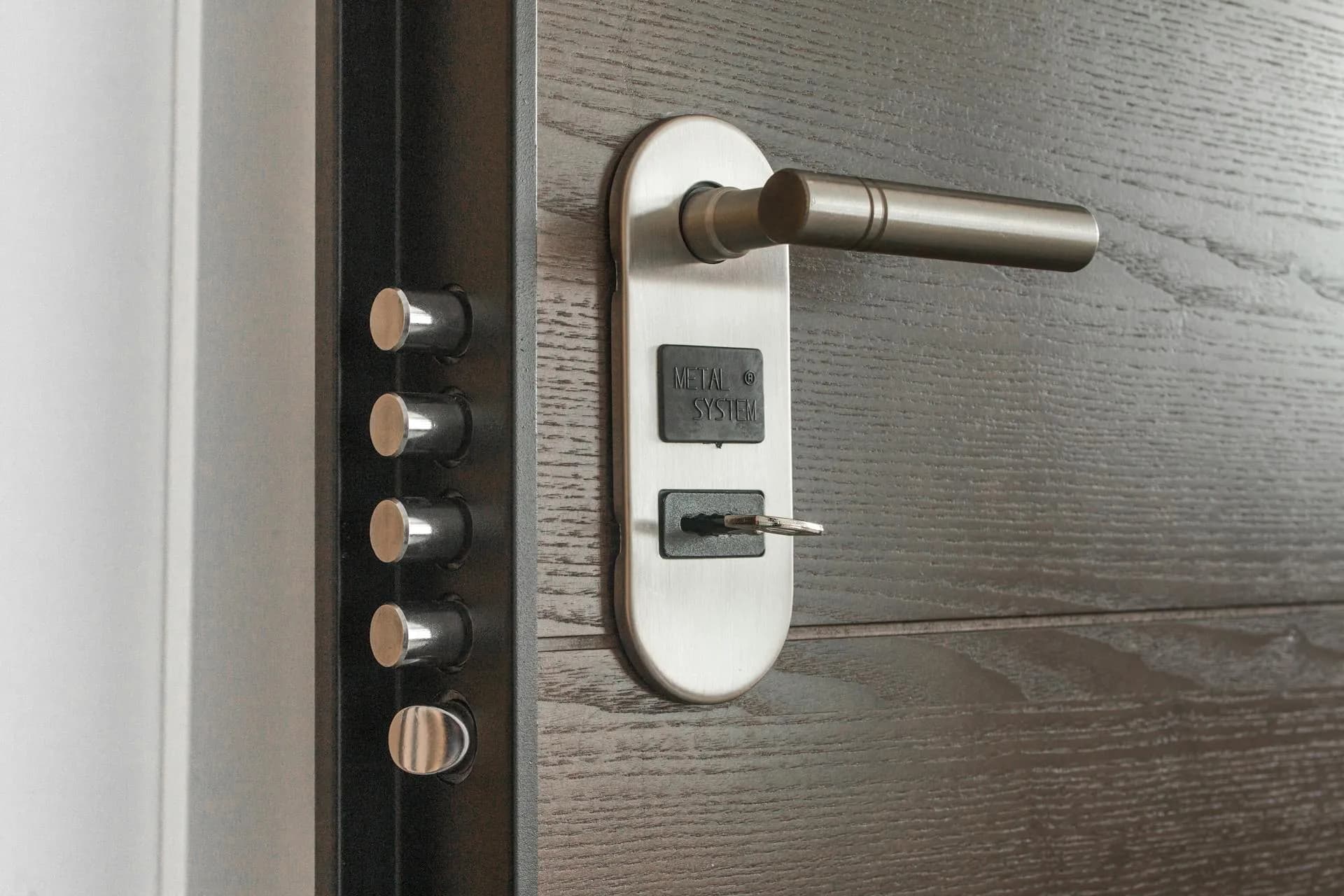
A luxury home is a significant asset, and protecting it requires more thought than sticking a Ring doorbell on the front porch. For homes valued at $1.5 million and above in metro Atlanta, security is a system, not a product. It involves cameras, sensors, access control, monitoring, network security, and often physical hardening. When designed correctly, a comprehensive security system protects your family, your possessions, and your property value.
According to FBI crime statistics, property crimes affect homes across all income levels, but luxury properties face unique vulnerabilities. Larger lot sizes create more perimeter to monitor. Higher-value contents (art, jewelry, electronics) make homes more attractive targets. Extended travel schedules leave homes unoccupied for longer periods. And the increasing connectivity of smart homes introduces cybersecurity risks that did not exist a decade ago.
This guide covers the full spectrum of security considerations for luxury homes in Atlanta: camera systems, access control, monitoring services, safe rooms, perimeter security, cybersecurity, and the insurance benefits that help justify the investment.
Integrated Security vs Standalone Systems
The first decision in luxury home security is whether to use an integrated system or a collection of standalone products. For homes above the $1.5 million mark, integrated systems are almost always the better choice.
An integrated system connects cameras, door/window sensors, motion detectors, access control, lighting, and monitoring into a single platform. When a perimeter sensor is triggered, the system automatically activates relevant cameras, turns on exterior lights, locks doors, and sends an alert to both you and the monitoring center. This coordinated response is far more effective than individual components that operate in isolation.
Leading platforms for luxury home integration include Control4 (widely used in high-end residential, excellent for homes already using Control4 for home automation), Crestron (the premium choice for large estates and homes with complex A/V systems), Savant (Apple-centric interface, popular in modern luxury homes), and Alarm.com (strong professional monitoring integration with broad device compatibility). Each platform has strengths depending on your existing home automation setup and personal preferences.
Standalone systems (Ring, SimpliSafe, Nest) serve the consumer market well but have limitations in the luxury context. They typically lack the camera quality, storage depth, integration capabilities, and professional-grade reliability that a $2 million+ home warrants. That said, they can serve as supplemental systems for secondary buildings, pool houses, or guest quarters.
Camera Systems: What to Look For
Cameras are the backbone of any security system. For luxury homes, camera selection should focus on image quality, night vision capability, analytics, storage, and weather resistance. Here is what matters.
Resolution. Aim for 4K (8 megapixel) resolution for primary cameras. This provides enough detail to identify faces and read license plates at reasonable distances. 1080p cameras are acceptable for supplemental coverage or interior use. The difference in image clarity between a 1080p and 4K camera is significant when you need to provide footage to law enforcement.
Night vision and low-light performance. Most incidents occur at night, so low-light performance is critical. Look for cameras with infrared (IR) illumination rated to at least 100 feet, or cameras with advanced low-light sensors (like Axis Lightfinder technology) that can capture color images in near-darkness. Supplemental IR illuminators can extend coverage in especially dark areas of the property.
AI analytics. Modern professional-grade cameras include on-board analytics that can distinguish between people, vehicles, and animals. This dramatically reduces false alerts (no more notifications every time a squirrel crosses the driveway). Systems like Verkada and Avigilon offer facial recognition, license plate recognition, and unusual motion detection that can alert you to genuinely suspicious activity while ignoring routine events.
Storage. Camera footage should be stored both locally (network video recorder on-site) and in the cloud (encrypted off-site backup). Local storage ensures footage is available even if your internet goes down. Cloud storage protects against theft or destruction of the local recorder. Most professional systems retain 30 to 90 days of continuous recording, with flagged events stored longer. For a system with 12 to 16 4K cameras recording continuously, budget for 8 to 16 TB of local storage plus a cloud subscription.
Camera Coverage Guide for Luxury Homes
- Entry points (3 to 5 cameras): Front door, back door, side entries, and garage. These should be high-resolution with good audio for intercom/recording capabilities.
- Driveway and approach (2 to 3 cameras): Wide-angle cameras covering the driveway and street frontage. Consider a dedicated license plate recognition (LPR) camera at the driveway entrance for vehicle identification.
- Perimeter (3 to 6 cameras): Covering rear and side yards. On larger properties, thermal cameras can detect human-sized heat signatures at distances of 200+ feet, even in complete darkness.
- Outdoor living areas (1 to 3 cameras): Pool area, outdoor kitchen, and patio. These serve both security and liability documentation purposes (pool incidents, slip and fall).
- Interior (2 to 4 cameras, optional): Entry foyer, hallway intersections, and areas with high-value contents. Many homeowners prefer not to have interior cameras for privacy reasons. If used, position them in common areas only and ensure household members are aware.
Access Control and Smart Locks
Controlling who can enter your home, and tracking when they do, is a core security function. Modern access control for luxury homes goes well beyond deadbolts.
Smart locks. Electronic locks with keypad, fingerprint, or smartphone access have become standard in luxury homes. The best options for residential use include Yale Assure Lock 2 (Z-Wave or Wi-Fi versions, excellent smart home integration), Schlage Encode Plus (Apple Home Key compatible, ANSI Grade 1 rated), and August Wi-Fi Smart Lock (retrofit-friendly, works with existing deadbolts). For luxury applications, choose locks that are ANSI/BHMA Grade 1 rated (commercial grade) for maximum physical security.
Unique access codes. One of the most practical benefits of smart locks is the ability to create unique codes for different people. Your housekeeper gets a code that works only on scheduled days. Your pool maintenance company gets a gate code that works during specific hours. Your children get permanent codes. A contractor gets a temporary code that expires when their project ends. This eliminates the security risk of distributed physical keys and creates an audit trail of every entry.
Gate and driveway access. For properties with gated entries, video intercom systems (like DoorBird or 2N) allow you to see and speak with visitors before granting access. Integration with your smart home system enables remote gate control from anywhere. License plate recognition systems can automatically open the gate for authorized vehicles, adding convenience without sacrificing security.
Biometric access. For sensitive areas within the home (home offices, safe rooms, wine cellars, gun storage), biometric access control adds another layer. Fingerprint readers and facial recognition systems are increasingly affordable and reliable. These are most useful when you want to restrict access to specific areas even from household members who have general access to the home.
Professional Monitoring: The Human Element
A security system without monitoring is a detection system that relies on you to respond. For luxury homes, professional monitoring adds the critical human element: trained operators who evaluate alerts 24/7 and dispatch emergency services when needed.
According to a study cited by the Insurance Information Institute, homes with monitored security systems are significantly less likely to be burglarized than homes without security, and monitored systems provide faster emergency response times. The monitoring center verifies the alarm (reducing false dispatches), contacts the homeowner, and coordinates with local law enforcement or fire services.
For luxury homes in Atlanta, the most reputable monitoring providers include ADT (largest monitoring provider, strong brand recognition with law enforcement), Brinks Home (formerly Protect America, good technology integration), and several regional providers who specialize in high-end residential. Monthly monitoring costs for luxury homes typically range from $50 to $200 depending on the level of service. Higher-tier plans may include video verification (operators view camera footage during an alarm event), faster dispatch priority, and dedicated account management.
One important consideration in Atlanta: the City of Atlanta, Fulton County, DeKalb County, and several other jurisdictions have false alarm ordinances that impose fines for repeated false alarm dispatches. After a set number of false alarms (typically 3 to 5 per year), you may face fines of $50 to $250 per incident. Professional monitoring with video verification significantly reduces false dispatches by allowing operators to confirm whether an alarm event is genuine before requesting police response.
Safe Rooms and Physical Hardening
For some luxury homeowners, electronic security is not enough. Safe rooms provide a physical refuge in the event of a home invasion or severe weather emergency. In Atlanta's tornado-prone climate, a safe room can serve both security and storm protection purposes.
A well-designed safe room includes reinforced walls and ceiling (poured concrete, steel, or Kevlar panels rated to withstand forced entry for a minimum of 30 to 60 minutes), a steel security door with heavy-duty locks (FEMA-rated safe room doors meet ICC 500 storm shelter standards), independent communications (hardwired landline, cellular backup, two-way radio), a security camera monitor showing the rest of the home, backup power (battery or small generator), basic supplies (water, first aid, flashlights), and independent ventilation.
Construction costs range from $10,000 for a basic storm shelter/safe room to $50,000 or more for a custom-built room with advanced features. The most practical approach is to integrate a safe room into the master bedroom closet or an interior room on the main floor. FEMA Publication 320 provides detailed construction guidelines for safe rooms that meet both security and storm protection standards.
Beyond safe rooms, physical hardening measures for luxury homes include reinforced door frames and strike plates on all exterior doors (a $200 upgrade that makes forced entry significantly more difficult), security film on ground-floor windows (holds glass in place even when shattered, deterring smash-and-grab entry), upgraded exterior lighting with motion activation (well-lit properties are less attractive targets, per FBI crime prevention guidance), and landscaping designed for security (avoiding dense shrubs near windows and entry points that could provide concealment).
Cybersecurity for Smart Homes
The more connected your home, the larger your attack surface. A luxury home with smart locks, cameras, automated lighting, climate control, and a home network represents dozens of potential entry points for cyber intruders. A compromised smart lock is arguably more dangerous than no smart lock at all.
According to cybersecurity research from the SANS Institute, IoT (Internet of Things) devices are among the most frequently targeted endpoints in both residential and commercial networks. Many smart home devices ship with default passwords, run outdated firmware, and lack basic encryption. A compromised device on your network can provide access to your cameras, unlock your doors, or expose personal data.
Network segmentation. The single most important cybersecurity measure for a smart home is network segmentation. Put your IoT devices (cameras, locks, thermostats, smart speakers) on a separate VLAN (virtual local area network) from your computers, phones, and sensitive devices. If a smart light bulb is compromised, the attacker cannot reach your computer or access your financial accounts. Enterprise-grade routers like Ubiquiti Dream Machine Pro or dedicated firewalls like Firewalla make this straightforward.
Regular updates. Keep firmware current on all smart devices. Manufacturers regularly patch security vulnerabilities, but the patches only help if they are installed. Enable automatic updates where possible. For devices that the manufacturer no longer supports with updates, replace them.
Professional network management. For luxury homes with extensive smart home systems, consider a managed network service. Companies specializing in residential cybersecurity can monitor your network for suspicious activity, manage firmware updates across all devices, and respond to security events. The cost is typically $100 to $300 per month, a fraction of the potential loss from a successful cyber intrusion.
Insurance Premium Discounts for Security Systems
- Basic monitored alarm: 5% to 10% discount on homeowners insurance premium. Requires a UL-listed monitoring service with 24/7 central station.
- Comprehensive system (alarm + fire + water): 10% to 15% discount. Adding monitored smoke/heat detectors and water leak sensors increases the discount with most insurers.
- Full system with video verification: Up to 20% discount with select insurers. Video verification reduces false alarms and provides documentation in the event of a claim.
- Dollar impact for luxury homes: On a $3 million home with a $10,000 annual insurance premium, a 15% discount saves $1,500 per year. Over 10 years, that is $15,000 in savings, which offsets a significant portion of the security system cost.
The Bottom Line
Security for a luxury home is not a one-time purchase. It is a system that should be designed holistically, installed professionally, maintained regularly, and upgraded as technology evolves. The investment protects your family, your property, and your peace of mind. It also protects your financial investment through insurance savings and by maintaining the home's marketability to security-conscious buyers when you eventually sell.
For buyers evaluating luxury homes, the existing security infrastructure should be part of your due diligence. A home with a comprehensive, well-maintained security system adds value. A home with outdated or incomplete security represents an additional investment that should be factored into your total cost of ownership.
If you are buying or selling a luxury home in Atlanta and want guidance on evaluating security systems, our team can connect you with trusted security professionals who specialize in high-end residential installations. We can also help you assess the security features of any property you are considering as part of the buying process.
Frequently Asked Questions
How much does a comprehensive security system cost for a luxury home?
A comprehensive security system for a luxury home in Atlanta typically costs $15,000 to $75,000 or more for installation, depending on the scope. A basic professional-grade system with cameras, sensors, access control, and monitoring runs $15,000 to $30,000. Mid-range systems with higher-end cameras, full perimeter coverage, smart home integration, and advanced access control typically cost $30,000 to $50,000. High-end systems with thermal cameras, license plate recognition, safe rooms, and enterprise-grade networking can exceed $75,000. Monthly monitoring fees from professional services range from $30 to $200 depending on the level of service and response capabilities.
What are the best security camera brands for luxury homes?
For luxury homes, the most commonly recommended professional-grade camera systems include Verkada (cloud-based, excellent analytics and AI detection), Axis (industry standard for commercial and high-end residential, superb image quality), Hanwha (formerly Samsung Techwin, strong performance at competitive pricing), and Avigilon (owned by Motorola, excellent for larger properties with advanced analytics). For DIY-friendly options with professional-level features, Ubiquiti Protect offers excellent value. Consumer-grade systems like Ring and Nest are not typically recommended as the primary system for luxury homes, though they can supplement a professional installation. The right choice depends on your property size, integration requirements, and whether you want cloud or local storage.
Do home security systems lower insurance premiums?
Yes, most homeowners insurance providers offer discounts for monitored security systems. According to the Insurance Information Institute, discounts typically range from 5% to 20% of your annual premium, depending on the insurance company and the type of system installed. A basic monitored alarm system may qualify for a 5% to 10% discount, while a comprehensive system with fire detection, water leak sensors, and 24/7 professional monitoring may qualify for 15% to 20%. For a luxury home with an annual premium of $5,000 to $15,000, that translates to savings of $250 to $3,000 per year. Over time, these savings can offset a meaningful portion of the security system cost. Contact your insurance provider for specific discount details.
What is a safe room and should a luxury home have one?
A safe room (also called a panic room or secure room) is a fortified space within your home designed to provide temporary shelter during a home invasion, severe weather, or other emergency. Construction typically involves reinforced walls (poured concrete, steel-reinforced masonry, or Kevlar-lined panels), a steel security door with electronic locks, independent communication systems (hardwired phone line, cellular backup, and two-way radio), ventilation, and emergency supplies. Cost to build a safe room in a luxury home ranges from $10,000 to $50,000 or more depending on size and hardening level. FEMA provides construction guidelines for storm shelters that can serve double duty as security rooms. Whether you need one depends on your personal risk assessment and peace of mind priorities.
How do I secure a smart home from cyber threats?
Smart home cybersecurity is increasingly important as homes become more connected. Key steps include: (1) Segment your network by putting IoT devices on a separate VLAN from your computers and phones. (2) Use a dedicated firewall/security gateway (like Ubiquiti Dream Machine Pro or Firewalla) rather than relying on your ISP's router. (3) Change all default passwords on smart devices and use strong, unique passwords. (4) Enable two-factor authentication on all smart home accounts. (5) Keep firmware updated on all devices. (6) Disable remote access features you don't actively use. (7) Consider a professional network security assessment from a cybersecurity firm. For luxury homes with extensive automation, a managed network service that monitors traffic and patches vulnerabilities is worth the investment.
What is the difference between self-monitored and professionally monitored security?
Self-monitored systems send alerts directly to your phone when an event is detected. You are responsible for evaluating the alert and deciding whether to call the police. Professionally monitored systems route alerts to a central monitoring station staffed 24/7 by trained operators. The monitoring center evaluates the alarm, attempts to contact you, and dispatches emergency services if needed. For luxury homes, professional monitoring is strongly recommended. The cost difference ($30 to $200/month for professional monitoring versus free for self-monitoring) is trivial relative to the value of the property and possessions being protected. Professional monitoring also provides verification calls that can reduce false alarm dispatches, which is important in areas where police departments charge for repeated false alarm responses.
How many cameras does a luxury home typically need?
The number of cameras depends on property size, layout, and the level of coverage desired. A typical 4,000- to 6,000-square-foot luxury home on a half-acre lot usually requires 8 to 16 cameras for comprehensive coverage. This typically includes cameras at all entry points (front door, back door, side doors, garage), covering the driveway and street approach, monitoring the perimeter (rear yard, side yards), overlooking the pool and outdoor living areas, and interior cameras at key points (entry foyer, hallway intersections). Larger estates on multi-acre lots may require 20 to 30+ cameras, potentially including license plate recognition cameras at the driveway entrance and thermal cameras for perimeter monitoring at night.
What access control features are common in luxury homes?
Modern luxury homes typically incorporate several layers of access control. Electronic smart locks on exterior doors (Yale, Schlage, or August brands are popular) allow keyless entry via codes, fingerprints, or smartphone. Gate access systems for gated properties include keypads, proximity cards, and video intercoms. Biometric access (fingerprint or facial recognition) for sensitive areas like home offices, wine rooms, or safe rooms. Multi-zone alarm arming that allows you to secure different areas of the home independently (for example, arming the perimeter while leaving interior motion sensors off while you sleep). Visitor management features that generate temporary access codes for housekeepers, contractors, and guests. All of these can be integrated into a single smart home platform for centralized control.
Should I use smart locks on a luxury home?
Smart locks offer significant convenience and security advantages for luxury homes. They eliminate the risk of lost or copied keys, allow you to generate unique codes for different users (housekeepers, contractors, dog walkers), provide an audit trail of who entered and when, and enable remote locking and unlocking via smartphone. The best smart locks for luxury applications (Yale Assure, Schlage Encode, August Wi-Fi Smart Lock) are ANSI Grade 1 or Grade 2 rated, meaning they meet commercial-grade security standards. However, smart locks should be part of a layered security approach, not the sole protection. Pair them with a monitored alarm system, security cameras, and strong cybersecurity practices to prevent digital vulnerabilities from becoming physical access points.
What should I look for in a security system when buying a luxury home?
When evaluating the security system of a luxury home you are considering purchasing, check the following: (1) Age of the system. Systems older than 5 to 7 years may need upgrading. (2) Camera quality. Ask for sample footage to evaluate resolution (1080p minimum, 4K preferred). (3) Monitoring contract. Check if there is an existing contract and whether it transfers with the sale. (4) Integration. Does the security system integrate with the home automation platform? (5) Network infrastructure. Is there adequate Ethernet wiring for hardwired cameras? Wireless-only systems have reliability limitations. (6) Backup power. Does the system have battery and cellular backup in case of power or internet outages? (7) Coverage gaps. Walk the property and identify any blind spots. A security professional can perform a formal assessment as part of your due diligence.

"When we bought our home in Buckhead, the team connected us with a security consultant who designed a system that gives us total peace of mind. Cameras, access control, monitoring, the whole package. We travel frequently and knowing the house is properly secured makes all the difference."
Patricia & Richard H.
Buckhead homeowners, comprehensive security installation
Need help evaluating security in a luxury home you are considering?

Sources
- FBI - Uniform Crime Report data, property crime statistics, and crime prevention guidance.
- Insurance Information Institute - Research on security system effectiveness and homeowners insurance discount data.
- FEMA - Publication 320 (Taking Shelter from the Storm), safe room construction guidelines and ICC 500 standards.
- SANS Institute - IoT security research, smart home cybersecurity best practices, and network security guidelines.
- City of Atlanta / Fulton County - False alarm ordinance details and requirements for monitored security systems.
Security system costs, technology specifications, and insurance discounts referenced in this article reflect conditions as of early 2026 and are subject to change. Individual system costs depend on property size, scope, and installer. This article does not constitute professional security advice.
Disclaimer: This article is for informational purposes only and does not constitute professional security, insurance, or cybersecurity advice. Security system effectiveness depends on proper installation, maintenance, and user practices. The Luxury Realtor Group is a real estate brokerage and does not provide security installation, monitoring, or cybersecurity services. Consult with qualified security professionals for recommendations specific to your property and risk profile.