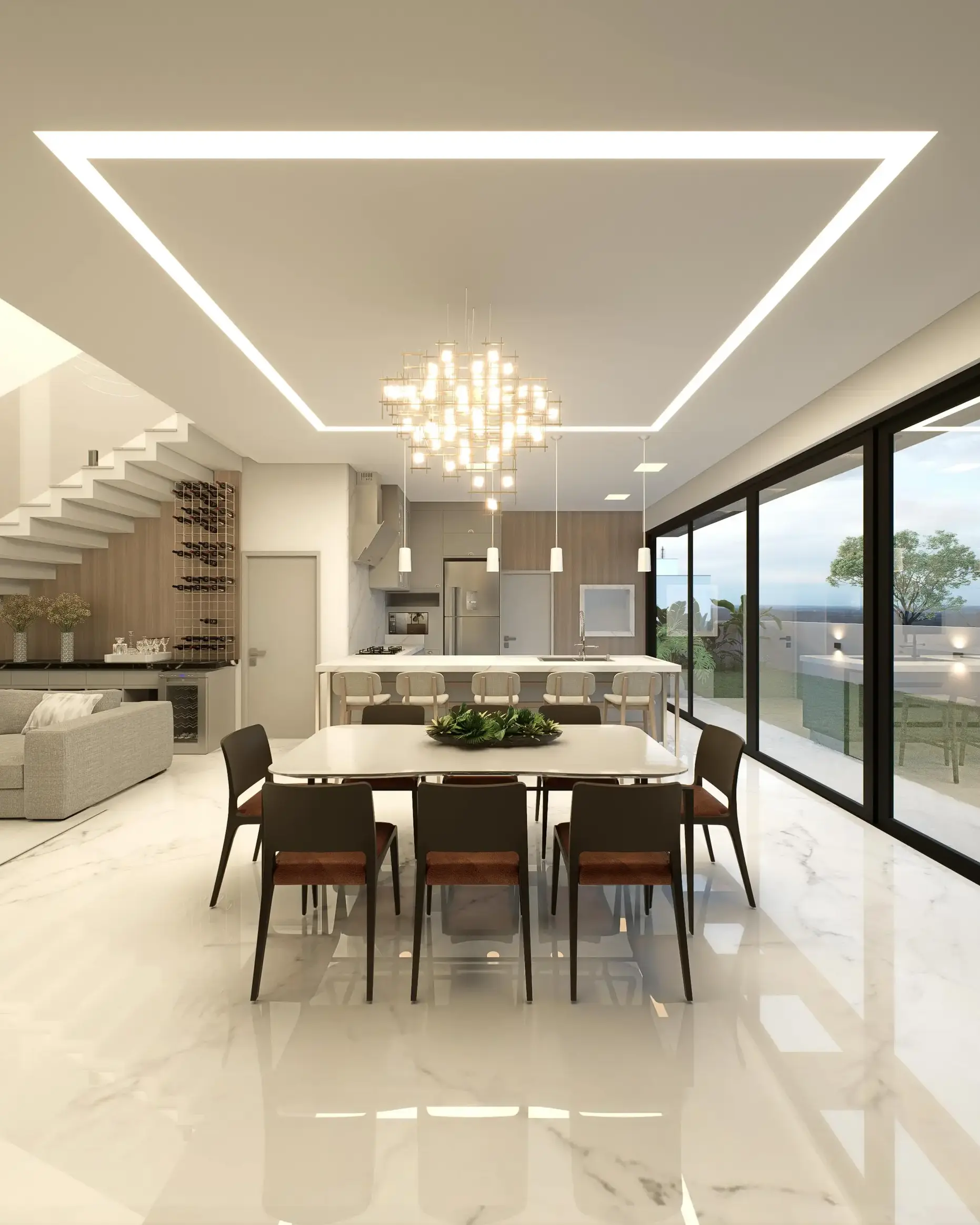
Interior design in Atlanta's luxury market has shifted meaningfully over the past two to three years. The all-gray, all-white, heavily staged look that dominated from 2015 to 2022 has given way to something warmer, more textured, and more intentional. Buyers walking through $1.5 million to $5 million homes today are looking for spaces that feel both sophisticated and genuine, places where the materials have weight and the design has purpose.
This shift reflects broader cultural trends: a move away from fast fashion and disposable aesthetics toward quality, longevity, and authenticity. In the design world, this translates to natural materials over synthetics, soft curves over sharp angles, warm tones over cool grays, and custom details over mass-market fixtures. Atlanta's design community has been particularly strong in adapting these global trends to the Southern context, where traditional forms, generous proportions, and a connection to the outdoors have always been valued.
This article covers the interior design trends that matter most for Atlanta luxury homeowners and buyers in 2026, with a focus on what translates to real value at the point of sale.
Warm Minimalism: The Defining Aesthetic
Warm minimalism is the design language that best describes where Atlanta luxury interiors have landed in 2026. It borrows the clean lines and edited sensibility of traditional minimalism but replaces the cold, austere quality with rich natural materials, warm color tones, and tactile surfaces that invite touch.
In practice, warm minimalism in an Atlanta luxury home looks like this: wide-plank European white oak floors in a matte or low-sheen finish (not the high-gloss cherry or dark walnut of the 2005 era), walls in warm off-whites or soft greiges rather than stark white or cool gray, natural stone countertops in honed or leathered finishes rather than polished, linen and cotton textiles in neutral tones, and furniture with organic shapes and visible wood or metal frames rather than fully upholstered pieces.
The appeal is universal. According to design trend data from the American Society of Interior Designers (ASID), warm and natural aesthetics have ranked as the top consumer preference for three consecutive years. In the Atlanta luxury resale market, homes designed in this aesthetic sell faster and with fewer concessions than homes with more polarizing design choices. It is the safest design approach for both livability and long-term value retention.
Quiet Luxury: Quality Over Flash
The quiet luxury movement, which gained mainstream visibility through fashion (think Loro Piana and The Row), has fully translated to interior design. In an Atlanta luxury home, quiet luxury means investing in craftsmanship and materials that reward close inspection rather than making a statement from across the room.
This shows up in details like custom millwork with integrated lighting (rather than stock cabinetry with surface-mounted fixtures), natural stone slabs selected and bookmatched for a specific wall or countertop, hardware in solid brass or bronze rather than plated finishes, plaster walls with a hand-troweled texture rather than flat drywall and paint, bespoke furniture built to fit specific rooms rather than standard retail pieces, and window treatments in natural linen or wool rather than polyester blends.
The premium for quiet luxury is real but not extravagant. Custom millwork might cost 30% to 50% more than premium stock cabinetry. Natural plaster walls add $8 to $15 per square foot over standard paint. But these investments compound in perceived value. A buyer walking through a home with these details senses quality without being able to articulate exactly why the home feels different from the one down the street. That feeling translates directly to willingness to pay.
Natural Materials Driving Atlanta Luxury Design in 2026
- Natural stone: Honed marble, limestone, travertine, and quartzite for countertops, fireplace surrounds, and accent walls. Leathered and honed finishes are preferred over polished for a softer, more organic look.
- Wide-plank hardwood: European white oak dominates, typically 7 to 10 inches wide, in matte or wire-brushed finishes. Rift and quarter-sawn cuts for a cleaner grain pattern. Light to medium tones have replaced the dark stains of the previous decade.
- Unlacquered brass and bronze: Hardware, plumbing fixtures, and lighting in finishes that develop a natural patina over time. This connects to the quiet luxury ethos of materials that age with character.
- Plaster and lime wash: Venetian plaster, lime wash, and Roman clay wall finishes add depth and movement to walls. These finishes are particularly popular in dining rooms, primary bedrooms, and powder rooms.
- Natural textiles: Linen, wool, cotton, and silk for upholstery, drapery, and bedding. Performance fabrics that replicate natural fibers are also gaining acceptance in luxury homes where durability and easy cleaning matter.
Refreshing Interiors Before You Go to Market?
Some updates change how a home shows and photographs, and some just cost money. We can tell you where that line falls for your price band.
Prioritize My Pre-Listing Updatesor call (770) 727-4052
Statement Lighting as a Design Priority
Lighting has moved from a functional afterthought to one of the most important design elements in luxury homes. In 2026, the lighting plan is often developed in parallel with the architectural design rather than selected at the end of the construction process.
The key trends in luxury lighting include oversized sculptural fixtures that function as art (particularly in foyers, dining rooms, and stairwells), integrated LED cove and channel lighting that creates ambient washes without visible fixtures, mixed-metal combinations (matte black paired with warm brass is the most popular in Atlanta), clustered or linear pendant arrangements over kitchen islands (replacing the single pendant or recessed can approach), and automated lighting systems with tunable color temperature that shifts from cool daylight for productivity to warm amber for evening relaxation.
Smart lighting systems have become standard in luxury homes. Lutron's Homeworks QSX and Ketra systems allow homeowners to control every light in the house by zone, scene, and time of day. These systems typically cost $30,000 to $80,000 for a full luxury home installation, but they dramatically improve the daily experience of living in the home and are a strong selling point at resale.
Budget guidance: allocate 5% to 8% of a renovation budget for lighting, including fixtures, controls, and installation. For a $500,000 renovation, that means $25,000 to $40,000 for lighting alone. It is one of the highest-impact categories in terms of how the finished home feels.
The Evolved Primary Suite
The primary suite in a luxury home has expanded well beyond a bedroom and bathroom. In 2026, the most desirable primary suites in the Atlanta market function as private apartments within the home, a retreat that provides everything an owner needs for morning routines, evening wind-down, and weekend relaxation without leaving the suite.
Current primary suite design priorities include spa-inspired bathrooms with freestanding soaking tubs (Victoria + Albert and MTI are popular brands in the Atlanta luxury market), walk-in showers large enough for two with body sprays, rain heads, and a bench, heated floors (standard in the luxury tier, not an upgrade), and separate his-and-hers vanity areas rather than a shared double vanity.
Walk-in closets have become rooms in their own right. Custom closet systems from brands like California Closets and local millwork shops feature LED lighting, glass-front display cases for handbags and shoes, built-in dressing areas with three-way mirrors, and sometimes a center island with jewelry drawers. A well-designed custom closet in an Atlanta luxury home typically costs $15,000 to $60,000 and is a meaningful differentiator at resale.
The morning kitchen or coffee bar is a newer addition that has gained traction in homes above $2 million. This is a small wet bar or coffee station within or adjacent to the primary suite, equipped with a sink, mini refrigerator, coffee maker, and storage. It allows the homeowner to start their morning without going to the main kitchen, a small convenience that buyers at the top of the market appreciate.
Home Offices That Actually Sell
The pandemic permanently changed how luxury buyers think about home offices. What was once a bonus room with a desk has become a dedicated, designed space that rivals a private office. In the Atlanta market, a well-designed home office is now a top-five feature for luxury buyers, according to our team's buyer surveys.
The design elements that resonate most with buyers include built-in bookshelves and cabinetry (not standalone furniture), integrated technology (concealed power, data ports, and wire management), sound insulation (particularly if the office is near a family room or playroom), natural light from at least one window (ideally two), a door that closes (pocket doors are popular for maintaining open-plan flow when not in use), and Zoom-ready design with an intentional background wall (buyers now think about how their home looks on camera).
The most effective home office locations in an Atlanta luxury home are on the main level near but not in the main living area, with a view of the front yard or garden. According to a 2024 survey by the National Association of Realtors, 62% of recent home buyers reported that a home office or dedicated workspace was an important factor in their purchase decision, up from 36% in 2019.
Color Trends for Atlanta Luxury Homes
The color story in Atlanta luxury homes for 2026 is warm, grounded, and layered. The cool gray palette that was everywhere from 2015 to 2020 has been almost entirely replaced by warmer tones that feel more natural and less sterile.
For main living areas, the dominant wall colors are warm whites and off-whites: Benjamin Moore's White Dove, Simply White (slightly warmer), and Chantilly Lace (cleaner but not cold). Sherwin-Williams Alabaster and Accessible Beige are also popular. These colors reflect Atlanta's natural light, which tends toward warm tones, and pair well with the white oak floors and natural stone that define the current material palette.
For accent spaces like powder rooms, libraries, home offices, and dining rooms, deeper tones are popular: Benjamin Moore's Salamander (deep green), Hale Navy, and Wrought Iron (soft black). Sherwin-Williams Urbane Bronze (their 2021 Color of the Year, which has aged well) and Evergreen Fog remain strong choices. These moody colors create drama in smaller spaces without overwhelming the home's overall palette.
Kitchen cabinetry color trends have shifted meaningfully. The all-white kitchen, while still common, is being joined by two-tone approaches: white upper cabinets with a colored island (deep green, warm gray, or rich navy) or natural wood lowers with painted uppers. The all-gray kitchen has largely run its course in the luxury market. For those going bold, a deep forest green island with unlacquered brass hardware on a white kitchen backdrop is one of the most requested combinations our team sees in renovated Buckhead homes.
Frequently Asked Questions
What is the dominant luxury interior design trend in Atlanta for 2026?
Warm minimalism continues to be the strongest trend in Atlanta's luxury market. This aesthetic combines clean lines and uncluttered spaces with rich natural materials like stone, wood, and linen that add warmth and texture. The goal is a home that feels both sophisticated and lived-in, not sterile or cold. In Atlanta specifically, warm minimalism often incorporates traditional Southern elements like wide-plank hardwood floors, natural stone fireplaces, and generous window sizes that connect indoor spaces to the lush outdoor landscape.
What is 'quiet luxury' in interior design?
Quiet luxury is a design approach that emphasizes quality over flash. Instead of logos, bold patterns, or trendy statement pieces, quiet luxury homes feature exceptional materials, expert craftsmanship, and timeless design that does not announce itself loudly. In practice, this means custom millwork over mass-produced cabinetry, natural stone over engineered quartz with dramatic veining, solid hardwood over laminate, bespoke furniture over catalog pieces, and hidden technology over visible screens and speakers. The aesthetic aligns with a broader cultural shift away from conspicuous consumption and toward understated quality. In Atlanta's luxury market, quiet luxury tends to perform well at resale because its timelessness appeals to a broad range of buyers.
What colors are trending in Atlanta luxury homes for 2026?
The dominant color palette for Atlanta luxury interiors in 2026 leans warm and neutral: creamy whites (Benjamin Moore's White Dove, Sherwin-Williams Alabaster), warm greiges (Accessible Beige, Revere Pewter), rich earth tones (terracotta, ochre, olive), and deep moody accents (charcoal, navy, forest green) used sparingly in powder rooms, libraries, or accent walls. Cool grays, which dominated the 2015-2020 era, have largely been replaced by warmer tones. All-white interiors are also fading in favor of layered neutrals that create depth without drama. For accent colors, deep greens and warm browns are trending in kitchen islands and cabinetry.
How much does a luxury interior renovation cost in Atlanta?
A full interior renovation of a luxury home in Atlanta typically ranges from $150 to $400+ per square foot depending on the scope and quality of materials. For a 5,000-square-foot home, that translates to $750,000 to $2 million or more for a whole-home renovation including kitchen, bathrooms, flooring, lighting, millwork, and furnishings. Individual room budgets in the luxury tier: kitchen renovation ($100,000 to $300,000), primary bathroom ($50,000 to $150,000), custom closet system ($15,000 to $60,000), home office ($20,000 to $75,000), and whole-home lighting redesign ($30,000 to $100,000). These ranges reflect Atlanta pricing, which tends to be 15% to 25% below comparable work in New York or San Francisco.
What lighting trends are popular in luxury homes right now?
Statement lighting has become one of the most impactful design elements in luxury homes. Current trends include oversized sculptural pendants in dining rooms and kitchens, integrated LED cove lighting that creates ambient glow without visible fixtures, mixed metals (combining matte black with unlacquered brass or brushed nickel), clustered pendant arrangements over kitchen islands, and linear suspension fixtures in modern homes. Designers are also using lighting as architecture, with recessed channels in ceilings and walls that create light washes rather than point sources. Smart lighting systems like Lutron Homeworks and Ketra that allow full color temperature control from warm candlelight to bright daylight are increasingly standard in the luxury tier.
Are open floor plans still popular in Atlanta luxury homes?
Yes, but with important modifications. The fully open, no-walls floor plan has evolved into a 'broken plan' layout that maintains visual connection between spaces while providing definition through architectural elements like columns, half-walls, ceiling height changes, and material transitions. In Atlanta's luxury market, the kitchen-to-family-room connection remains non-negotiable for most buyers. But formal living rooms are being replaced by flex spaces (libraries, music rooms, wine rooms) that serve a purpose rather than sitting empty. Separate dining rooms are making a partial comeback in the luxury tier, often designed as dual-purpose spaces that function for both formal dining and daily family use.
What natural materials are trending in luxury interiors?
Natural materials dominate the 2026 luxury aesthetic. The most popular include: natural stone (honed marble, limestone, travertine, and quartzite for countertops, fireplaces, and accent walls), wide-plank hardwood (European white oak is the gold standard, typically in matte or low-sheen finishes), natural linen and cotton for upholstery and drapery, unlacquered brass and bronze for hardware and fixtures, plaster and lime wash for walls (replacing traditional paint in accent areas), ceramic and terracotta for tiles and decorative elements, and natural fiber rugs (wool, jute, sisal). The common thread is authenticity. Materials that patina and age gracefully are preferred over synthetic alternatives that look perfect but feel impersonal.
How is the primary suite evolving in luxury homes?
The primary suite has expanded from a bedroom and bathroom into a private retreat within the home. In 2026 Atlanta luxury homes, primary suites commonly include a sleeping area sized for a king bed with generous clearance, a sitting area or reading nook, a spa-inspired bathroom with freestanding soaking tub, walk-in shower with multiple heads, and heated floors, dual walk-in closets with custom built-ins and dedicated lighting, a morning kitchen or coffee bar, and in some cases, a private terrace or balcony. The design emphasis is on creating a calm, hotel-like experience with soft lighting, natural materials, and minimal visual clutter. Double vanities are the minimum standard; separate his-and-hers vanity areas are increasingly common in homes above $2 million.
Do interior design choices affect resale value in luxury homes?
Significantly. Interior design choices are one of the biggest factors in luxury home resale. According to the National Association of Realtors, well-designed luxury homes sell faster and for higher prices than comparable homes with dated or overly personalized interiors. The key is choosing designs that are current but not trendy. Warm minimalism, quiet luxury, and natural materials tend to have long shelf lives. Bold trends (statement wallpaper in every room, highly specific tile patterns, bright accent colors in permanent finishes) may appeal to a narrow buyer pool. The safest approach for resale is to keep permanent finishes (flooring, countertops, cabinetry) in timeless materials and express personality through furniture, art, and accessories that leave with you when you sell.
Who are the top luxury interior designers in Atlanta?
Atlanta has a strong design community with several firms specializing in luxury residential work. Notable firms include Robert Brown Interior Design (traditional Southern luxury), Smith Hanes Studio (clean, modern Southern style), Melanie Turner Interiors (layered, collected interiors with Southern sensibility), Joel Kelly Design (transitional luxury with attention to livability), and Summerour Architects (for those seeking architect-led interior design integration). For new construction, working with a designer from the architectural design phase forward produces the most cohesive results. Most luxury designers in Atlanta charge either a flat fee, hourly rate ($200 to $500/hour), or a combination of design fee plus procurement markup on furnishings and materials.
Looking for a luxury home with exceptional design in Atlanta?
Sources
- American Society of Interior Designers (ASID) - Design trend surveys, consumer preference data, and professional practice benchmarks.
- National Association of Realtors (NAR) - Home buyer preference surveys, home office demand data, and design impact on sale prices.
- National Association of Home Builders (NAHB) - What Home Buyers Really Want survey, feature demand rankings.
- Lutron Electronics - Smart lighting system specifications and residential integration data.
- FMLS (First Multiple Listing Service) - Atlanta luxury home listing data, renovation impact analysis, and days on market by design condition.
- Benjamin Moore and Sherwin-Williams - Color trend reports, Color of the Year selections, and designer palette recommendations.
Design trends, costs, and market conditions referenced in this article reflect the Atlanta luxury market as of early 2026 and are subject to change. Individual renovation costs vary based on scope, materials, and contractor selection. This article does not constitute design, financial, or investment advice.
Disclaimer: This article is for informational purposes only and does not constitute interior design, real estate, or financial advice. Design trends are inherently subjective and change over time. Renovation costs and ROI estimates are based on general market observations and may vary significantly by property, scope, contractor, and market conditions. Always consult qualified design and real estate professionals before making renovation decisions. The Luxury Realtor Group is a real estate brokerage and does not provide design or financial advisory services.