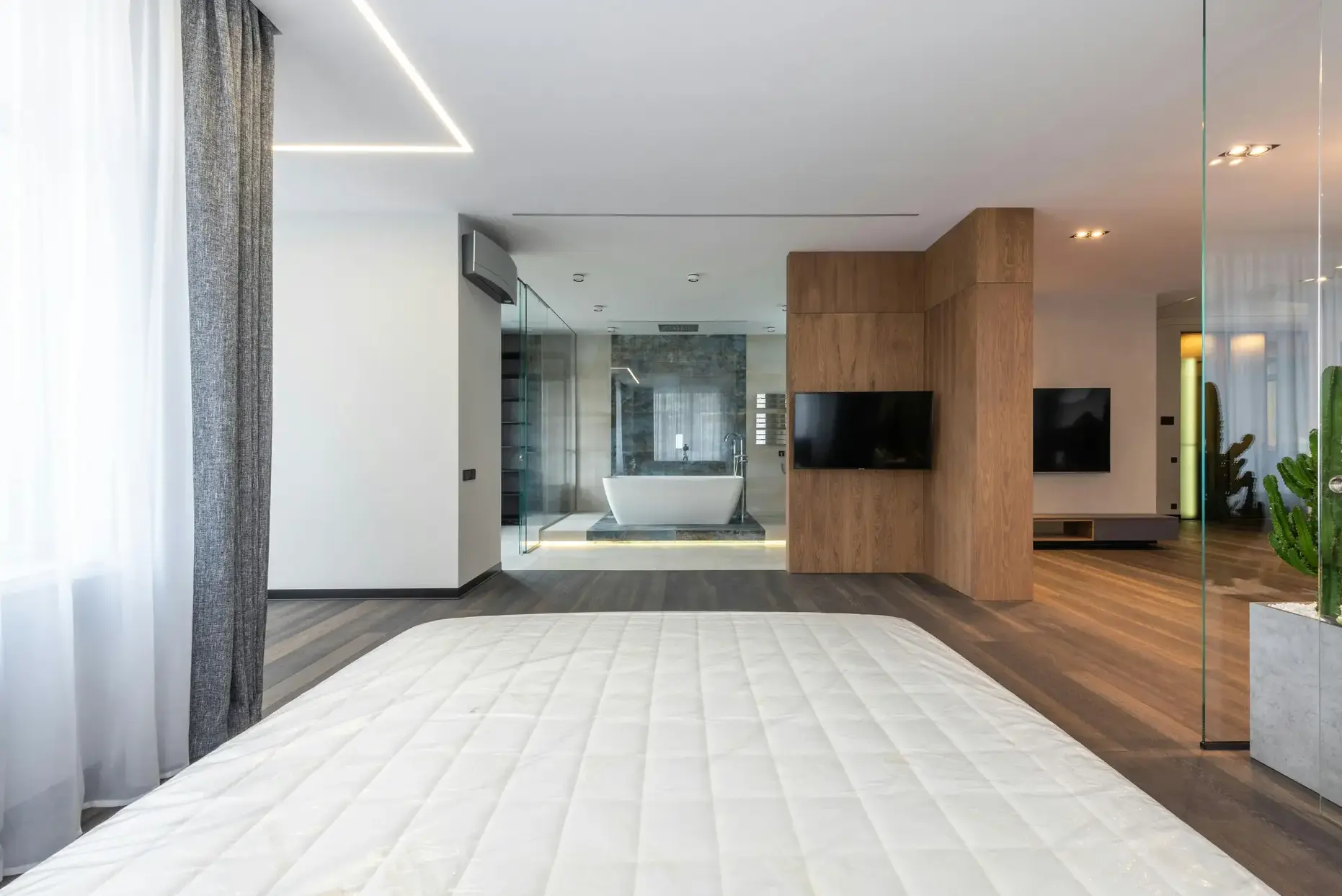
The primary closet has become one of the most scrutinized spaces in luxury real estate. Walk through open houses in Buckhead, Sandy Springs, or Roswell, and you will notice that buyers spend more time in the closet than in many other rooms. It is not vanity. A well-designed closet signals quality throughout the home, and a poorly designed one raises questions about what else the builder cut corners on.
According to the National Association of Home Builders (NAHB), a walk-in closet in the primary suite is the single most requested feature among luxury home buyers, ahead of a laundry room, a great room, and even an eat-in kitchen. And the expectations for what constitutes a quality closet have risen dramatically in the past decade. Builder-grade wire shelving does not cut it at any price point, and at the luxury level, buyers expect custom cabinetry, integrated lighting, climate control, and thoughtful design that turns the closet into a functional dressing room.
This guide covers everything you need to know about designing, upgrading, or evaluating a luxury closet in an Atlanta home. Whether you are building new, renovating, or buying an existing home and assessing the closet quality, this will give you a practical framework for making smart decisions.
Walk-In Closet Sizing: How Much Space Do You Actually Need?
The size of your closet determines what you can do with it, so this is the starting point for any design conversation. In Atlanta's luxury market, closet expectations scale with home price, and undersized closets are one of the most common complaints buyers have about otherwise well-built homes.
At the entry level of luxury ($1 million to $1.5 million), a primary closet of 100 to 150 square feet is typical. This provides enough space for double-hang rods on two walls, a shelf system, and a small bench or ottoman. It works, but it does not wow.
In the $1.5 million to $3 million range, closets typically run 150 to 250 square feet. This is where you start to see center islands, dedicated shoe storage, and enough depth for full-length mirrors and a small vanity area. This size range hits the sweet spot for most luxury buyers: it is generous enough to feel luxurious without consuming an excessive share of the primary suite footprint.
Above $3 million, closets of 250 to 400+ square feet are common, and some estates feature separate his and hers closets of 150 to 200 square feet each. At this tier, the closet functions as a full dressing room with seating areas, accessory display, and often a direct connection to the laundry room. Homes priced above $3 million in Tuxedo Park and Chastain Park typically feature combined closet space of 350 square feet or more.
Custom Cabinetry and Materials
The cabinetry is the backbone of any custom closet. It determines the look, the durability, the functionality, and a significant portion of the cost. There are three general tiers of closet cabinetry available in the Atlanta market.
Entry Level: Melamine and Laminate Systems
Melamine (thermally fused laminate) is the workhorse of the custom closet industry. It is durable, moisture-resistant, available in dozens of colors and wood-grain patterns, and significantly less expensive than solid wood. For closets in the $5,000 to $15,000 range, melamine is the standard. Brands like California Closets use high-quality melamine for many of their systems. It looks clean, performs well, and is easy to maintain. For homes below $1.5 million, melamine is perfectly appropriate and expected.
Mid-Range: Wood Veneer and Painted MDF
Wood veneer over MDF (medium-density fiberboard) or plywood provides the appearance of real wood at a lower cost than solid hardwood. Painted MDF offers a clean, custom look that pairs well with transitional and contemporary interior styles. This tier typically costs $15,000 to $35,000 for a 200-square-foot closet and is appropriate for homes in the $1.5 million to $3 million range. Soft-close drawer slides, integrated lighting channels, and upgraded hardware (brass, nickel, or matte black) are standard at this level.
High End: Solid Wood and Furniture-Grade Finishes
At the top of the market, closet cabinetry is built to furniture-grade standards using solid hardwoods (walnut, white oak, maple, cherry) or high-end painted finishes with hand-applied glazes. Island countertops may be marble, quartzite, or leather-finished granite. Glass-front display cabinets showcase handbags or accessories. This tier starts at $35,000 and can exceed $80,000 for large closets with premium materials throughout. Firms like Artisan Custom Closets, The Closet Works, and high-end cabinet shops handle this level of work in Atlanta.
Lighting Design: The Detail That Makes or Breaks the Space
Lighting is arguably the most important design element in a luxury closet, and it is also the one most often done poorly. The right lighting makes clothing colors appear accurate, creates a flattering environment for getting dressed, and transforms the closet from a storage space into a room you actually enjoy being in.
The gold standard is a layered lighting plan that combines three types. Ambient lighting (recessed LED downlights or a decorative pendant/chandelier) provides overall illumination. Task lighting (LED strips integrated into shelving and hanging sections) illuminates specific zones where you need to see fabric colors accurately. Accent lighting (under-cabinet LEDs, display lighting for accessories, motion-activated drawer lights) adds visual depth and a premium feel.
Color temperature matters enormously. The Illuminating Engineering Society (IES) recommends 3000K to 3500K for closets and dressing areas. This warm-to-neutral white range renders fabric colors accurately (critical for matching outfits) while providing a flattering, warm appearance. Avoid anything below 2700K (too yellow for color matching) or above 4000K (too blue and unflattering).
A high CRI (Color Rendering Index) rating is also important. LEDs with a CRI of 90 or above render colors more accurately than standard LEDs (typically CRI 80). In a closet where you need to distinguish between navy and black, or match a tie to a suit, the difference is meaningful. Most quality LED tape and downlights are available in CRI 90+ at only a modest cost premium.
Adding a Custom Closet Before You List?
Closet build-outs are one of the few upgrades buyers notice immediately. Scope matters, and so does what the rest of the house supports.
Get a Value Read on the Buildor call (770) 727-4052
Island Dressers, Shoe Walls, and Statement Features
Certain closet features create outsized visual impact, both for daily enjoyment and for resale. These are the elements that make a closet feel truly custom rather than just organized.
The center island. A center island is the single most impactful feature you can add to a luxury closet that has the space for it. The island serves as a dresser (with drawers for folded items, jewelry, and accessories), a packing surface, and a visual anchor. The countertop is an opportunity to introduce a premium material (marble, quartzite, or walnut butcher block). Most islands include a glass top or stone surface and house four to eight drawers. To accommodate an island, you need a closet of at least 10 feet by 12 feet (120 square feet minimum), though 14 by 16 feet or larger is ideal.
Shoe walls and displays. Dedicated shoe storage has moved from a nice-to-have to an expected feature in luxury closets. Options range from angled shoe shelves (the most space-efficient) to glass-front shoe cubbies (the most visual) to pull-out shoe drawers (the most protective). A shoe wall with integrated LED lighting and glass shelves is one of the highest-impact visual features in any closet. For serious collectors, climate-controlled shoe cabinets protect sneakers and leather goods from Atlanta's humidity.
Handbag display. Dedicated display for designer handbags (illuminated glass shelves, individual cubbies, or pull-out drawers with dividers) is increasingly requested in luxury closets. Like shoes, proper storage protects leather from humidity damage while keeping pieces visible and accessible.
Safe Rooms Within Closets: Security Meets Practicality
An increasingly common feature in Atlanta luxury homes is a safe room or panic room built within or adjacent to the primary closet. The concept serves multiple purposes: secure storage for valuables, a storm shelter during severe weather (a real concern in north Georgia, which sees an average of 20 to 30 tornado warnings per year, per NOAA's Peachtree City forecast office), and a secure retreat in the event of a home intrusion.
A basic safe room is typically 6 by 8 feet, constructed with reinforced concrete block or poured concrete walls, a steel door with a deadbolt, and basic ventilation. At the upper end, safe rooms include communication equipment (a landline or cellular booster), battery backup lighting, a small display connected to security cameras, and biometric locking systems. FEMA Publication P-320 provides design guidelines for residential safe rooms that can withstand EF5 tornado winds (250 mph).
Costs range from $8,000 to $15,000 for a basic reinforced room during new construction (significantly more expensive as a retrofit) to $20,000 to $40,000 for a fully equipped safe room with technology integration. From a real estate perspective, a safe room is a value-add at the luxury level and is expected in homes priced above $3 million in the Atlanta market.
Humidity Control: Protecting Your Wardrobe in Atlanta's Climate
This is one of the most important and most overlooked aspects of closet design in Atlanta. The city's humid subtropical climate produces summer humidity levels that routinely exceed 70% to 80% outdoors, per NOAA data. Even with air conditioning, interior humidity in poorly managed homes can climb to 55% to 65%, which is above the threshold where mold growth becomes a concern.
For clothing and accessories, the ideal relative humidity range is 45% to 55%. Below 40%, leather can dry out and crack. Above 60%, mold and mildew become risks, leather deteriorates, and wooden cabinetry can warp. The goal is to keep your closet in that sweet spot year-round, even during July and August when Atlanta's outdoor humidity peaks.
Humidity Control Solutions for Luxury Closets
- Dedicated HVAC zone: The most effective approach. A separate thermostat and duct run for the closet allows independent temperature and humidity control. Cost: $2,000 to $5,000 during new construction, more for retrofits.
- Standalone dehumidifier: A portable or built-in dehumidifier (ducted to a drain) can maintain target humidity independently. Units like the Santa Fe line or Aprilaire whole-home models are popular in the Atlanta market. Cost: $800 to $3,000 installed.
- Cedar lining: Aromatic red cedar naturally absorbs moisture and repels moths. Lining closet walls or the backs of cabinets with cedar provides a modest humidity-buffering effect and a pleasant scent. It is not sufficient as a sole humidity control measure in Atlanta but works as a complement.
- Smart humidity monitoring: Sensors connected to your home automation system can track closet humidity in real time and trigger dehumidifiers or HVAC adjustments automatically. Products from Nest, Ecobee, and Control4 integrate easily with luxury smart home setups.
Designer Brands, Costs, and Return on Investment
The Atlanta market has a strong selection of custom closet providers, from national franchises to local artisan shops. Choosing the right provider depends on your budget, timeline, and the level of customization you need.
California Closets is the most recognized brand in the market and operates a showroom in Buckhead. They offer a wide range from mid-tier melamine systems ($8,000 to $20,000) to high-end Tesoro line installations ($25,000 to $60,000+). Their strength is a well-polished design process and reliable installation quality.
Closet Factory is another national brand with a strong Atlanta presence. They tend to offer more flexibility in material options than California Closets and are often competitive on pricing for mid-range to high-end work. Their custom cabinetry can match existing millwork in the home.
Local custom shops like Artisan Custom Closets, Atlanta Custom Closets, and fine millwork firms often provide the highest quality for the money, particularly at the top end where furniture-grade construction is required. Lead times are typically longer (8 to 16 weeks) but the results can be exceptional.
Closet Investment vs. ROI at Resale
- $5,000 to $15,000 investment: Typical ROI of 60% to 80%. This level transforms a builder-grade closet into something buyers notice. High impact per dollar.
- $15,000 to $35,000 investment: Typical ROI of 50% to 70%. Appropriate for homes in the $1.5 million to $3 million range. Expected quality at this price point.
- $35,000 to $80,000+ investment: Typical ROI of 40% to 60%. Premium installations that create emotional impact. May help a home sell faster even if the dollar-for-dollar return is lower.
Source: National Association of Home Builders (NAHB) and Atlanta-area luxury staging consultant estimates. Actual returns vary by home price, location, and market conditions.
The Bottom Line
A luxury closet is no longer an afterthought. It is one of the spaces that defines the primary suite experience and contributes meaningfully to a home's resale appeal. In Atlanta's climate, humidity control is not optional. And the difference between a good closet and a great one often comes down to lighting, island design, and the quality of the cabinetry materials.
Whether you are building a new home and want to get the closet right from the start, or you are evaluating an existing home and wondering whether the closet measures up, the key is knowing what the market expects at your price point and what features will deliver the most enjoyment and the best return.
If you are buying or selling a luxury home in Atlanta and want guidance on closet quality, design expectations, or pre-sale upgrades, reach out to our team. We help clients understand which details matter most at every price point.
Frequently Asked Questions
How big should a luxury walk-in closet be?
In Atlanta's luxury market, primary walk-in closets typically range from 150 to 400+ square feet. A minimum of 150 square feet allows for double-hang sections, shelving, and a small seating area. Closets of 200 to 300 square feet can accommodate a center island, dedicated shoe storage, and a vanity. At 400+ square feet, you enter the territory of dressing rooms with space for full-length mirrors, a seating lounge, and separate his/hers zones. In Buckhead and Sandy Springs, homes priced above $2 million typically feature primary closets of 200 square feet or more.
How much does a custom closet cost in Atlanta?
Custom closet costs in Atlanta vary widely based on size, materials, and design complexity. A basic custom closet system (melamine shelving, standard hardware) for a 150-square-foot closet typically costs $5,000 to $12,000. A mid-range system with wood veneer finishes, LED lighting, and upgraded hardware runs $12,000 to $30,000. A high-end installation with solid wood cabinetry, stone countertops, chandelier lighting, and specialty storage can cost $30,000 to $80,000 or more. California Closets, Closet Factory, and Artisan Custom Closets are among the most popular providers in metro Atlanta.
Do custom closets add value to a luxury home?
Yes, but the ROI varies by price point. According to the National Association of Home Builders (NAHB), walk-in closets in the primary suite are among the top three most-desired features for luxury buyers. Well-designed custom closets can recoup 50% to 80% of their cost at resale, and they often help homes sell faster by creating a strong emotional impression during showings. At the luxury level, a poorly designed or builder-grade closet can actually detract from a home's perceived value. The closet is one of the first spaces buyers inspect when viewing a primary suite.
What is the best lighting for a luxury closet?
The best luxury closets combine multiple lighting types. Recessed LED ceiling lights (3000K to 3500K warm white) provide general illumination. LED strip lighting integrated into shelving and hanging sections illuminates clothing colors accurately. A decorative pendant or chandelier adds visual interest and signals luxury. Under-cabinet LED strips highlight shoes and accessories. Motion-activated lighting in drawers and behind cabinet doors is a premium touch that buyers notice. The key is a color temperature of 3000K to 3500K, which renders fabric colors accurately without the yellow cast of incandescent or the blue cast of cool LED.
Why is humidity control important for closets in Atlanta?
Atlanta's humid subtropical climate (averaging 70% to 80% relative humidity in summer, per NOAA data) can damage clothing, leather goods, and accessories stored in closets. Excess moisture promotes mold and mildew growth, causes leather to deteriorate, and can damage wooden cabinetry. Luxury closets in Atlanta should maintain 45% to 55% relative humidity. This is typically achieved through dedicated dehumidification (either a standalone unit or a duct from the home's HVAC system), proper ventilation, and moisture-absorbing materials like cedar. Some high-end closets include humidity monitoring sensors integrated into the smart home system.
What is a closet safe room and should I include one?
A closet safe room is a reinforced space built within or adjacent to the primary closet that serves as both a secure storage vault and a storm shelter. In Atlanta, where severe thunderstorms and occasional tornadoes are a reality, a safe room serves dual purposes. The room is typically constructed with reinforced concrete or steel walls, a heavy-duty locking door, and may include communication equipment. Costs range from $8,000 to $25,000 depending on size and specifications. FEMA provides guidelines for residential safe rooms (FEMA P-320). For luxury homes, the safe room is increasingly expected rather than optional, particularly for homes priced above $3 million.
Should I design separate his and hers closets?
Separate his and hers closets are increasingly common in Atlanta luxury homes priced above $2 million. The primary advantage is that each partner can customize their space for their specific wardrobe. Some couples prefer one large shared closet with clearly defined zones instead. From a resale perspective, separate closets are considered a premium feature that appeals to a broad buyer base. If your floor plan allows it, two closets of 120 to 200 square feet each generally perform better at resale than a single 300-square-foot shared closet, according to luxury staging consultants in the Atlanta market.
What closet features do luxury buyers care about most?
Based on buyer feedback and listing agent reports in the Atlanta luxury market, the most impactful closet features (in order of importance) are: adequate hanging space with double-hang and long-hang sections, LED lighting throughout, a center island with drawers, dedicated shoe storage or shoe wall, full-length mirrors, a vanity or jewelry area, soft-close drawers and doors, and a laundry hamper system. Features that create strong visual impact during showings include glass-front cabinet doors, display lighting for handbags or accessories, and high-quality hardware (brushed gold, polished nickel, or matte black finishes are most popular in 2026).
Buying or selling a luxury home in Atlanta?
Sources
- National Association of Home Builders (NAHB) - What Home Buyers Really Want survey, closet feature preferences, and renovation ROI data.
- FMLS (First Multiple Listing Service) - Atlanta luxury home listing data, closet size comparisons by price point.
- Illuminating Engineering Society (IES) - Residential lighting guidelines, color temperature recommendations for dressing areas.
- NOAA (National Oceanic and Atmospheric Administration) - Atlanta humidity data, severe weather frequency, and climate statistics.
- FEMA - Publication P-320, safe room design guidelines for residential construction.
- California Closets, Closet Factory - Pricing estimates and product line information (as of early 2026).
Pricing, ROI estimates, and product information referenced in this article reflect conditions as of early 2026 and are subject to change. Actual costs vary by provider, material selections, and project scope.
Disclaimer: This article is for informational purposes only and does not constitute design, construction, or investment advice. Cost estimates and ROI figures are approximate and based on industry data and local market conditions. Actual costs, returns, and product availability may vary. The Luxury Realtor Group does not endorse specific vendors or products. Consult with qualified designers, contractors, and real estate professionals before making renovation decisions.