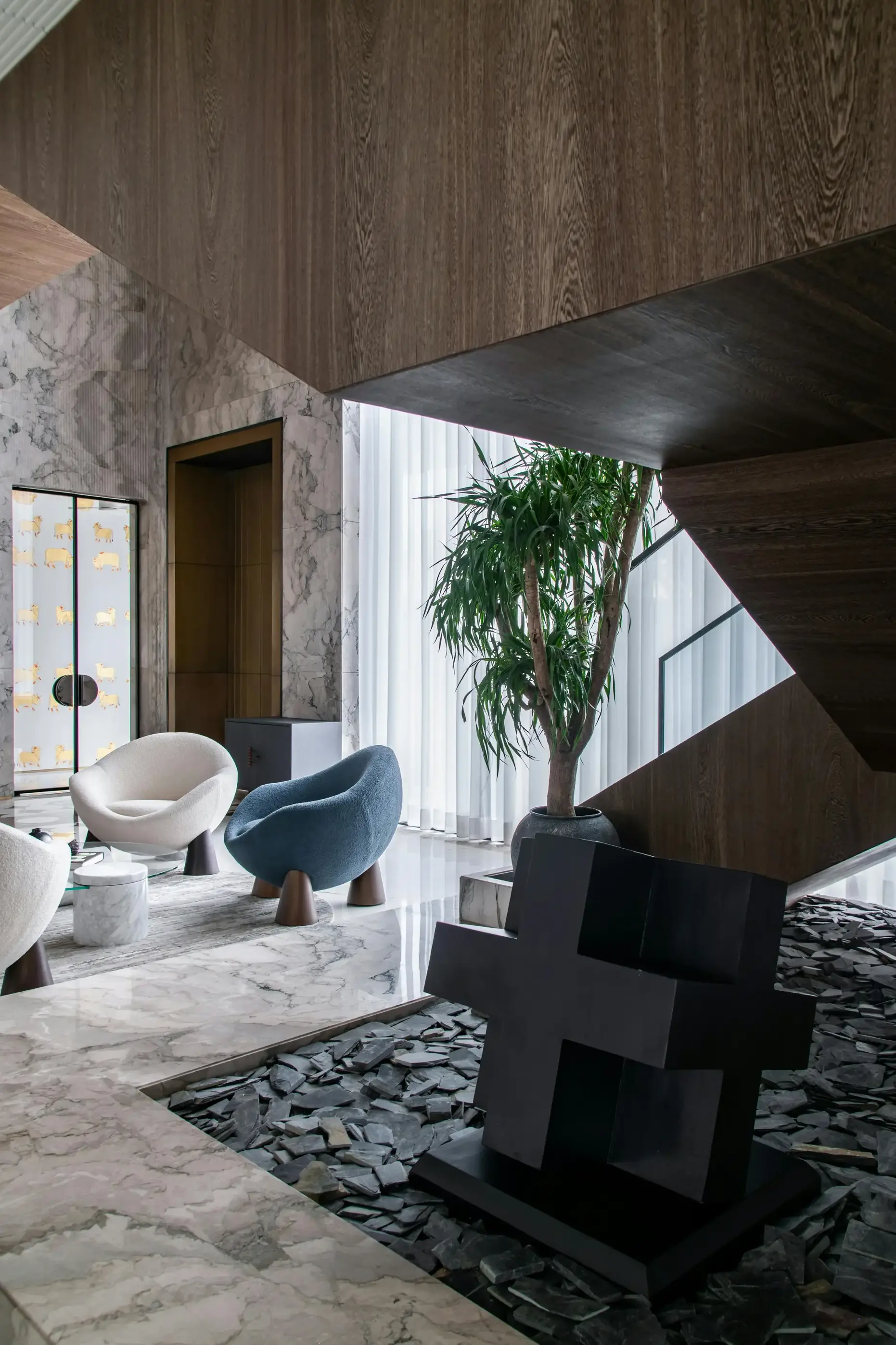
The conversation about aging in place has changed. It used to mean grab bars in the bathroom and a ramp at the front door. For luxury homeowners in Atlanta, it now means designing homes that work beautifully at every stage of life, from raising kids to hosting grandchildren to living independently well into your 80s and beyond. The best aging-in-place design is invisible. It makes a home more comfortable, more functional, and more valuable without ever looking like a medical accommodation.
The demographics are driving this shift. According to the AARP, 77% of adults over 50 want to remain in their home as they age. The National Association of Home Builders (NAHB) reports that universal design features are now among the top requests from buyers in the 55-plus demographic, which also happens to be the wealthiest homebuying segment. In Atlanta's luxury market, homes that incorporate these features well are selling faster and at premiums compared to similar homes without them.
This guide covers the key design principles, specific features, and cost considerations for aging in place in an Atlanta luxury home. Whether you are building new, renovating an existing home, or shopping for a home that will serve you for decades, this is what you need to know.
Universal Design: The Foundation of Aging-in-Place Luxury
Universal design was developed by architect Ronald Mace at North Carolina State University in the 1990s. The core principle is simple: design spaces that work for the widest possible range of users without requiring modification. In a luxury context, this means every feature serves a dual purpose. It looks great and it functions well for people of all ages and abilities.
Wider doorways and hallways are the most fundamental universal design element. Standard interior doorways are 30 to 32 inches. Universal design calls for 36 inches minimum, which accommodates wheelchairs but also makes every room feel more generous and allows furniture to move more easily. Main hallways at 42 to 48 inches wide feel grand rather than clinical. In new construction, this adds minimal cost (a few hundred dollars in framing). In renovations, widening doorways costs $500 to $2,000 per opening depending on structural implications.
Zero-threshold entries eliminate the step at exterior doors. This is standard in high-end modern design regardless of accessibility considerations. It creates a seamless transition between indoor and outdoor spaces that looks intentional and sophisticated. For existing homes, converting a traditional threshold to zero-step entry costs $2,000 to $5,000 per door, including waterproofing and flashing modifications.
Lever-style hardware on all doors and faucets is easier to operate than knobs for anyone with reduced hand strength, arthritis, or full hands (like carrying a child or groceries). High-end lever hardware from manufacturers like Emtek, Baldwin, and Schlage looks beautiful and operates effortlessly. This is a simple swap that costs $50 to $300 per handle, depending on the brand and finish.
Main-Level Master Suites: The Most Important Feature
If there is one aging-in-place feature that matters more than all others, it is the main-level master suite. The ability to sleep, bathe, dress, and access the kitchen and living areas without using stairs is the single biggest factor in whether a homeowner can remain in their home long-term. It is also the feature that most directly affects resale value in the luxury market.
In Atlanta's luxury market, main-level masters have gone from a nice-to-have to a near-requirement for buyers over 50. New construction in Buckhead, Sandy Springs, and Brookhaven almost universally includes a main-level master suite. For existing homes without one, there are typically two options: convert existing main-level space (a formal dining room, home office, or guest bedroom) into a master suite, or build a main-level addition.
Converting existing space typically costs $50,000 to $120,000 depending on plumbing requirements and finish level. A ground-floor addition with a new master suite typically runs $150,000 to $300,000 in Atlanta for luxury-grade finishes. Both approaches tend to return 70% to 90% of the investment at resale, and they significantly expand the buyer pool when you eventually sell. The math almost always works if you plan to stay in the home for five or more years.
Home Elevators: From Luxury Amenity to Practical Necessity
Residential elevators have moved from the ultra-luxury niche into the mainstream luxury market, and installations in homes priced above $1 million have become increasingly common in recent years. In Atlanta, where many luxury homes are two or three stories (and many sit on sloped lots with daylight basements), an elevator makes the entire home accessible regardless of mobility.
The most common residential elevator types in Atlanta luxury homes are hydraulic and pneumatic (vacuum) systems. Hydraulic elevators are the traditional choice, offering smooth rides, larger cab sizes, and the ability to serve up to four floors. They require a machine room (typically in the basement or an adjacent closet) and a shaft that runs through the floors. Installation costs $40,000 to $65,000 for a standard two-stop unit. Pneumatic elevators use air pressure rather than cables or hydraulics, requiring no machine room and minimal structural modification. They cost $35,000 to $60,000 and install in as little as two to three days in existing homes. The trade-off is a smaller cab size (typically one or two passengers).
For new construction, the smartest approach is to include an elevator shaft in the plans even if you do not install the elevator immediately. Building the shaft during construction costs $5,000 to $10,000. Retrofitting a shaft into an existing home costs $15,000 to $40,000. Having the shaft in place means you can install the elevator at any point in the future for a fraction of the retrofit cost. Many Atlanta luxury builders now include elevator-ready shafts as a standard feature in homes above $1.5 million.
Planning a Home That Works for the Next Twenty Years?
Some accessible design choices add resale value and some quietly cost you. We can tell you which is which before you commit to a plan.
Review My Plans for Resaleor call (770) 727-4052
Luxury Accessible Bathrooms
Bathrooms are where the most impactful aging-in-place modifications happen, and where poor execution is most visible. The goal is a bathroom that any luxury buyer would want, with safety features built into the design so subtly that you would not notice them unless you were looking.
Curbless Showers
Curbless (zero-threshold) showers eliminate the step into the shower, reducing trip hazards while creating a clean, contemporary look that is already popular in luxury design. Use a linear drain along one wall and pitch the floor slightly toward it. Large-format tiles with minimal grout lines create a seamless, spa-like appearance. Budget $8,000 to $20,000 for a luxury curbless shower renovation depending on size and materials.
Designer Grab Bars
Companies like Watermark, Ginger, and Moen now offer grab bars that look like towel bars, shelf supports, and decorative hardware. These mount to blocking installed behind the wall surface and support 250+ pounds. The cost premium over standard grab bars is $100 to $500 per unit, and the visual difference is dramatic. Install blocking in all bathroom walls during renovation so bars can be added anywhere in the future without opening walls.
Comfort-Height Toilets and Vanities
Comfort-height toilets (17 to 19 inches versus the standard 15 inches) are easier to sit down on and stand up from. They look identical to standard toilets and cost the same. Vanities at 34 to 36 inches (versus the standard 30 to 32 inches) reduce back strain and accommodate a wider range of users. Wall-mounted vanities allow height adjustment and keep the floor clear. These choices cost nothing extra in new construction and minimal additional cost in renovations.
Non-Slip Flooring
Honed natural stone, textured porcelain, and matte-finish tiles all provide excellent slip resistance while looking luxurious. Avoid polished marble or glazed ceramic in wet areas. The DCOF (Dynamic Coefficient of Friction) rating should be 0.42 or higher for wet areas per ANSI standards. Many of the most beautiful tile options already meet this standard. Ask your tile supplier for DCOF ratings when selecting materials.
Smart Home Technology for Aging in Place
Smart home technology has become one of the most effective tools for extending independent living in luxury homes. The key is selecting systems that simplify daily life rather than adding complexity. The best smart home setups for aging in place run quietly in the background, automating routine tasks and providing safety features without requiring constant interaction.
Voice-activated controls reduce the need to physically reach switches, thermostats, and controls. Systems like Control4, Savant, and Crestron (the professional-grade options common in luxury homes) can integrate lighting, HVAC, window shades, door locks, and entertainment systems into a single voice-activated platform. A professionally installed whole-home system typically costs $25,000 to $75,000 for a luxury property.
Automated lighting is perhaps the most impactful single technology for safety. Motion-activated lights in hallways, bathrooms, staircases, and closets eliminate the risk of walking through dark spaces. Path lighting that activates at night along routes from the bedroom to the bathroom prevents falls. Dimmable scenes that gradually brighten in the morning and dim in the evening support circadian rhythms. These features can be added to existing homes for $3,000 to $10,000 depending on the number of fixtures and control system.
Safety monitoring systems now go well beyond the traditional medical alert pendant. Integrated systems can detect falls through motion sensors, monitor medication schedules, alert family members to unusual activity patterns (like not entering the kitchen by a certain time), and automatically contact emergency services. Companies like Alarm.com and newer platforms offer these features integrated with standard smart home systems, avoiding the stigma of dedicated medical monitoring equipment.
Multigenerational Floor Plans
Multigenerational living is growing rapidly in the United States. According to the Pew Research Center, roughly 18% of Americans live in multigenerational households, the highest share since the 1970s. In Atlanta's luxury market, this translates to increasing demand for homes that accommodate multiple generations while providing appropriate privacy for each household.
The most successful multigenerational designs include a self-contained suite with a private bedroom, full bathroom, kitchenette or wet bar, living area, and separate entrance. In Atlanta's hilly topography, daylight basements are ideal for this purpose. A finished daylight basement with walkout access provides a completely separate living space on the lower level while the main home functions normally above. Many Buckhead and Sandy Springs properties have basements with full-height ceilings, abundant natural light, and direct outdoor access that make them feel like independent apartments rather than converted basements.
Building a multigenerational suite into an existing Atlanta luxury home typically costs $75,000 to $200,000 depending on the starting condition of the space. A finished daylight basement conversion with kitchenette, bedroom, bath, and living area runs $100,000 to $175,000 at luxury finishes. A separate entrance (either through the basement walkout or via a dedicated entry) adds $5,000 to $15,000. The investment tends to return well at resale because the suite can serve multiple purposes: guest quarters, home office, rental income, or in-law accommodation.
Resale Considerations: Features That Add Value
Not all aging-in-place features affect resale value equally. Here is how the most common modifications stack up in Atlanta's luxury market based on buyer demand, appraiser recognition, and market data.
High-Value Features (Add to Buyer Pool and Price)
Main-level master suite, home elevator (or elevator-ready shaft), curbless luxury showers, smart home integration, wide doorways and hallways, zero-threshold entries, and multigenerational suites. These features appeal to buyers of all ages and are recognized by appraisers as value-adding improvements. They expand the pool of potential buyers when you sell, which supports higher prices and faster sales.
Neutral Features (Add Function Without Detracting)
Lever door handles, comfort-height toilets, blocking in walls for future grab bars, rocker light switches, and pull-out shelving in cabinets. These are inexpensive, improve daily function, and go unnoticed by most buyers. They neither add nor subtract from resale value, which means they are essentially free improvements in terms of cost-benefit analysis.
Potentially Detracting Features (If Poorly Executed)
Hospital-style grab bars, exterior wheelchair ramps that disrupt curb appeal, stairlifts (unless removable), and overly clinical bathroom modifications. These features signal "medical accommodation" rather than "luxury design" and can narrow the buyer pool. If you need these features, invest in the luxury versions that integrate with the home's design language rather than looking bolted on.
The Bottom Line
Aging in place is not about growing old. It is about designing your home so well that it works at every stage of life. The best aging-in-place features in luxury homes are invisible: they make the home more comfortable, more beautiful, and more functional for everyone who uses it. A curbless shower is just a better shower. A main-level master is just better floor planning. An elevator is just convenient. The fact that these features also allow you to stay in your home as you age is a bonus, not the selling point.
For Atlanta luxury homeowners, the time to think about these features is now, not when you need them. Incorporating universal design during a renovation or new build costs a fraction of retrofitting later. And every feature you add makes your home more valuable and more appealing to the largest and wealthiest segment of today's buyer market.
Whether you are looking for a home that already includes these features or considering modifications to your current property, our team can help. We work with clients at every life stage and can connect you with architects, builders, and designers who specialize in luxury universal design in the Atlanta market.
Frequently Asked Questions
What is universal design in luxury homes?
Universal design is a design philosophy that creates spaces usable by people of all ages and abilities without the need for adaptation or specialized features. In luxury homes, this means wider doorways (36 inches minimum), zero-threshold entries, lever-style door handles, varied counter heights, curbless showers, and single-floor living options that look intentional and elegant rather than clinical. The key distinction is that universal design features enhance the home for everyone, not just those with mobility limitations. A curbless shower is simply a better shower. A wider hallway feels more spacious. These features add value rather than stigma.
How much does a home elevator cost in Atlanta?
A residential elevator in an Atlanta luxury home typically costs $40,000 to $100,000 installed, depending on the type, number of stops, and finish level. Hydraulic elevators (the most common for residential) cost $40,000 to $65,000 for a two-stop unit. Pneumatic (vacuum) elevators cost $35,000 to $60,000 and require less structural modification. Custom cab finishes (hardwood panels, stone floors, glass doors) can add $10,000 to $30,000. Shaft construction in an existing home adds $15,000 to $40,000 depending on the structural complexity. Annual maintenance runs $300 to $600. Homes with elevators in the luxury market consistently sell at premiums and appeal to a broader buyer pool.
Does aging-in-place design hurt resale value?
When done correctly, aging-in-place design features typically increase resale value. According to the National Association of Home Builders (NAHB), universal design features are among the most requested items by buyers over 55, which represents a large and growing segment of the luxury market. The key is execution. Grab bars that look like designer towel bars, curbless showers with rainfall heads, and wide hallways that feel luxurious rather than institutional all add value. Poorly executed accessibility features (hospital-style grab bars, ramp additions that disrupt curb appeal) can detract from value. The luxury approach to aging in place is designing homes that are inherently accessible without looking like they were modified for accessibility.
What is a main-level master suite and why does it matter?
A main-level master suite is a primary bedroom and bathroom located on the ground floor of the home, eliminating the need to use stairs for daily living. In Atlanta's luxury market, this has become one of the most requested features for buyers over 50. It allows homeowners to live entirely on one floor if needed while still having upper levels for guests, home offices, or family. Homes with main-level masters typically sell faster and at higher prices than comparable homes without them. If your home does not have one, adding a main-level master suite (either by converting existing space or building an addition) typically costs $80,000 to $200,000 in Atlanta, depending on scope and finishes.
What smart home features help with aging in place?
Smart home technology has become one of the most powerful tools for aging in place. Voice-activated controls (lighting, thermostats, door locks, window shades) reduce the need for physical switches and knobs. Automated lighting that turns on when you enter a room and off when you leave prevents falls in dark spaces. Video doorbells and smart locks allow you to see and admit visitors without walking to the door. Leak detection sensors alert you to plumbing problems before they cause damage. Medical alert systems now integrate with smart home platforms for emergency response. Smart stoves can automatically shut off if left unattended. The best systems are professionally installed and configured for simplicity, because technology only helps if it is easy to use.
How do I make a luxury bathroom accessible without it looking institutional?
The key is specifying commercial-grade safety features in residential luxury finishes. Use linear drains and continuous tile for zero-threshold showers instead of traditional curbs. Install grab bars that are designed as towel bars or shelf supports with matching luxury hardware finishes (brushed nickel, matte black, polished brass). Choose comfort-height toilets (17 to 19 inches) which look identical to standard toilets but are easier to use. Use non-slip tile that still looks beautiful, such as honed marble or textured porcelain. Build a shower bench into the design as an architectural feature rather than an afterthought. Ensure adequate lighting with dimmable fixtures. The result should be a bathroom that any buyer would want, regardless of age or ability.
What does a multigenerational floor plan look like in Atlanta luxury homes?
Multigenerational luxury floor plans in Atlanta typically include a self-contained suite (bedroom, bathroom, kitchenette, and separate entrance) for a parent or adult child, integrated with but somewhat separate from the main living areas. In new construction, this is often a ground-floor wing with its own HVAC zone and entrance from the garage or a covered walkway. In existing homes, finished basements (particularly Atlanta's daylight basements on sloped lots) work well for this purpose. The best designs allow the multigenerational suite to function independently while also connecting to the main home for family interaction. Privacy and independence for both households are essential design priorities.
Should I renovate my current home or buy one that already has these features?
This depends on your attachment to your current home, the structural feasibility of modifications, and the cost comparison. If you love your neighborhood and your home's bones are good, renovation often makes sense. Adding an elevator, converting a bathroom, and widening doorways can typically be done for $100,000 to $300,000 in an Atlanta luxury home. If your home is multi-level with no feasible elevator location, has a layout that resists single-floor living, or would require structural modifications exceeding 30% to 40% of the home's value, buying a home that was designed with these features may be more cost-effective. Our team can help you evaluate both options based on your specific situation.
Are there tax benefits for aging-in-place modifications?
Some aging-in-place modifications may qualify for tax deductions as medical expenses under IRS rules, if they are prescribed by a physician and the primary purpose is medical care. This can include elevator installation, wheelchair ramps, widened doorways, and bathroom modifications. The modification must exceed the increase in property value it creates to qualify as a deductible medical expense, and total medical expenses must exceed 7.5% of adjusted gross income to be deductible. Georgia also offers a homestead exemption for residents over 62 that reduces property tax burden. Consult a qualified tax professional for guidance on your specific situation, as the rules are detailed and individual circumstances vary.
What Atlanta neighborhoods are best for aging in place?
The best Atlanta neighborhoods for aging in place combine walkability, proximity to medical facilities, and housing stock that supports single-floor living or elevator installation. Buckhead offers proximity to Piedmont Hospital and Northside Hospital, with many newer luxury homes that already include elevators and main-level masters. Sandy Springs provides a suburban feel with good medical access and newer construction that often incorporates universal design. Brookhaven has walkable village areas and newer homes with modern floor plans. For those who prefer intown living, Midtown offers high-rise condos with elevator access and walkability to Emory Midtown Hospital and Piedmont Park. The right choice depends on your lifestyle preferences, social connections, and specific health considerations.
Ready to find a home designed for every life stage?
Sources
- AARP - Survey data on aging-in-place preferences and housing needs for adults over 50.
- National Association of Home Builders (NAHB) - Universal design feature demand, elevator installation trends, and builder survey data.
- Pew Research Center - Multigenerational household data and demographic trends in the United States.
- ANSI (American National Standards Institute) - Accessibility standards and DCOF ratings for slip-resistant flooring.
- Remodeling Magazine - Cost vs. Value Report for bathroom renovations, additions, and accessibility modifications.
- FMLS (First Multiple Listing Service) - Atlanta luxury home sales data and feature-based pricing analysis.
Cost estimates, design recommendations, and market data referenced in this article reflect conditions in the Atlanta metro area as of early 2026 and may vary based on individual property characteristics and market conditions. This article is for informational purposes only.
Disclaimer: This article is for informational purposes only and does not constitute medical, legal, tax, or real estate advice. Aging-in-place modifications should be planned with qualified architects, contractors, and medical professionals based on individual needs. Tax deductibility of modifications depends on individual circumstances and IRS rules. The Luxury Realtor Group is a real estate brokerage and does not provide medical, design, or construction services. Consult qualified professionals before making modification or purchase decisions.