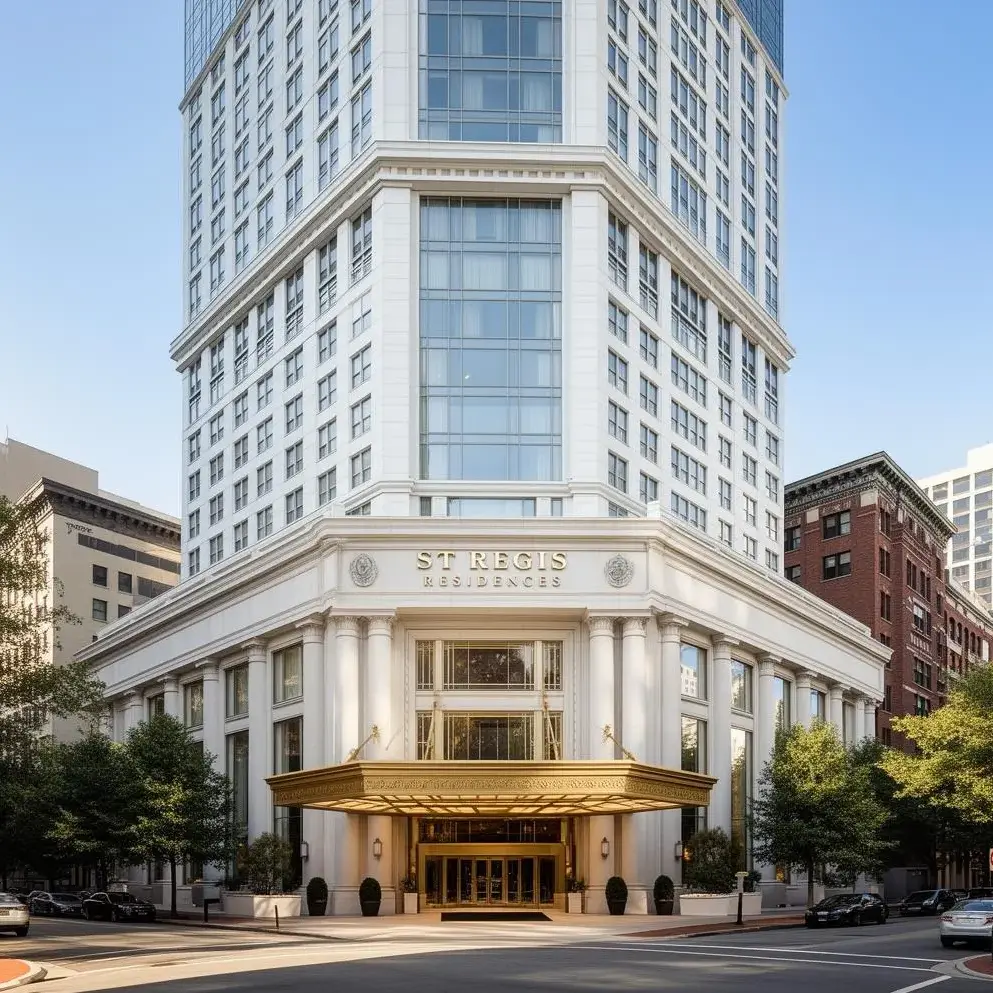
Atlanta's luxury condo market is entering a new era. With the Mandarin Oriental Residences and Waldorf Astoria Residences both under construction in Buckhead, the city is adding branded luxury condo inventory that positions it alongside Miami, New York, and Los Angeles in the high-rise luxury segment. For buyers considering a luxury condo in Atlanta, 2026 presents both opportunity and complexity.
Buying a condo is fundamentally different from buying a single-family home. You are purchasing a unit within a shared building, which means your financial health is tied to the financial health of the homeowners association. You are subject to rules, restrictions, and shared decision-making that do not exist with a detached home. And the financing, insurance, and resale dynamics follow different patterns.
This guide covers everything a luxury buyer needs to evaluate before purchasing a condo in Atlanta: the top buildings, HOA financial analysis, reserve fund health, rental restrictions, insurance requirements, financing considerations, and the investment case for condo ownership in 2026.
Atlanta's Premier Luxury Condo Buildings
Not all luxury condos are created equal. The building you choose affects your daily experience, your HOA fees, your resale potential, and your financing options. Here is a look at the most significant luxury condo buildings in the Atlanta market as of 2026.
St. Regis Residences, Buckhead
The St. Regis is the standard-bearer for luxury condo living in Atlanta. Located on West Paces Ferry Road in the heart of Buckhead, it offers 150 residences ranging from one-bedroom units (approximately 1,200 square feet) to penthouse-level homes exceeding 5,000 square feet. Amenities include the 40,000-square-foot Remede Spa, indoor pool, fitness center, wine cellar, private dining, valet parking, and 24-hour concierge. Prices typically range from $700,000 for smaller units to $6 million and above for penthouses. Monthly HOA fees range from approximately $2,000 to $6,000+. The building has maintained strong resale values since opening in 2009, and its brand recognition is a significant asset.
Mandarin Oriental Residences, Buckhead (Opening 2026)
The Mandarin Oriental Residences represent the next chapter in Atlanta luxury condo development. Under construction at 3376 Peachtree Road in Buckhead, this building will offer approximately 190 branded residences with full access to Mandarin Oriental hotel services. Expected price points range from $2 million for two-bedroom units to $10 million and above for upper-floor penthouses. The amenity package is expected to include a world-class spa, multiple pools, a private residents' club, dining facilities, and white-glove concierge service. Pre-sales have been strong, with the building reportedly 60%+ reserved before completion.
Waldorf Astoria Residences, Buckhead (Under Development)
Announced for the Buckhead market, the Waldorf Astoria Residences will bring another globally recognized luxury hotel brand to Atlanta's condo inventory. Specific details on unit count, pricing, and amenities are still emerging, but the Waldorf Astoria brand signals ultra-luxury positioning consistent with their properties in Miami, Beverly Hills, and New York. This development reflects the growing demand for branded residences in Atlanta from both local buyers and out-of-state investors.
The Ritz-Carlton Residences, Buckhead
Located at 3630 Peachtree Road, The Ritz-Carlton Residences offers 127 units with access to Ritz-Carlton hotel services. The building dates to 2008 and offers a more established (and fully operational) alternative to the newer developments still under construction. Units range from approximately $600,000 to $3 million, with HOA fees in the $1,500 to $4,000 range. The building benefits from a strong HOA, well-maintained common areas, and the Ritz-Carlton service brand.
The Atlantic, Midtown
For buyers who prefer Midtown's walkable, arts-oriented lifestyle, The Atlantic at 270 17th Street offers luxury condos with direct access to Atlantic Station's retail and dining. Units range from approximately $400,000 for one-bedrooms to $1.5 million for penthouses. The building offers a pool, fitness center, concierge, and secure parking. Its Midtown location provides walkable access to the Woodruff Arts Center, Piedmont Park, and the BeltLine.
HOA Analysis: What to Examine Before You Buy
The HOA is not just the entity that collects your monthly fees. It is the organization responsible for maintaining the building, managing shared expenses, and making financial decisions that directly affect your investment. Understanding the HOA's financial health is as important as evaluating the unit itself.
Monthly fees and what they cover. Luxury condo HOA fees in Atlanta range from $800 to $6,000+ per month depending on the building, unit size, and amenity level. These fees typically cover building insurance (the master policy), common area maintenance, staff (concierge, security, maintenance), amenities (pool, gym, spa), elevator maintenance, landscaping, and contributions to the reserve fund. Some buildings include utilities like water, gas, or cable in the fee; others do not. Always request a detailed fee breakdown and compare it against what you would spend independently on these services if you owned a single-family home.
Operating budget and financial statements. Request the HOA's annual budget and the most recent audited financial statements (at least two years). Look for a budget that balances income and expenses without chronic deficits. A building that consistently runs deficits is either underfunded or poorly managed, both of which lead to future special assessments or deferred maintenance. The budget should show an adequate contribution to reserves, typically 10% to 25% of the total operating budget for a well-managed luxury building.
Board meeting minutes. Reading the past 12 months of board meeting minutes reveals issues that do not show up in financial statements: ongoing maintenance problems, resident complaints, pending legal disputes, planned capital projects, and management quality. A board that meets regularly, discusses issues transparently, and follows through on action items is a positive sign. Sparse or infrequent meeting minutes may indicate a disengaged board.
Want the HOA Documents Read Before You Offer?
Reserve health and pending assessments are the two things that surprise condo buyers after closing. Both are knowable before you sign anything.
Have a Building Vettedor call (770) 727-4052
Reserve Fund Health and Special Assessments
The 2021 Surfside, Florida condo collapse brought national attention to building maintenance and reserve fund adequacy. While Atlanta does not face the same corrosion issues as oceanfront Florida buildings, the lesson is universal: underfunded reserves eventually become expensive problems for unit owners.
A reserve study is a professional assessment of the building's major components (roof, elevators, HVAC systems, parking structures, facade, plumbing, electrical) and a projection of when each will need replacement and what it will cost. Well-managed luxury buildings commission a reserve study every 3 to 5 years. The study produces a recommended annual reserve contribution that, if followed, should fund major repairs without special assessments. Per the Community Associations Institute (CAI), approximately 70% of condo associations nationwide are underfunded to some degree. This makes it essential to review the reserve study yourself or with your attorney before purchasing.
Red flags to watch for. A reserve fund with less than 10% of the projected 30-year capital need. A building that has not commissioned a reserve study in 5+ years. A history of special assessments (even if they were successfully collected, they indicate a pattern of underfunding). Deferred maintenance visible in common areas like lobbies, hallways, parking decks, or elevators. And an HOA that has recently or is currently involved in litigation, which can drain reserves and complicate insurance and financing.
Financing a Luxury Condo: What Is Different
Financing a luxury condo involves additional layers of underwriting that do not apply to single-family home purchases. Lenders evaluate the building, the HOA, and the unit, not just the borrower.
Warrantability. For conventional loans backed by Fannie Mae or Freddie Mac, the condo building must meet "warrantability" requirements. These include: at least 50% owner-occupancy (not investor-owned), no single entity owning more than 20% of the units, no pending litigation against the HOA, adequate insurance, and a financially sound HOA. Many luxury condo buildings in Atlanta do not meet all of these requirements, particularly the owner-occupancy threshold in buildings that attract investors. If a building is not warrantable, you will need a portfolio loan or jumbo non-warrantable condo financing, which typically carries a slightly higher interest rate (0.25% to 0.50% above standard jumbo rates).
Down payment requirements. Most lenders require 20% to 30% down for luxury condo purchases, compared to 10% to 20% for single-family homes. For non-warrantable condos or units above $2 million, some lenders may require 25% to 35% down. Cash purchases are common in the luxury condo segment, accounting for approximately 30% to 40% of transactions above $1 million in the Atlanta market, per FMLS data.
Condo questionnaire. Every lender will require the HOA to complete a condo questionnaire (sometimes called a lender questionnaire) that provides information about the HOA's finances, insurance, litigation status, and unit mix. The HOA or its management company typically charges $200 to $500 to complete this document. Factor this into your closing timeline, as it can take 1 to 3 weeks to obtain.
Insurance: Understanding HO-6 Coverage
Condo insurance involves two layers: the master policy (carried by the HOA, covering the building structure and common areas) and your individual HO-6 policy (covering your unit's interior, personal property, and liability).
The master policy's coverage type matters. "All-in" or "single entity" policies cover the building structure including unit interiors as originally built. "Bare walls" policies cover only the structure, leaving unit owners responsible for all interior finishes, fixtures, and improvements. Most luxury buildings in Atlanta carry all-in or single-entity policies, but you need to verify this. If the master policy is bare walls, your HO-6 coverage needs to be substantially higher to cover interior rebuild costs.
For a luxury condo with high-end finishes and upgrades, your HO-6 policy should include sufficient dwelling coverage to rebuild the interior to its current standard. A $1.5 million condo with custom millwork, imported stone, and designer finishes may need $200,000 to $400,000 in interior coverage to account for upgrades beyond the original developer finishes. Personal property coverage, liability coverage (typically $300,000 to $1 million), loss-of-use coverage, and loss assessment coverage (which helps pay special assessments triggered by insured events) should all be included. Annual HO-6 premiums for luxury condos in Atlanta typically run $800 to $3,000.
Rental Restrictions and Investment Considerations
If you are buying a luxury condo with any intention of renting it in the future, understanding the building's rental policy is non-negotiable. Rental restrictions vary dramatically between buildings and can significantly affect both your flexibility and the unit's resale appeal.
Most luxury buildings in Atlanta require minimum 12-month lease terms, effectively prohibiting short-term rentals. Many cap the total number of units that can be rented at any time (often 20% to 30% of total units). Some require HOA board approval of tenants. A few buildings prohibit rentals entirely for the first 1 to 2 years of ownership.
These restrictions exist to maintain community character and property values, and they also affect financing. Lenders view buildings with high investor-ownership ratios as higher risk. If the building exceeds 50% rental/investor-occupied units, conventional financing may not be available, which limits your buyer pool at resale.
For buyers viewing a luxury condo as an investment, the Atlanta market offers modest rental yields in the luxury segment, typically 2% to 4% gross on units above $750,000. The appreciation potential is the primary return driver, and as noted above, condo appreciation in Atlanta has historically trailed single-family homes. The investment case for a luxury condo is strongest when the property also serves a personal use (pied-a-terre, primary residence during a life transition, or retirement home) rather than purely as an investment vehicle.
Market Outlook: Luxury Condos in Atlanta for 2026 and Beyond
The entry of Mandarin Oriental and Waldorf Astoria into the Atlanta market signals institutional confidence in the city's luxury condo segment. These developments will bring new inventory at the highest price points ($2 million to $10 million+), which will attract buyers who have historically looked to Miami, New York, or overseas for branded residence options.
Per FMLS data, the number of condo sales above $1 million in the Atlanta market increased approximately 15% year-over-year in 2025, with the strongest demand in Buckhead and Midtown. Days on market for luxury condos averaged 45 to 75 days, which is longer than single-family luxury homes (typically 30 to 50 days) but has been trending shorter.
The buyer profile for Atlanta luxury condos is evolving. In addition to traditional buyers (downsizers from large homes, executives wanting lock-and-leave simplicity, and buyers wanting urban proximity), Atlanta is attracting more out-of-state buyers who view a luxury condo as a secondary or pied-a-terre property. The city's position as a major corporate and entertainment hub, combined with Georgia's favorable tax environment, supports this trend.
The risk for condo buyers in 2026 is new supply. When the Mandarin Oriental and Waldorf Astoria deliver, the market will absorb approximately 300 to 400 new luxury units in Buckhead alone. If demand does not keep pace, existing buildings could see pricing pressure, particularly in the $1 million to $2 million range where there is the most competition. For buyers, this supply increase may create negotiating leverage and opportunities, particularly in the resale market as owners in older buildings compete with new-construction offerings.
The Bottom Line
Buying a luxury condo in Atlanta offers a compelling lifestyle: world-class amenities, lock-and-leave convenience, premier locations, and access to the city's best dining, culture, and entertainment. But the decision requires more due diligence than a single-family purchase. The building's HOA financial health, reserve fund adequacy, rental restrictions, and insurance structure all affect your investment and your daily experience.
Do the homework. Review the financial statements, reserve study, and board minutes before you fall in love with the views. Work with a lender who specializes in luxury condo financing. Carry proper HO-6 insurance. And understand the trade-offs: lower maintenance responsibility in exchange for HOA fees and shared decision-making, potential for appreciation offset by typically slower gains than single-family homes.
If you are considering a luxury condo in Atlanta, contact our team. We work with buyers across Buckhead, Midtown, and all of Atlanta's premier condo buildings, and we can help you evaluate the full picture before making a decision.
Frequently Asked Questions
What are the best luxury condo buildings in Atlanta?
The top luxury condo buildings in Atlanta include the St. Regis Residences in Buckhead (units typically $1.5M to $6M+), the Mandarin Oriental Residences (opening 2026, expected $2M to $10M+), The Ritz-Carlton Residences in Buckhead, The Atlantic Station condos in Midtown, and the Waldorf Astoria Residences (under development in Buckhead). Other notable buildings include 2828 Peachtree, Park Avenue Condominiums, and Gallery Buckhead. Each building has a distinct character, amenity package, and price point. The best choice depends on your lifestyle preferences, budget, and whether you prioritize views, location, amenities, or exclusivity.
How much are HOA fees for luxury condos in Atlanta?
HOA fees for luxury condos in Atlanta vary widely by building and unit size. At the St. Regis, monthly fees typically range from $2,000 to $6,000+ depending on unit size and floor. At The Ritz-Carlton Residences, fees range from $1,500 to $4,000. Mid-rise luxury buildings may charge $800 to $2,000 monthly. These fees cover building insurance, common area maintenance, concierge and security staff, amenities (pool, gym, spa), exterior maintenance, reserves, and in some buildings, utilities like water, gas, or cable. Always request a detailed breakdown of what the HOA fee includes and what it does not.
What is a reserve fund and why does it matter?
A reserve fund is money set aside by the HOA for major repairs and capital improvements such as roof replacement, elevator modernization, facade work, and mechanical system upgrades. A healthy reserve fund means the building can handle large expenses without imposing special assessments on owners. After the Surfside condo collapse in 2021, reserve fund health has come under increased scrutiny nationwide. In Georgia, there is no statutory requirement for a minimum reserve level, but well-managed luxury buildings typically maintain reserves equal to 20% to 40% of the annual operating budget, or follow a reserve study that projects funding needs over 20 to 30 years. Before buying, request the most recent reserve study and audited financial statements.
What are special assessments and how common are they?
A special assessment is a one-time charge levied by the HOA when the reserve fund is insufficient to cover a major expense. These can range from a few thousand dollars to $50,000 or more per unit, depending on the scope of work and the building's financial health. Special assessments can be imposed for things like major structural repairs, elevator replacement, parking deck waterproofing, or facade restoration. They are more common in older buildings with underfunded reserves. Before purchasing a luxury condo, ask the HOA for a history of special assessments over the past 10 years and review the reserve study to assess whether future assessments are likely.
Can I rent out my luxury condo in Atlanta?
Rental policies vary by building and are governed by the HOA's declaration and rules. Some luxury buildings like the St. Regis have strict rental restrictions, including minimum lease terms (often 12 months), a cap on the percentage of units that can be rented at any time, and approval requirements for tenants. Other buildings are more flexible. Short-term rentals (Airbnb-style) are prohibited in most luxury condo buildings in Atlanta. Always review the HOA's rental policy before purchasing if you intend to rent the unit now or in the future. Rental restrictions can also affect financing, as some lenders require that fewer than 50% of units in a building be investor-owned.
How is financing a condo different from financing a house?
Financing a luxury condo involves additional underwriting requirements compared to a single-family home. Lenders evaluate the building itself, not just the borrower and the unit. They review the HOA's financial health, the percentage of owner-occupied versus investor-owned units, pending litigation against the HOA, the reserve fund balance, and the building's insurance coverage. Some buildings are not approved for conventional (Fannie Mae/Freddie Mac) financing, which means buyers must use portfolio loans or jumbo financing at potentially higher rates. For luxury condos above $1 million, jumbo loans are standard, and most lenders require 20% to 30% down for condos versus 10% to 20% for single-family homes.
What is HO-6 insurance and do I need it?
HO-6 insurance (sometimes called condo insurance or walls-in coverage) is an insurance policy that covers your individual unit, personal property, liability, and any improvements or upgrades you have made. The HOA's master insurance policy covers the building's structure, common areas, and shared systems, but it does not cover the interior of your unit. HO-6 coverage fills this gap. It typically includes dwelling coverage (for interior walls, floors, fixtures, and upgrades), personal property coverage, personal liability, loss of use (if you cannot live in the unit due to a covered event), and loss assessment coverage (which helps pay your share of a special assessment triggered by an insured event). Most mortgage lenders require HO-6 insurance. Annual premiums for luxury condos in Atlanta typically range from $800 to $3,000 depending on coverage limits and unit value.
What should I look for in a condo's HOA documents?
Before purchasing a luxury condo, you should review several key HOA documents: the Declaration of Condominium (the governing document that establishes the condo regime), the bylaws, the rules and regulations, the most recent annual budget, the audited financial statements for the past two to three years, the reserve study, the minutes from the past 12 months of board meetings, and any pending or recent litigation involving the HOA. Pay particular attention to rental restrictions, pet policies, renovation rules, special assessment history, and the reserve fund balance relative to projected capital needs. A real estate attorney familiar with Georgia condo law should review these documents before you close.
How do luxury condo values appreciate compared to single-family homes in Atlanta?
Historically, luxury condos in Atlanta have appreciated more slowly than single-family homes in comparable locations. Per FMLS data, luxury condos in Buckhead have appreciated approximately 3% to 5% annually over the past five years, compared to 6% to 10% for single-family luxury homes in the same area. The reasons include larger supply of condo units, HOA fee drag on net returns, and buyer preference for single-family homes in a market where land is still relatively available. However, the highest-tier condos (St. Regis, Mandarin Oriental) tend to hold value well due to scarcity and brand prestige. Condo values are also more sensitive to building condition and HOA management quality.
What amenities do Atlanta luxury condo buildings offer?
Top-tier luxury condo buildings in Atlanta offer resort-level amenities. The St. Regis includes a 40,000-square-foot Remede Spa, indoor pool, fitness center, valet parking, 24-hour concierge, private dining room, and a rooftop terrace. The Ritz-Carlton Residences offers similar amenities plus access to the hotel's services. Newer developments like the Mandarin Oriental Residences and Waldorf Astoria are expected to include wellness spas, multiple pools, private dining, wine storage, pet spas, co-working spaces, and electric vehicle charging. Mid-tier luxury buildings typically offer a fitness center, pool, concierge, secure parking, and a resident lounge. The amenity package is a major driver of HOA fees, so evaluate which amenities you will actually use.
Considering a luxury condo in Atlanta?

Sources
- FMLS (First Multiple Listing Service) - Atlanta luxury condo sales data, pricing trends, days on market, and market share by building.
- Community Associations Institute (CAI) - Reserve fund adequacy data, HOA best practices, and national condominium association statistics.
- Fannie Mae - Condo warrantability requirements, owner-occupancy ratios, and financing guidelines for condominium purchases.
- Insurance Information Institute - HO-6 insurance coverage details, master policy types, and condominium insurance best practices.
- Georgia Department of Community Affairs - Georgia Condominium Act regulations and HOA governance requirements.
Market data, pricing, HOA fee ranges, and building details referenced in this article reflect conditions as of early 2026 and are subject to change. Building developments under construction may be modified from current plans. This article does not constitute investment, financial, or legal advice.
Disclaimer: This article is for informational purposes only and does not constitute investment, financial, insurance, or legal advice. Condo values can decrease as well as increase, and past performance does not guarantee future results. HOA fees, reserve fund balances, and building policies are subject to change. The Luxury Realtor Group is a real estate brokerage and does not provide investment advisory, insurance, or legal services. Consult qualified professionals before making real estate purchase decisions.